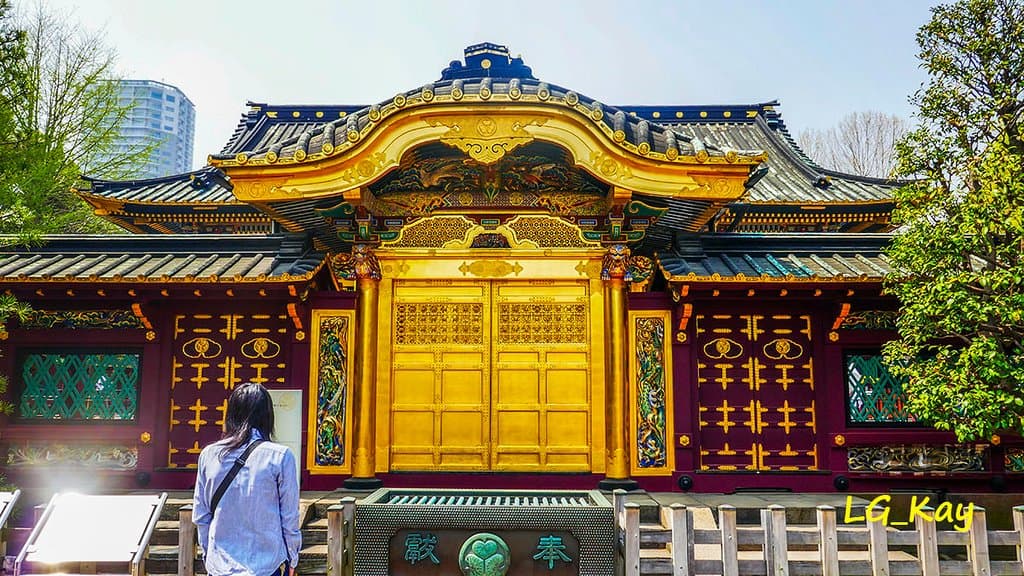
Ueno Toshogu Shrine Tokyo
A 17th-century Shinto shrine in Tokyo's Ueno Park, famed for its dazzling gold leaf and intricate carvings.
Highlights
Must-see attractions

Social
From TikTok & Reddit
Best Time
Fewer crowds, peaceful atmosphere
Ueno Toshogu Shrine Tokyo
Best Time
Fewer crowds, peaceful atmosphere
Highlights
Must-see attractions
A 17th-century Shinto shrine in Tokyo's Ueno Park, famed for its dazzling gold leaf and intricate carvings.
"The gold leaf and carvings are absolutely stunning, a true historical gem!"
🎯 Bow Before Entering
Always bow before passing through the torii gate to show respect.
🚶♀️ Stick to the Sides
Walk on the sides of the path, not the center, which is reserved for deities.
Quick Facts
Hours
Rating
4.4 · 4,731 reviews
Type
Shinto Shrine
Highlights
Discover the most iconic attractions and experiences
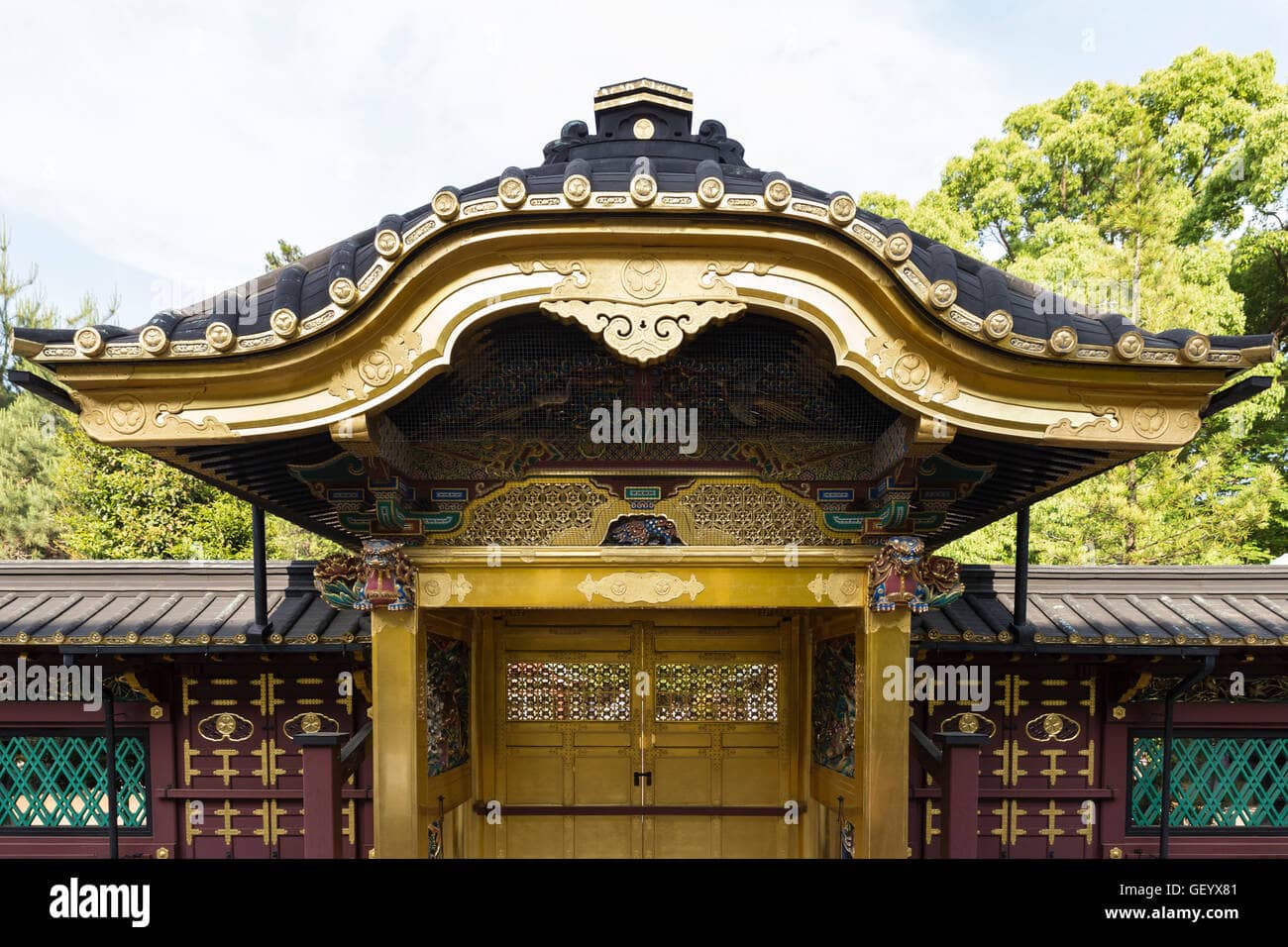
Karamon Gate
Entrance
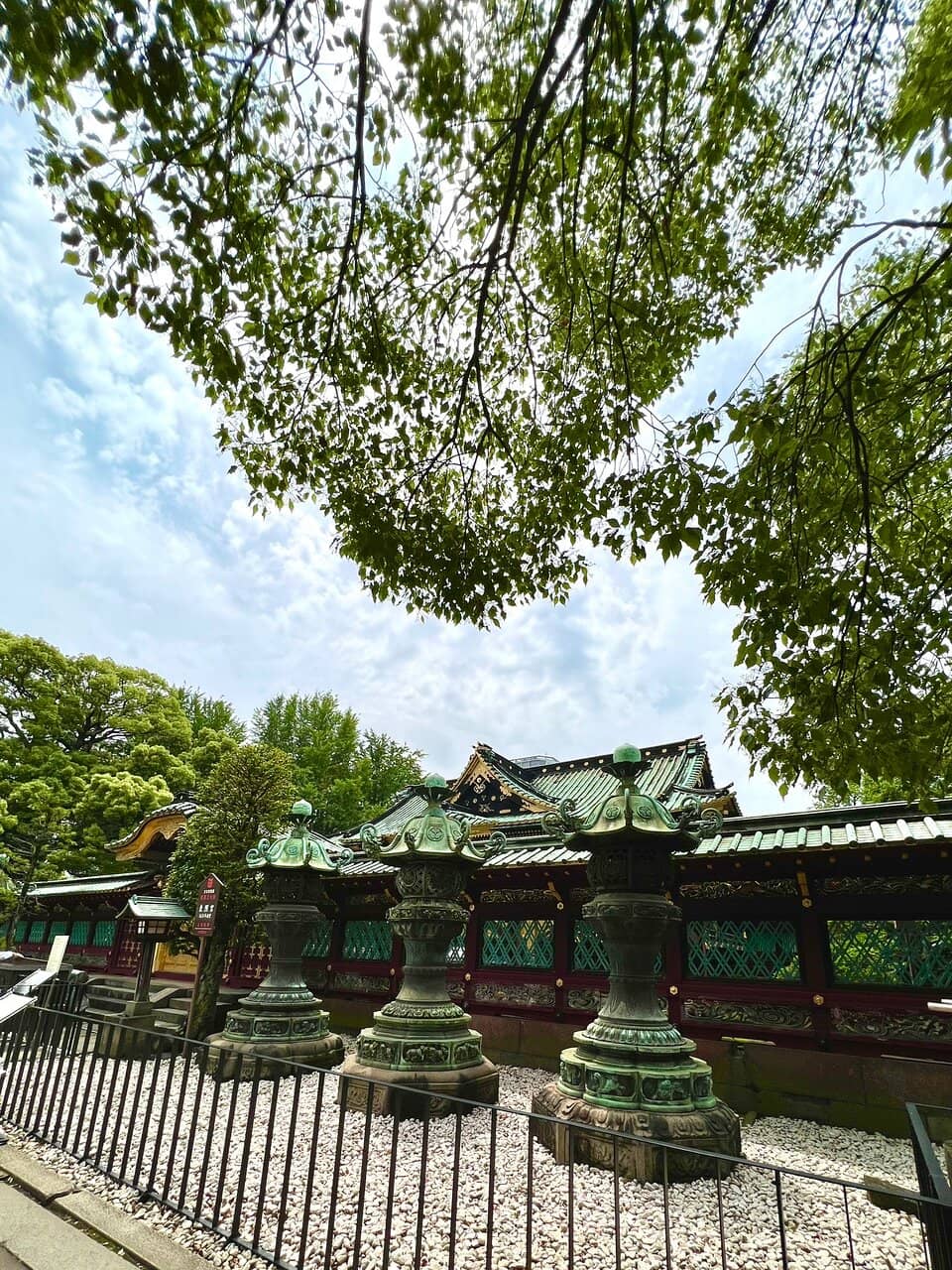
A mysterious and intricately carved gate, a must-see for its detailed craftsmanship and historical significance.
Gold Leaf Decorations
Main Hall
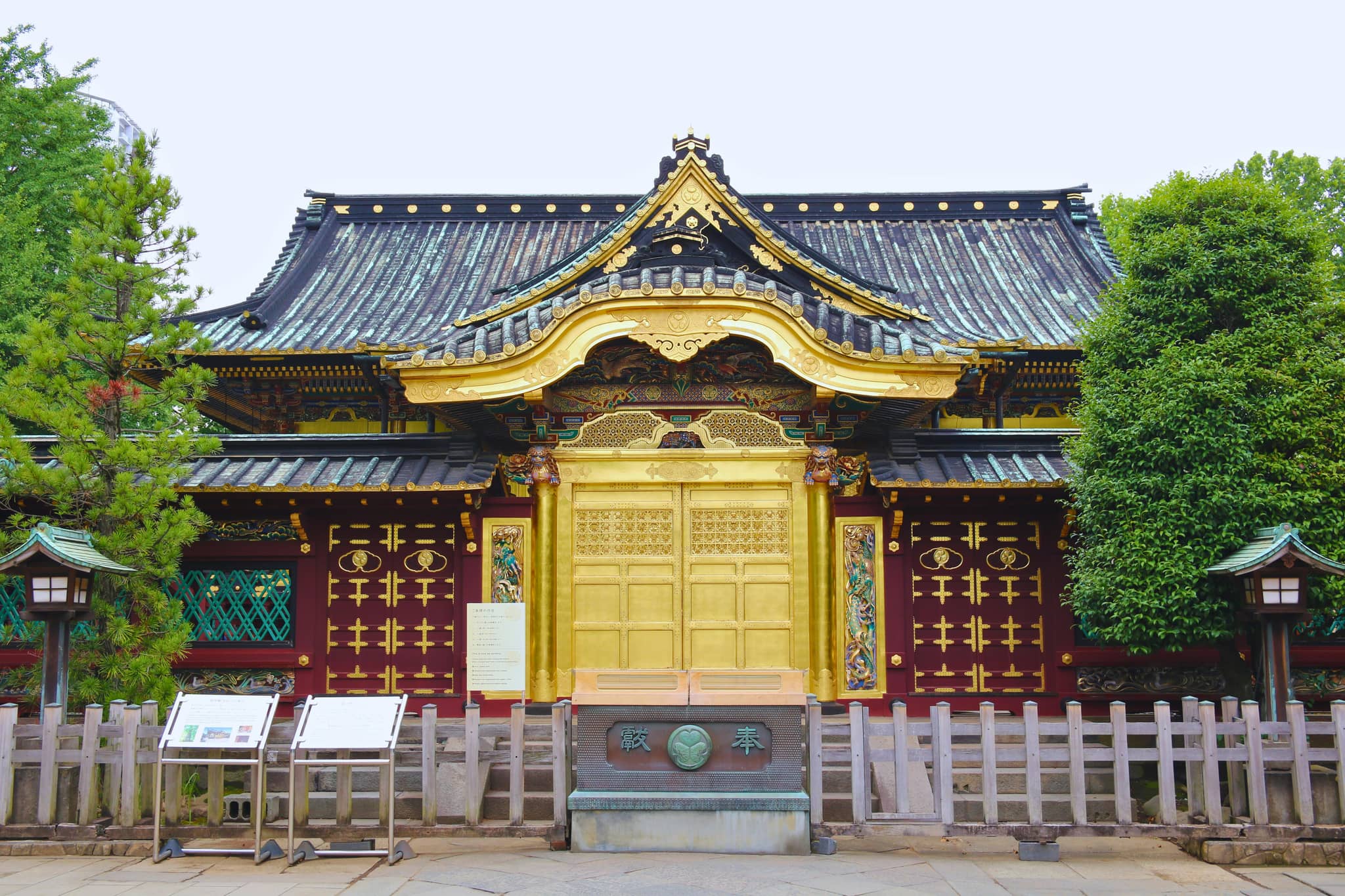
Marvel at the stunning gold foil and elaborate carvings that adorn the shrine, showcasing exquisite Edo-period artistry.
Meditation Pavilion
Near Entrance
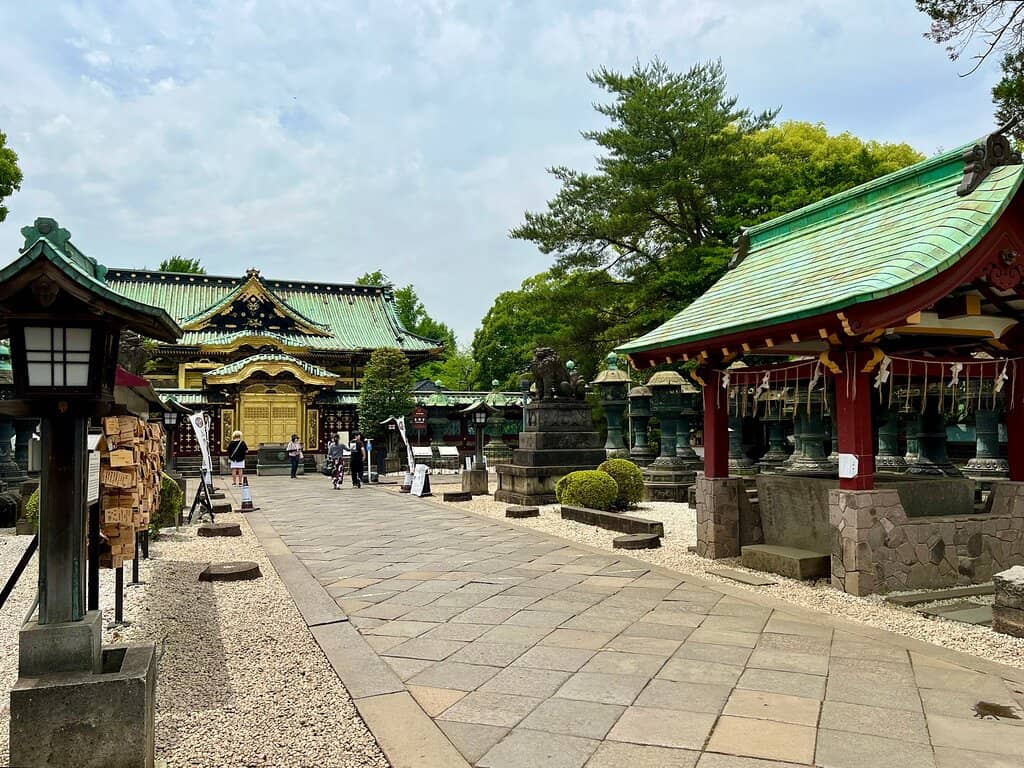
A modern architectural addition that serves as a peaceful threshold, preparing visitors for the sacred atmosphere.
Plans like a pro.
Thinks like you
Planning Your Visit
Respectful Shrine Etiquette
Beware of Scammers

Best Times
Insider Tips
from TikTok, Instagram & Reddit
🎯 Bow Before Entering
Always bow before passing through the torii gate to show respect.
🚶♀️ Stick to the Sides
Walk on the sides of the path, not the center, which is reserved for deities.
🚫 Decline Scammers
Politely refuse any unsolicited offers from 'monks' selling items.
📸 Respectful Photos
Be mindful of others and avoid lengthy photo ops that block paths.
Tips
from all over the internet
🎯 Bow Before Entering
Always bow before passing through the torii gate to show respect.
🚶♀️ Stick to the Sides
Walk on the sides of the path, not the center, which is reserved for deities.
🚫 Decline Scammers
Politely refuse any unsolicited offers from 'monks' selling items.
📸 Respectful Photos
Be mindful of others and avoid lengthy photo ops that block paths.
👟 Comfortable Shoes
You'll be doing a lot of walking in Ueno Park, so wear comfy shoes!
What Travellers Say
Reviews Summary
Visitors praise Ueno Toshogu Shrine for its stunning gold leaf decorations and intricate carvings, offering a glimpse into historical artistry. The peaceful atmosphere within Ueno Park is also a major draw. However, some travelers report negative experiences with scammers posing as monks, urging caution.
"It is one of the ancient (400 years old )Thoshogu Shinto shrines of Japan. It is a great example Shinto Architecture and has got a very beautiful Karamon (gate), a type of curved gable ended peculiar Japanese style one.
The shrine is famous for the enshrining Tokugawa Leyasu, the founder of Shogunate along with few other Shoguns. This shrine withstood few wars and many earthquakes, and without noticeable damages.
The architecture is worth watching and with many beautiful features including that of the Karamon, Honden etc. It is one of the important cultural properties of Japan.
The property is located near to the Ueno Zooand the Nature Science centre. We walked from near the entrances to the shrine ( app 10 minutes). We could also see a folk singer on the way."
BABU O VARGHESE
"Tosho-gu Shrine is a dazzling piece of Japan history, dedicated to Tokugawa Ieyasu(德川家康) and other Tokugawa shoguns. You’ll spot the Tokugawa family crest all around the grounds, adding to the sense of legacy and tradition. The golden details and intricate carvings are absolutely stunning, like walking through a living museum. It’s one of Japan’s most important historical sites."
Hellseeker
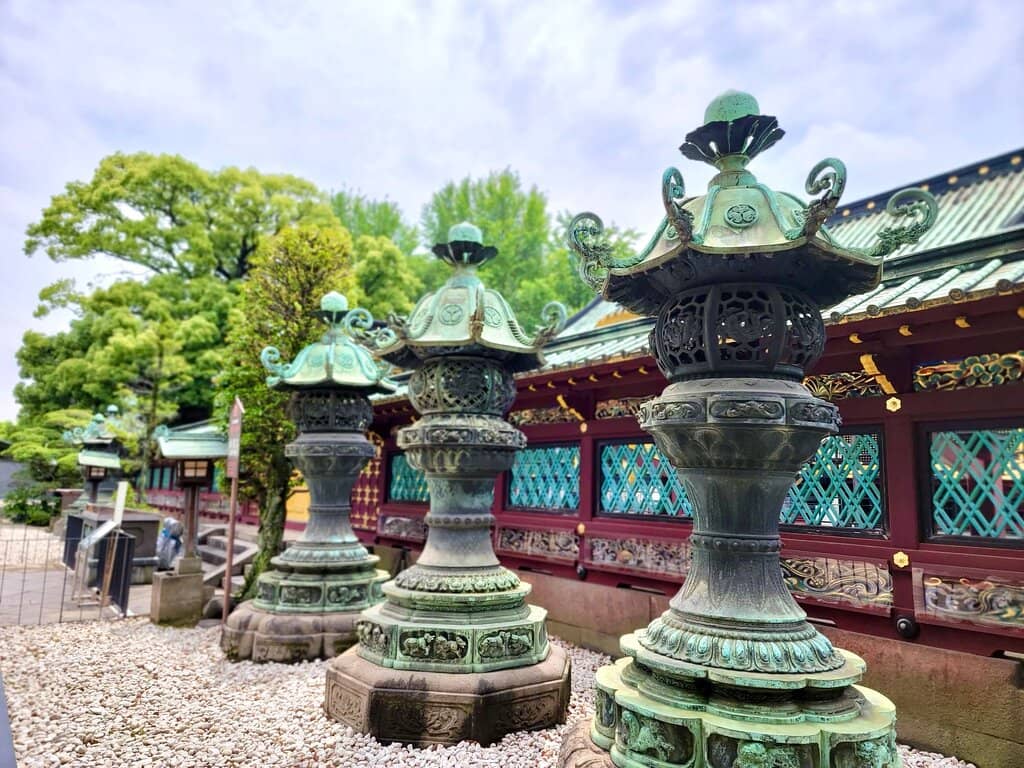
"What a beautiful shrine. We didn’t pay to visit the gardens, just the main complex. The architecture is simply stunning, we especially loved all of the rows of lanterns. And the gold colors on the main building was breathtaking."
Cody P
What People Like
What People Dislike
Frequently Asked Questions
🚇 🗺️ Getting There
Ueno Toshogu Shrine is located within Ueno Park. The easiest way to get there is by taking the JR Yamanote Line or other major train lines to Ueno Station. From the station, it's a short walk through the park to reach the shrine.
Yes, Ueno Toshogu Shrine is very accessible by public transport. Ueno Station is a major hub, and many bus routes also serve the Ueno Park area.
Once you arrive at Ueno Station, follow signs for Ueno Park. The shrine is well-signposted within the park. Using a map app on your phone can also be helpful.
While there are parking lots in Ueno Park, they can fill up quickly, especially on weekends. Public transport is generally recommended for easier access.
Yes, taxis are available in Tokyo, and you can ask to be dropped off at Ueno Park. However, traffic can be heavy, and public transport is often more efficient.
🎫 🎫 Tickets & Entry
Entry to the shrine grounds is generally free. However, there might be a fee to enter specific buildings or exhibitions within the shrine complex. Check the official website for current details.
The shrine grounds are typically open during daylight hours. Specific building hours may vary, so it's best to check the official Ueno Toshogu Shrine website for the most up-to-date information.
The Karamon Gate is part of the main shrine area, and access to view it is usually included with general entry to the shrine grounds, which is often free.
Since the main grounds are typically free, advance ticket purchase isn't usually necessary. If there are special exhibitions, check their specific ticketing procedures.
Visiting on a weekday morning is often recommended to avoid the largest crowds. Early morning visits offer a more serene experience.
🎫 🧭 Onsite Experience
Don't miss the stunning Karamon Gate, the main hall adorned with gold leaf and intricate carvings, and the peaceful Meditation Pavilion.
The shrine was built in 1627 and is dedicated to Tokugawa Ieyasu, the founder of the Tokugawa shogunate, making it a historically significant site.
Yes, always bow before entering the torii gate, walk on the sides of the path, and maintain a respectful demeanor. Avoid loud noises and disruptive behavior.
Yes, the shrine's intricate details, gold leaf, and unique architecture make it a very photogenic spot. The Karamon Gate and the surrounding park offer great photo opportunities.
Dress respectfully, as you would for any religious site. Comfortable walking shoes are highly recommended, especially if you plan to explore Ueno Park.
📸 📸 Photography
The Karamon Gate, the main hall with its gold leaf, and the modern Meditation Pavilion offer excellent photographic opportunities. The surrounding park also provides scenic backdrops.
Generally, photography is allowed on the grounds, but always be mindful of posted signs. Some interior areas of buildings may prohibit photography.
Late afternoon, during the golden hour, can provide beautiful lighting for your photos. Weekday mornings offer fewer people, making it easier to capture clear shots.
Tripod usage policies can vary. It's advisable to check with the shrine administration or look for signage regarding tripod restrictions, especially during busy periods.
A versatile lens, such as a 24-70mm, is useful for capturing both wide shots of the architecture and details. A smartphone camera can also capture great images.


Social
from TikTok, Instagram & Reddit