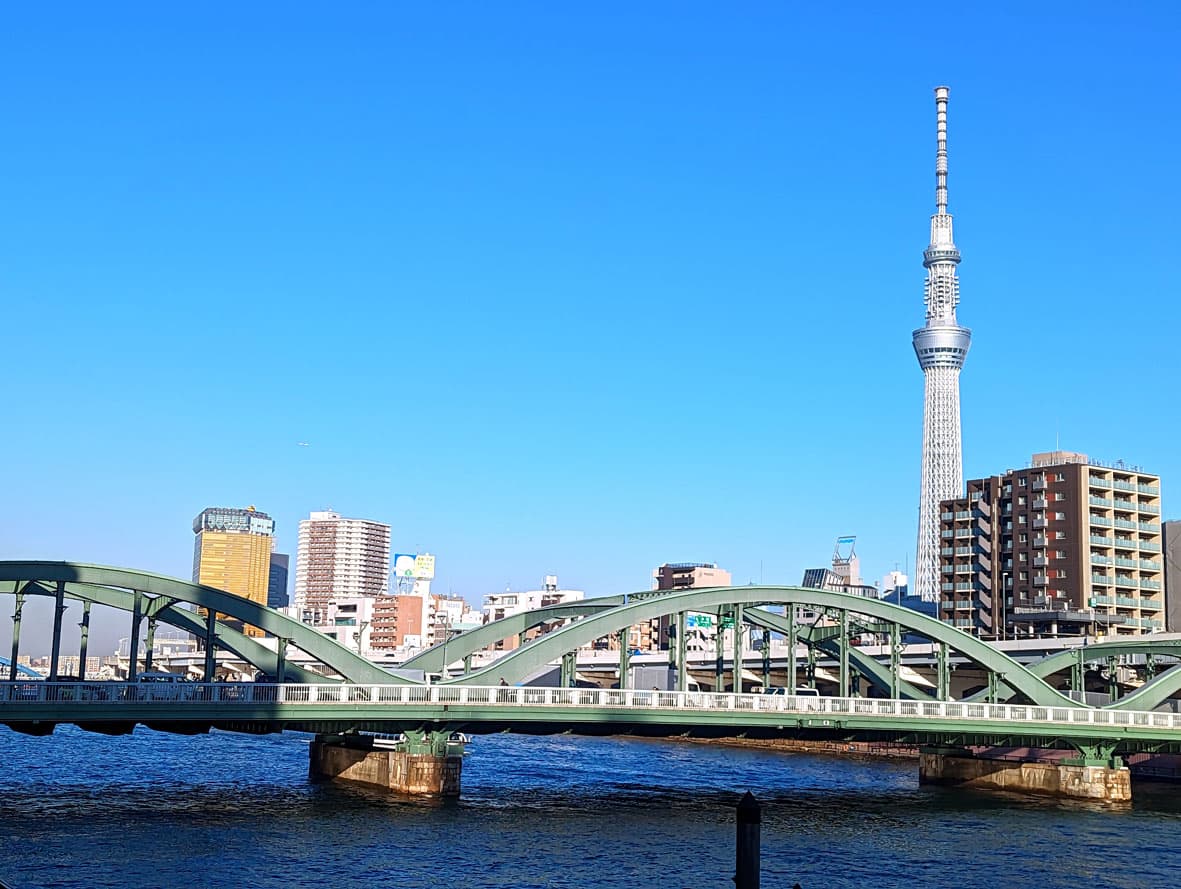
Umayabashi Bridge
A historic green arch bridge with intricate rivets, offering a glimpse into Edo-period Tokyo and scenic riverside views.
Highlights
Must-see attractions

Social
From TikTok & Reddit
Best Time
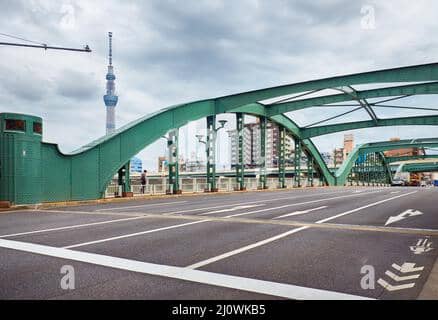
See the green color and rivets
Umayabashi Bridge
Best Time
See the green color and rivets
Highlights
Must-see attractions
A historic green arch bridge with intricate rivets, offering a glimpse into Edo-period Tokyo and scenic riverside views.
"A stately arch bridge with mesmerizing rivets and stained glass, evoking the atmosphere of Edo."
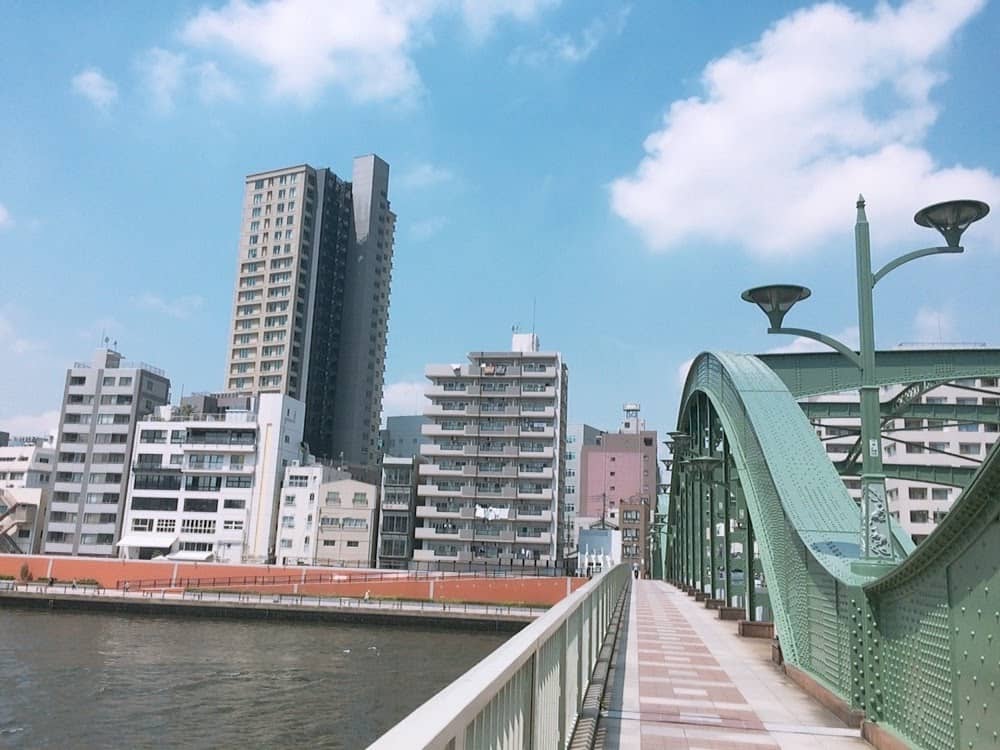
🚶♀️ Accessible Walkways
Enjoy the pedestrian walkways on both sides, wide enough for bikes and wheelchairs. ♿
✨ Admire the Details
Look closely at the stained glass and rivets for a true sense of history. :magnifyingglasstilted_right:
Quick Facts
Hours
Rating
4.1 · 111 reviews
Highlights
Discover the most iconic attractions and experiences
The Mesmerizing Green Arch
Umayabashi Bridge
Admire the bridge's striking green color and the mesmerizing detail of its rivets, a testament to its historical construction.
Edo-Period Echoes
Umayabashi Bridge
Discover stained glass artwork and bent steel columns with exposed rivets, evoking the atmosphere of Tokyo's Edo period.
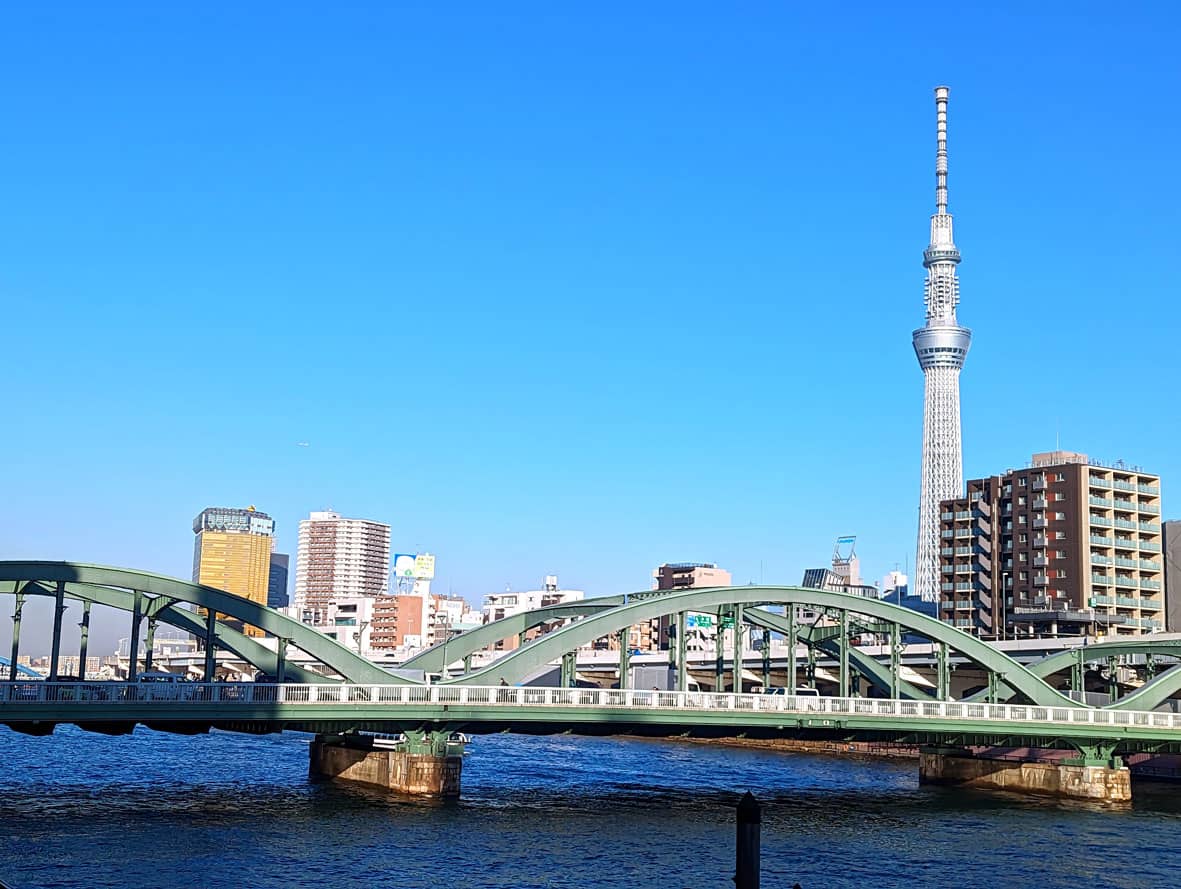
Riverside Views
Foot of the bridge
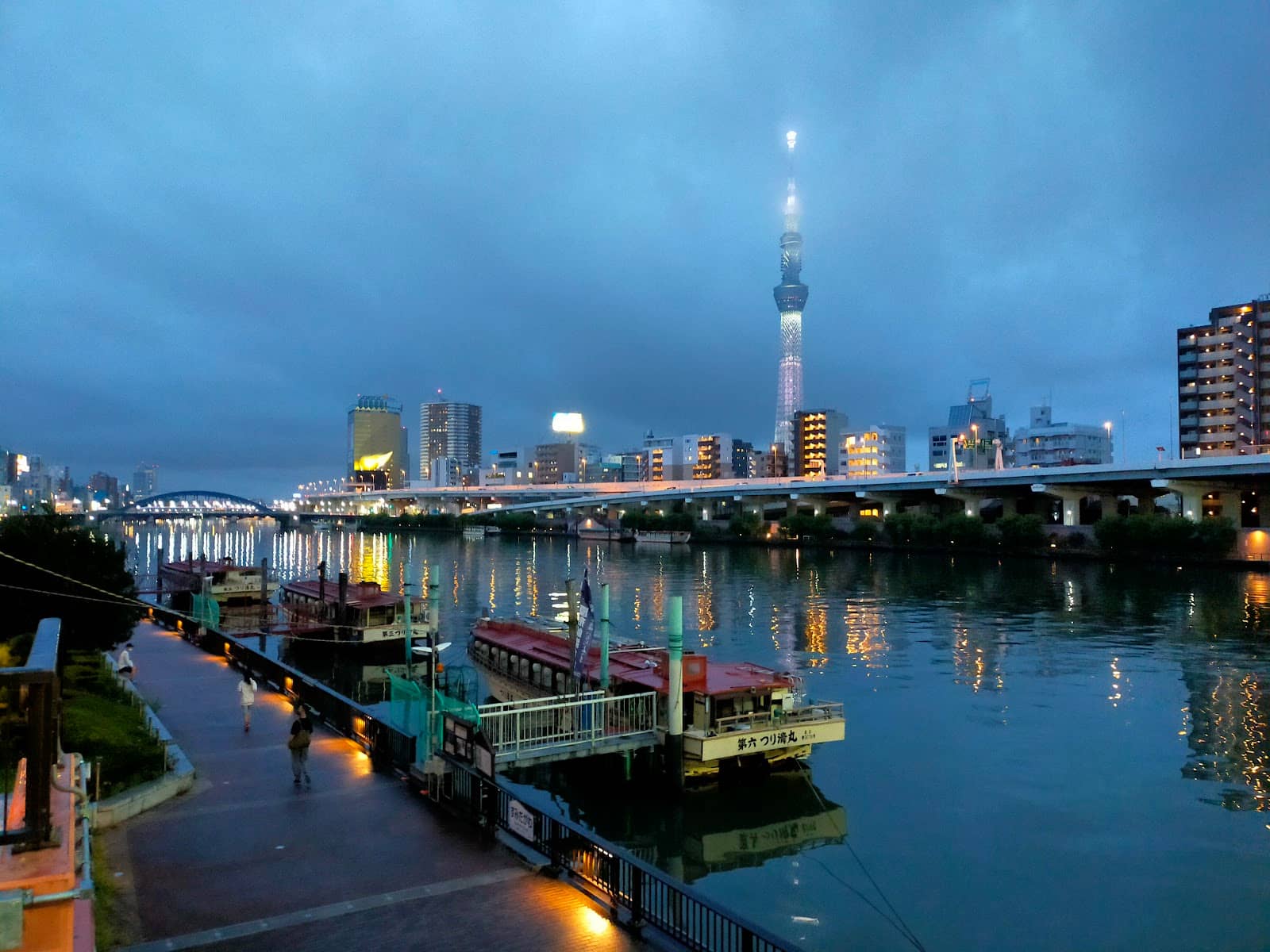
Enjoy views of houseboats coming and going from the pier, creating a classic Tokyo landscape.
Plans like a pro.
Thinks like you
Planning Your Visit
Embrace the Atmosphere
Weather-Wise Wanderings
Best Times
Insider Tips
from TikTok, Instagram & Reddit
🚶♀️ Accessible Walkways
Enjoy the pedestrian walkways on both sides, wide enough for bikes and wheelchairs. ♿
✨ Admire the Details
Look closely at the stained glass and rivets for a true sense of history. :magnifyingglasstilted_right:
🌬️ Mind the Wind
Be prepared for strong winds, especially on rainy nights. :cloudwithrainandwind:
📸 Perfect Photo Spot
Capture the bridge's unique green hue and riverside charm. 📷
Tips
from all over the internet
🚶♀️ Accessible Walkways
Enjoy the pedestrian walkways on both sides, wide enough for bikes and wheelchairs. ♿
✨ Admire the Details
Look closely at the stained glass and rivets for a true sense of history. :magnifyingglasstilted_right:
🌬️ Mind the Wind
Be prepared for strong winds, especially on rainy nights. :cloudwithrainandwind:
📸 Perfect Photo Spot
Capture the bridge's unique green hue and riverside charm. 📷
What Travellers Say
Reviews Summary
Visitors praise Umayabashi Bridge for its striking green color, intricate rivets, and historical charm, offering a tangible connection to Tokyo's Edo period. The accessible pedestrian walkways and scenic riverside views are also frequently highlighted as positive aspects.
"Bridge for cars and pedestrians. Pedestrian walkway on both sides of the bridge, wide enough for bikes and wheelchairs 👨🦼🚴♀️
The bride itself is a really pretty shade of green with a mesmerizing amount of rivets. It also has really cool details like stain glass artwork"
Kevin Kwok
"A lovely bridge, especially at night. The bridge is named after the horse stables that used to be here during the edo period (used to pull the rice bags from the warehouses - hence the area name of Kuramae)"
Mark Williams
"Especially on rainy nights, the winds can be strong. Other than that, it is a nice looking bridge."
Villagemayor
What People Like
What People Dislike
Frequently Asked Questions
🚇 🗺️ Getting There
Umayabashi Bridge is accessible via public transport. The nearest stations are typically within walking distance of the bridge. Check local transit maps for the most convenient route from your location.
The bridge is situated in an area that retains the atmosphere of Edo, with nearby warehouses and a pier. It's a great spot to explore the Kuramae district.
🎫 🎫 Tickets & Entry
No, Umayabashi Bridge is a public landmark and does not require an entrance ticket. You can freely walk across and admire its architecture.
As an outdoor bridge, Umayabashi Bridge is accessible 24/7. However, nighttime visits offer illuminated views.
🎫 🏞️ Onsite Experience
Yes, Umayabashi Bridge has pedestrian walkways on both sides, which are wide enough for comfortable walking, cycling, and even wheelchairs.
Visitors can admire the bridge's distinctive green color, numerous rivets, stained glass artwork, and bent steel columns that reflect its historical construction.
Absolutely! The bridge's unique color, architectural details, and riverside setting make it a fantastic spot for photography, especially during the day and at night when it's illuminated.
Yes, the pedestrian walkways on Umayabashi Bridge are wide and designed to accommodate wheelchairs, making it accessible for all visitors.
The bridge is named after horse stables that were present during the Edo period, used for pulling rice bags. Its construction reflects the era's engineering with stone and steel plates.
🍽️ 🍽️ Food & Dining
The area around Umayabashi Bridge, particularly the Kuramae district, offers various dining options from local eateries to cafes. Exploring the vicinity will reveal many choices.

Social
from TikTok, Instagram & Reddit