
Zenizuka Jizo Shrine
A unique Tokyo shrine known for its 'Kankan Jizo' statue, where visitors tap a stone for financial luck and offer salt for prosperity.
Highlights
Must-see attractions

Social
From TikTok & Reddit
Best Time
Fewer crowds for reflection
Zenizuka Jizo Shrine
Best Time
Fewer crowds for reflection
Highlights
Must-see attractions
A unique Tokyo shrine known for its 'Kankan Jizo' statue, where visitors tap a stone for financial luck and offer salt for prosperity.
"This Jizo is believed to be a source of great monetary luck, making it a unique spot for prayer. "
🎯 Pray for Financial Luck
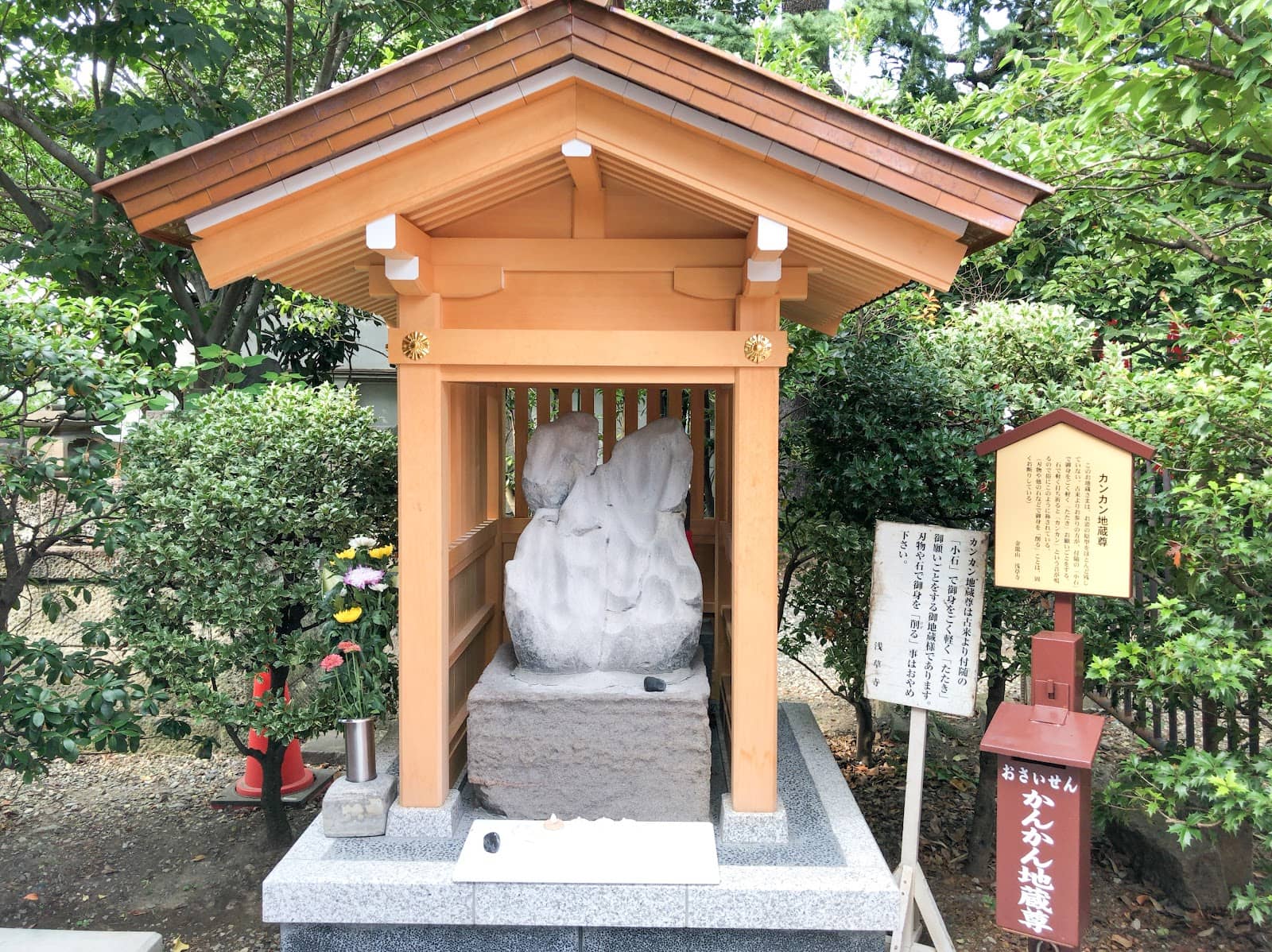
Tap the Kankan Jizo statue with a stone for monetary fortune. :moneywithwings:
🧂 Offer Salt for Prosperity
Unique custom to pray for financial flexibility and business success. :salt:
Quick Facts
Hours
Rating
4.3 · 82 reviews
Type
Place of Worship
Highlights
Discover the most iconic attractions and experiences
Kankan Jizo Statue
Zenizuka Jizo Hall
Tap the statue with a stone to pray for financial luck and hear the distinctive 'kankan' sound.
Salt Offering for Prosperity
Zenizuka Jizo Hall
Offer salt to the 'Salt-licking Jizo' for financial flexibility and business prosperity.
Omamori Purification Ritual
Zenizuka Jizo Hall
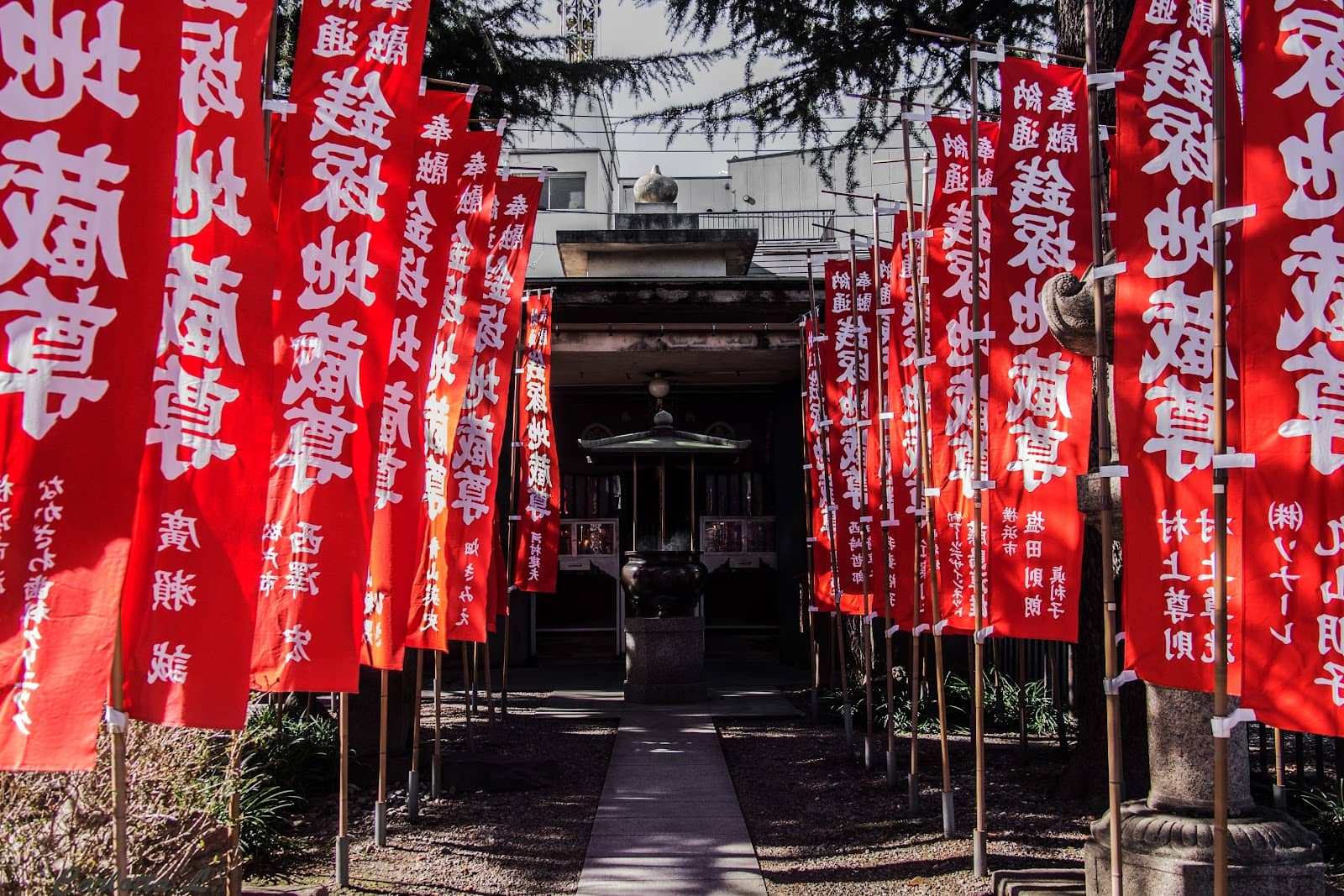
Pass your purchased omamori through incense smoke to imbue it with spiritual power.
Plans like a pro.
Thinks like you
Planning Your Visit
Understand the 'Kankan Jizo' Ritual
Purify Your Omamori
Best Times
Insider Tips
from TikTok, Instagram & Reddit
🎯 Pray for Financial Luck
Tap the Kankan Jizo statue with a stone for monetary fortune. :moneywithwings:
🧂 Offer Salt for Prosperity
Unique custom to pray for financial flexibility and business success. :salt:
💨 Purify Your Charms
Pass omamori through incense smoke for spiritual power. :innocent:
🚶♂️ Explore Nearby Temples
Combine your visit with other attractions in the area. +1
Tips
from all over the internet
🎯 Pray for Financial Luck
Tap the Kankan Jizo statue with a stone for monetary fortune. :moneywithwings:
🧂 Offer Salt for Prosperity
Unique custom to pray for financial flexibility and business success. :salt:
💨 Purify Your Charms
Pass omamori through incense smoke for spiritual power. :innocent:
🚶♂️ Explore Nearby Temples
Combine your visit with other attractions in the area. +1
What Travellers Say
Reviews Summary
Visitors find Zenizuka Jizo Shrine to be an interesting and unique spot, particularly for its 'Kankan Jizo' statue and the associated financial luck rituals. The custom of offering salt and purifying omamori through incense smoke are highlighted as distinctive practices. While some note a lack of English translation, the overall experience is considered worthwhile and a good cultural insight.
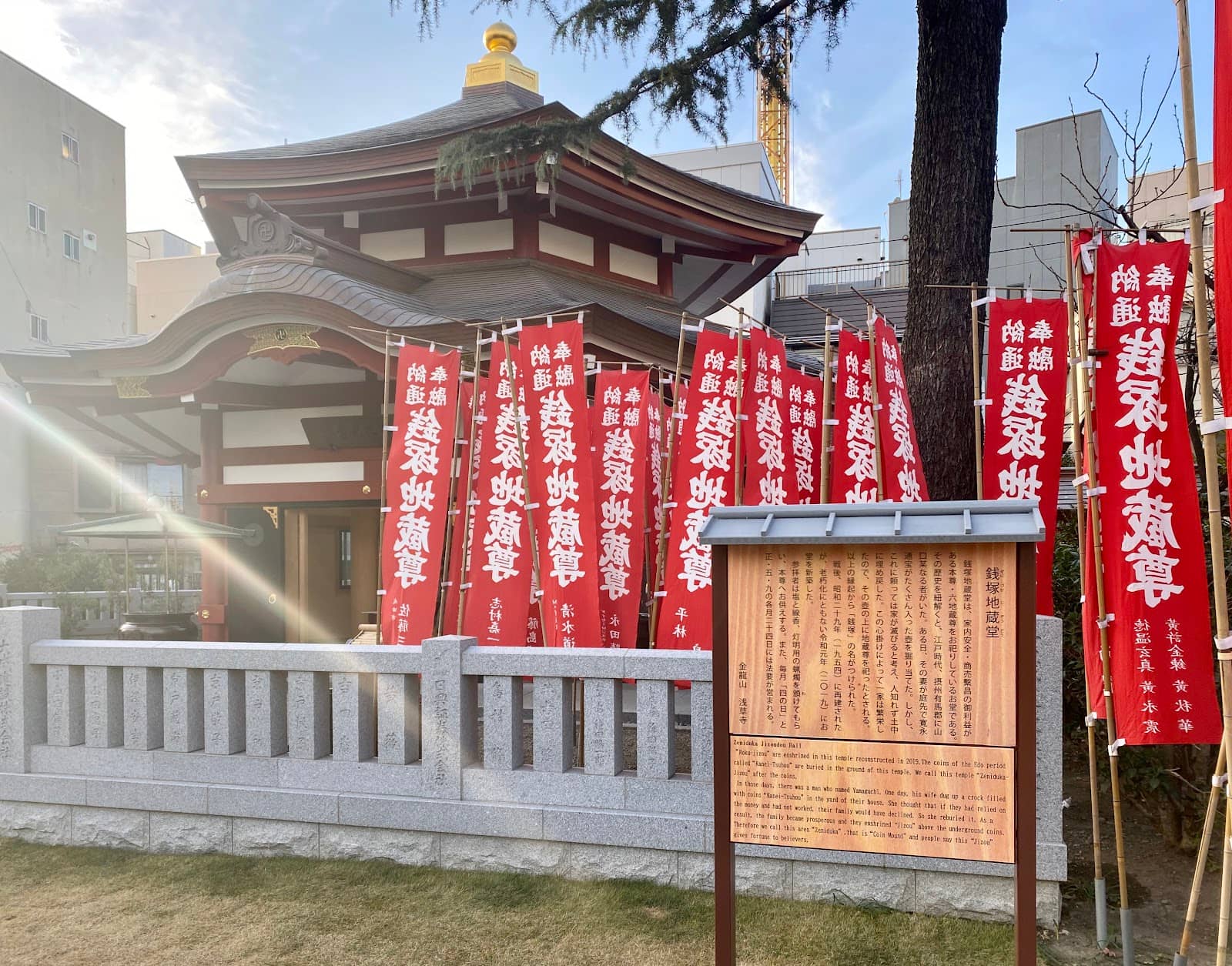
"Beautiful temple surrounded by many red flags. There is a lack of English translation for its purpose though."
B W
"This hall is dedicated to Jizo Bodhisattva (known in Sanskrit as Ksitigarbha Bodhisattva), who is revered as the guardian of children, travelers, and those in the various hells.
This altar is also popular for those seeking to "charge" their wealth charms, which follows an interesting ancient custom of praying for wishes by gently striking the statue with a small stone. The act of striking the stone and hearing the ringing sound, "kankan" (clang-clang), gives this Jizo its name of Kankan Jizoson (Kankan Jizoson), and this particular Jizo is believed to be a source of great monetary luck.
When purchasing omamori (charms) here, it is customary to pass the charm through the incense smoke before taking it home. This ritual is believed to infuse the charm with the temple's spiritual power and purify it.
This hall is dedicated to Jizo Bodhisattva (known in Sanskrit as Ksitigarbha Bodhisattva). Jizo Bodhisattva is revered as the guardian of children, travelers, and those in various hellish places.
The temple is also a popular place to "charge" wealth amulets. This stems from an intriguing ancient custom: tapping the statue with a small stone and making a wish. The "tang-tang" sound made when the stone is struck gives rise to the statue's name, Kankan Jizo, and it is believed that this Jizo statue brings great fortune.
If you purchase an amulet here, it is customary to purify it by burning it in incense smoke before taking it home. This ritual is believed to infuse the amulet with the temple's divine power and purify it."
Ursa Major
"Qianzuka Jizo Hall: A little-known attraction, visitors offer salt, incense, and candles to Ksitigarbha Bodhisattva. Offering salt is believed to purify Ksitigarbha's body, earning him the nickname "Salt-licking Jizo."
Qianzuka Jizo Hall: Pray for prosperous business. Offering salt in prayer brings prosperity."
Kent
What People Like
What People Dislike
Frequently Asked Questions
🚇 🗺️ Getting There
Zenizuka Jizo Shrine is located in Taito City, Tokyo. It's often visited in conjunction with other Asakusa attractions. You can reach the area via the Tokyo Metro Ginza Line or Tobu Skytree Line to Asakusa Station. From there, it's a short walk. +2
Yes, the shrine is easily accessible by public transport. Asakusa Station serves multiple train and subway lines, making it convenient to reach from various parts of Tokyo. +1
Using a navigation app on your phone is recommended. Many visitors find the area around Senso-ji Temple to be a good starting point, and Zenizuka Jizo Shrine is a lesser-known gem nearby. +1
The shrine is located in the Asakusa district, which is famous for Senso-ji Temple. You might find it near kimono rental shops or restaurants in the area. +1
While it's in a popular tourist area, it's best to use public transport to get to Asakusa first, then walk to the shrine. It's not typically a destination reached by walking from central Tokyo.
🎫 🎫 Tickets & Entry
No, Zenizuka Jizo Shrine is generally free to enter and visit. It's a place of worship, and access to the main hall and grounds is typically open to the public without charge.
Specific opening hours can vary, but most shrines in Japan are open from early morning until late afternoon or early evening. It's advisable to check local listings or visit during daylight hours.
There is no admission fee to enter the Kankan Jizo Hall or to participate in the rituals like tapping the statue or offering salt.
Yes, omamori are usually available for purchase at shrines like Zenizuka Jizo. These are often sold at a small counter or stall within the temple grounds.
While the shrine itself is usually accessible, it's best to visit during respectful hours, typically from dawn until dusk. Some areas might have specific closing times.
🎫 🧭 Onsite Experience
The Kankan Jizo statue is revered as a source of financial luck. Visitors tap it with a small stone, creating a 'kankan' sound, to pray for prosperity and monetary fortune.
This refers to offering salt to the Jizo statue, a practice believed to bring financial flexibility and prosperity, especially for business.
After purchasing an omamori, you can pass it through the incense smoke emanating from the temple's incense burner. This is believed to purify and empower the charm.
Visitors can pray for financial luck by tapping the Kankan Jizo statue with a stone, offering salt, or purifying omamori. It's a place for personal reflection and wishes.
As with most religious sites in Japan, it's respectful to dress modestly. Avoid overly revealing clothing. Comfortable walking shoes are recommended as you'll likely be walking around.
📸 📸 Photography
Generally, photography is allowed in most outdoor areas of Japanese shrines. However, it's always good practice to be respectful and avoid taking photos of people without their permission, especially during prayer. +1
The Kankan Jizo statue itself, with its unique carvings and decorations, makes for an interesting photo. The surrounding shrine architecture and any prayer offerings also offer good photographic opportunities.
You can capture the unique Kankan Jizo statue, the salt offerings, the incense burners, and the general atmosphere of a local Tokyo shrine. It offers a different perspective than the larger, more famous temples.
A versatile lens, like a 24-70mm equivalent, would be suitable for capturing both wider shots of the shrine and closer details of the statues and offerings.
While not explicitly stated, it's best to avoid flash photography inside any temple buildings or directly at worshippers. Be mindful of the sacred nature of the site.
Social
from TikTok, Instagram & Reddit