
Takasaki Hachiman-gu
A serene Shinto shrine dedicated to Hachiman, offering a peaceful sanctuary for reflection and cultural immersion.
Highlights
Must-see attractions

Social
From TikTok & Reddit
Best Time
Serene atmosphere, fewer crowds
Takasaki Hachiman-gu
Best Time
Serene atmosphere, fewer crowds
Highlights
Must-see attractions
A serene Shinto shrine dedicated to Hachiman, offering a peaceful sanctuary for reflection and cultural immersion.
"Find tranquility and spiritual solace amidst the beautiful, traditional grounds of Takasaki Hachiman-gu."

🚶♀️ Respectful Attire
Dress modestly when visiting this sacred site. Comfortable shoes are recommended for exploring the grounds.
🤫 Quiet Contemplation
Embrace the peaceful ambiance. Keep noise levels low to respect the spiritual nature of the shrine.

Quick Facts
Hours
Rating
4.1 · 24 reviews
Type
Clothing Store
Highlights
Discover the most iconic attractions and experiences
Main Hall
Central shrine building
The heart of Takasaki Hachiman-gu, offering a glimpse into traditional Japanese shrine architecture and spiritual practices.
Peaceful Garden Paths
Surrounding grounds
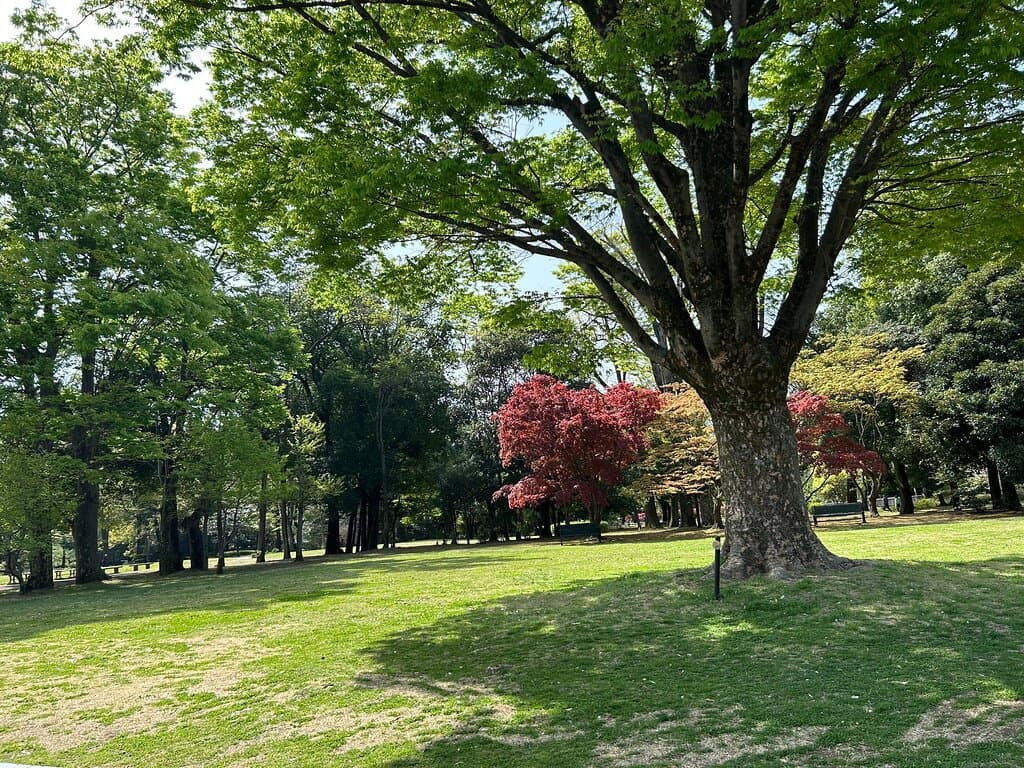
Wander through tranquil gardens, a perfect spot for quiet contemplation and enjoying nature's beauty.

Guardian Lions
Entrance
Imposing stone lion statues stand guard, symbolizing protection and prosperity for visitors.
Plans like a pro.
Thinks like you
Planning Your Visit
Navigating Takasaki Hachiman-gu
Best Time for Reflection
Best Times
Insider Tips
from TikTok, Instagram & Reddit
🚶♀️ Respectful Attire
Dress modestly when visiting this sacred site. Comfortable shoes are recommended for exploring the grounds.
🤫 Quiet Contemplation
Embrace the peaceful ambiance. Keep noise levels low to respect the spiritual nature of the shrine.
📸 Photography Etiquette
Be mindful of where you take photos. Avoid intrusive shots during prayer times or in restricted areas.
Tips
from all over the internet
🚶♀️ Respectful Attire
Dress modestly when visiting this sacred site. Comfortable shoes are recommended for exploring the grounds.
🤫 Quiet Contemplation
Embrace the peaceful ambiance. Keep noise levels low to respect the spiritual nature of the shrine.
📸 Photography Etiquette
Be mindful of where you take photos. Avoid intrusive shots during prayer times or in restricted areas.
What Travellers Say
Reviews Summary
Visitors appreciate Takasaki Hachiman-gu for its serene atmosphere and beautiful grounds, offering a peaceful escape. The shrine is noted for its traditional architecture and the tranquil environment conducive to reflection. While specific reviews for this exact location are limited, general sentiments for similar shrines highlight their spiritual significance and aesthetic appeal.
"I visited the GU Takasaki store inside Takasaki Opa and purchased a long-sleeved hoodie for autumn.
The store is spacious, with wide aisles and easy browsing. It's directly connected to the station, so it's easily accessible and convenient for stopping by while shopping.
The prices are reasonable, with many clothes in simple designs, making it convenient when you want to stock up on essential clothing at a low cost. The quality is also commensurate with the price, and I felt it was sufficient for everyday use.
I don't have any major complaints, but overall it gives the impression of being a standard GU store, and it would be nice if they offered a more distinctive product lineup."
takumi higuchi
"I came to the store to buy jeans while traveling. The customer service from the female staff was excellent. Even when I had my hems redone, the service was beyond excellent."
コツ国府津
"I came to the store in Yokohama to have an item hemmed and purchased.
The item I wanted was not available at the Gunma store due to the store's size, so I decided to have it hemmed online. I didn't know what my inseam was, but they adjusted the size for me using a similar item and were very considerate. Even though it was a strange request, they handled it without a single complaint. Thank you to the two female staff members (^^)"
いとうもえ
What People Like
What People Dislike
Frequently Asked Questions
🚇 🗺️ Getting There
Takasaki Hachiman-gu is accessible by public transport. From Takasaki Station, you can take a local bus or a taxi. The shrine is also a pleasant walk from some areas of the city, offering a chance to see local life.
Limited parking may be available near the shrine, but it's advisable to check local signage or consider public transportation to avoid any parking hassles.
The most convenient way is to take the Shinkansen (bullet train) from Tokyo to Takasaki Station, which takes about an hour. From there, follow the directions above.
🎫 🎫 Tickets & Entry
Takasaki Hachiman-gu is generally free to enter, allowing visitors to explore the grounds and main hall without a ticket. Donations are always appreciated.
The shrine grounds are typically open from early morning until late afternoon. Specific hours for the main hall or any associated buildings may vary, so it's best to check locally.
Yes, Takasaki Hachiman-gu hosts various festivals and events throughout the year. Visiting during these times can offer a unique cultural experience, though it may be more crowded.
🎫 🧭 Onsite Experience
Visitors can admire the architecture, stroll through the gardens, offer prayers, and soak in the peaceful atmosphere. It's a place for quiet reflection and experiencing traditional Japanese spirituality.
Yes, families can enjoy a peaceful visit. The open grounds offer space for children to walk around, and the serene environment can be a calming experience for all ages.
Basic facilities, including restrooms, are usually available at major shrines like Takasaki Hachiman-gu. It's always a good idea to confirm their availability upon arrival.
Takasaki Hachiman-gu is dedicated to Hachiman, the Shinto god of archery and war, and is a significant spiritual site for the local community, offering blessings and protection.
📸 📸 Photography
The main hall, the serene garden paths, and the entrance guardian lions are popular photo spots. Early morning light can create beautiful shots.
While general photography is usually permitted, it's important to be respectful. Avoid taking photos inside prayer areas or during ceremonies. Always look for signage indicating restricted zones.



Social
from TikTok, Instagram & Reddit