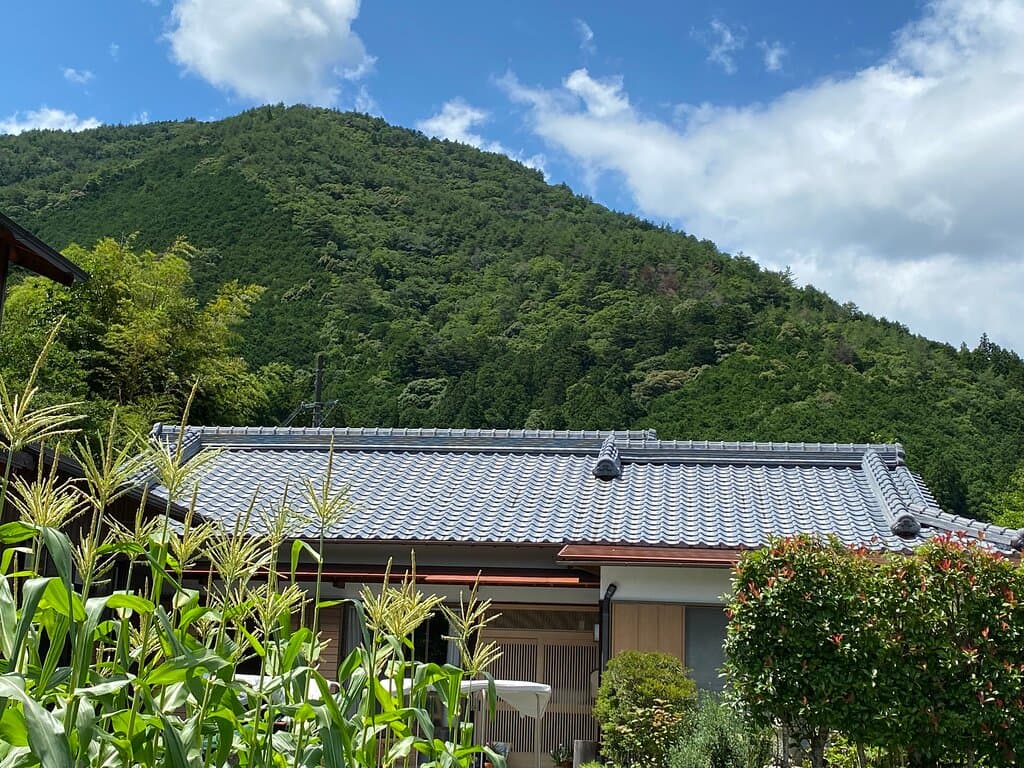
Kumano Kodo Nakahechi Route
Walk Japan's ancient, sacred Kumano Kodo Nakahechi Route, a UNESCO pilgrimage through misty forests and spiritual shrines.
Highlights
Must-see attractions

Social
From TikTok & Reddit
Best Time
Pleasant weather, beautiful scenery
Kumano Kodo Nakahechi Route
Best Time
Pleasant weather, beautiful scenery
Highlights
Must-see attractions
Walk Japan's ancient, sacred Kumano Kodo Nakahechi Route, a UNESCO pilgrimage through misty forests and spiritual shrines.
"A challenging but deeply rewarding walk through sacred forests, connecting with ancient traditions."
Book Accommodations Early
Secure your stays months in advance, especially in smaller villages like Koguchi. :housewithgarden:
Carry Water & Snacks
Supplies are limited on the trail. Stay hydrated and fueled for your hike. :water_wave: :apple:
Quick Facts
Rating
4.8 · 9 reviews
Type
Hiking Area
Highlights
Discover the most iconic attractions and experiences
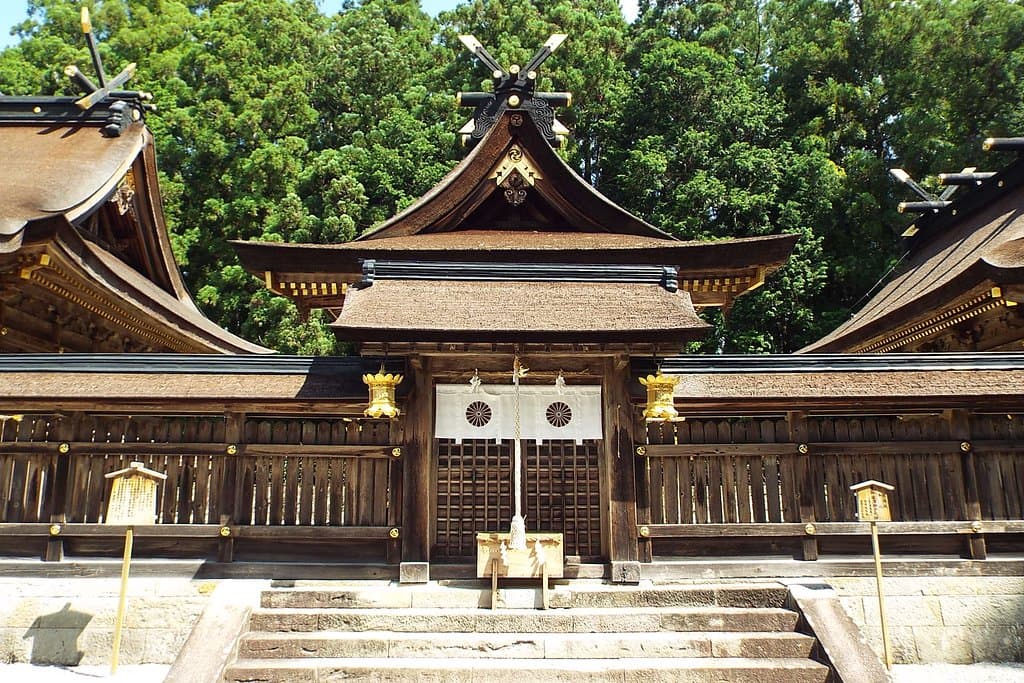
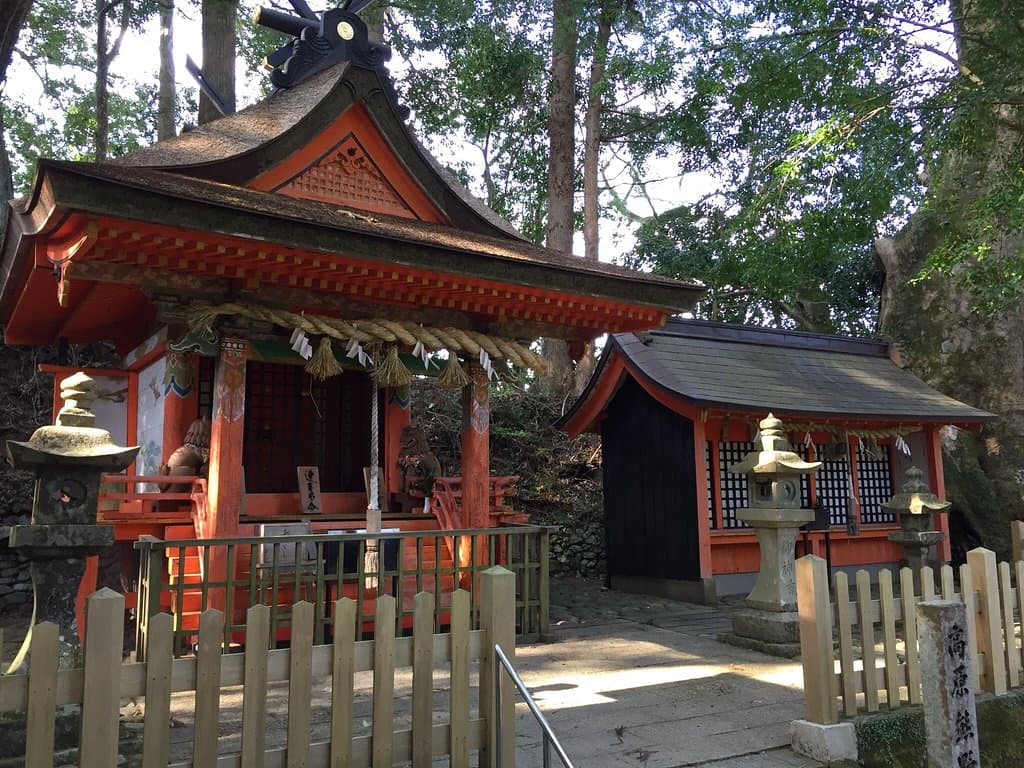
Kumano Hongu Taisha
End of Day 2
A magnificent and peaceful arrival at one of the three grand shrines of Kumano. A truly spiritual experience.
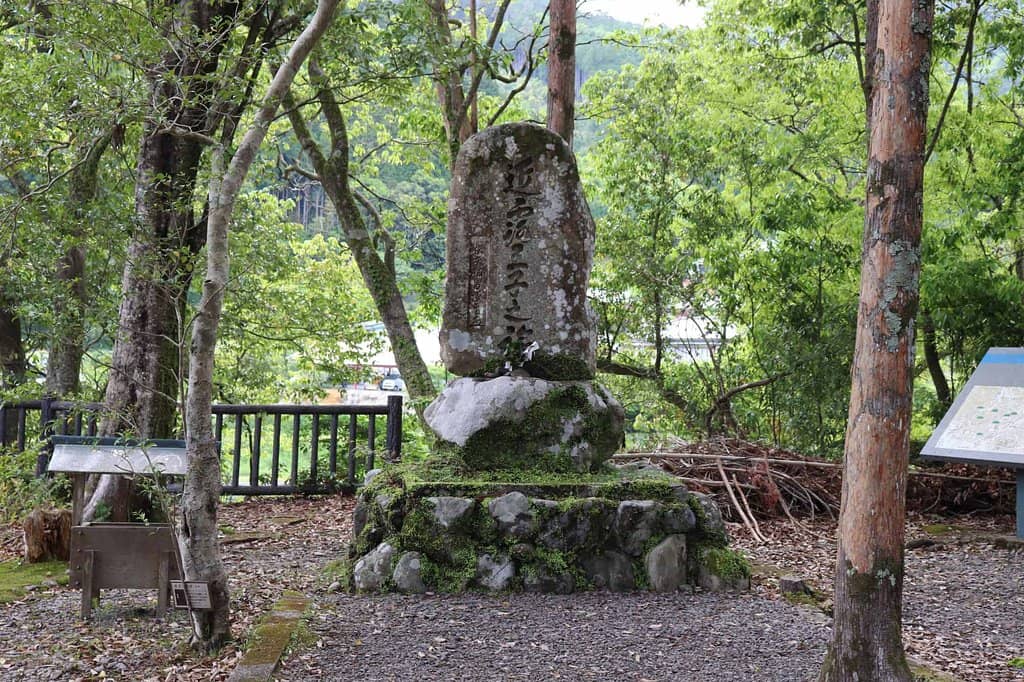
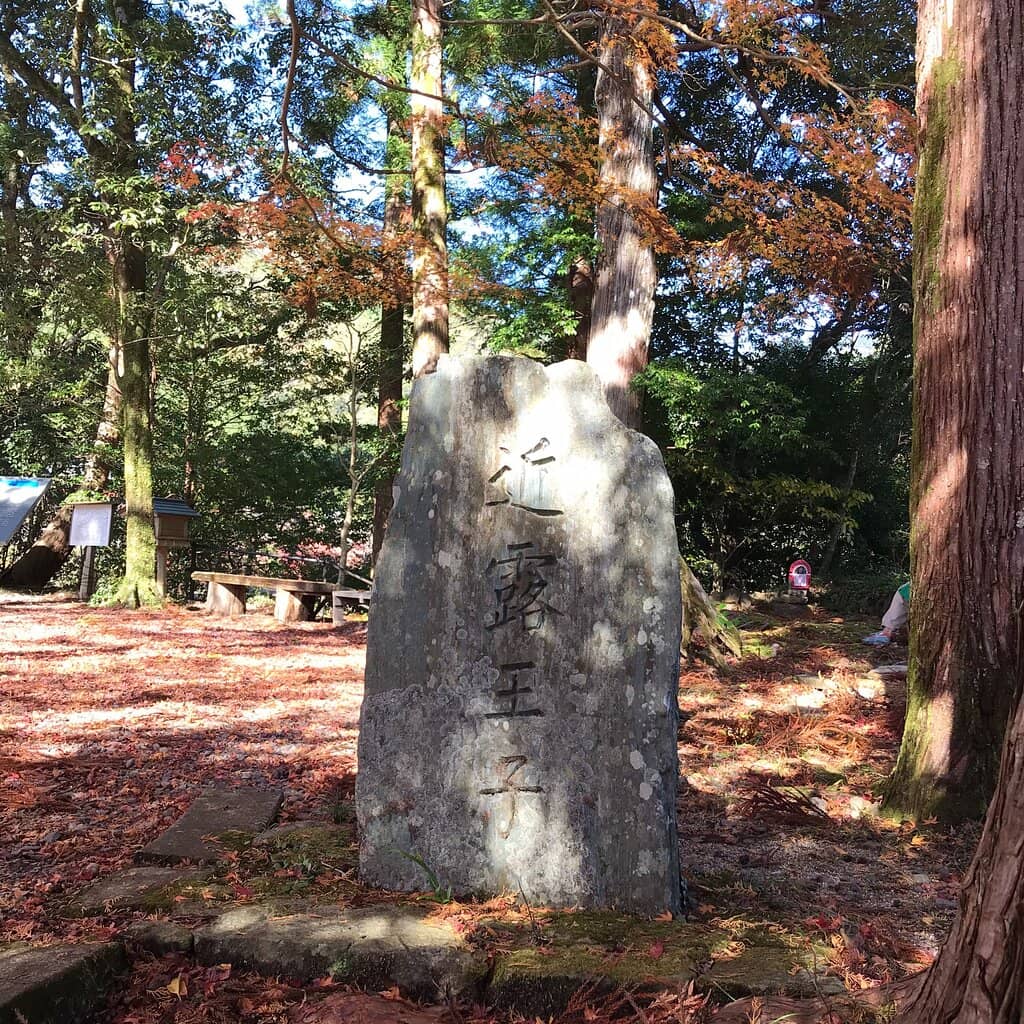
Ancient Forest Trails
Throughout the route
Meander through sacred, misty forests on ancient pilgrimage paths, immersing yourself in nature's tranquility.
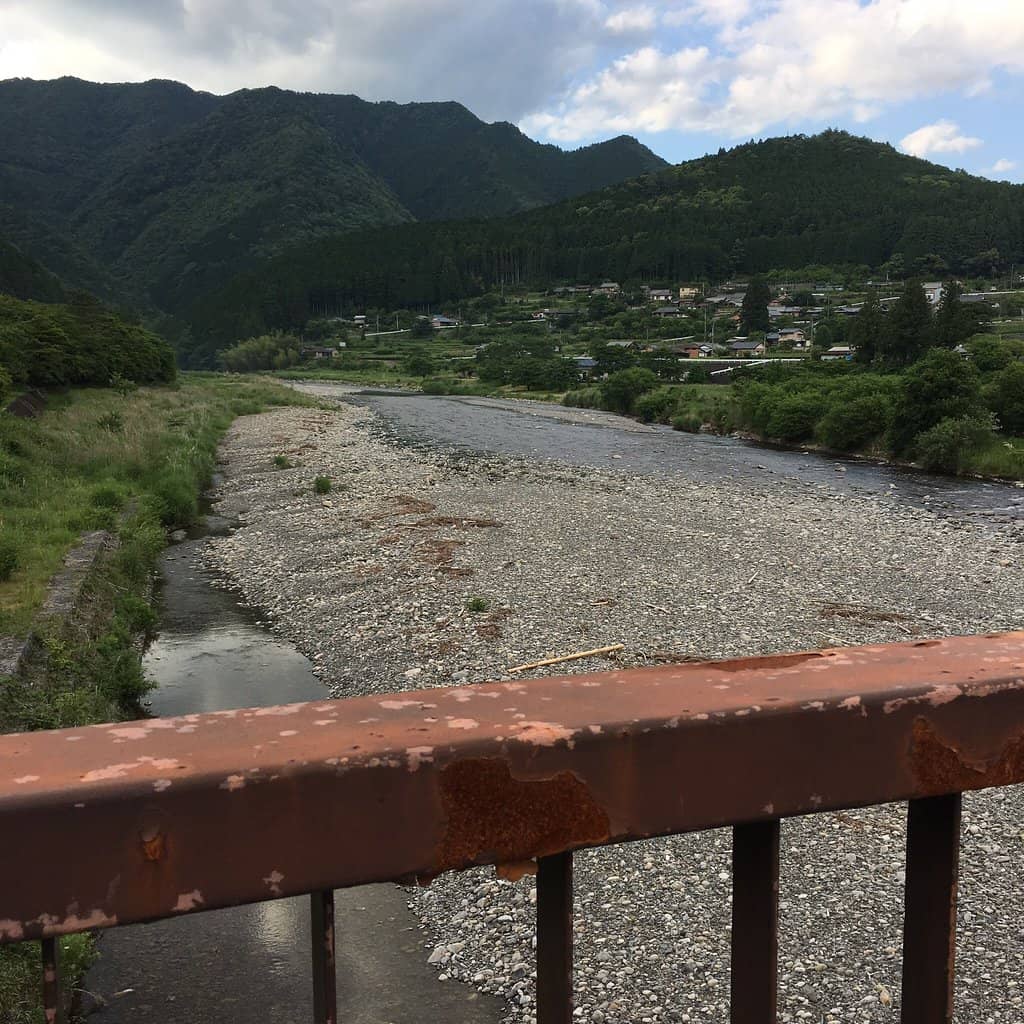
Dual Pilgrim Certificate
Completion
Earn a special certificate by completing both the Kumano Kodo and the Camino de Santiago, a unique traveler's reward.
Plans like a pro.
Thinks like you
Planning Your Visit
Book Accommodation Early
Pack Smart for the Trail
Best Times
Insider Tips
from TikTok, Instagram & Reddit
Book Accommodations Early
Secure your stays months in advance, especially in smaller villages like Koguchi. :housewithgarden:
Carry Water & Snacks
Supplies are limited on the trail. Stay hydrated and fueled for your hike. :water_wave: :apple:
Well-Marked Trails
The Nakahechi route is perfectly marked and safe, making navigation straightforward. 🧭
Consider Trekking Poles
Optional but helpful for steep ascents and descents on challenging sections. :hiking_boot:
Tips
from all over the internet
Book Accommodations Early
Secure your stays months in advance, especially in smaller villages like Koguchi. :housewithgarden:
Carry Water & Snacks
Supplies are limited on the trail. Stay hydrated and fueled for your hike. :water_wave: :apple:
Well-Marked Trails
The Nakahechi route is perfectly marked and safe, making navigation straightforward. 🧭
Consider Trekking Poles
Optional but helpful for steep ascents and descents on challenging sections. :hiking_boot:
Dual Pilgrim Opportunity
Complete both Kumano Kodo and Camino de Santiago for a special certificate. 🏅
What Travellers Say
Reviews Summary
The Kumano Kodo Nakahechi Route is a well-marked and spiritually enriching pilgrimage, offering stunning forest scenery and a sense of ancient tradition. While the trail is generally safe and manageable, hikers should be prepared for steep sections and limited food/water supplies. Booking accommodation well in advance is crucial, and some find the forest walking monotonous.
"It’s a challenging walk that needs some planning, especially on accommodation that needs to be booked well in advance. Take food and drinks with you. Poles are optional."
Philip LUTTON
"Review of the Nakahechi Kumano Kodo hike from Tanabe to Nachi Taisha in 3 days.
Pros:
- Perfectly marked trail, completely safe. (No bears seen)
- Water and food supplies are limited but sufficient. (Be careful if it's very hot, you have to manage your water)
- The shrines, the stamps, and the credential are all appreciated moments.
- There's very little walking on the roads.
- A special highlight was the arrival at Hongu Taisha at the end of day 2, which is magnificent. Everything is peaceful.
Cons:
- The walk in the forest is monotonous. and few areas with unobstructed views.
- regret: at Hongu Taisha, they have magnificent OFUDA (Compostela style) and Dual Pilgrim scallops on display. I'll long regret not asking if we could buy one.
- regret: at NACHI Taisha: I couldn't find where the Credential Certificate of Completion was signed.
Warning
Be careful, as explained on the Tanabe City Kumano Tourism Bureau "ratings" website, some sections are very steep (like Echizen Toge Pass). It's not dangerous, but it's challenging."
P P
"At Toganoki Chaya, we sell shiitake mushrooms grown on logs at low prices."
木野貴文
What People Like
What People Dislike
Frequently Asked Questions
🚇 🗺️ Getting There
Most hikers start the Nakahechi route from Tanabe. You can reach Tanabe by train from major cities like Osaka or Kyoto. From Tanabe, local buses can take you to the trailhead at Takijiri.
While the Nakahechi route is designed for walking, local buses connect some key points like Kii-Tanabe to Takijiri, and Hongu to Kii-Tanabe. Planning bus schedules is crucial for multi-day treks.
Yes, you can travel from Osaka to the starting point of the Nakahechi Route. Take a JR train to Kii-Tanabe station, which is the gateway to the Kumano Kodo.
Absolutely. From Kyoto, you can take a Shinkansen (bullet train) to Shin-Osaka and then transfer to a JR train heading towards Kii-Tanabe, the main access point for the Nakahechi Route.
Yes, luggage forwarding services are available, allowing you to send your main bags ahead to your next accommodation. This makes hiking with a lighter daypack much more comfortable.
🎫 🎫 Tickets & Entry
The Kumano Kodo Nakahechi Route itself is a public trail and does not have an entrance fee. However, you will need to pay for accommodation and any local transportation.
You don't need to book tickets for the trail itself, but booking accommodation and any guided tours well in advance is highly recommended, especially during peak seasons.
The shrines along the Kumano Kodo, such as Kumano Hongu Taisha, are generally accessible during daylight hours. Specific opening times for inner sanctuaries may vary.
Yes, you can obtain a pilgrim passport (similar to the Camino de Santiago) at various points along the route, where you can collect stamps. Completing the route allows you to get a Dual Pilgrim Certificate.
Generally, there are no major restrictions for visiting the Nakahechi Route. However, always be mindful of the natural environment and local customs.
🎫 🚶 Onsite Experience
The Nakahechi Route can be hiked in 3 to 5 days, covering approximately 70km. The duration depends on your pace and how much time you spend exploring. 
The Nakahechi Route is considered moderately challenging. It involves steep ascents and descents, with some sections being quite strenuous, like the Echizen Toge Pass.
Yes, there are various accommodation options, including minshuku (guesthouses), ryokan (traditional inns), and some hotels in larger towns. Booking in advance is crucial.
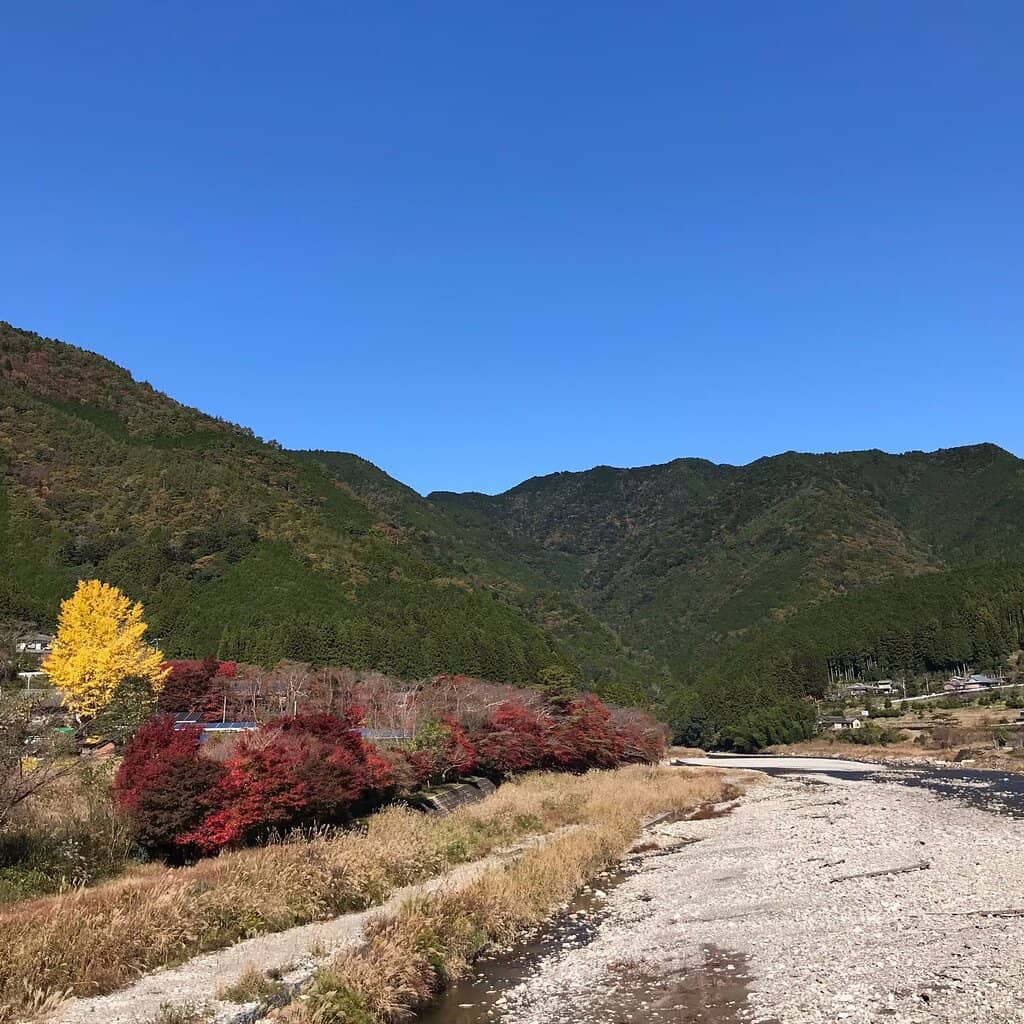
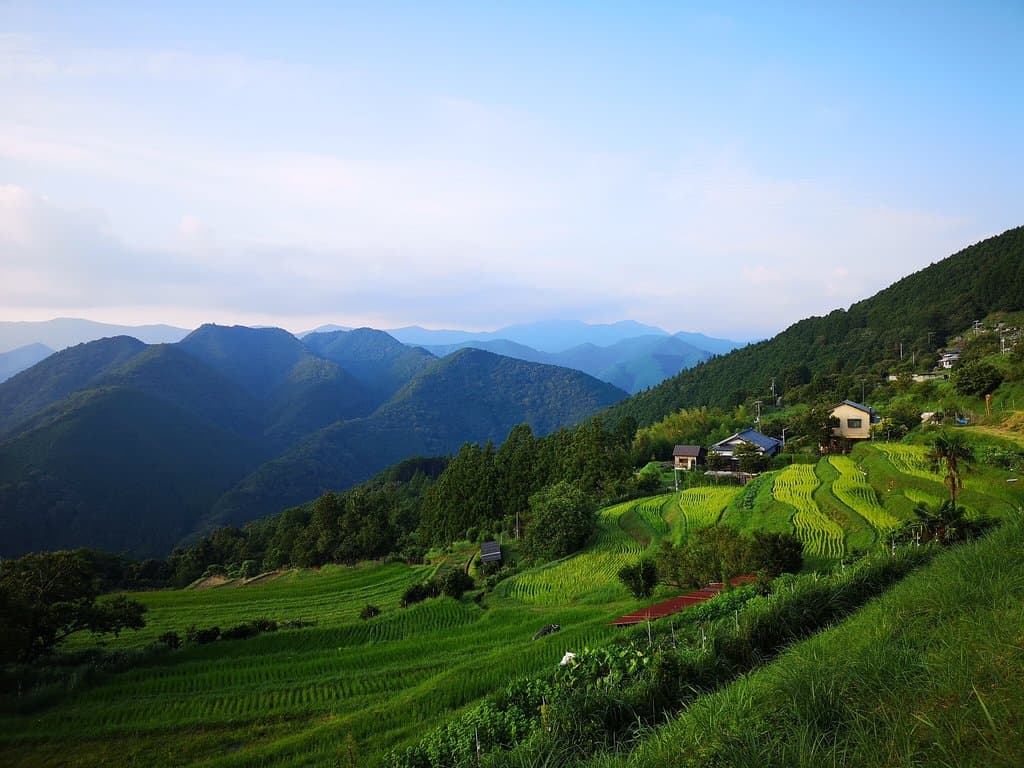
You'll experience diverse scenery, from dense, ancient forests and misty mountains to charming rural villages and waterfalls. Some find the forest sections monotonous, while others find them peaceful.
The trail is very well-marked and considered safe, even for solo hikers. However, it's always wise to inform someone of your itinerary and carry a communication device.
🍽️ 🍽️ Food & Dining
Food and drink options are limited, especially between villages. Small shops and chaya (teahouses) are found at intervals, but it's best to carry your own supplies.
In the villages, you can typically find local Japanese cuisine at minshuku and ryokan. Expect traditional dishes, often featuring local ingredients.
Finding strictly vegetarian or vegan options can be challenging in rural Japan. It's advisable to communicate your dietary needs in advance when booking accommodation or dining.
Yes, there are some small shops and chaya that sell snacks and drinks, but their availability can be sporadic. It's safer to stock up in larger towns before you start a long hiking day.
Toganoki Chaya is noted for selling locally grown shiitake mushrooms at affordable prices, offering a unique local product to hikers.
📸 📸 Photography
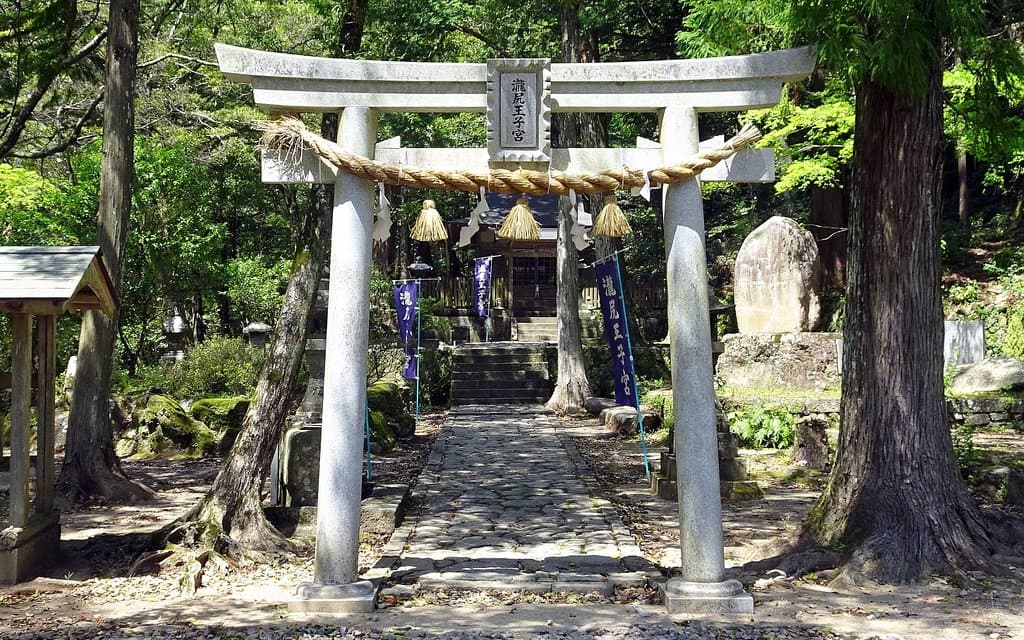
Capture the misty ancient forests, serene shrines like Kumano Hongu Taisha, charming villages, and the iconic Nachi Falls. The changing light in the forest can be magical.
Early mornings and late afternoons often provide the best light for photography, especially in the dense forests, creating a mystical atmosphere.
Drone usage is generally restricted in national parks and sacred sites in Japan to preserve the tranquility and respect the environment. Check local regulations before flying.
A lightweight mirrorless camera or a good smartphone is ideal. Consider a wide-angle lens for landscapes and a sturdy tripod if you plan on capturing low-light forest scenes.
Focus on details like the ancient cedar trees, moss-covered stones, shrine architecture, and the expressions of fellow pilgrims to convey the spiritual journey.

Social
from TikTok, Instagram & Reddit