
Yunomine Onsen Tsubo-yu
Step into history at Tsubo-yu, Japan's oldest onsen, a UNESCO site in Yunomine Onsen. Experience ancient bathing rituals and cook eggs in natural hot ...
Highlights
Must-see attractions

Social
From TikTok & Reddit
Best Time
Fewer crowds, more peaceful soak
Yunomine Onsen Tsubo-yu
Best Time
Fewer crowds, more peaceful soak
Highlights
Must-see attractions
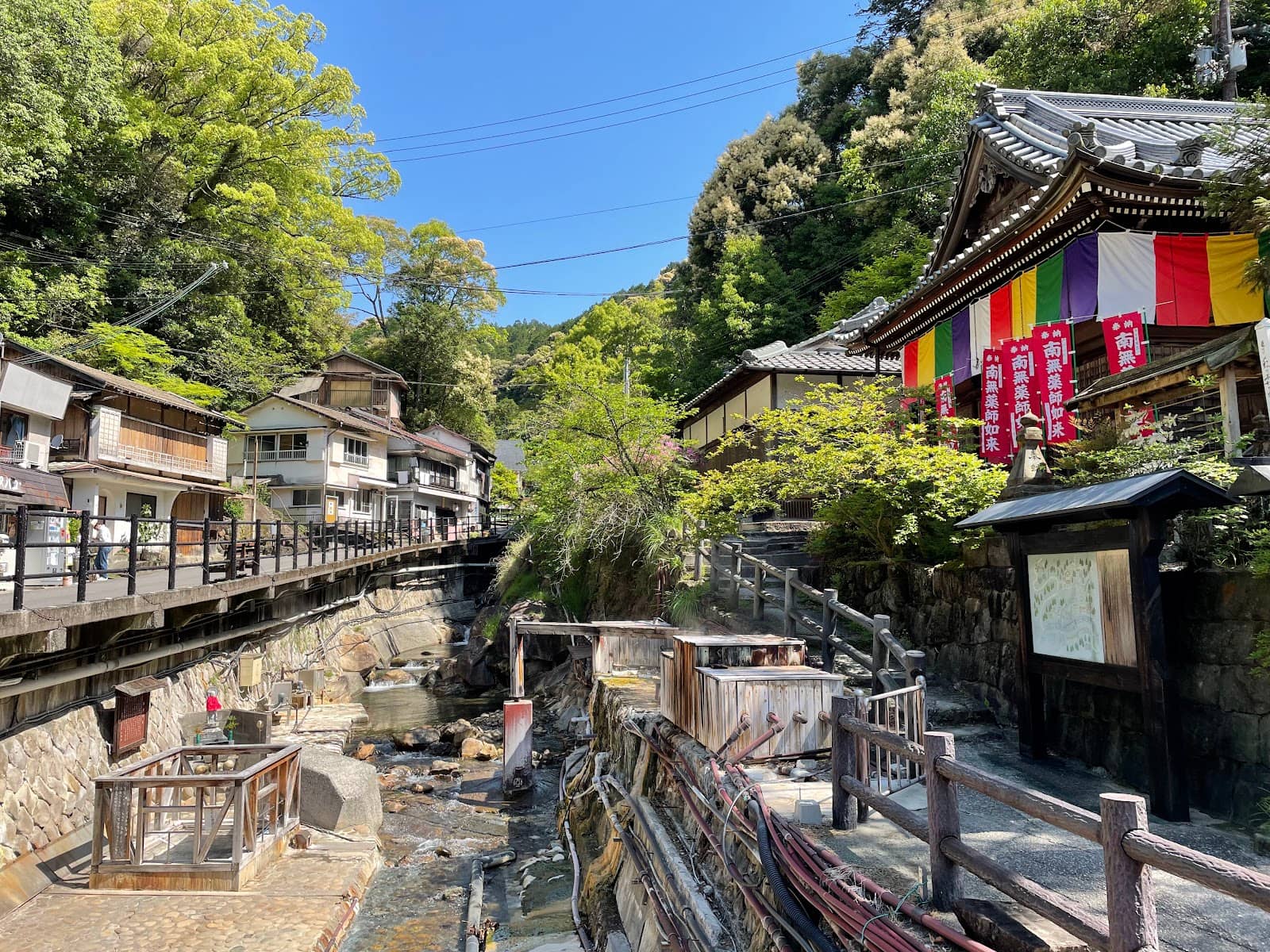
Step into history at Tsubo-yu, Japan's oldest onsen, a UNESCO site in Yunomine Onsen. Experience ancient bathing rituals and cook eggs in natural hot springs.
"A truly unique and historic onsen experience, like stepping back in time!"
Bring Your Own Towel
Tsubo-yu does not provide towels. Remember to bring your own or purchase one nearby. :beachwithumbrella:
Pre-Shower is Key
There are no showers inside Tsubo-yu. Please shower before entering the bath. 🚿
Quick Facts
Hours
Rating
4.6 · 653 reviews
Type
Tourist Attraction
Highlights
Discover the most iconic attractions and experiences
Tsubo-yu: The Ancient Bath
Yunomine Onsen Village
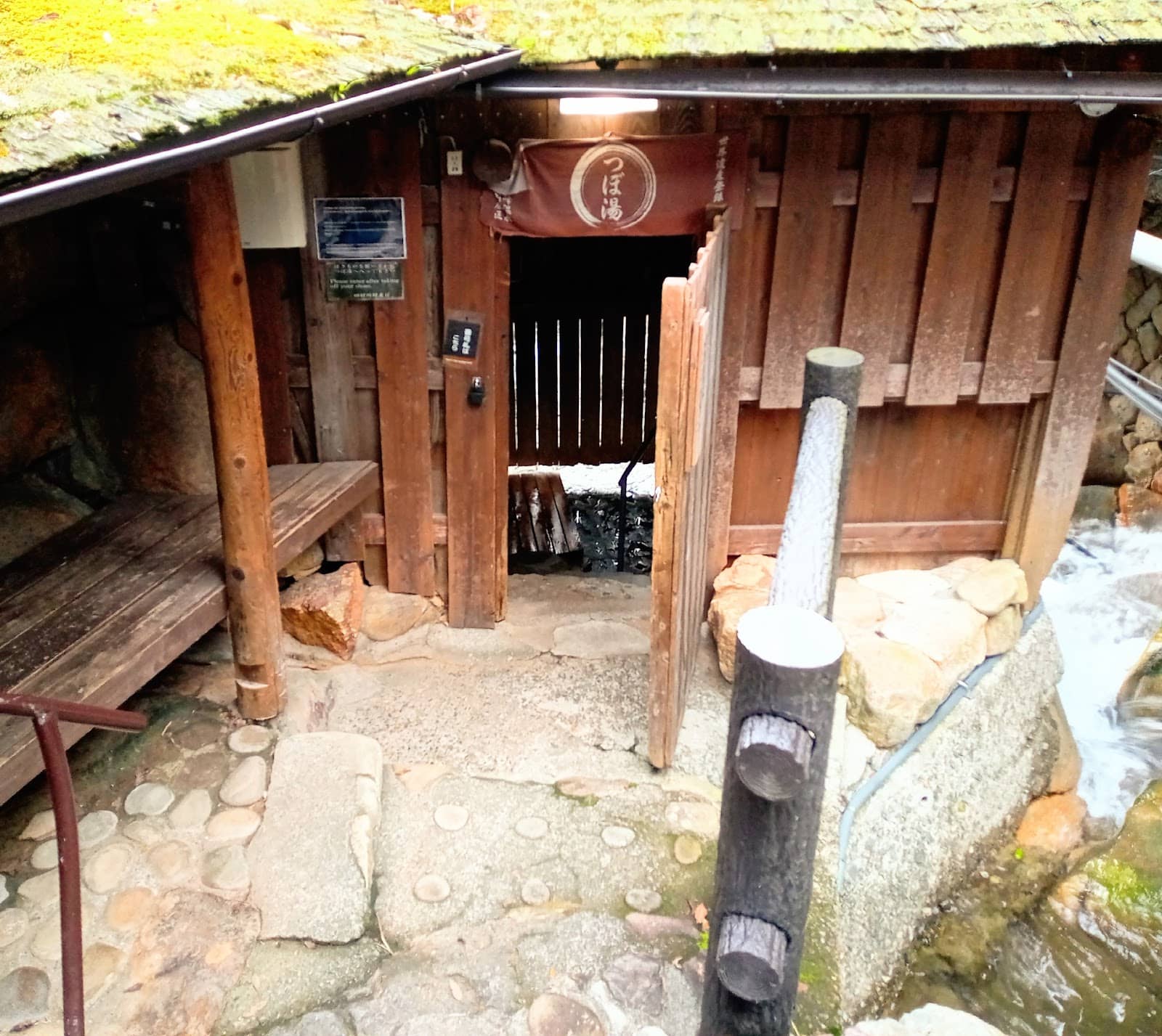
Experience Japan's oldest onsen, a UNESCO World Heritage site. This tiny wooden cabin holds a historic hot spring bath.
 +1
+1Communal Cooking Pool
Yunomine Onsen Village
Boil eggs and vegetables in the natural hot spring water. A unique and delicious way to experience the onsen's power.
+1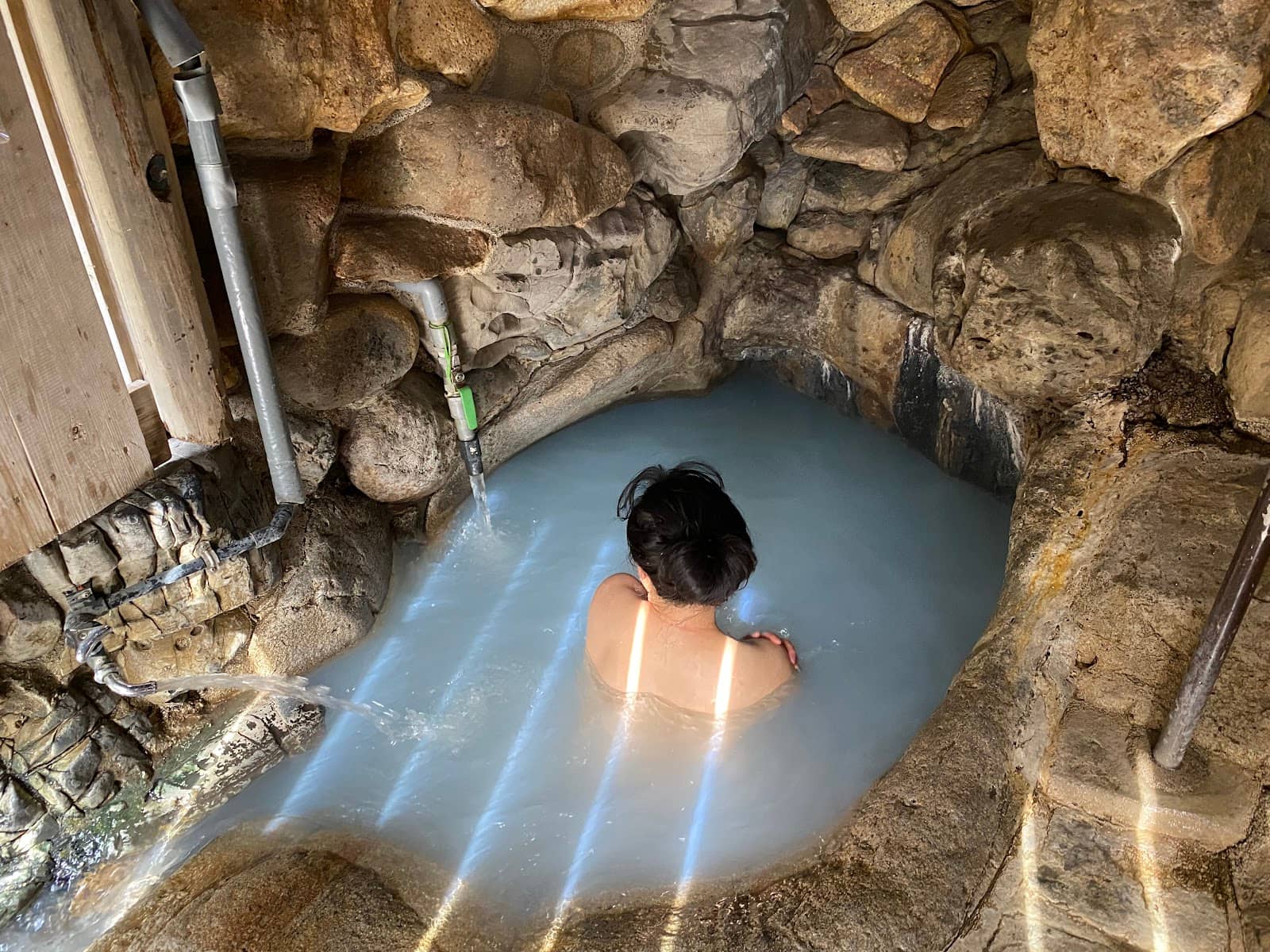
Kumano Kodo Pilgrimage Route
Near Yunomine Onsen
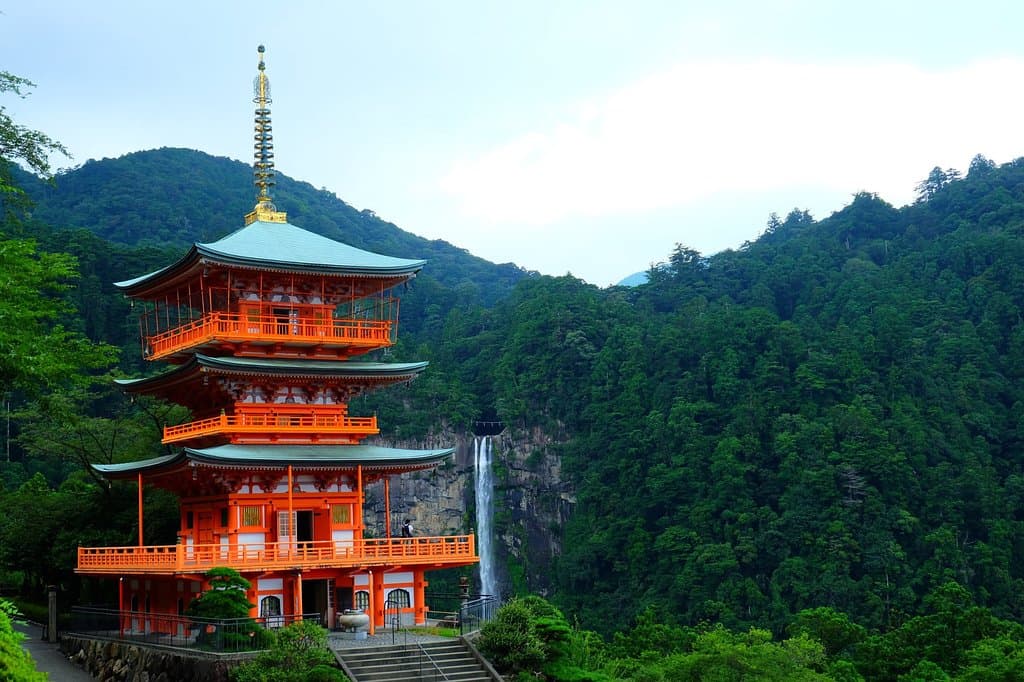
Yunomine Onsen is a historic stop on the ancient Kumano Kodo pilgrimage. Immerse yourself in spiritual history.
+1Plans like a pro.
Thinks like you
Planning Your Visit
Book Your Tsubo-yu Slot Early
Prepare for the Sulfur Scent
Best Times
Insider Tips
from TikTok, Instagram & Reddit
Bring Your Own Towel
Tsubo-yu does not provide towels. Remember to bring your own or purchase one nearby. :beachwithumbrella:
Pre-Shower is Key
There are no showers inside Tsubo-yu. Please shower before entering the bath. 🚿
Adjust Water Temperature
The onsen water can be very hot! Use the cold water outlet to cool it down to your comfort level. :droplet:
Cook Your Own Onsen Eggs
Buy raw eggs from local shops and cook them in the communal hot spring pool for a tasty snack. :egg:
Tips
from all over the internet
Bring Your Own Towel
Tsubo-yu does not provide towels. Remember to bring your own or purchase one nearby. :beachwithumbrella:
Pre-Shower is Key
There are no showers inside Tsubo-yu. Please shower before entering the bath. 🚿
Adjust Water Temperature
The onsen water can be very hot! Use the cold water outlet to cool it down to your comfort level. :droplet:
Cook Your Own Onsen Eggs
Buy raw eggs from local shops and cook them in the communal hot spring pool for a tasty snack. :egg:
Tattoo Policy Check
While Tsubo-yu is a private bath, some onsens have strict tattoo policies. It's wise to inquire beforehand if you have visible tattoos. 💁
What Travellers Say
Reviews Summary
Visitors consistently praise Tsubo-yu for its historical significance as Japan's oldest onsen and its unique UNESCO World Heritage status. The experience of cooking eggs in the communal hot springs is a highlight, offering a fun and delicious interaction with the natural environment. However, some find the wait times for Tsubo-yu to be long, and the intense heat of the water requires careful management.
"You need to bring your own towel. There’s no queue for the public bath, but if you want to try the special blue onsen, you’ll need to purchase an additional ticket. The blue onsen allows 1–2 people at a time for 30 minutes per session. When buying the ticket, you’ll be informed of the wait time. You can also buy onsen eggs nearby."
Mia Li
"This is the oldest hot spring in Japan. Strong smell of sulphur in the area. It is also part of kumano kodo pilgrimage area. Pilgrims soaked here to purify themselves before visiting kumano shrines. The color of the hot spring water changes several times a day due to natural minerals. You are allowed to buy eggs at the nearby convenient stores and cook in the boiling hot spring water. It will cook in about 12 minutes. You can pay small amount of money to bathe in a tub of a tiny stone hut privately about 30 minutes per session, but it is a long wait."
FLY ONN
"Great experience! Tsuboyu was quite an experience.
1) buy the tickets at the automated machine close to the normal onsen (800yen); the person there will give you a number
2) buy towels there or bring your own
3) line up (if necessary) according to the number you received
4) remember: shower before coming here, there are no showers
5) enter the barrack after taking off your shoes
6) check the water temperature: if it is too hot, you can use the massive water outlet to cool it down (recommended)
7) mix the water with the wooden stick
8) enjoy!
9) use the small warm water tap to fill the buckets and rinse yourself"
Giorgio Davanzo
What People Like
What People Dislike
Frequently Asked Questions
🚇 🗺️ Getting There
Yunomine Onsen is located in Wakayama Prefecture. The nearest major station is Kii-Tanabe Station. From there, you can take a bus towards Yunomine Onsen. The journey can take a few hours, so plan accordingly.
Yes, there is free parking available near the Minshuku (Japanese inns) and the public onsen facilities.
Yes, it's possible to visit Yunomine Onsen as a day trip, especially if you are traveling along the Kumano Kodo pilgrimage route. However, staying overnight allows for a more relaxed experience.
Local buses connect Yunomine Onsen to other key points along the Kumano Kodo, such as Kii-Tanabe Station and Hongu Town. Check bus schedules in advance.
Yes, Yunomine Onsen is accessible by bus from Kii-Tanabe Station, making it reachable for those relying on public transportation.
🎫 🎫 Tickets & Entry
The entrance fee for Tsubo-yu is ¥800 per person for a 30-minute session. You can purchase tickets from an automated machine near the public bath. +1
Tsubo-yu operates on a first-come, first-served basis. There's no advance booking system, so be prepared for potential wait times.
The operating hours can vary, but it's generally open during daylight hours. It's best to check locally or with your accommodation for the most up-to-date information.
Tsubo-yu is a private bath, so it's generally more accommodating for those with tattoos than larger public onsens. However, it's always a good idea to confirm policies beforehand.
Yes, there's a separate ticket for Tsubo-yu, which is a special blue onsen. The regular public bath has a different entry fee.
🎫 ♨️ Onsite Experience
The water in Tsubo-yu can be very hot, often around 90°C (194°F). It's recommended to use the cold water tap to cool it down to a comfortable temperature before bathing.
Absolutely! You can buy raw eggs from nearby shops and cook them in the communal hot spring pools, known as Yuzutsu. They typically cook in about 12 minutes. +1
Bring your own towel, a change of clothes, and perhaps a small bag for your belongings. You can also bring items to cook in the communal pool.
There are no showers inside Tsubo-yu itself. It's customary to shower and clean yourself thoroughly before entering the bath.
Yunomine Onsen is historically significant as it's part of the Kumano Kodo pilgrimage route and is recognized as Japan's oldest onsen. Pilgrims historically used its waters for purification. +1
📸 📸 Photography
Photography inside the tiny Tsubo-yu bath itself is generally discouraged to respect the privacy of other bathers. However, you can take photos of the exterior and the surrounding village.
The charming wooden cabins, the steaming pipes, the communal cooking pools, and the scenic riverside offer great photographic opportunities. Capture the unique atmosphere of this historic village.
Yes, taking photos while cooking eggs in the Yuzutsu is a popular and encouraged activity, showcasing the unique culinary aspect of Yunomine Onsen.
As with most historical and natural sites in Japan, drone usage may be restricted. It's advisable to check local regulations before flying a drone.
A versatile camera with good low-light capabilities is ideal for capturing the atmospheric steam and rustic charm. A wide-angle lens can help capture the intimate setting of Tsubo-yu.





Social
from TikTok, Instagram & Reddit