
Tateyama Caldera Sabo Museum
Discover Japan's engineering marvels in disaster prevention and the unique geology of the Tateyama Caldera. A must-visit before or after the Alpine Ro...
Highlights
Must-see attractions

Social
From TikTok & Reddit
Best Time
Ideal for exploring the Alpine Route
Tateyama Caldera Sabo Museum
Best Time
Ideal for exploring the Alpine Route
Highlights
Must-see attractions
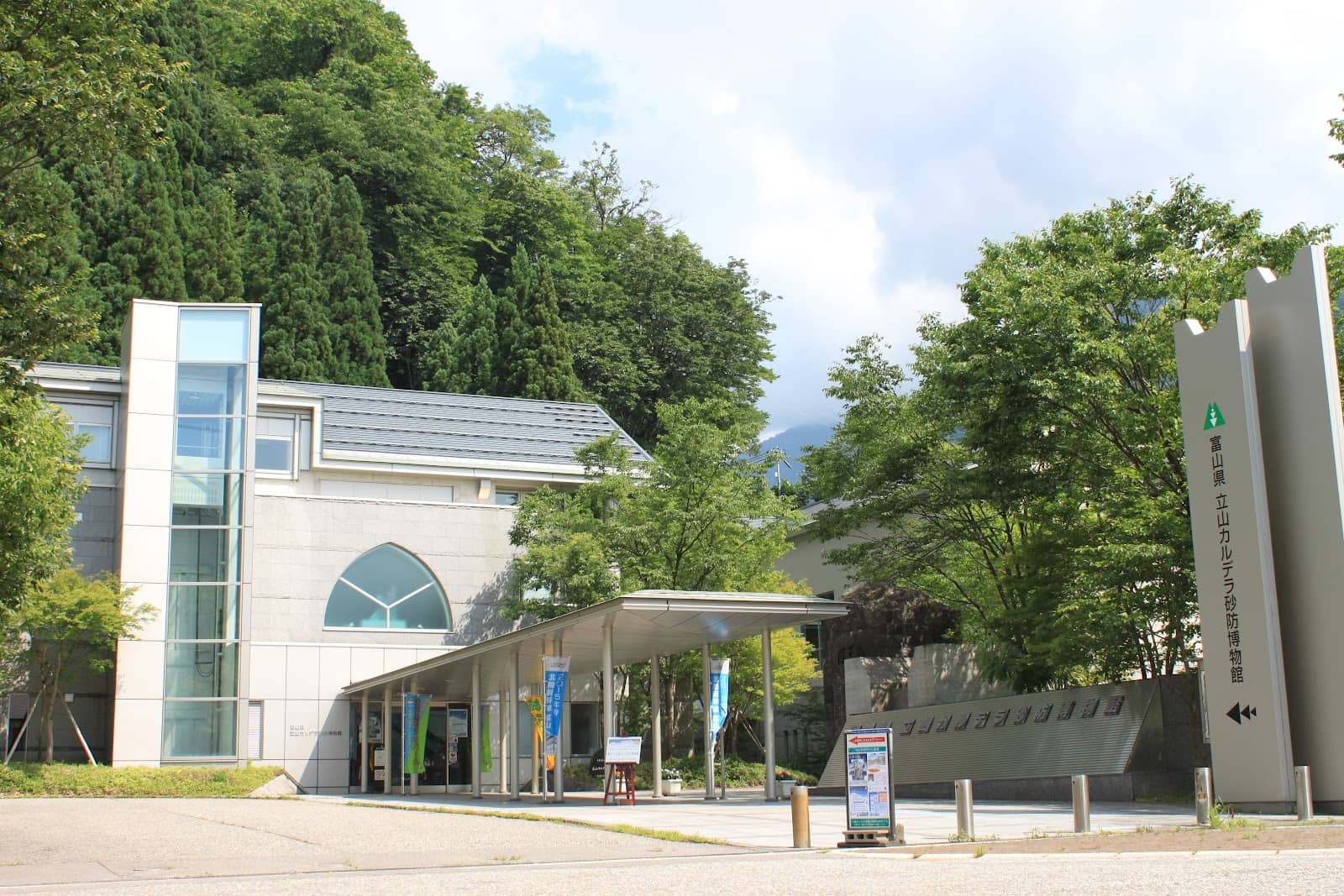
Discover Japan's engineering marvels in disaster prevention and the unique geology of the Tateyama Caldera. A must-visit before or after the Alpine Route.
"Extremely informative & entertaining providing a good historical & geographical view of the area. "
🎒 Student Access
Students get full access to all museum exhibits, making it a great value!
🚶 Easy to Find
A short walk from the station, the museum is well-signposted and staff are friendly.
Quick Facts
Hours
Rating
4.3 · 415 reviews
Type
Museum
Highlights
Discover the most iconic attractions and experiences
Erosion Control Technology
Outdoor exhibits
See real rail and trolley trains used for soil erosion control, showcasing Japanese engineering prowess.
Geology and Natural History
Indoor exhibits
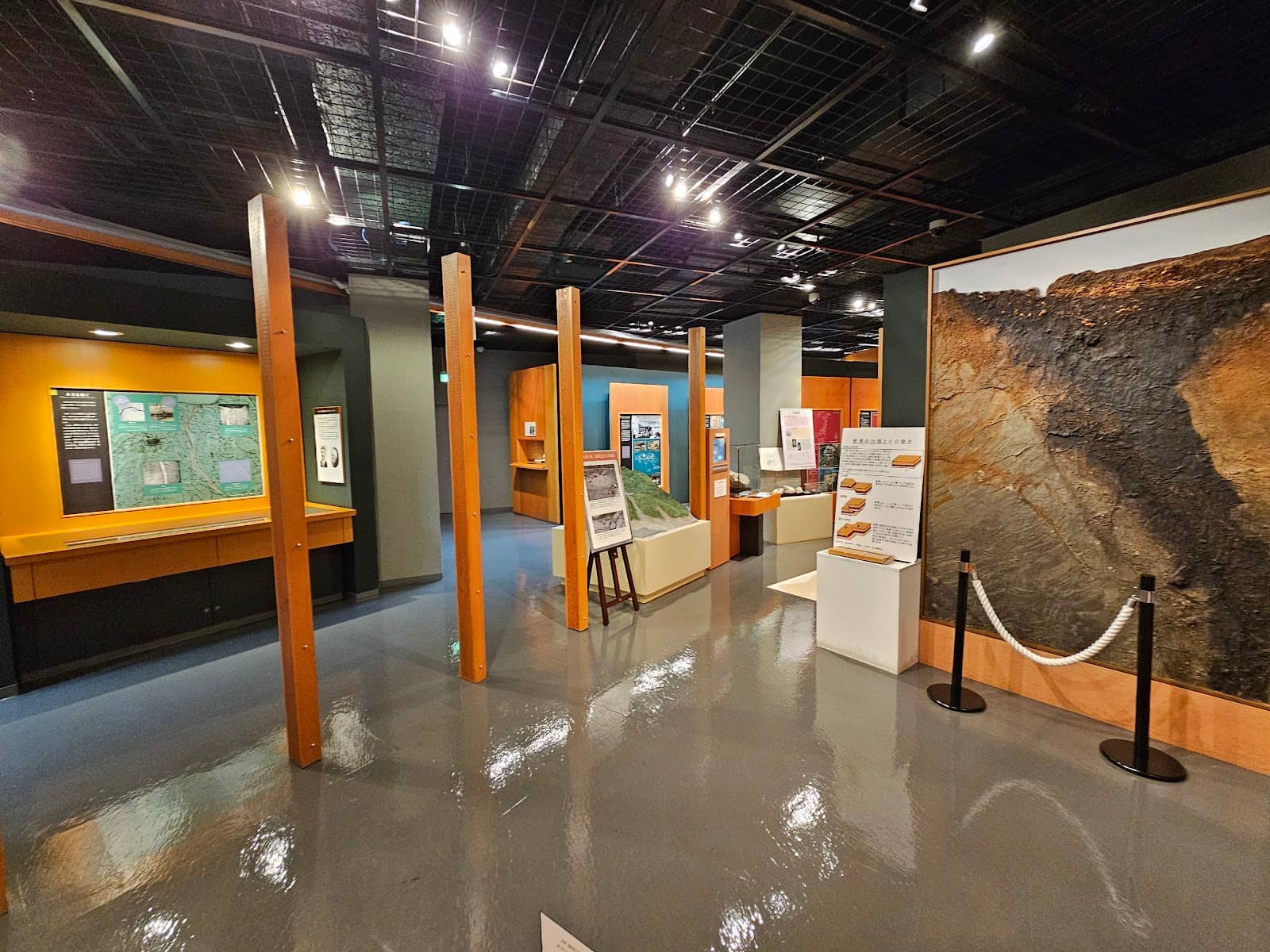
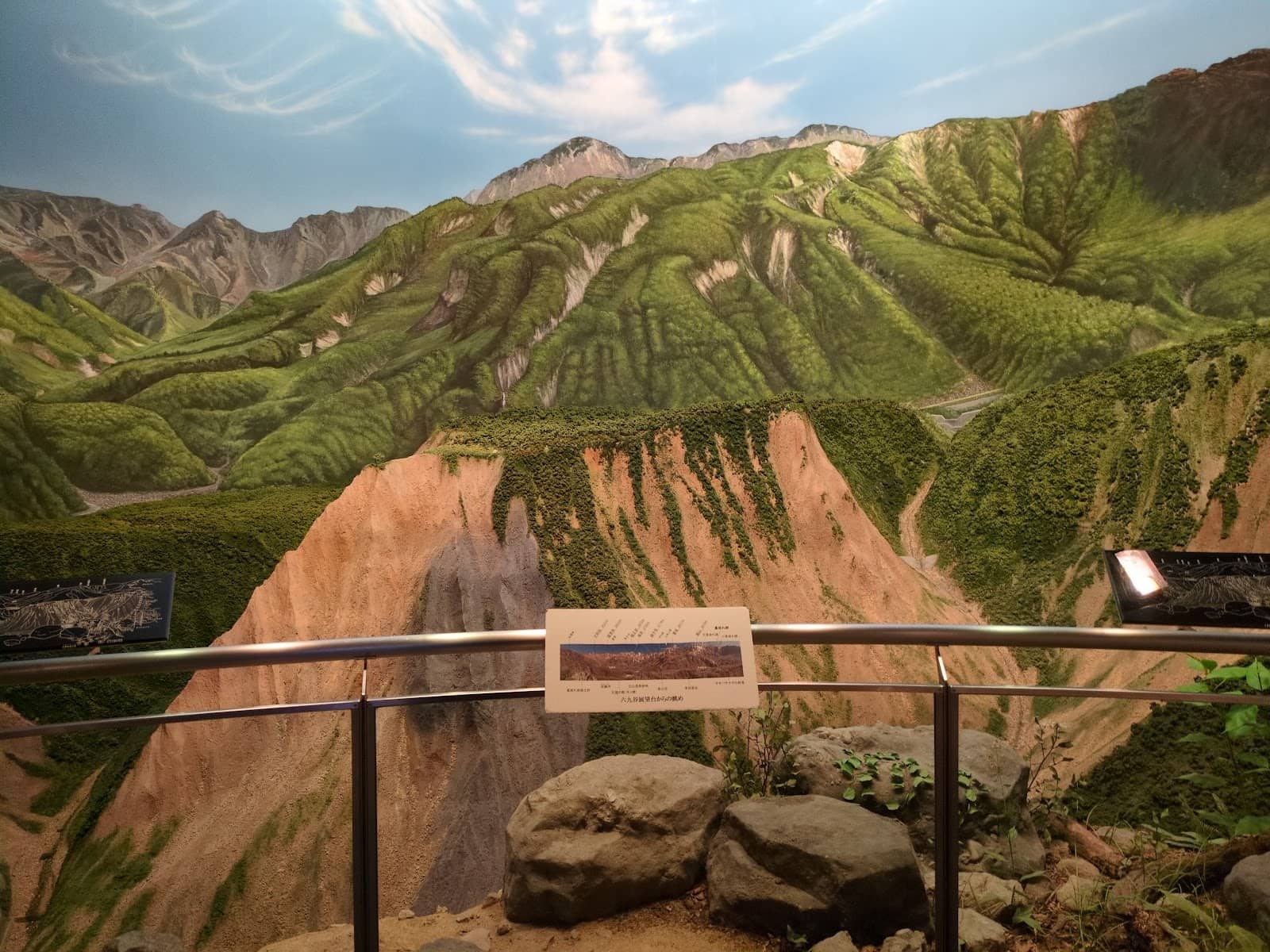
Gain knowledge about the Tateyama area's wildlife, botany, geology, and traditional culture.
Snow Crystal Time-lapse
Special exhibits
Witness mesmerizing time-lapses of snow crystals forming, offering a unique perspective on winter in Tateyama.

Plans like a pro.
Thinks like you
Planning Your Visit
Understand the Tateyama Caldera
Access and Exhibits
Best Times
Insider Tips
from TikTok, Instagram & Reddit
🎒 Student Access
Students get full access to all museum exhibits, making it a great value!
🚶 Easy to Find
A short walk from the station, the museum is well-signposted and staff are friendly.
❄️ Winter Wonders
Don't miss the special exhibits on snow crystals during the winter months.
🏞️ Pre/Post Alpine Route
Visit before or after the Tateyama Kurobe Alpine Route for context.
Tips
from all over the internet
🎒 Student Access
Students get full access to all museum exhibits, making it a great value!
🚶 Easy to Find
A short walk from the station, the museum is well-signposted and staff are friendly.
❄️ Winter Wonders
Don't miss the special exhibits on snow crystals during the winter months.
🏞️ Pre/Post Alpine Route
Visit before or after the Tateyama Kurobe Alpine Route for context.
What Travellers Say
Reviews Summary
Visitors praise the Tateyama Caldera Sabo Museum for its informative exhibits on the region's geology, wildlife, and advanced erosion control technology. It's considered a valuable stop before or after experiencing the Tateyama Kurobe Alpine Route, offering a good historical and geographical perspective with friendly staff. +1
"Nice museum to visit before and after exploring Tateyama-Kurobe alpen route. You can learn much about Tateyama area, such as wild life, botany, geology, traditional culture. You can see some part of the museum for free, and if you are students, you can go entire part of the museum. Outside the museum, there are some rail and trolley train, which is still used for soil erosion control works."
Mirai High and
"Nice museum in Tatyama if you go there you can more knowledge of Tateyama."
Nalinda Premadasa
"Very good museum, well worth visiting. A short walk from the station, easy to find with very friendly staff. Extremely informative & entertaining providing a good historical & geographical view of the area"
Richard Webster
What People Like
What People Dislike
Frequently Asked Questions
🚇 🗺️ Getting There
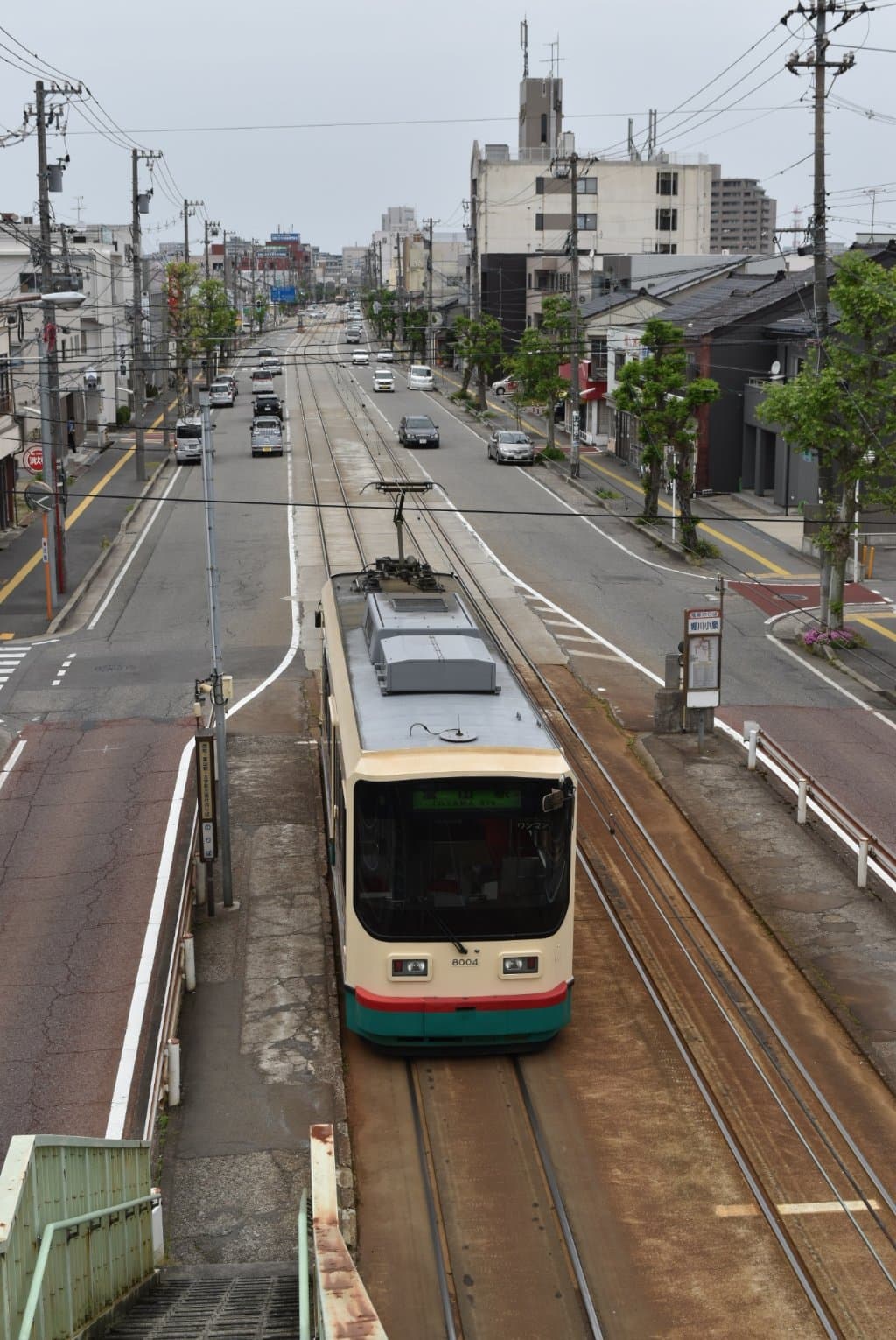
The museum is conveniently located a short walk from the Tateyama station, which is accessible via the Toyama Chihou Railway. If you're traveling from Toyama station, you can take the Shinkansen to Shin-Kurobe station and then transfer to the local train.
Yes, the museum is a great starting or ending point for exploring the Tateyama Kurobe Alpine Route, offering context to the natural landscape.
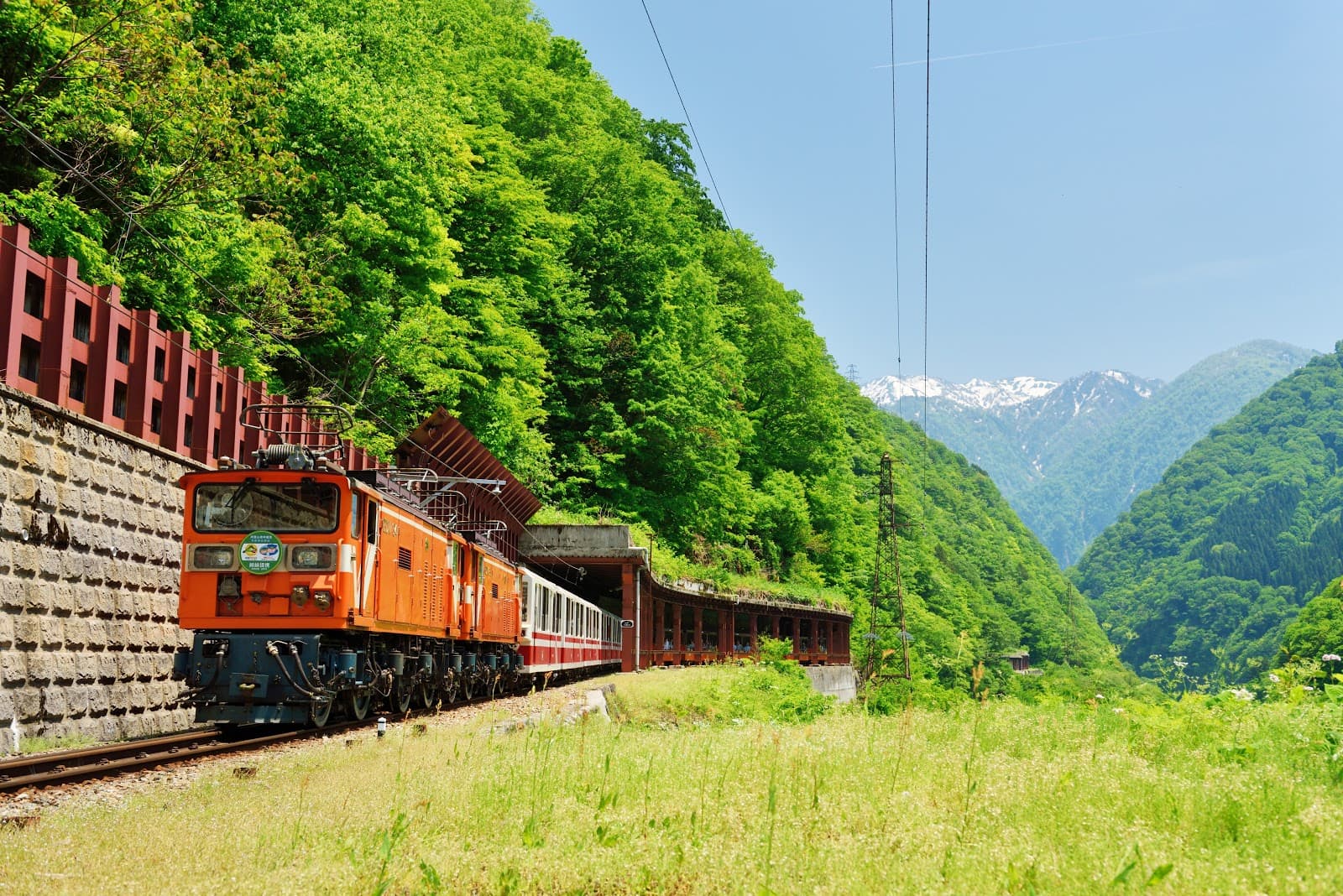
The Tateyama Alpine Route itself involves multiple modes of transport, including trains, cable cars, and buses. The Kurobe Gorge Railway is also a popular scenic train ride in the region. +2
Absolutely! The museum provides fascinating insights into the region's geology and disaster prevention technology, making it a worthwhile visit on its own.
Information on parking is not widely available, but given its proximity to the station, public transport is the recommended way to reach the museum.
🎫 🎫 Tickets & Entry
Parts of the museum are free to enter. Students can access the entire museum, while general admission details for the full experience are best confirmed on-site or via their official channels.
Yes, students receive access to the entire museum, which is a significant benefit.
Opening hours can vary seasonally. It's advisable to check the official website or contact the museum directly for the most up-to-date information, especially if planning a winter visit for special exhibits.
Advance booking is generally not required for the museum itself, but it's always a good idea to check for any special exhibitions or group visit policies.
The museum is generally well-regarded for its friendly staff and ease of access from the station, suggesting good accessibility.
🎫 🏞️ Onsite Experience
You can learn about the region's geology, wildlife, and traditional culture, as well as see impressive erosion control technology. Special exhibits like snow crystal time-lapses are also featured.
Yes, the museum features outdoor exhibits showcasing the rail and trolley trains used for soil erosion control, offering a glimpse into practical engineering.
The museum offers educational content about nature and technology that can be engaging for children, especially with the visual displays and outdoor equipment.
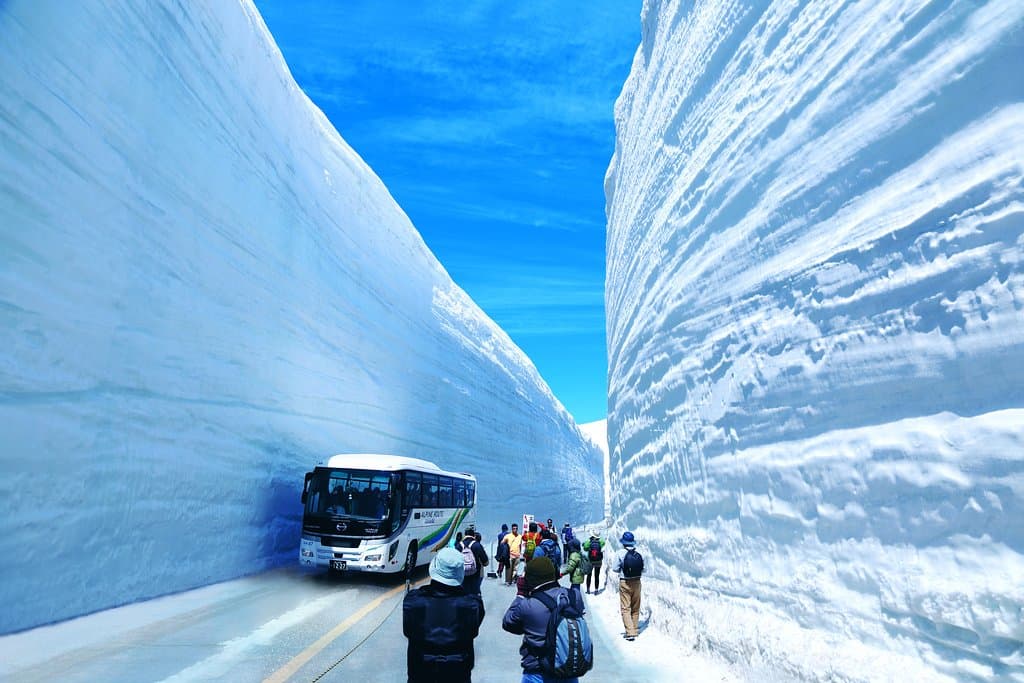
The nickname 'Switzerland of Japan' is often used to describe the stunning alpine scenery of the Tateyama area, particularly the Tateyama Kurobe Alpine Route, due to its dramatic mountain landscapes and natural beauty. +1
The Tateyama Caldera is a large volcanic caldera known for its dramatic geological features and the challenges it presents for natural disaster control, which the museum's exhibits address.
📸 📸 Photography
Capture the unique outdoor erosion control equipment and the fascinating snow crystal time-lapses. The surrounding natural beauty of Tateyama also offers stunning photographic potential.
Photography policies can vary. It's best to check for signage within the museum or ask staff if photography is permitted in all exhibit areas.
Early morning or late afternoon light can be spectacular for landscape photography in the Tateyama region, especially during autumn or spring.
The outdoor exhibits with the rail and trolley trains offer a unique industrial-meets-nature shot. The snow crystal displays are also visually striking.
A versatile lens (e.g., 24-70mm) is useful for landscapes and details. A wide-angle lens can capture the grand scale of the mountains, and a tripod is helpful for low-light conditions or time-lapses.


Social
from TikTok, Instagram & Reddit