Toba Sea-Folk Museum
A unique museum celebrating Japan's maritime heritage, featuring a vast collection of boats and insights into Ama diver culture.
Highlights
Must-see attractions

Social
From TikTok & Reddit
Best Time
Fewer crowds, more peaceful exploration
Toba Sea-Folk Museum
Best Time
Fewer crowds, more peaceful exploration
Highlights
Must-see attractions
A unique museum celebrating Japan's maritime heritage, featuring a vast collection of boats and insights into Ama diver culture.
"An eye-opening experience with a unique focus on sea folk and impressive boat displays."
Allow ample time
Plan for 2-3 hours to fully explore the 5 buildings and diverse exhibits.
Use a translation app
While some English is available, a translation app enhances understanding of exhibits.
Quick Facts
Hours
Rating
4 · 729 reviews
Type
Museum
Highlights
Discover the most iconic attractions and experiences
Traditional Boat Collection
Boat House
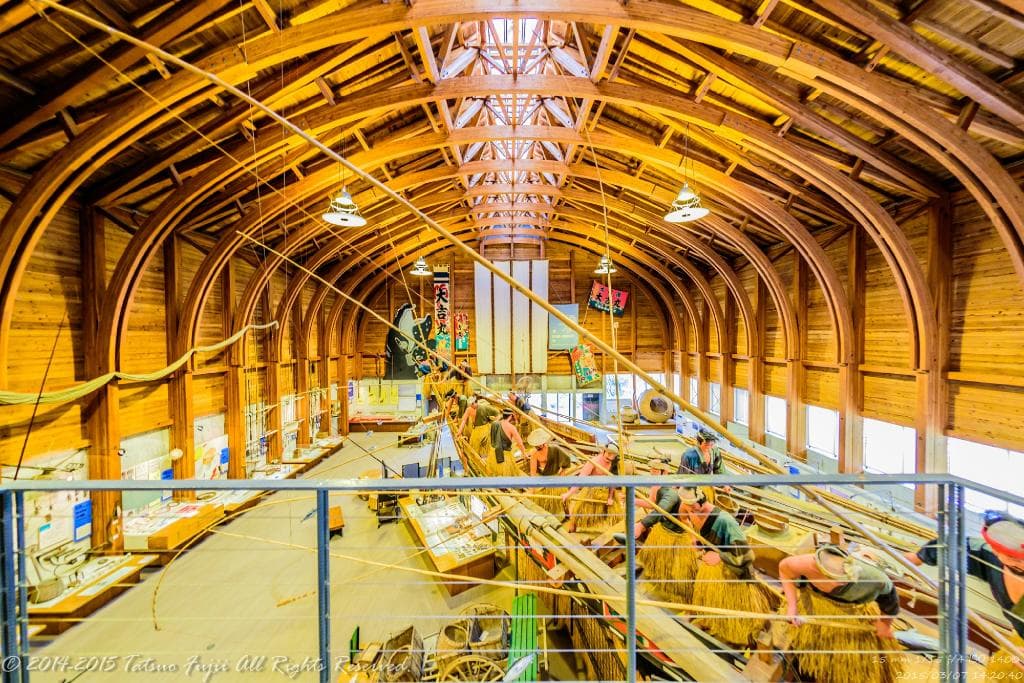
An awe-inspiring display of over 90 traditional fishing boats, showcasing Japanese woodworking and maritime heritage.
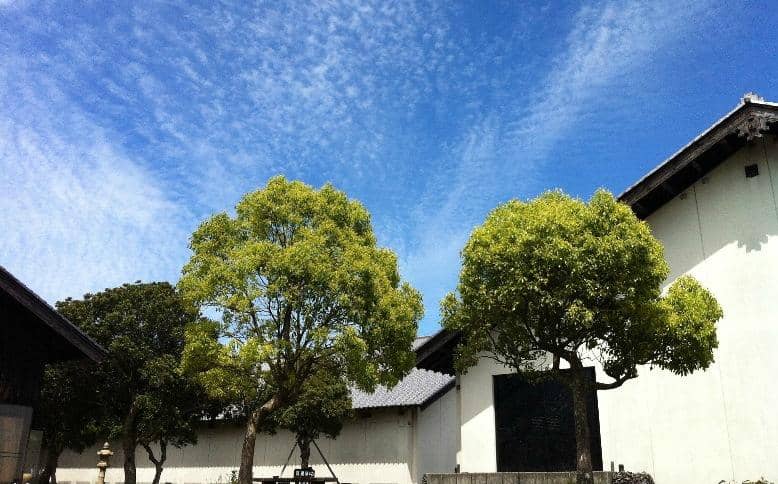
Ama Diver Exhibits
Ama Diver Hall
Learn about the fascinating history and unique culture of Japan's female free divers, the Ama.
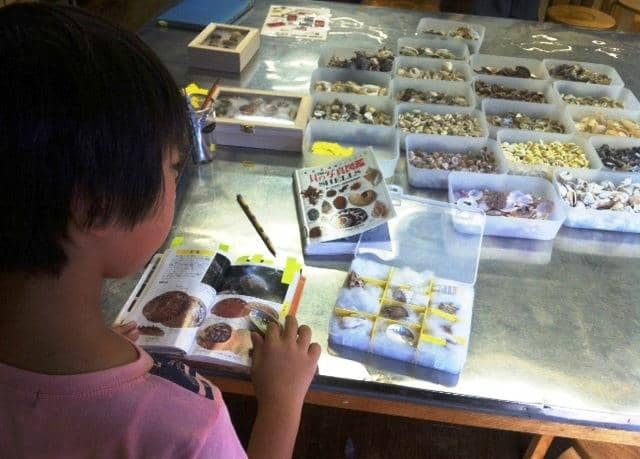
Mini Submarine Experience
Interactive Exhibit Area
Climb inside a real submarine that surveyed the Tsugaru Strait – a hit with kids and adults alike.
Plans like a pro.
Thinks like you
Planning Your Visit
Embrace the Maritime Culture
Navigating the Exhibits
Best Times
Insider Tips
from TikTok, Instagram & Reddit
Allow ample time
Plan for 2-3 hours to fully explore the 5 buildings and diverse exhibits.
Use a translation app
While some English is available, a translation app enhances understanding of exhibits.
Don't miss the boat house
The sheer scale of the boat collection is breathtaking and a must-see.
Kid-friendly submarine
Kids love climbing inside the mini submarine exhibit.
Tips
from all over the internet
Allow ample time
Plan for 2-3 hours to fully explore the 5 buildings and diverse exhibits.
Use a translation app
While some English is available, a translation app enhances understanding of exhibits.
Don't miss the boat house
The sheer scale of the boat collection is breathtaking and a must-see.
Kid-friendly submarine
Kids love climbing inside the mini submarine exhibit.
Enjoy the cafe
The on-site cafe offers refreshments and uses reusable cups.
What Travellers Say
Reviews Summary
Visitors praise the Toba Sea-Folk Museum for its unique focus on maritime traditions, especially the Ama divers and the impressive boat collection. The architecture is also a significant highlight, blending seamlessly with the coastal environment. While English translations can be limited, the visual displays and interactive elements, like the submarine, make it an engaging experience for all ages.
"A very interesting museum about the traditions, culture and industry of the area - some English translations but the rest is easy with Google. Nice staff, shop and cafe next door. The people who surveyed the bottom of the Tsugaru strait in that submarine were crazy 😅 - it was great to be able to climb inside. Lots of information about the history and cultural practices of the Ama divers which was very interesting."
Sam
"Unique museum honouring the sea folk of the region.
From Ama divers to a mini sub to vintage boats, all spread out into 5 different buildings, this is indeed an eye opening experience.
Will recommend this place to visitors in the Toba region."
Jing Jie Ng
"Wonderful museum, kindest staff!
This museum is everything I hope for in a cultural space: singularly dedicated to its niche of culture and storytelling, weaving together history and the present moment. It allows you the freedom to experience it in your own way, without being overly controlled.
The galleries are spacious and pleasant to wander at your own pace. One door even opens onto a winding path down to the water, where fishing boats & oyster restaurants connect the museum seamlessly with the living ocean culture around it. I loved seeing modern photography and craft displayed alongside older dioramas and documentaries and the boat house was fascinating.
The café was also good, and I appreciated their use of real glasses and cups instead of single-use plastics.
And just when I thought I couldn’t love this place more—the kind staff noticed I was working out my onward travel and about to miss my bus. They rushed out as a team, heavy bag in hand, and saw me safely on my way. A true credit to Toba, and a beautiful example of omotenashi. Thank you!"
clementine sarah
What People Like
What People Dislike
Frequently Asked Questions
🚇 🗺️ Getting There
The museum is accessible by public transport. From Toba Station, you can take a local bus or enjoy a scenic walk to reach the museum. Check local bus schedules for the most up-to-date information.
Yes, parking is generally available for visitors. It's advisable to confirm parking availability and any associated fees upon arrival or check the museum's official website.
Toba is accessible by train, particularly via the JR Sango Line from Nagoya. The journey offers scenic views of the coastline.
Yes, Toba is known for its pearl cultivation and the Mikimoto Pearl Island. You can easily combine a visit to the museum with these attractions for a full day of exploration.
The museum aims to be accessible, but due to its unique architecture and multiple buildings, it's recommended to contact them directly for specific accessibility information.
🎫 🎫 Tickets & Entry
Opening hours can vary seasonally. It's best to check the official Toba Sea-Folk Museum website for the most current operating hours before your visit.
Admission fees are typically reasonable. Check the museum's official website or inquire locally for the latest ticket prices.
While advance ticket purchase might not always be necessary, it's a good idea to check the museum's policy, especially during peak seasons.
Discounts may be available for students, seniors, or groups. Inquire at the ticket counter or check the museum's website for details.
Visiting on weekday mornings, especially outside of Japanese holidays, is generally recommended for a less crowded experience.
🎫 🧭 Onsite Experience
The museum features a vast collection of over 90 traditional fishing boats, exhibits on Ama divers, and a unique submarine experience.
Yes, children often enjoy the interactive exhibits, especially the submarine they can climb into. The diverse displays can also spark their curiosity.
While not always explicitly advertised, inquire at the information desk about any available guided tours or audio guides.
Most visitors spend around 2 to 3 hours to fully appreciate the exhibits across the different buildings.
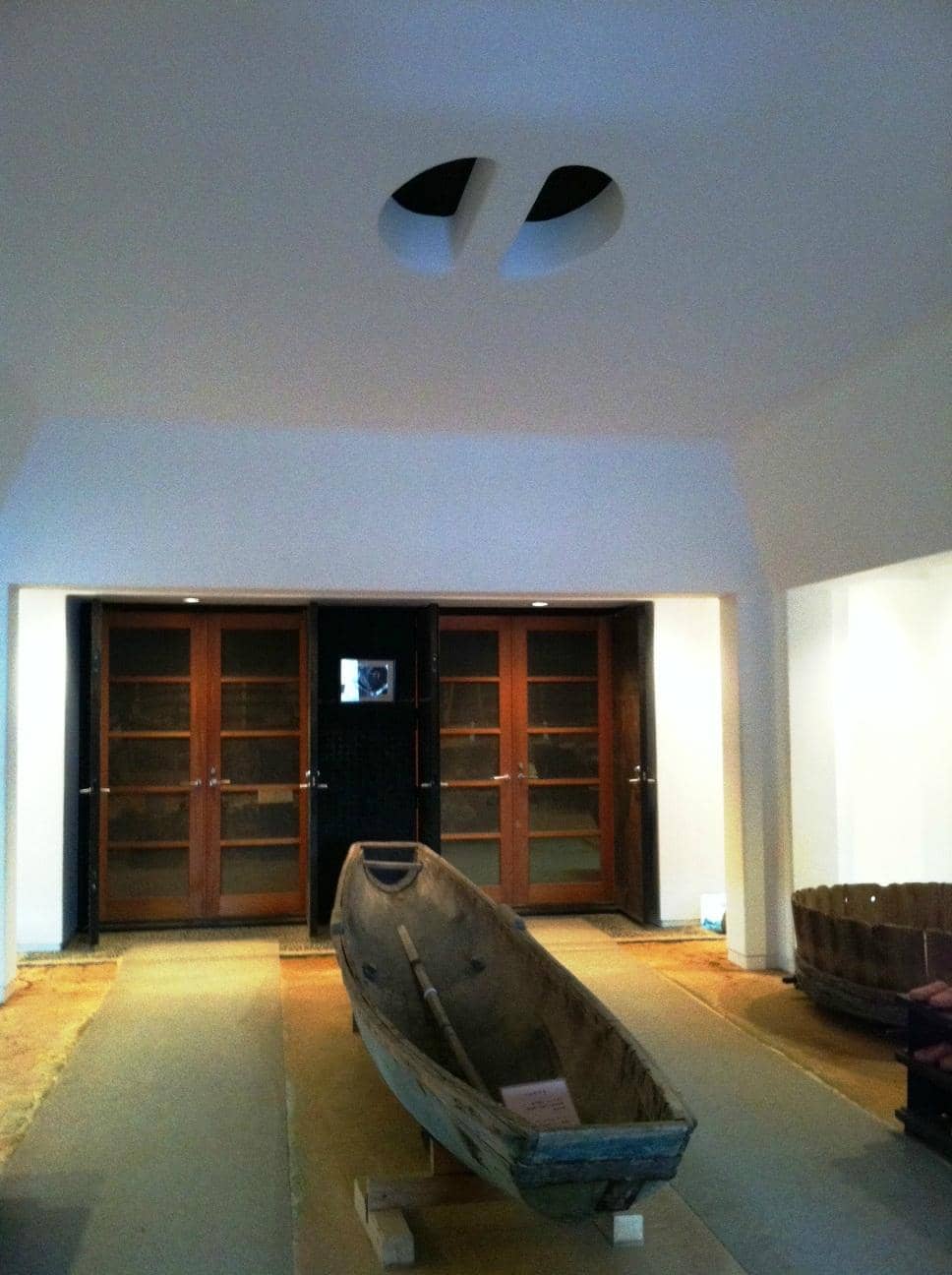
The museum is noted for its distinctive architecture, designed by Hiroshi Naito, which complements the maritime theme. 
🍽️ 🍽️ Food & Dining
Yes, there is a cafe located within the museum complex that offers refreshments.
The cafe typically serves light meals, snacks, and beverages. It's a convenient spot to take a break during your visit.
Yes, the area around the museum, particularly along the waterfront, has several oyster restaurants and other dining establishments.
Generally, outside food and drinks are not permitted inside the exhibition halls. It's best to consume them in designated areas or before entering.
Information on specific dietary options at the cafe is not widely available. It's advisable to inquire directly at the cafe upon your visit.
📸 📸 Photography
Photography is generally permitted for personal use, but flash photography might be restricted in certain areas to protect exhibits. Always check for signage.
The boat house with its impressive collection and the unique architectural elements of the museum are highly photogenic.
Drone photography is typically not allowed inside or around cultural institutions like museums. Please adhere to local regulations.
You can capture stunning shots of traditional boats, cultural artifacts, the museum's architecture, and the surrounding coastal scenery.
Yes, with good lighting and composition, your smartphone can capture excellent photos of the exhibits and the museum's unique design.
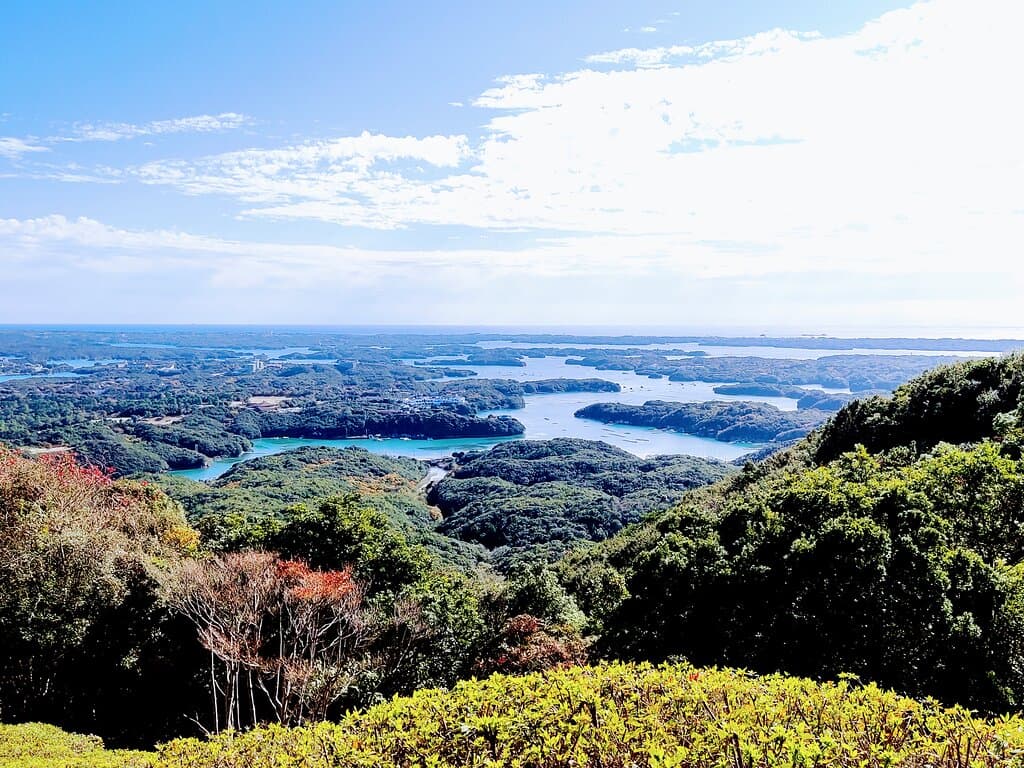
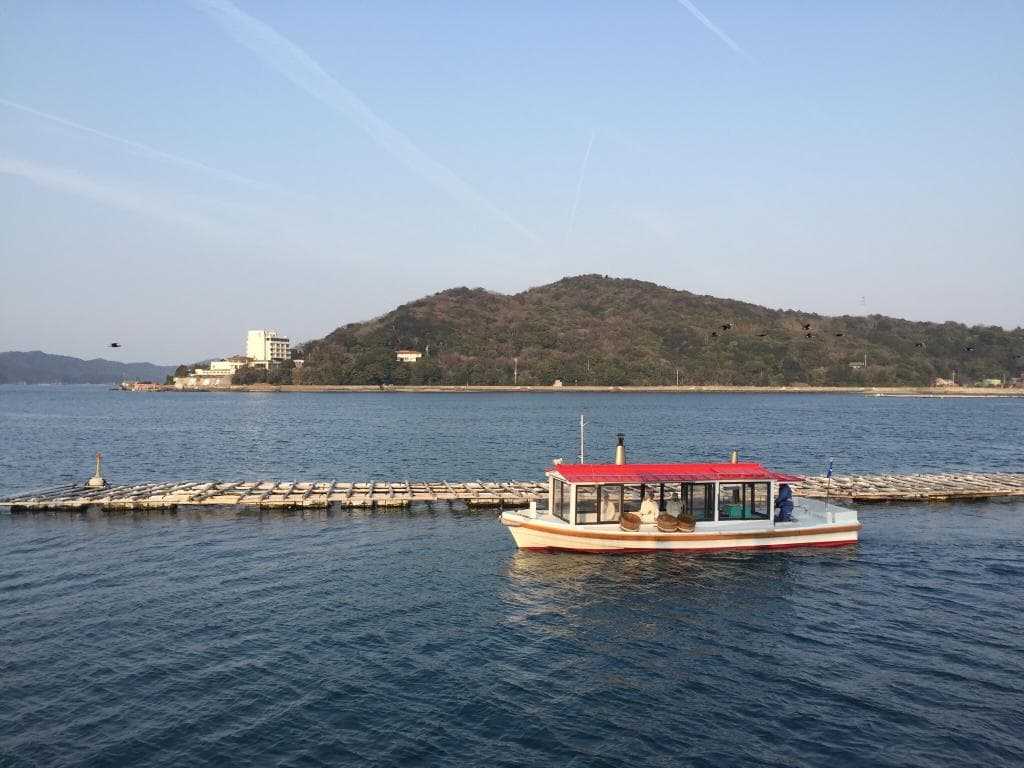
Social
from TikTok, Instagram & Reddit