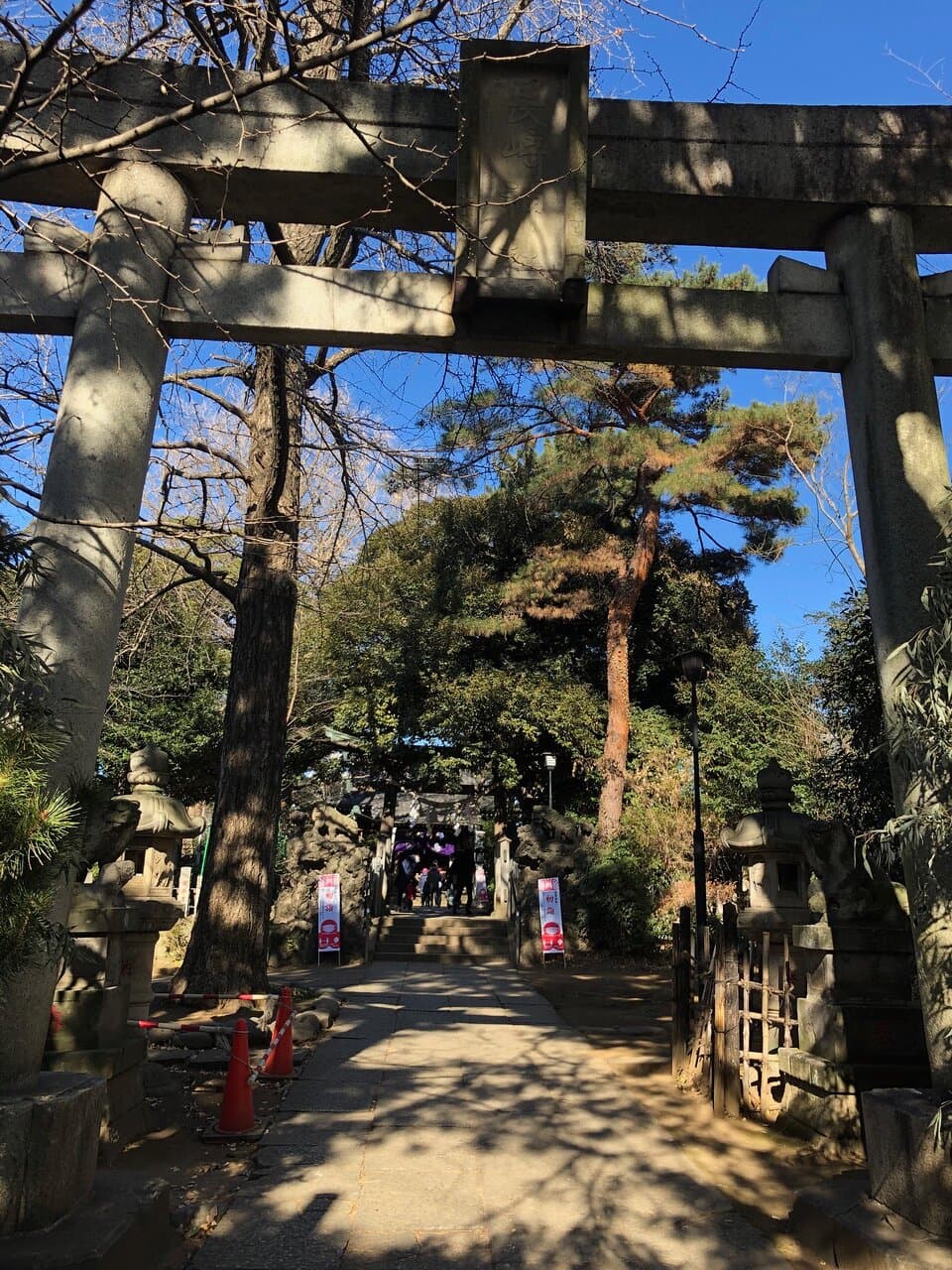
Nagasaki Shrine
A historic Shinto shrine in Tokyo, offering a serene escape with ancient trees and traditional architecture.
Highlights
Must-see attractions

Social
From TikTok & Reddit
Best Time
Quiet reflection
Nagasaki Shrine
Best Time
Quiet reflection
Highlights
Must-see attractions
A historic Shinto shrine in Tokyo, offering a serene escape with ancient trees and traditional architecture.
"Feel the long history of Nagasaki Shrine in its quiet precincts surrounded by trees."
🎯 Embrace the Omikuji
Don't miss the 'Omikuji' (fortune slips) for surprisingly accurate predictions! ✨
🚶♀️ Explore the Grounds
Wander through the spacious grounds, discover smaller shrines, and soak in the ancient forest atmosphere. :evergreen_tree:
Quick Facts
Rating
4.1 · 184 reviews
Type
Place of Worship
Highlights
Discover the most iconic attractions and experiences
Ancient Guardian Forest
Shrine Precincts
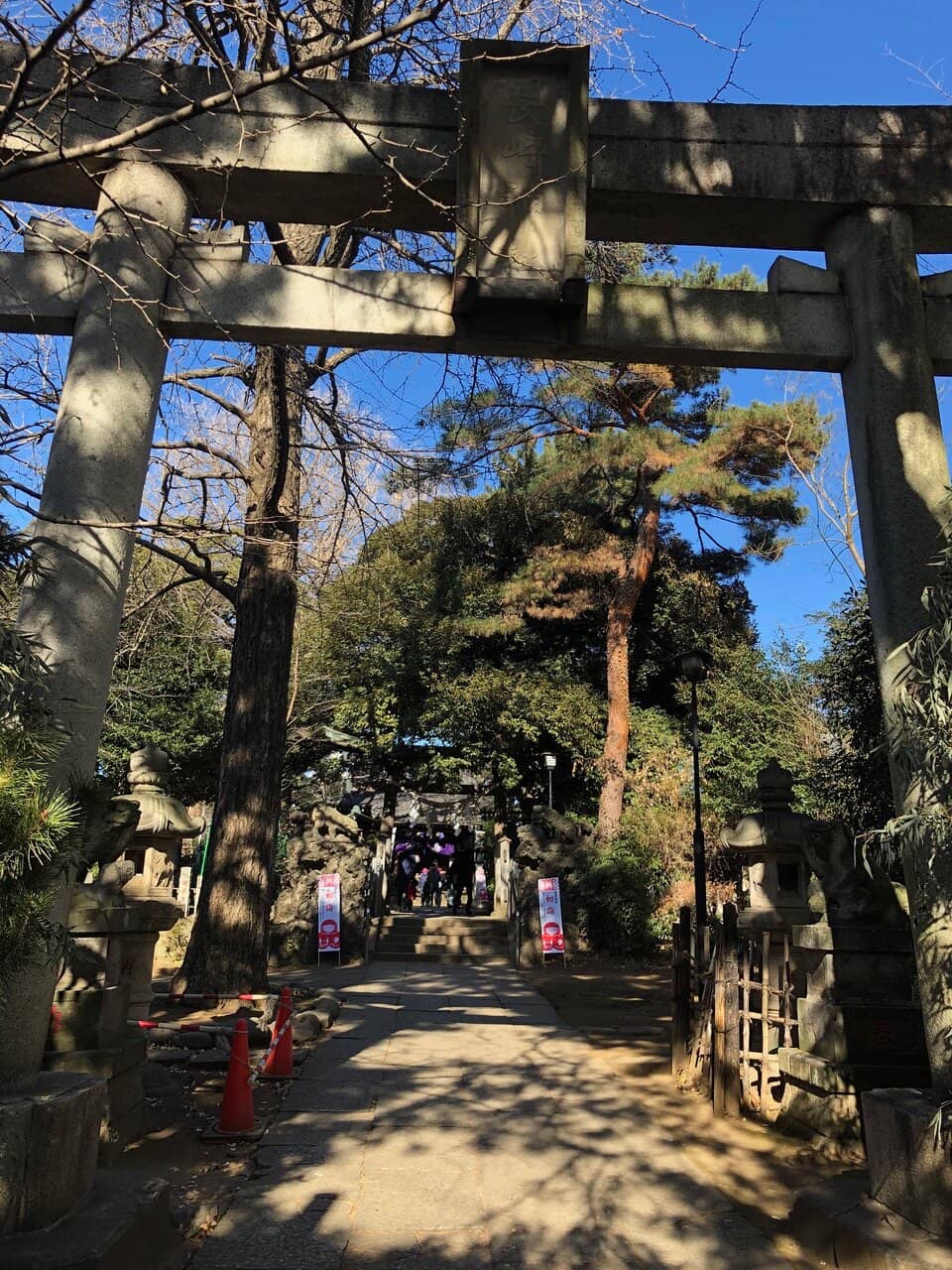
Towering trees and ancient stone monuments create a serene, historic atmosphere. Feel the deep roots of this sacred space.
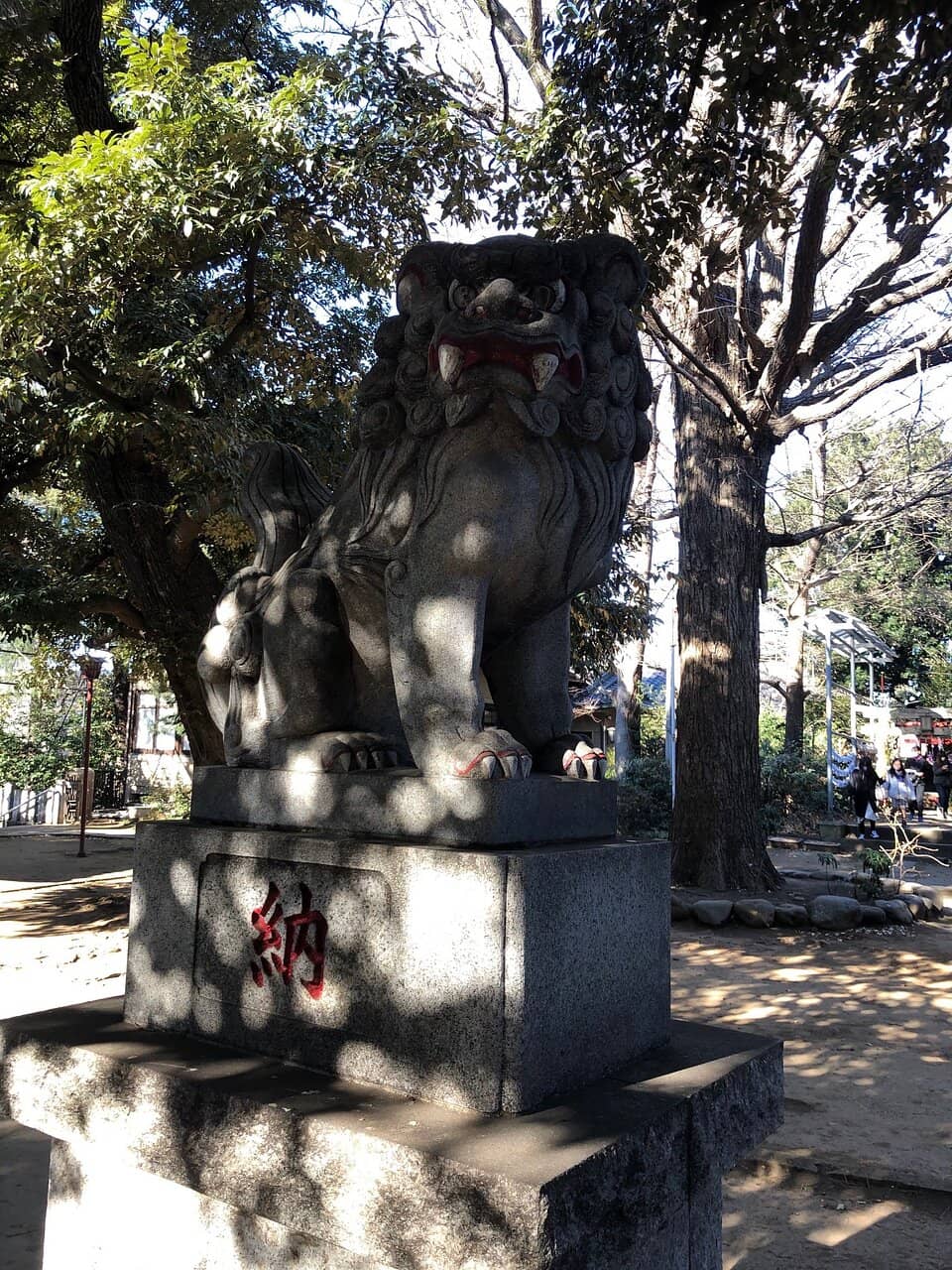
Main Hall & Worship Hall
Central Shrine Area
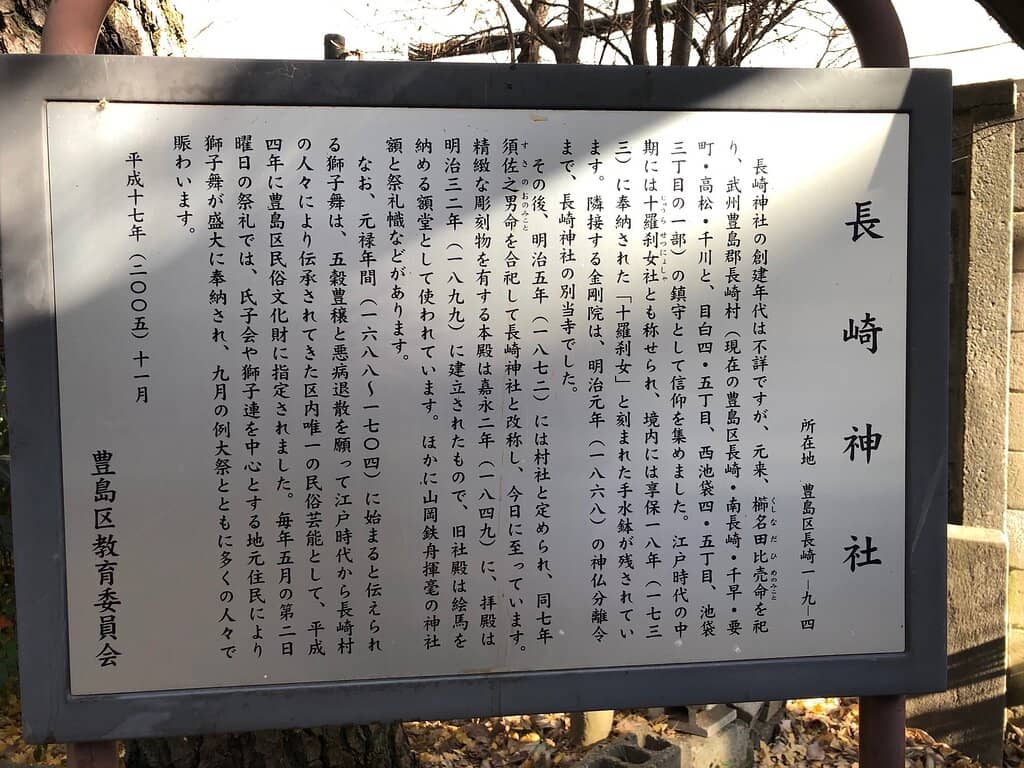
Admire the architecture of the main hall (1849) and worship hall (1899), testaments to the shrine's enduring history.
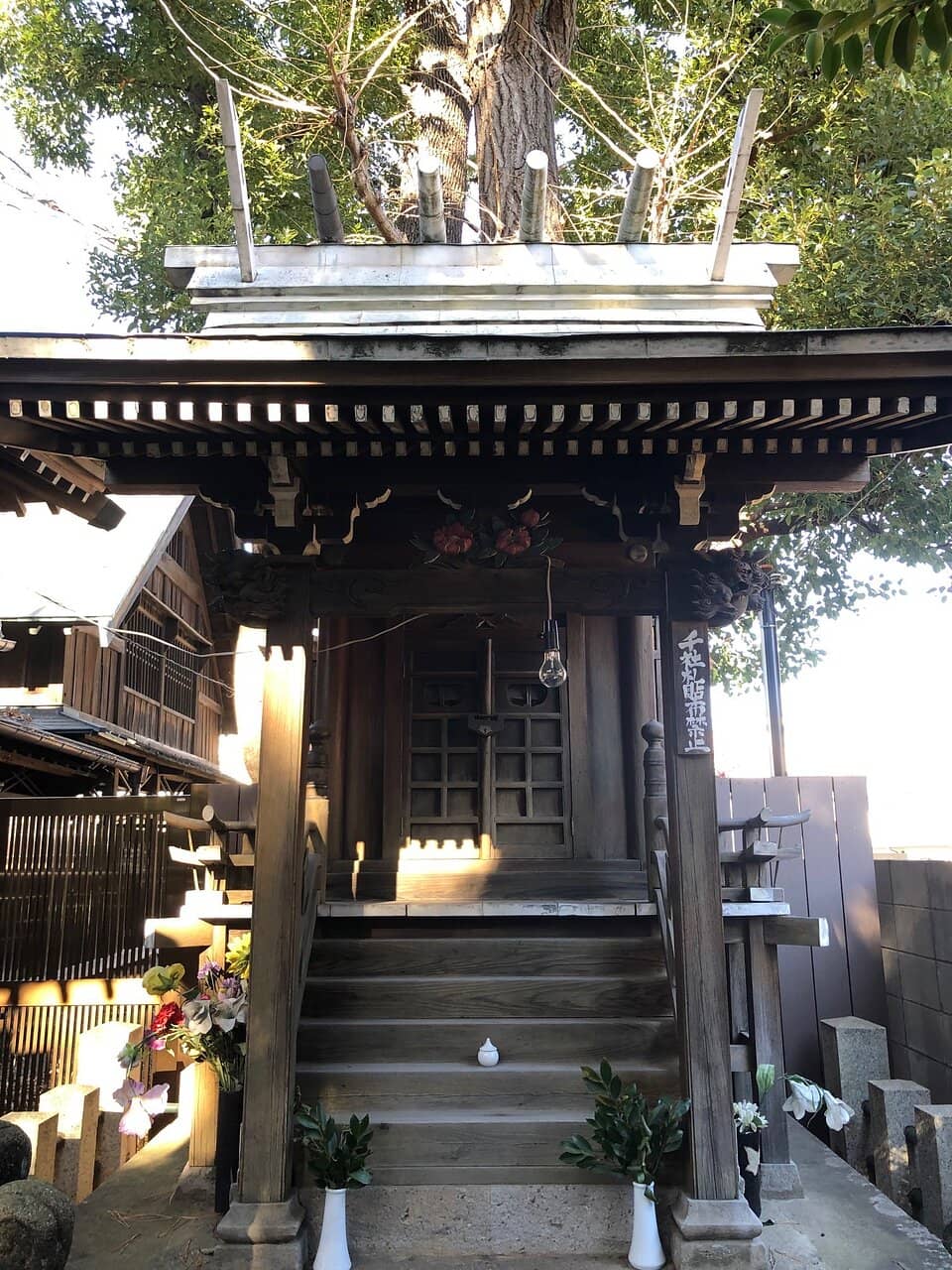
Inari Shrine
Eastern Precincts
A smaller, dedicated shrine often associated with prosperity and good fortune. Look for fox statues, messengers of Inari.
Plans like a pro.
Thinks like you
Planning Your Visit
Timing Your Visit for Serenity
Understanding Shrine Etiquette
Best Times
Insider Tips
from TikTok, Instagram & Reddit
🎯 Embrace the Omikuji
Don't miss the 'Omikuji' (fortune slips) for surprisingly accurate predictions! ✨
🚶♀️ Explore the Grounds
Wander through the spacious grounds, discover smaller shrines, and soak in the ancient forest atmosphere. :evergreen_tree:
🙏 Respectful Prayer
Learn the simple ritual for offering prayers at the main hall. 🙏
📅 Annual Feast Buzz
If visiting in early September, brace for crowds during the lively annual feast! 🎆
Tips
from all over the internet
🎯 Embrace the Omikuji
Don't miss the 'Omikuji' (fortune slips) for surprisingly accurate predictions! ✨
🚶♀️ Explore the Grounds
Wander through the spacious grounds, discover smaller shrines, and soak in the ancient forest atmosphere. :evergreen_tree:
🙏 Respectful Prayer
Learn the simple ritual for offering prayers at the main hall. 🙏
📅 Annual Feast Buzz
If visiting in early September, brace for crowds during the lively annual feast! 🎆
What Travellers Say
Reviews Summary
Nagasaki Shrine is cherished for its deep historical roots and serene atmosphere, offering a peaceful retreat within Tokyo. Visitors appreciate the ancient trees and traditional architecture, finding it a place of solemn reflection. While the annual festival is a vibrant event, quieter visits are recommended for a more contemplative experience.
"Very cool Shinto Shrine in downtown Tokyo. Looks old and many people come here for their prayers."
Daniel Scott
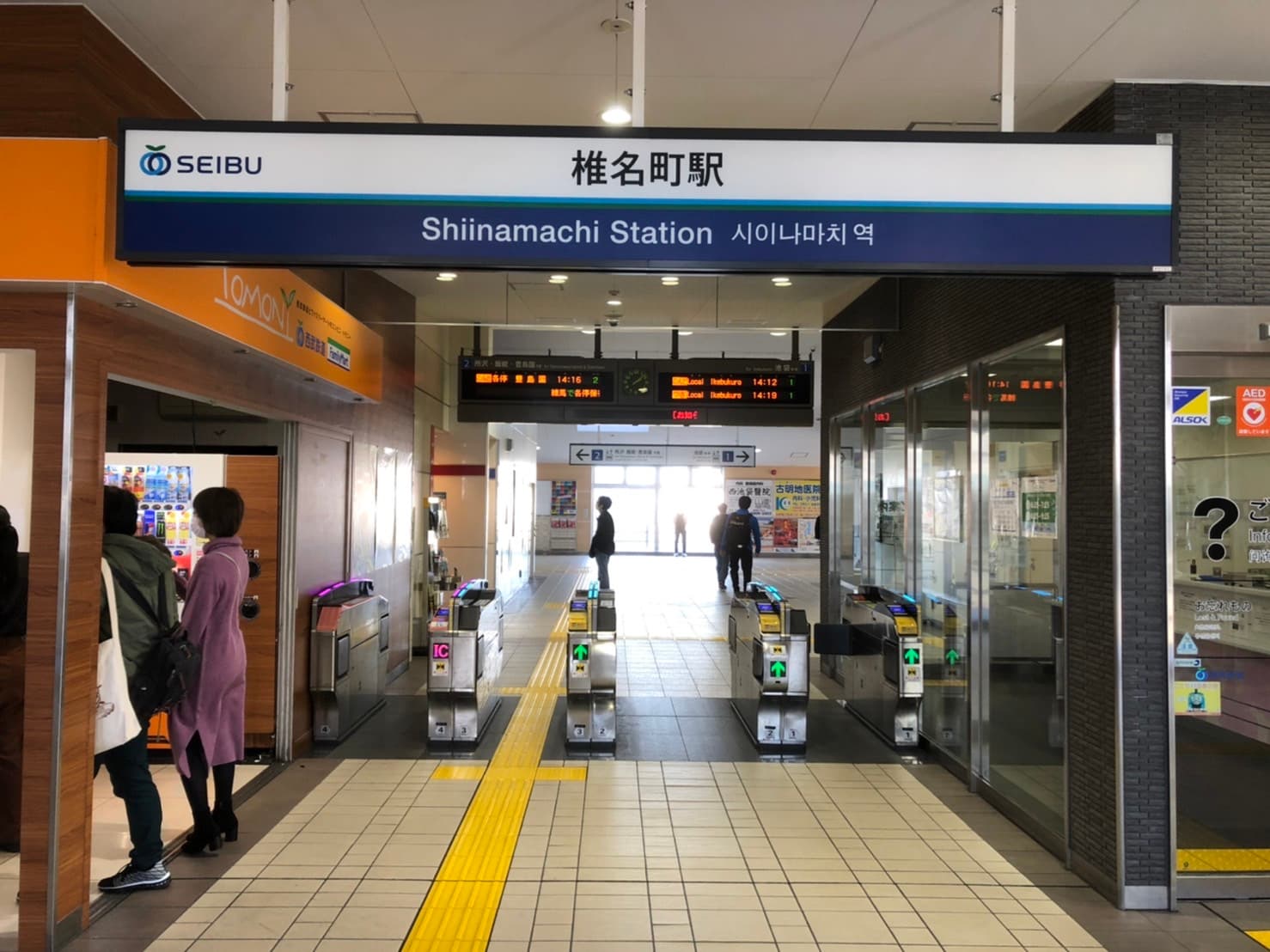
"One of the best and most loved shrines in my neighbourhood, Toshima-ku, Tokyo. Very close to Shiinamachi Station, on the Seibu Ikebukuro line. Consists of the main shrine, the shrine for the dead spirits, and the inari shrine, the whole area is spacious and quiet, except the Shrine's Annual Feast and seasonal celebrations. Although not held with its market since the pandemic, the Annual Feast is the second weekend of September, which used to attract sooo MANY people every year - you're literally unable to move a bit in the crowd gathered there at night! And there were some Kagura (sacred music and dance for Japanese Gods) and Japanese drum performances on the stage. Also a Mikoshi (man-carried God's place) parade going round on the street. (see my pics from before pandemic) The Shrine Office looks usually closed, but open on those feast days, offering Japanese Omamori's (amulets) and Omikuji's (fortune telling slips) for affordable fees. Personally, I recommend its Omikuji for its high accuracy and any Omamori of your wish. Blessings ;)"
Amarrel Miche (Akiko Michelle A)
"My favorite shrine in Toshima-ku."
チャーリーCharlie
What People Like
What People Dislike
Frequently Asked Questions
🚇 🗺️ Getting There
Nagasaki Shrine is conveniently located in Toshima-ku, Tokyo, and is easily accessible. It's very close to Shiinamachi Station on the Seibu Ikebukuro line. From the station, it's a short walk to the shrine.
Yes, the shrine is situated near the Seibu Ikebukuro line, making it accessible via public transport from various parts of Tokyo.
From Shinjuku, you can take the Seibu Shinjuku Line to Takadanobaba, then transfer to the Seibu Shinjuku Line towards Seibu-Shinjuku and alight at Shiinamachi Station.
Information on dedicated parking facilities is limited. It's generally recommended to use public transportation due to potential parking challenges in the area.
Yes, you can use a taxi. Simply provide the address to your driver, and they should be able to navigate you there.
🎫 🎫 Tickets & Entry
Nagasaki Shrine is a public place of worship, and there is no entrance fee to explore its grounds.
The shrine grounds are generally accessible during daylight hours. Specific building hours, like the Shrine Office, may vary.
Yes, the Shrine Office typically offers 'Omamori' (amulets) and 'Omikuji' (fortune telling slips) for purchase, though availability can vary.
The goshuin stamp service has been canceled at times, so it's advisable to check for current availability before your visit.
To experience the shrine's solemn atmosphere with fewer people, aim for weekday mornings, especially outside of major Japanese holidays.
🎫 🧭 Onsite Experience
Nagasaki Shrine has a long history, with roots tracing back to the mid-Edo period. It was officially named Nagasaki Shrine in 1872 after enshrining Susanoo-no-Mikoto.
Key attractions include the main hall, the worship hall, the Inari shrine, and the ancient guardian forest with its thick-trunk trees and stone monuments.
The 'chozubachi' is a water basin used for ritual purification before entering the main shrine area. You can wash your hands and mouth here.
The shrine holds an annual feast on the second weekend of September, which historically featured lively performances, parades, and attracted large crowds.
You can expect a solemn and traditional atmosphere, especially when visiting during quieter times. The ancient trees contribute to a sense of peace and history.
📸 📸 Photography
Photography is generally permitted within the shrine grounds for personal use. However, always be mindful of other visitors and avoid intrusive photography, especially during prayer times.
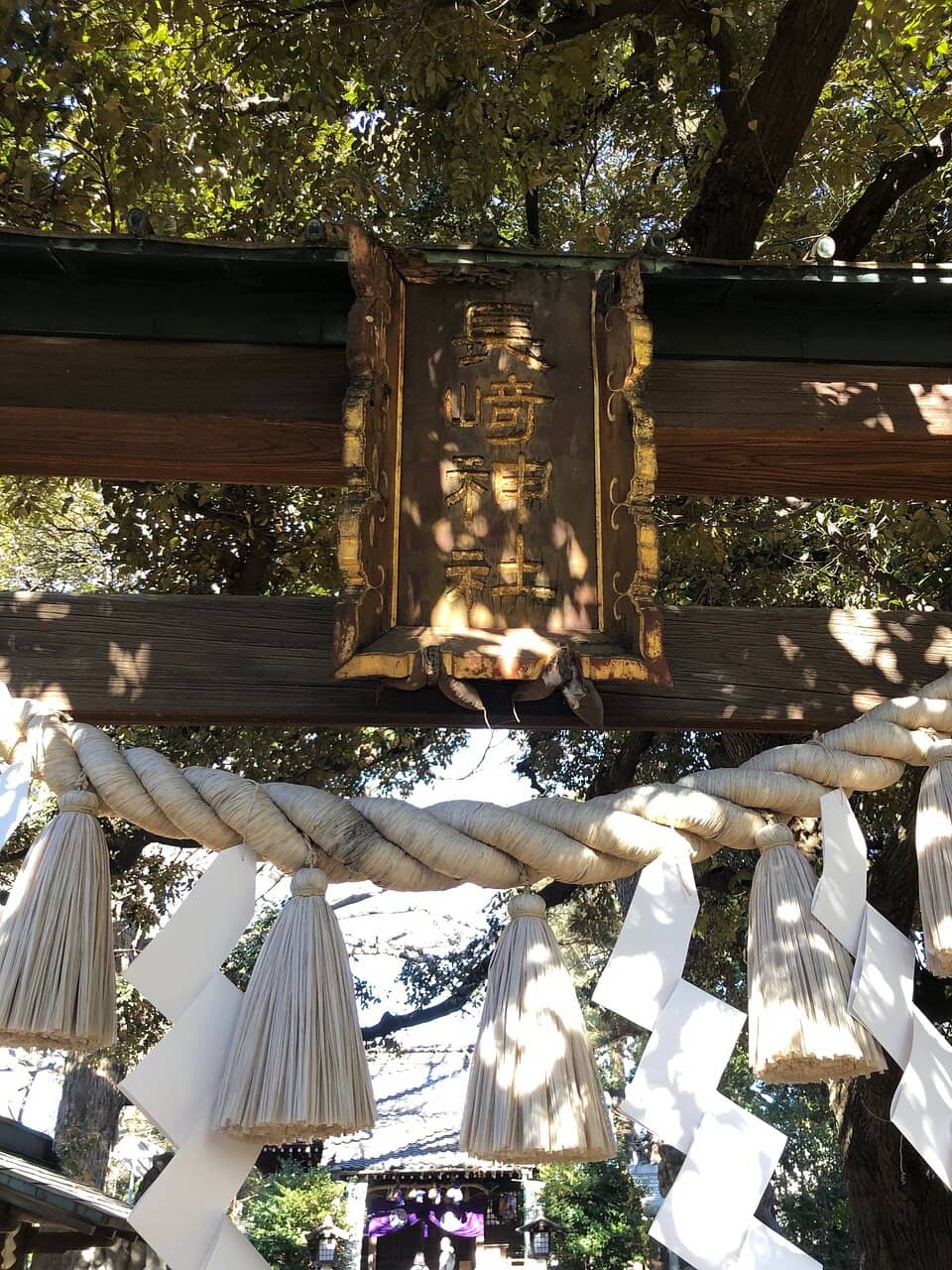
The ancient trees, the main hall, the torii gates, and the stone lanterns offer picturesque opportunities. The contrast between the natural elements and the shrine architecture is striking.
You can photograph these items, but it's polite to ask permission if you are photographing them directly from a vendor or another visitor.
Drone usage is typically prohibited at religious sites to maintain peace and respect. It's best to assume drones are not allowed.
Early mornings or late afternoons can offer beautiful lighting conditions, with softer light and fewer people.




Social
from TikTok, Instagram & Reddit