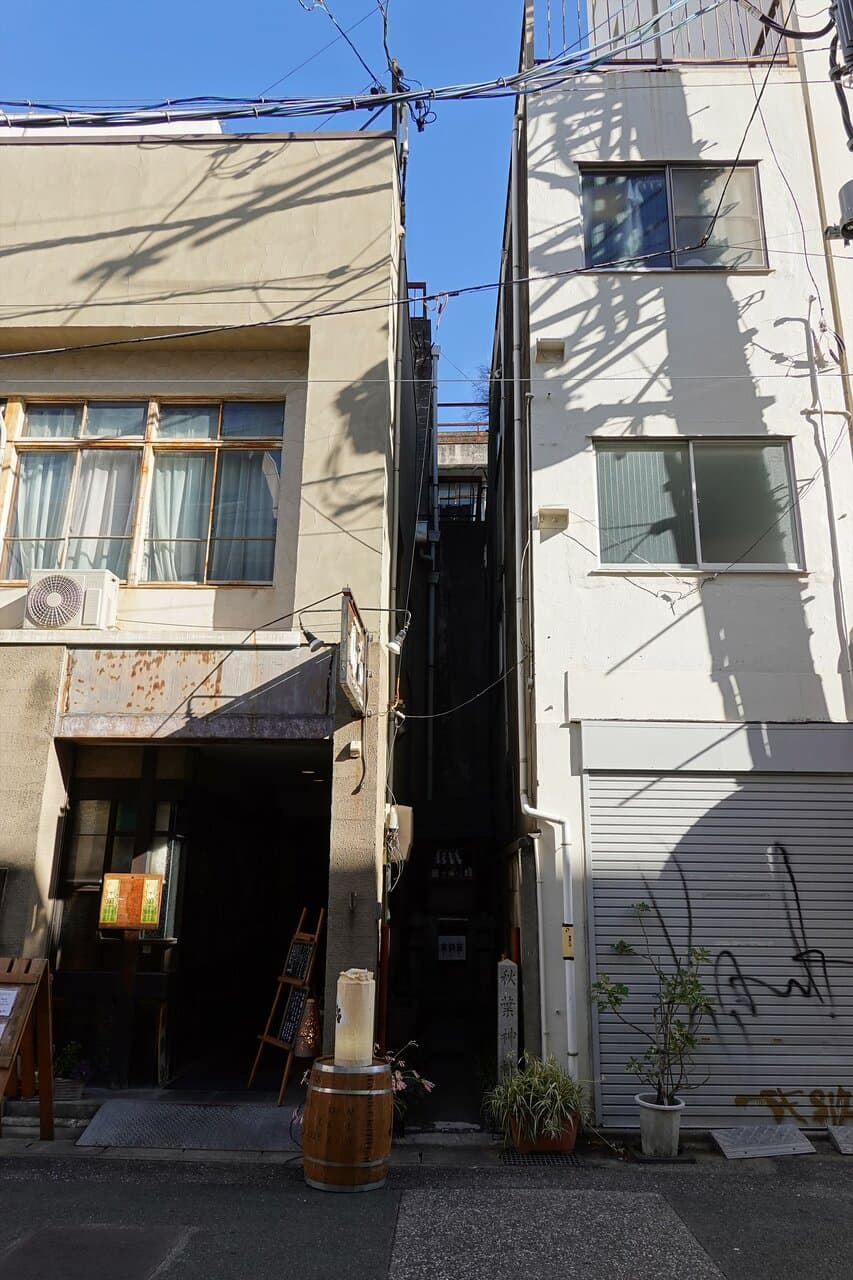
Akumi Kanbe Shrine
A shrine of significant architectural and cultural importance, featuring five registered Tangible Cultural Properties and the famous Oni Festival.
Highlights
Must-see attractions

Social
From TikTok & Reddit
Best Time
Experience the famous Oni Festival
Akumi Kanbe Shrine
Best Time
Experience the famous Oni Festival
Highlights
Must-see attractions
A shrine of significant architectural and cultural importance, featuring five registered Tangible Cultural Properties and the famous Oni Festival.
"A must-see for its unique cultural heritage and historic buildings, especially during the vibrant Oni Festival."
🚗 Easy Parking Available
Parking is conveniently located on the south side of the shrine, easily accessible after passing the first torii gate. 🚗
🧼 Clean Facilities
The toilets are well-maintained and clean, contributing to a comfortable visit. 🚽

Quick Facts
Hours
Rating
4.3 · 407 reviews
Type
Place of Worship
Highlights
Discover the most iconic attractions and experiences
Oni Festival (Demon Festival)
Shrine grounds
Witness a unique cultural event where participants are covered in white powder to ward off evil spirits.
Nationally Registered Tangible Cultural Properties
Shrine grounds
Explore five historically significant buildings, including the Main Hall and worship hall, reflecting architectural styles.
Tokugawa Ieyasu's Pine Tree
In front of the main shrine building
See the pine tree where Tokugawa Ieyasu is said to have sat during a visit, adding historical intrigue.
Plans like a pro.
Thinks like you
Planning Your Visit
Timing Your Visit for the Oni Festival
Discovering Tangible Cultural Properties
Best Times
Insider Tips
from TikTok, Instagram & Reddit
🚗 Easy Parking Available
Parking is conveniently located on the south side of the shrine, easily accessible after passing the first torii gate. 🚗
🧼 Clean Facilities
The toilets are well-maintained and clean, contributing to a comfortable visit. 🚽
🌸 Autumn Osmanthus Blooms
Visit in October to enjoy the lovely scent of sweet osmanthus trees on the shrine grounds. :flowerplayingcards:
📜 Goshuin Tour
Consider participating in the Toyohashi Goshuin Tour for a guided experience of local shrines. 📜
Tips
from all over the internet
🚗 Easy Parking Available
Parking is conveniently located on the south side of the shrine, easily accessible after passing the first torii gate. 🚗
🧼 Clean Facilities
The toilets are well-maintained and clean, contributing to a comfortable visit. 🚽
🌸 Autumn Osmanthus Blooms
Visit in October to enjoy the lovely scent of sweet osmanthus trees on the shrine grounds. :flowerplayingcards:
📜 Goshuin Tour
Consider participating in the Toyohashi Goshuin Tour for a guided experience of local shrines. 📜
What Travellers Say
Reviews Summary
Visitors praise Akumi Kanbe Shrine for its significant cultural heritage, particularly the five Nationally Registered Tangible Cultural Properties and the unique Oni Festival. The well-maintained grounds and polite staff contribute to a positive experience. Some visitors note the festival's intensity and the potential for crowds.
"The Demon Festival is a must see."
Daniel Devolin
"Five Nationally Registered Tangible Cultural Properties!
I visited this shrine in mid-October 2024 while exploring Yoshida Castle and Yoshida-juku.
As a Shinmei-sha shrine, it has a close relationship with Ise Grand Shrine, and the octagonal ritual hall in front of the worship hall is used as a remote worship site for Ise Grand Shrine.
The following five buildings are relatively new, but are also Nationally Registered Tangible Cultural Properties.
Main Hall: Built in 1950
→ Close to the design of the Ise Grand Shrine's main hall
Heiden/Haiden: Built in 1930
→ A large worship hall with side halls on both sides
Kaguraden: Relocated in 1885
→ One of the few pre-Showa period buildings
Shinko: Built in 1930
→ The only one of the five buildings made of reinforced concrete
Tomizuya: Built in 1930
→ A consistent look with the buildings within the shrine grounds
In addition, there is a shrine within the grounds, and the pine tree in front of the main shrine building is said to have been the spot where Tokugawa Ieyasu sat when he visited, making this a shrine with many attractions."
amsang04
"Former Kensha Shrine. It is a particularly famous shrine in Toyohashi City, and the Oni Festival held every year on February 10th and 11th is designated as an Important Intangible Folk Cultural Property of Japan as the "Toyohashi Shinmeisha Shrine Oni Festival".
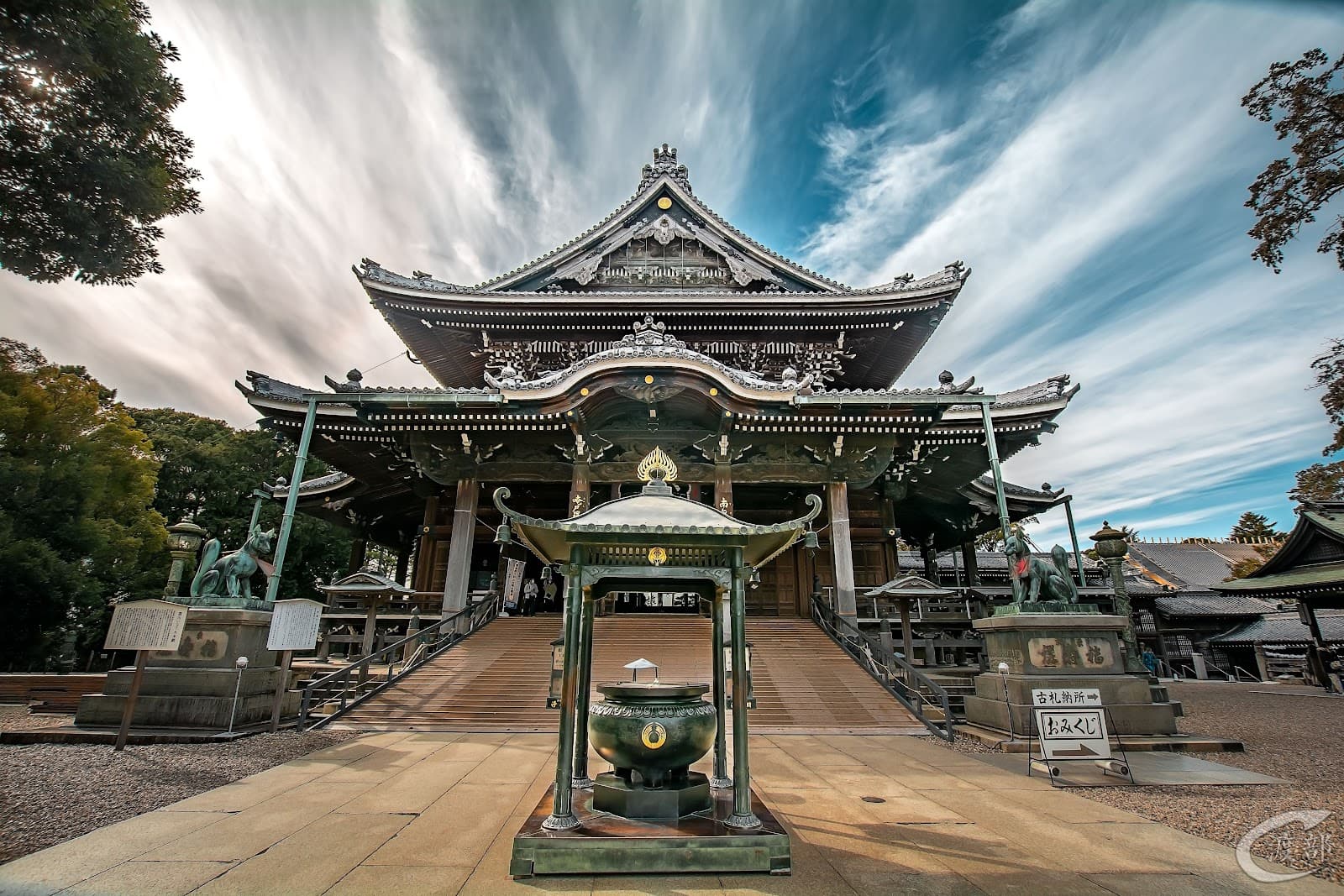
The parking lot is easy to find from the road on the south side of the shrine, as you enter the grounds through the first torii gate. Beyond the second torii gate, the main hall, offering hall, worship hall, kagura hall, shinko, and temizuya are registered as tangible cultural properties of Japan, and you can see an exhibition related to the Oni Festival in the Gakuden Hall.
I have visited the shrine twice so far, and the grounds are well-maintained, and the staff at the shrine office were very polite and helpful."
折笠紫
What People Like
What People Dislike
Frequently Asked Questions
🚇 🗺️ Getting There
The shrine is accessible by car, with a parking lot available on the south side. Public transportation options may require local bus routes from Toyohashi Station. It's recommended to check local transit schedules for the most up-to-date information.
Yes, there is a parking lot located on the south side of the shrine, making it convenient for visitors arriving by car. The lot is paved and easily accessible.
Absolutely! Akumi Kanbe Shrine can be easily incorporated into a day trip, especially if you are exploring other nearby attractions in Toyohashi City, such as Yoshida Castle.
🎫 🎫 Tickets & Entry
Generally, there is no entrance fee to visit the grounds of Akumi Kanbe Shrine. However, specific events or exhibitions within the shrine complex might have separate admission charges.
Shrine grounds are typically open from early morning until late afternoon. It's advisable to check the official shrine website or contact them directly for precise opening and closing times, especially around festival periods.
While the festival itself is free to attend, due to its popularity, it's wise to arrive early. Accommodation in Toyohashi should be booked well in advance if you plan to visit specifically for the Oni Festival.
Yes, it is common for shrines like Akumi Kanbe to offer Goshuin. You can usually purchase these at the shrine office. Be sure to have your Goshuincho (stamp book) ready.
🎫 🧭 Onsite Experience
The main attractions include the five Nationally Registered Tangible Cultural Properties, the Tokugawa Ieyasu's Pine Tree, and the opportunity to experience the unique Oni Festival if you visit in February.
The Oni Festival is a vibrant event where participants are covered in white powder to ward off evil. Spectators might also get dusted! It's a lively and memorable cultural experience.
While the main shrine buildings are historically significant, accessibility for individuals with mobility challenges may vary. It's recommended to inquire directly with the shrine office for specific details on accessibility.
Yes, the shrine grounds are well-maintained and offer a peaceful atmosphere. You can also find an exhibition related to the Oni Festival in the Gakuden Hall.
📸 📸 Photography
The architectural details of the Tangible Cultural Properties, the torii gates, and the serene grounds offer great photo opportunities. During the Oni Festival, capturing the unique powder-covered participants is a must.
Generally, photography is allowed on the shrine grounds for personal use. However, it's always respectful to avoid intrusive photography, especially during prayer times or ceremonies. Check for any posted signage regarding photography restrictions inside specific buildings.

Social
from TikTok, Instagram & Reddit