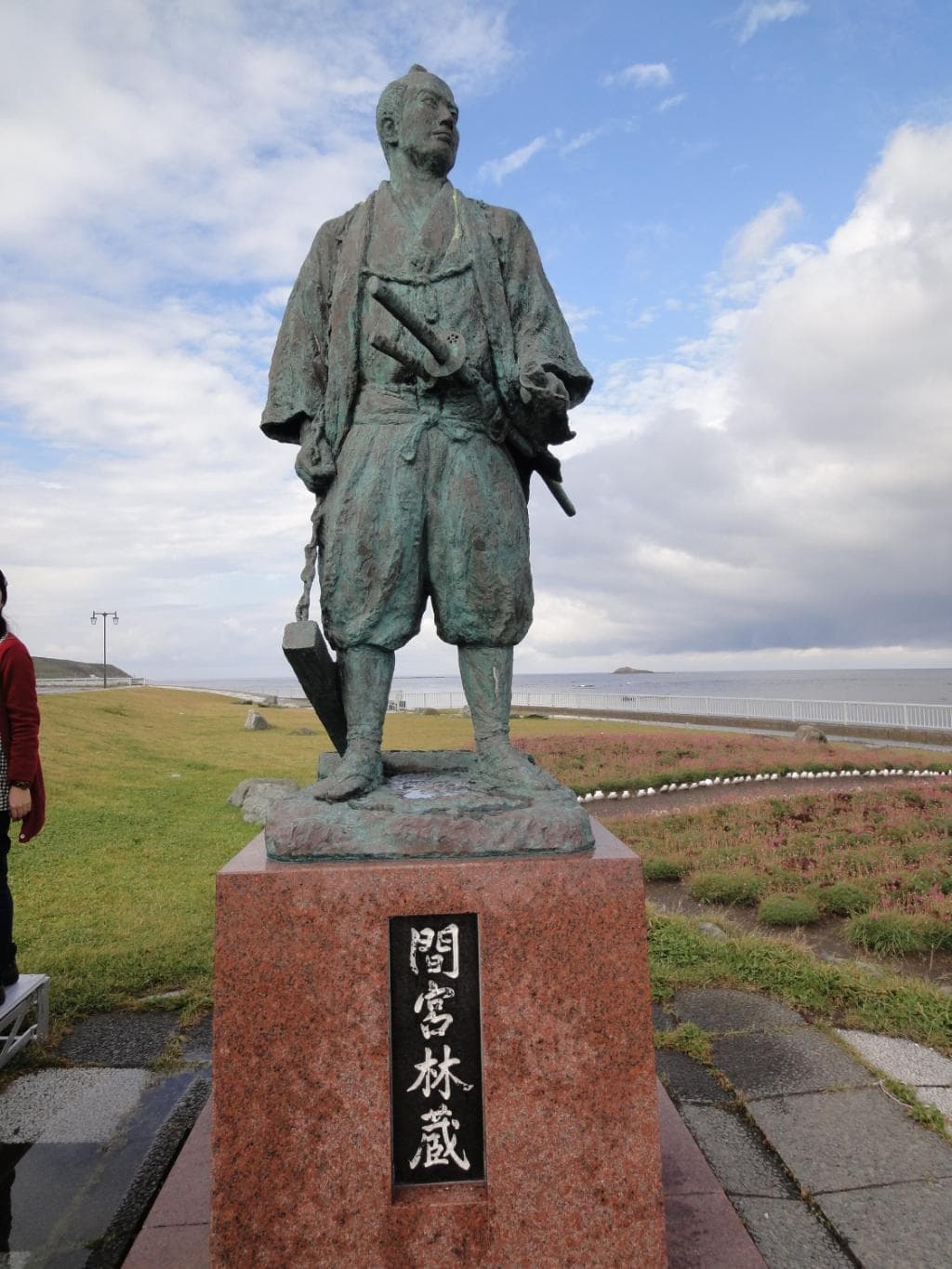
Cape Soya Wakkanai
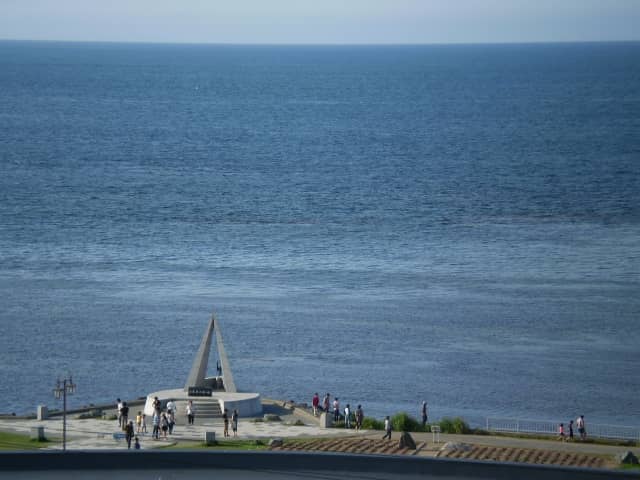
Stand at Japan's northernmost point, where cool winds meet the sea, offering views towards Russia.

Highlights
Must-see attractions

Social
From TikTok & Reddit
Best Time
Clearer views, less wind
Cape Soya Wakkanai
Best Time
Clearer views, less wind
Highlights
Must-see attractions
Stand at Japan's northernmost point, where cool winds meet the sea, offering views towards Russia.
"A special experience to say 'I've been there' at the northernmost corner of mainland Japan."
🧥 Pack for the Chill
Even in summer, it's windy and cool. Bring a jacket or windbreaker!
🚌 Check Bus Schedules
Buses are infrequent. Plan ahead to avoid long waits.
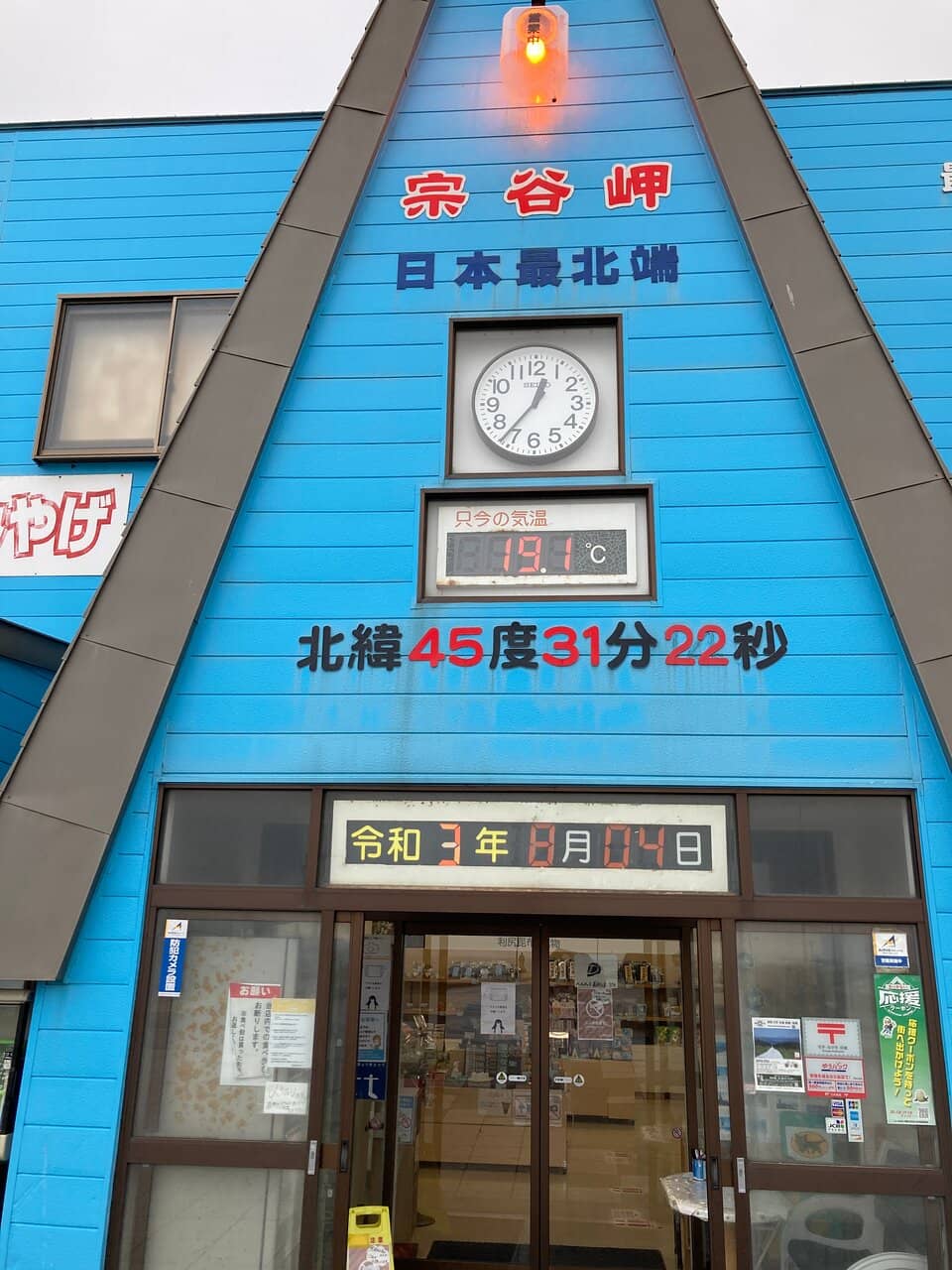
Quick Facts
Hours
Rating
4.4 · 10,783 reviews
Type
Tourist Attraction
Highlights
Discover the most iconic attractions and experiences
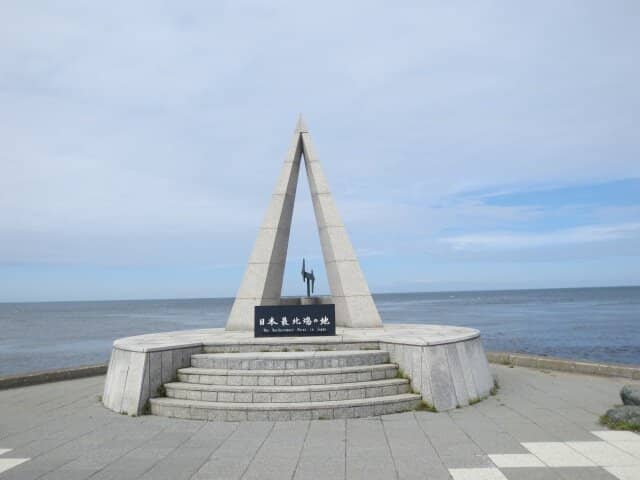
Northernmost Point Monument
Cape Soya
Stand at the very tip of Japan and gaze across the Soya Strait towards Russia. A true bucket-list moment!
 +1
+1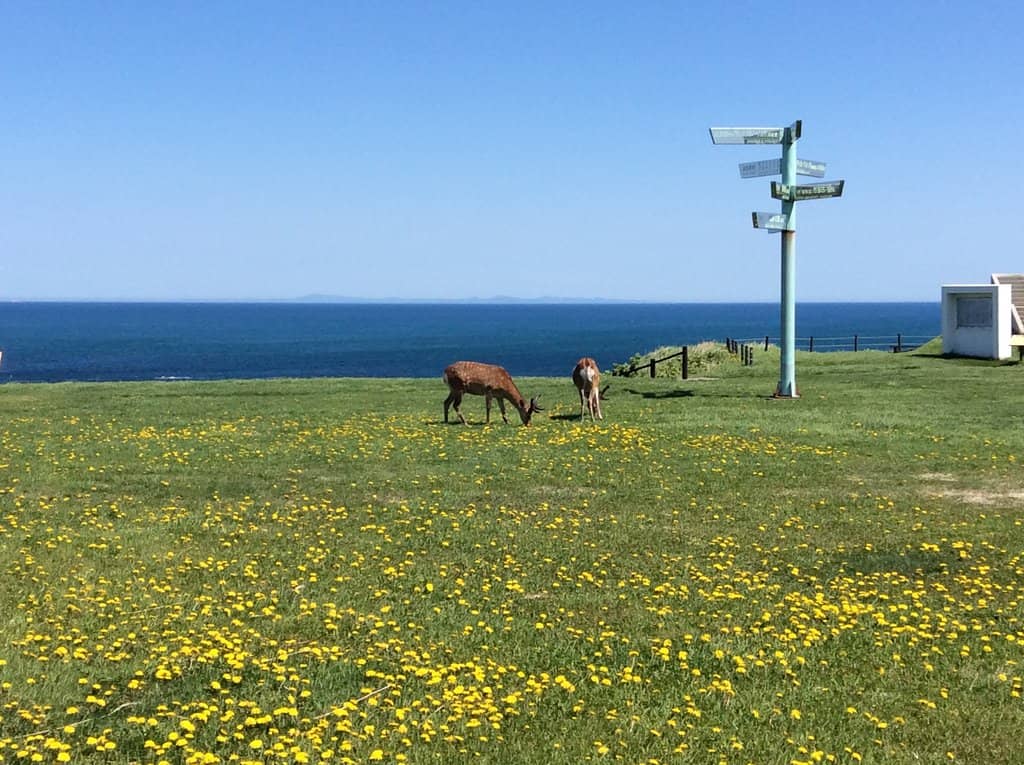
Cape Soya Lighthouse
Cape Soya
An iconic landmark offering panoramic views of the sea and surrounding landscape. Perfect for photos.
Views of Sakhalin Island
Cape Soya
On clear days, you might spot Russia's Sakhalin Island just 43 km away. A unique geopolitical perspective.
+1Plans like a pro.
Thinks like you
Planning Your Visit
Embrace the Elements
Bus Schedules are Key
+1Best Times
Insider Tips
from TikTok, Instagram & Reddit
🧥 Pack for the Chill
Even in summer, it's windy and cool. Bring a jacket or windbreaker!
🚌 Check Bus Schedules
Buses are infrequent. Plan ahead to avoid long waits.
📸 Capture the Moment
Take turns for photos at the monument; crowds are manageable.
🍜 Try Local Seafood
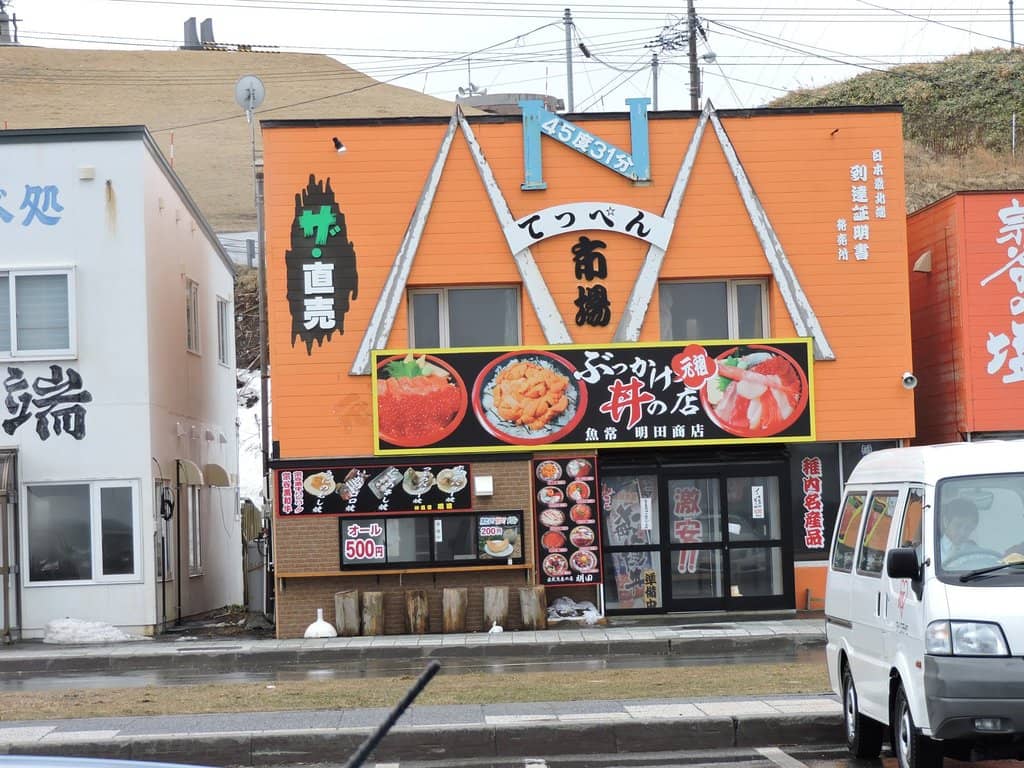
A seafood restaurant across the road is highly recommended.
Tips
from all over the internet
🧥 Pack for the Chill
Even in summer, it's windy and cool. Bring a jacket or windbreaker!
🚌 Check Bus Schedules
Buses are infrequent. Plan ahead to avoid long waits.
📸 Capture the Moment
Take turns for photos at the monument; crowds are manageable.
🍜 Try Local Seafood
A seafood restaurant across the road is highly recommended.
🚶♂️ Explore Beyond the Monument
Discover WWII monuments and historical markers uphill.
What Travellers Say
Reviews Summary
Visitors praise Cape Soya for its status as Japan's northernmost point and the refreshing, cool sea air. The views, especially the potential to see Russia on clear days, are highlights. However, some find there's little to do beyond the monument itself, and the limited bus schedule can be inconvenient.
"What a nice place to visit when in northern Hokkaido! Very windy, with that special feeling of uniqueness to it. There’s a big souvenir shop next to it, other than that not much else to do. Good for spending the 40 minutes between the buses that take you to and from there back to Wakkanai. Don’t forget to go up the little hill on the other side of the road to see some sculptures that will add a touch of history, remembrance and Hokkaido culture to your visit."
Damian Cukierman
"Went there Oct 2024. The smell of the sea, refreshing. Great view. The Northernmost part of Japan. Very windy and cooling. The crowds not that bad, take turns to take photos."
Jack DeLaRock (JackDeLaRock)
"Simple but nice area and a very nice escape for those that are hot in the summer. It was about 5°c cooler here than just a couple of hours south. Friends wished they brought their jackets. And this is in mid summer. The seafood place across the road is well worth a try. We were able to just see Russia off in the distance when it cleared up."
Pete Leong
What People Like
What People Dislike
Frequently Asked Questions
🚇 🗺️ Getting There
The most common way is by bus from Wakkanai Station. There are typically 4 buses per day, and the journey takes about an hour.
While some travelers might consider hitchhiking, it's not a widely recommended or reliable method, especially with limited Japanese language skills. Relying on the bus service is the most practical approach for most visitors.
Yes, cycling is a popular way for adventurous travelers to reach Cape Soya, often as part of longer cycling tours across Hokkaido.
The bus ride from Wakkanai Station to Cape Soya typically takes around one hour.
Yes, cycling tours and other guided excursions often include Cape Soya as a destination, especially for those completing long-distance rides.
🎫 🎫 Tickets & Entry
Access to Cape Soya itself and its main monument is generally free.
Cape Soya is an outdoor location and is typically accessible at all times. However, facilities like visitor centers or shops may have specific operating hours.
No, advance booking is not required for visiting Cape Soya. Entry to the main area is free and open.
A round-trip bus ticket from Wakkanai to Cape Soya costs approximately ¥2560.
As the main attraction is free, there are no specific admission discounts. However, keep an eye out for any local promotions or package deals if booking tours.
🎫 🧭 Onsite Experience
The main draw is visiting the monument marking Japan's northernmost point. You can also enjoy the sea views, visit the lighthouse, and explore historical monuments uphill.
Yes, on a clear day, you can see Sakhalin Island, Russia, across the Soya Strait, which is about 43 kilometers away. +1
It's known for being very windy and cool, even in summer. Temperatures can be around 5°C cooler than areas further south. Pack layers and a windbreaker.
There are limited dining options directly at Cape Soya. A seafood restaurant across the road is recommended, but it's wise to carry snacks as options can be scarce.
Besides the northernmost point monument, you'll find memorials for Japanese and American WWII combatants, and a monument for those lost when a Korean airliner was shot down.
📸 📸 Photography
The iconic Northernmost Point Monument is a must-capture. The Cape Soya Lighthouse also offers great photographic opportunities with the sea as a backdrop.
While it can get busy, crowds are generally manageable, and people take turns for photos at the monument. Visiting during off-peak hours can help.
Early mornings often offer clearer skies and softer light, while late afternoons provide beautiful golden hour hues.
Yes, due to its proximity to Russia, you might see signs with Russian text, adding a unique element to your photos.
The strong winds can be a challenge for camera stability. Consider a tripod if you're aiming for specific shots, and protect your gear from sea spray.
Social
from TikTok, Instagram & Reddit