Burnt House Museum Jerusalem
Preserved Second Temple-era home destroyed in 70 CE, offering a poignant glimpse into ancient Jerusalem life.
Highlights
Must-see attractions

Social
From TikTok & Reddit
Best Time
Fewer crowds, more reflection
Burnt House Museum Jerusalem
Best Time
Fewer crowds, more reflection
Highlights
Must-see attractions
Preserved Second Temple-era home destroyed in 70 CE, offering a poignant glimpse into ancient Jerusalem life.
"A powerful and well-preserved glimpse into ancient Jerusalem's destruction."
Allocate Enough Time
Allow at least 1-2 hours to fully appreciate the museum and its film.
Wear Comfortable Shoes
You'll be walking through an archaeological site, so comfortable footwear is a must. :athletic_shoe:
Quick Facts
Hours
Rating
4.2 · 303 reviews
Type
Museum
Address
Highlights
Discover the most iconic attractions and experiences
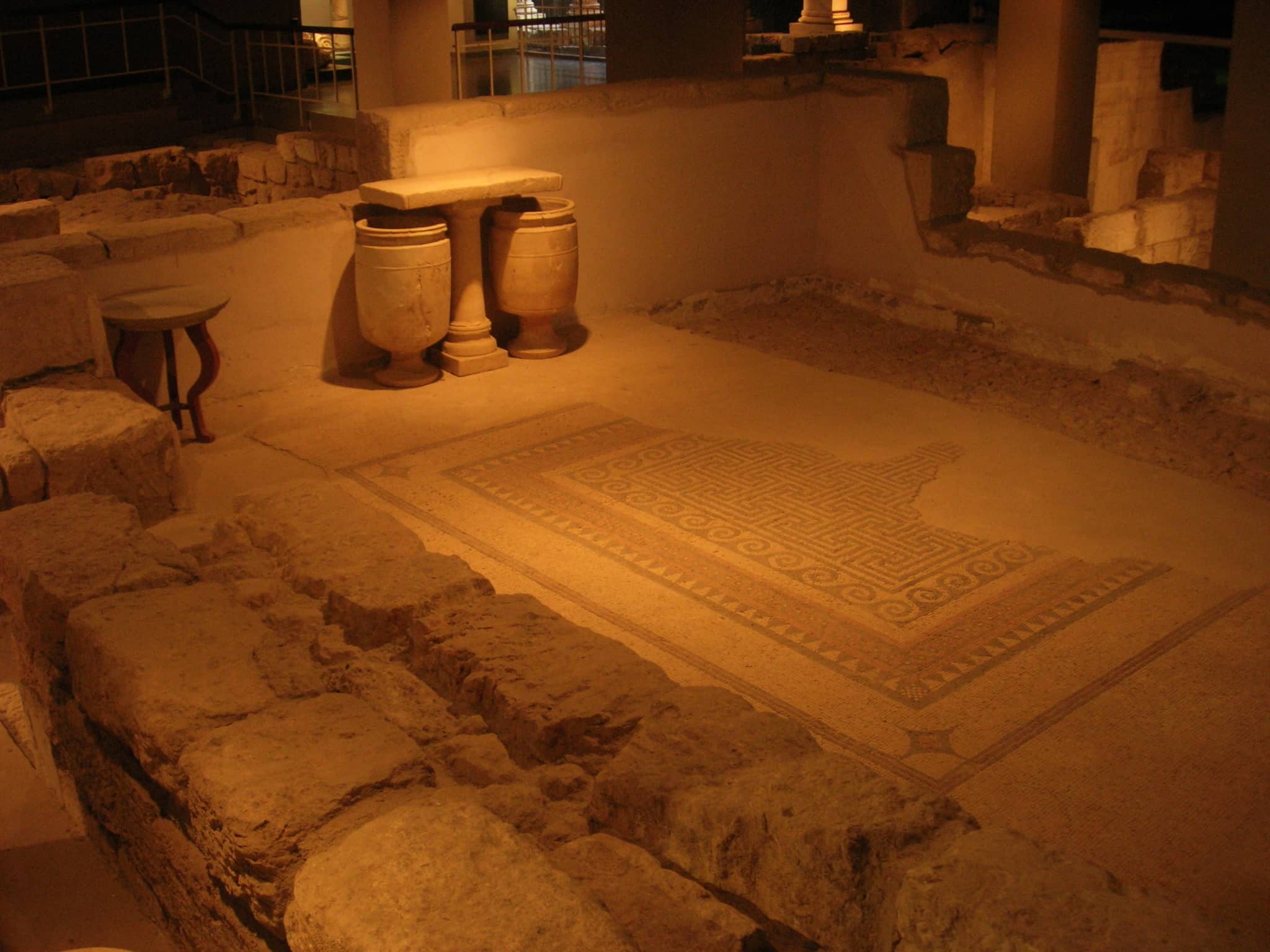
The Burnt House Remains
Main exhibition area
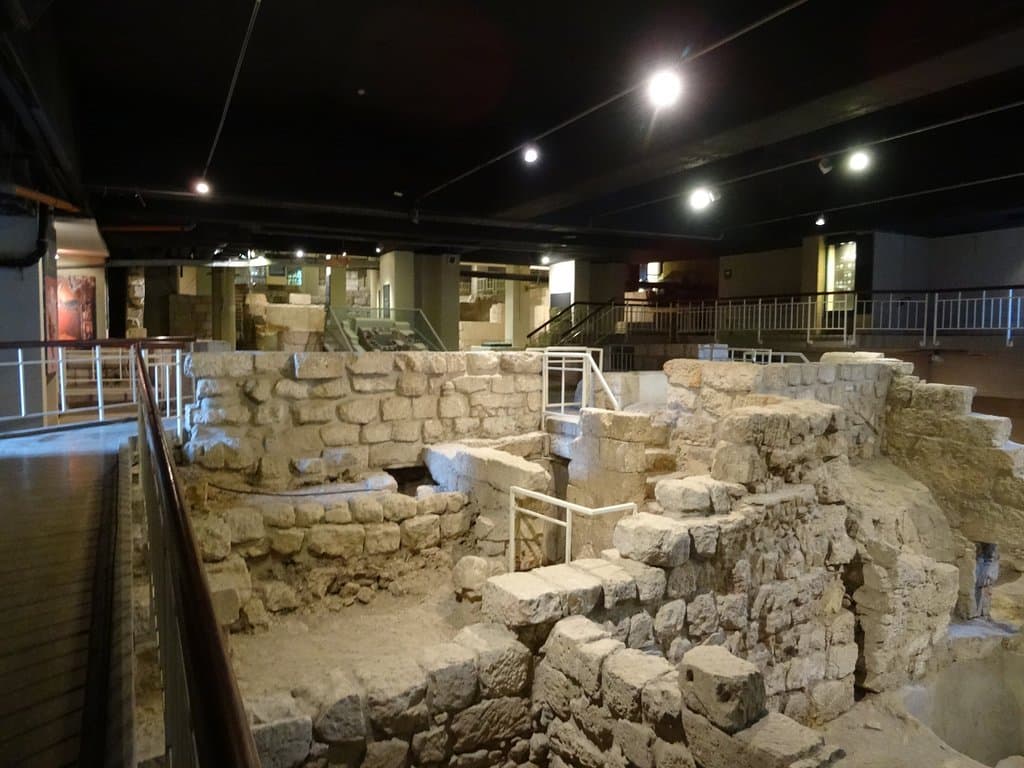
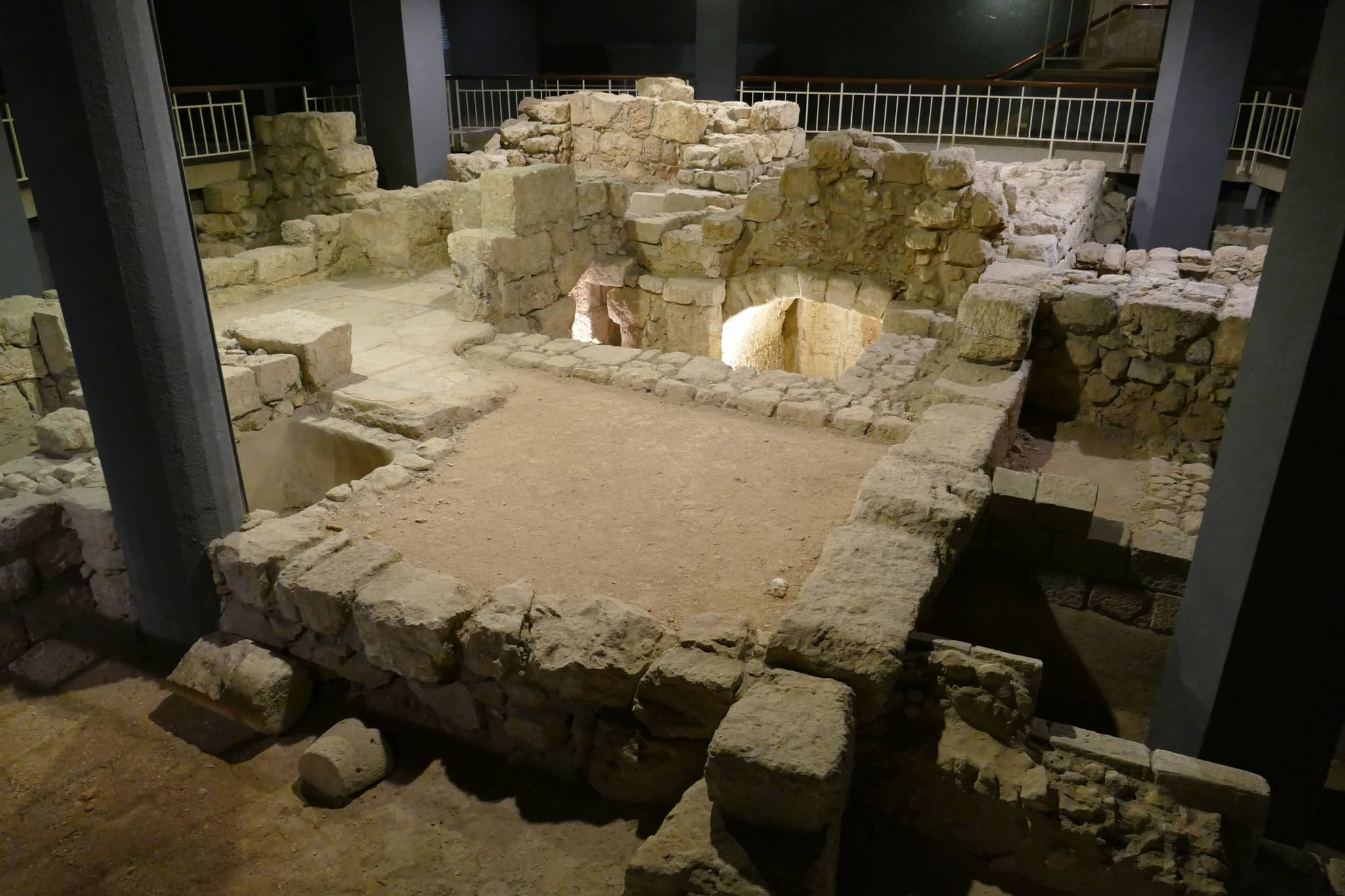
See the remarkably preserved ruins of a luxurious Second Temple-era home, a testament to ancient life.
The Educational Film
Screening room
A compelling film brings to life the story of the house and its inhabitants during the Roman siege.

Archaeological Discoveries
Throughout the museum
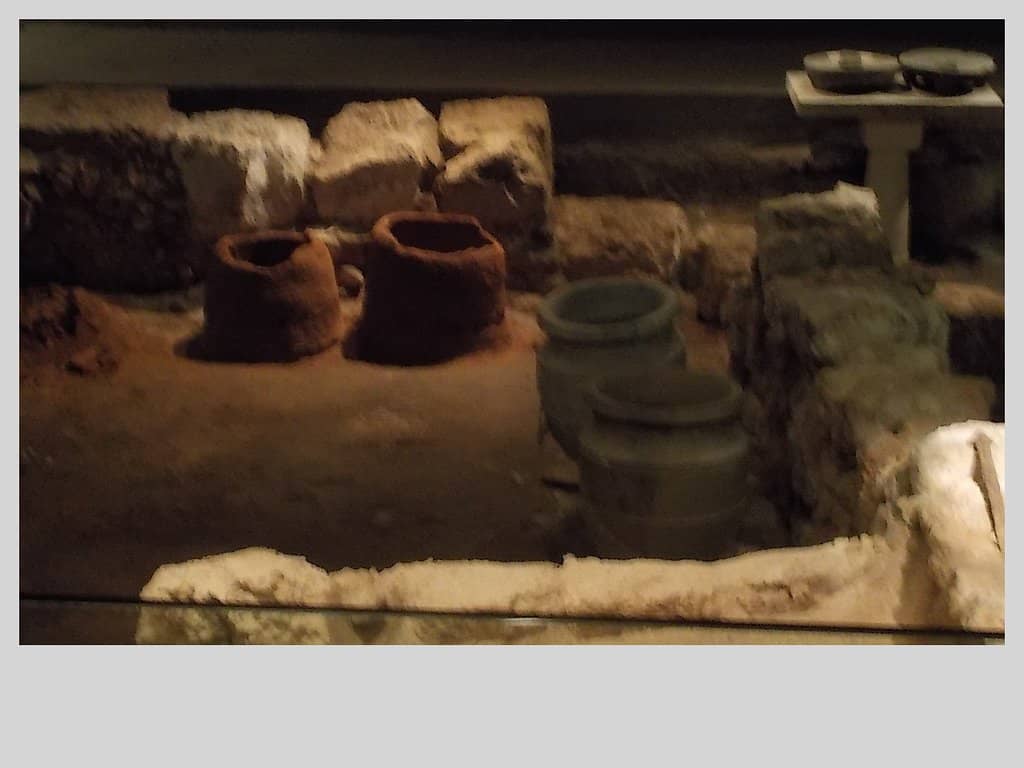
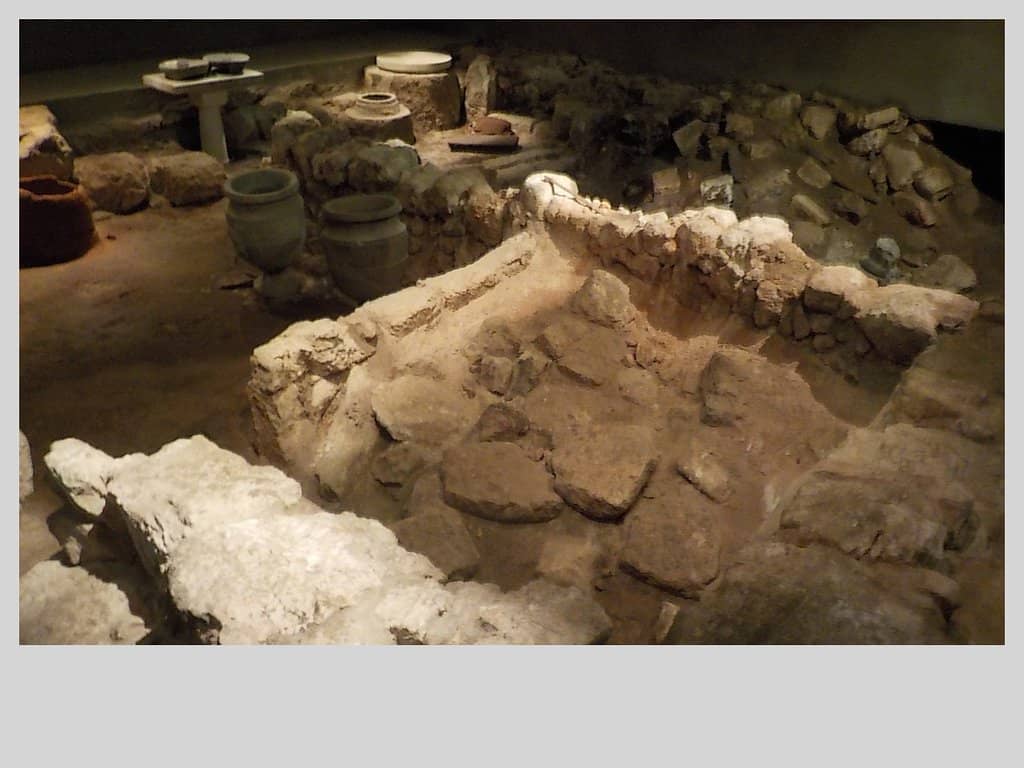
Explore artifacts and architectural details that reveal the wealth and lifestyle of Jerusalem's ancient elite.
Plans like a pro.
Thinks like you
Planning Your Visit
Timing Your Visit to the Burnt House
Understanding the Significance

Best Times
Insider Tips
from TikTok, Instagram & Reddit
Allocate Enough Time
Allow at least 1-2 hours to fully appreciate the museum and its film.
Wear Comfortable Shoes
You'll be walking through an archaeological site, so comfortable footwear is a must. :athletic_shoe:
Consider a Guided Tour
For deeper insights, inquire about guided tours to understand the historical context better.
Prepare for Emotional Impact
The site is a powerful reminder of historical events; be prepared for a moving experience.
Tips
from all over the internet
Allocate Enough Time
Allow at least 1-2 hours to fully appreciate the museum and its film.
Wear Comfortable Shoes
You'll be walking through an archaeological site, so comfortable footwear is a must. :athletic_shoe:
Consider a Guided Tour
For deeper insights, inquire about guided tours to understand the historical context better.
Prepare for Emotional Impact
The site is a powerful reminder of historical events; be prepared for a moving experience.
What Travellers Say
Reviews Summary
Visitors consistently praise the Burnt House Museum for its remarkably preserved ruins and the impactful educational film that brings history to life. It's considered a must-visit for understanding the destruction of Jerusalem. Some find the site small, but its historical significance is undeniable.
"This is primarily a film exhibition about the destruction of Jerusalem and the various Jewish factions at the time. The physical site is not particularly engaging. I would strongly recommend also going to The Wohl Archaeological Museum, which has much more impressive remains of Second Temple era housing (and make sure to follow the provided pamphlet as a guide)."
Mendel Jedwab
"Surprisingly there are not so many places in Jerusalem where you can see how the city looked like 2000 years ago. There is the Temple Mount of course and few more places. To this museum you go to see houses where people used to live. Remains of few buildings give us a good idea how people lived in those days. "Living rooms", miquaots (for ritual washing), cisterns, mosaic floors. All of this destroyed by Romans in 70 AD, and the are also signed of this distraction. Price of admission is very reasonable, the whole visit could be done in 20-30 minutes."
Daniel Burlakov
"A Unique experience, interactive show about Jerusalem 2000 years ago, highly recommend with one warning. there is no elevator to go down and there is many steps (about 25). A bit difficult for older people."
Guy Leibo
What People Like
What People Dislike
Frequently Asked Questions
🚇 🗺️ Getting There
The Burnt House Museum is located in the Old City of Jerusalem, near the Cardo. You can reach it by walking through the Old City's gates, such as Jaffa Gate or Dung Gate, and following signs. Public transportation options are available to reach the Old City perimeter.
Yes, you can take buses to the Old City of Jerusalem. From there, it's a walk to the museum. Check local bus routes for the most convenient options.
The museum is situated in the Jewish Quarter of the Old City, close to the Cardo. It's a well-marked site once you are in the vicinity.
Driving directly to the museum within the Old City is not possible due to pedestrian-only zones. Parking is available outside the Old City walls, followed by a walk or taxi ride in.
The museum is near the Cardo, the Western Wall, and the Hurva Synagogue in the Jewish Quarter.
🎫 🎫 Tickets & Entry
Opening hours can vary, so it's best to check the official website or contact the museum directly before your visit. Generally, it's open during daytime hours.
Admission fees are typically modest. Prices can change, so it's advisable to verify current ticket costs online or upon arrival.
Booking in advance is usually not required, especially for individuals. However, for larger groups, it's recommended to inquire about group reservations.
Discounts may be available for students, seniors, or children. It's worth asking at the ticket counter or checking their website for any special offers.
The museum is generally suitable for all ages, but the historical content might be more engaging for older children and adults. The film is also a key part of the experience.
🎫 🏛️ Onsite Experience
You'll see the remarkably preserved ruins of a wealthy priest's home from the Second Temple period, including mosaics, frescoes, and household items. An educational film provides historical context.
A visit usually takes about 1 to 2 hours, including time to watch the informative film and explore the archaeological site.
Photography policies can vary. It's best to check for signage or ask museum staff if photos are permitted, especially without flash.
While it's a significant historical site related to Jewish history during the Second Temple period, it functions as a museum and archaeological site rather than an active place of worship.
It represents a well-preserved example of a wealthy Jerusalemite home destroyed during the Roman siege in 70 CE, offering insights into life before the destruction of the Second Temple.
📸 📸 Photography
The preserved mosaics and architectural details offer unique photographic opportunities. The overall atmosphere of the ruins can also be captured.
Generally, photography is not allowed during film screenings to respect the viewing experience of others.
Flash photography is often prohibited in archaeological sites to protect delicate artifacts and frescoes. Always check for specific rules.
A camera with good low-light capabilities is beneficial, as some areas might be dimly lit. A wide-angle lens can help capture the scope of the ruins. :iphone:
Selfies are usually permitted, but be mindful of other visitors and avoid obstructing pathways or displays.
You may also like

Wohl Archaeological Museum (Herodian Quarter) Jerusalem

Garden Tomb Jerusalem

Hurva Synagogue Jerusalem

St John the Baptist Church Ein Kerem Jerusalem

The First Station Jerusalem

Great Synagogue Jerusalem
Wohl Archaeological Museum (Herodian Quarter) Jerusalem
Garden Tomb Jerusalem
Hurva Synagogue Jerusalem
St John the Baptist Church Ein Kerem Jerusalem
The First Station Jerusalem
Great Synagogue Jerusalem

Hinnom Valley Park Jerusalem

Jewish Quarter Jerusalem

Mea Shearim Jerusalem

Old City Market (Suq) Jerusalem
Jericho Tell es-Sultan

Social
from TikTok, Instagram & Reddit