Mulbekh Monastery Kargil Ladakh India
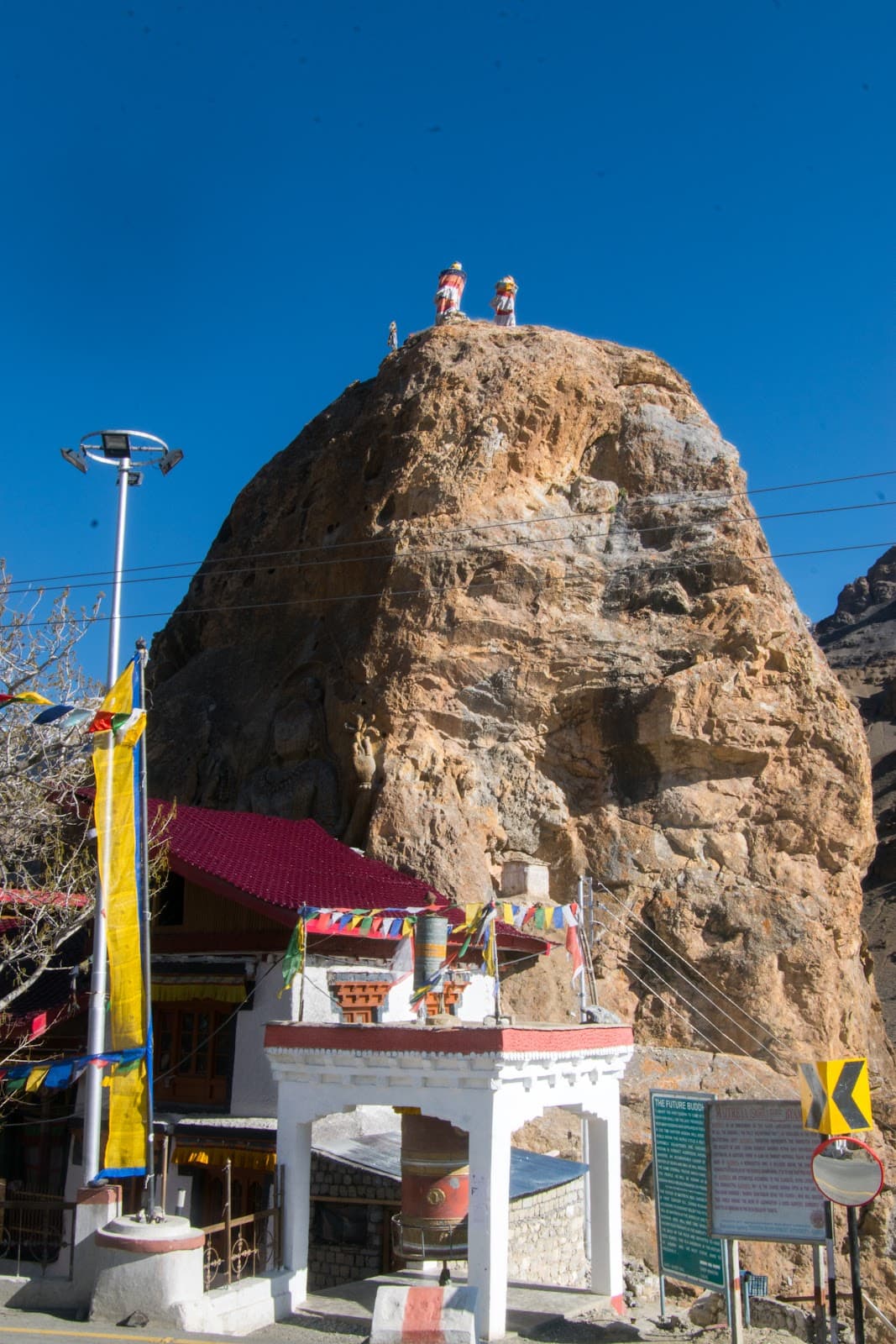
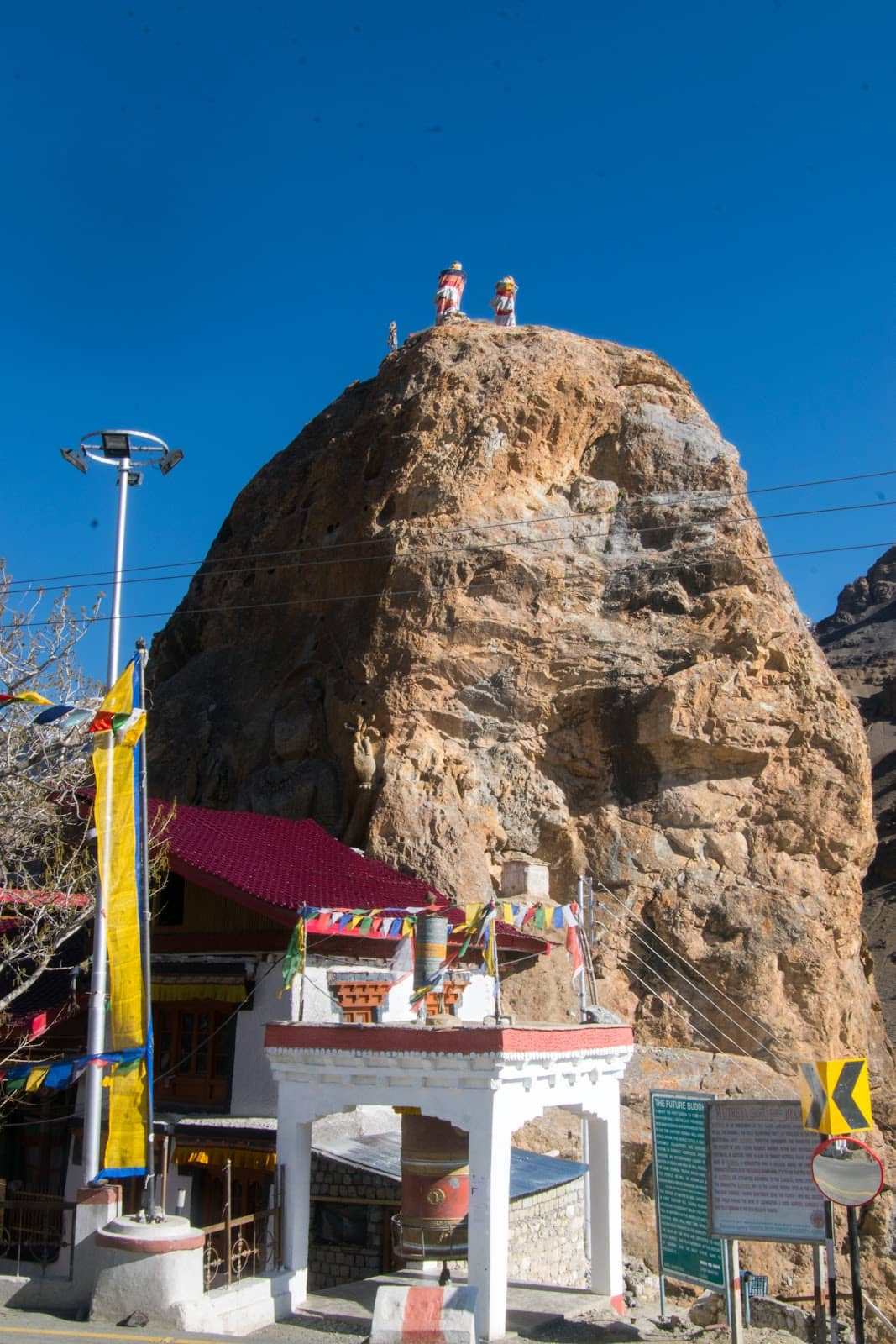
Ancient monastery with a colossal 30ft Buddha carved into rock, overlooking the historic Silk Route.
Highlights
Must-see attractions

Social
From TikTok & Reddit
Best Time
Pleasant weather for travel
Mulbekh Monastery Kargil Ladakh India
Best Time
Pleasant weather for travel
Highlights
Must-see attractions
Ancient monastery with a colossal 30ft Buddha carved into rock, overlooking the historic Silk Route.
"Awe-inspiring Maitreya Buddha carving and serene monastic atmosphere."

Entry Fee Details
Expect a small entry fee, around Rs 20 per person, to access the monastery grounds. :ticket:
Dress Modestly
Cover shoulders and knees when visiting this sacred site. :clothing:
Highlights
Discover the most iconic attractions and experiences
Maitreya Buddha Rock Sculpture
Base of the monastery
A colossal 30-foot 'Future Buddha' carved directly into a limestone rock face. A truly awe-inspiring sight!
Ancient Monastic Schools (Gompas)
Perched atop the rock
Explore the two distinct monastic schools, one Drukpa (Red Hat) and one Gelugpa (Yellow Hat), offering a glimpse into Tibetan Buddhism.
Panoramic Himalayan Views
Monastery grounds
Enjoy breathtaking vistas of the surrounding mountains and the historic Silk Route from this elevated vantage point.
Plans like a pro.
Thinks like you
Planning Your Visit
Timing Your Visit to Mulbekh Monastery
Respectful Exploration of Mulbekh Monastery
Best Times
Insider Tips
from TikTok, Instagram & Reddit
Entry Fee Details
Expect a small entry fee, around Rs 20 per person, to access the monastery grounds. :ticket:
Dress Modestly
Cover shoulders and knees when visiting this sacred site. :clothing:
Photography Etiquette
Ask permission before photographing monks or inside prayer halls. :camerawithflash:
Hydration is Key
Carry water, especially during warmer months, as the altitude can be dehydrating. :droplet:
Tips
from all over the internet
Entry Fee Details
Expect a small entry fee, around Rs 20 per person, to access the monastery grounds. :ticket:
Dress Modestly
Cover shoulders and knees when visiting this sacred site. :clothing:
Photography Etiquette
Ask permission before photographing monks or inside prayer halls. :camerawithflash:
Hydration is Key
Carry water, especially during warmer months, as the altitude can be dehydrating. :droplet:
Stop for Tea
Eateries opposite the Chamba offer a great spot for tea and a break. :tea:
What Travellers Say
Reviews Summary
Visitors consistently praise Mulbekh Monastery for its magnificent Maitreya Buddha rock carving and the spiritual ambiance of its twin gompas. The stunning Himalayan views and historical significance as a Silk Route landmark are also frequently highlighted. Some note the steep climb and limited facilities, but the overall experience is overwhelmingly positive.
"Mulbek Monastery is an ancient hilltop gompa near Kargil, famed for its majestic 9-meter Maitreya Buddha rock carving. A peaceful stop blending spirituality, history, and stunning Himalayan vistas."
Athul Jeev
"Very nice place. Spiritual place. There is big statue of of Lord Buddha.
The place has entry fee of Rs 20 per person."
Amitendra Mukherjee
"Kargil Gompa (also known as Kargil Monastery) is a prominent Buddhist monastery situated in the Kargil district of Jammu and Kashmir, India. Located in the Zanskar Valley, it holds great religious and cultural significance for the region’s Buddhist population. The monastery is known for its spiritual heritage and its stunning views of the surrounding mountainous terrain.
History of Kargil Gompa:
1. Foundation and Origins:
The Kargil Gompa was established centuries ago, though the exact date of its founding is not well-documented. The monastery is believed to have been originally founded by Buddhist monks in the Zanskar region, an area known for its historical ties to Tibetan Buddhism. It is one of the key Buddhist monasteries in the Kargil district and is part of the larger tradition of Ladakhi Buddhism, which is a subset of Tibetan Buddhism.
2. Significance:
The Kargil Gompa is not only an important religious site but also a center of Buddhist education and spiritual practices in the region. It has served as a place for meditation, prayers, and monastic studies for monks and pilgrims alike. The gompa plays a key role in preserving and promoting the Buddhist way of life, especially in a region where Tibetan Buddhism has a long history and deep roots.
3. Architecture and Layout:
The monastery features traditional Tibetan Buddhist architecture, with whitewashed walls and wooden windows. The main prayer hall (also called a gompa) houses several Buddhist statues, including a large statue of Maitreya Buddha, the future Buddha. The walls are adorned with intricate thangka paintings and sacred murals depicting scenes from the life of Buddha and other important Buddhist figures.
One of the notable features of the monastery is its serene location, situated on a hilltop overlooking the Kargil town. The setting provides a peaceful environment for meditation and worship, allowing monks and visitors to connect with nature and spirituality.
4. Role in the Kargil Region:
Kargil has a significant Buddhist population, and the Kargil Gompa has historically been an important part of the region’s religious life. The monastery is an important center for the Buddhist festivals, especially during events such as Losar (Tibetan New Year) and Tsechu (religious festivals), where mask dances and other rituals are performed by the monks to commemorate the teachings of Buddha and to ward off evil.
5. Cultural Preservation:
The monastery is a center of cultural preservation, where the Buddhist community in Kargil maintains its traditions, including religious ceremonies, festivals, and educational activities. The monks of Kargil Gompa continue to be involved in the study of Buddhist scriptures and philosophical teachings, ensuring the continuity of their religious heritage.
6. Recent Developments:
In recent years, the monastery has undergone some renovations and efforts have been made to preserve the heritage of the gompa, which faces challenges due to its remote location and harsh weather conditions. The region’s Buddhist culture and traditions are being actively preserved through the monastery’s activities.
Conclusion:
The Kargil Gompa stands as an important religious and cultural institution in the region, linking the people of Kargil to the broader tradition of Tibetan Buddhism. With its serene setting, rich history, and role as a center for spiritual practice and learning, the monastery remains a symbol of Buddhist heritage in the Kargil district and a significant site for those visiting the region."
khushal shukle
What People Like
What People Dislike
Frequently Asked Questions
🚇 🗺️ Getting There
Mulbekh Monastery is conveniently located on the Srinagar-Leh Highway, about 40 km from Kargil. You can hire a taxi or take a shared taxi from Kargil. The journey offers scenic views of the Himalayan landscape. 
While direct public buses might be infrequent, shared taxis are a common and affordable way to reach Mulbekh Monastery from Kargil. These often run along the main highway.
The Srinagar-Leh Highway is generally well-maintained, especially during the tourist season. However, road conditions can vary, and it's advisable to check local updates.
Absolutely! Mulbekh Monastery is a popular and worthwhile stop on the route between Kargil and Leh, often visited alongside other attractions like Namika La and Fotu La passes.
Mulbekh Monastery is approximately 150 km from Leh, making it a significant stop on the journey between the two major towns in Ladakh.
🎫 🎫 Tickets & Entry
Yes, there is a nominal entry fee, typically around Rs 20 per person, to access the monastery and its grounds.
While specific hours can vary, monasteries are generally open from morning until late afternoon. It's best to visit during daylight hours for the best experience and to respect prayer times.
No, advance booking is not usually required for Mulbekh Monastery. Tickets are typically purchased at the entrance.
Visitors are expected to dress modestly, covering shoulders and knees. Photography may be restricted in certain areas, so always be observant of local customs and signage.
Visiting during festivals can be a unique experience, but it might also mean larger crowds. It's advisable to check local calendars for festival dates.
📸 📸 Photography
The Maitreya Buddha rock carving is a must-capture. Also, the panoramic views from the monastery grounds and the intricate details of the gompas offer excellent photographic subjects.
Photography inside the prayer halls and sacred areas is often restricted. Always look for signs or ask a monk for permission before taking photos.
Early morning or late afternoon light can be ideal for capturing the beauty of the monastery and the surrounding landscape, offering softer light and fewer crowds.
Drone usage is generally restricted in and around religious sites and sensitive areas in India. It's best to avoid bringing drones to prevent any issues.
A wide-angle lens is great for the Buddha carving and landscapes, while a telephoto lens can be useful for capturing details of the monastery architecture and distant mountain peaks.
🎫 ⛰️ Onsite Experience
The monastery is situated at a high altitude, with the monastery itself perched at around 11,495 feet above sea level.
Allow at least 1-2 hours to explore the monastery, admire the Buddha carving, and soak in the views. If you plan to visit the eateries, add more time.
Basic facilities might be available, but it's always a good idea to use restrooms before you arrive or at designated stops along the highway.
The Maitreya Buddha, or 'Future Buddha,' carving is a significant religious icon, believed to represent the coming Buddha. It's a testament to ancient artistry and devotion.
Monks are generally welcoming, but it's important to be respectful of their routines and privacy. A polite greeting is appreciated.
For Different Travelers
Tailored advice for your travel style
👨👩👧 Families with Kids
The climb to the monasteries can be a bit steep, so keep this in mind for very young children or those with mobility issues. Consider carrying snacks and water, as facilities are limited. 🚶 Solo Travelers & Backpackers
The monastery is easily reachable via shared taxis from Kargil, making it budget-friendly. Take your time to absorb the serene atmosphere, interact respectfully with locals if opportunities arise, and enjoy the stunning mountain panoramas. 📸 Photographers
+1 The twin gompas provide opportunities for architectural photography, and the sweeping Himalayan vistas are perfect for landscape shots. Remember to be mindful of local customs and seek permission before photographing monks or religious ceremonies. Deep Dives
In-depth insights and expert knowledge
The Majestic Maitreya Buddha
The sculpture is so significant that the monastery itself is often referred to as 'Mulbekh Chamba.' At the base of the carving, you'll find a temple housing precious relics and frescoes, adding another layer of spiritual depth to the site. A large prayer wheel is also located nearby, inviting visitors to spin it for good fortune.
This ancient carving is not just a tourist attraction; it's a vital part of the region's cultural and religious heritage. It represents the enduring legacy of Buddhism in Ladakh and its ability to inspire awe across centuries.
Exploring the Twin Monasteries
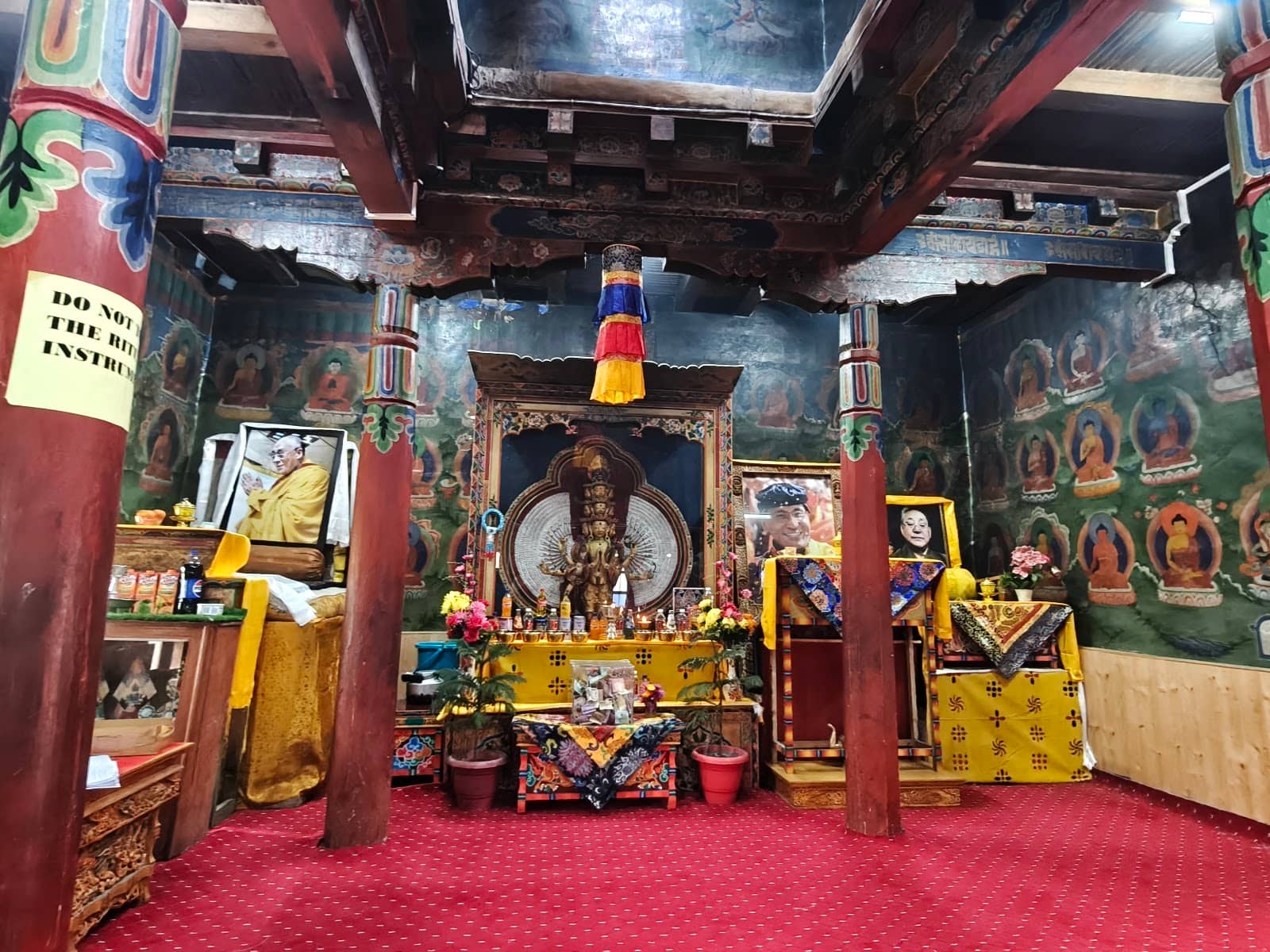
Ascending to these gompas involves a steep but rewarding climb. Once there, you can explore the interiors, which often feature vibrant thangka paintings, statues of deities, and sacred texts. The atmosphere within these ancient walls is one of profound peace and spirituality.
The monks here continue to practice their traditions, preserving centuries-old rituals and teachings. These twin monasteries are not only centers of religious practice but also custodians of Ladakhi Buddhist culture. They play a crucial role in educating young monks and maintaining the spiritual fabric of the Kargil district.
The Historic Silk Route Connection
The monastery's vantage point allowed it to observe and perhaps even influence the travelers passing through this vital artery of commerce.The presence of the Maitreya Buddha carving, visible from the highway, would have been a significant landmark for traders and pilgrims alike. It served as a spiritual beacon and a testament to the region's deep-rooted Buddhist heritage.
Today, the highway that runs past Mulbekh Monastery is a modern iteration of this ancient route, still connecting Ladakh to the outside world. Visiting Mulbekh offers a chance to reflect on this rich history and the enduring legacy of the Silk Route, with the monastery standing as a silent witness to centuries of passage and cultural exchange.
Social
from TikTok, Instagram & Reddit