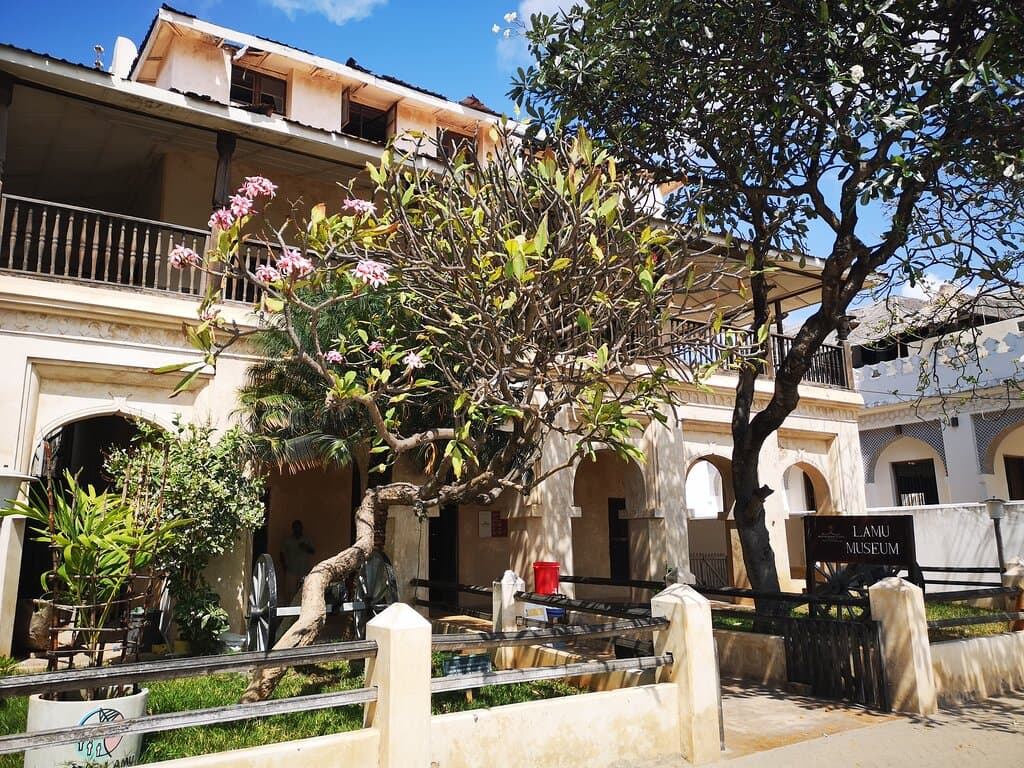
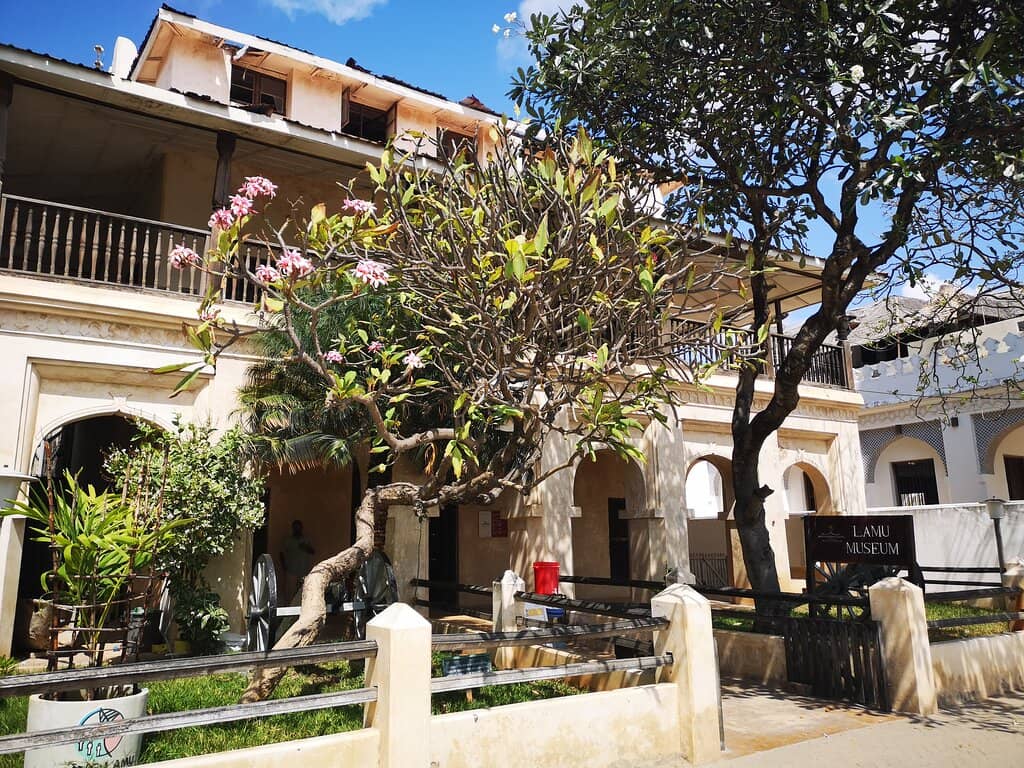
Lamu Fort & Swahili House Museum Lamu
Explore Lamu Fort, a 19th-century Omani stronghold turned prison, now a cultural hub showcasing Swahili history and art.

Highlights
Must-see attractions

Social
From TikTok & Reddit
Best Time
Beat the heat and crowds
Lamu Fort & Swahili House Museum Lamu
Best Time
Beat the heat and crowds
Highlights
Must-see attractions
Explore Lamu Fort, a 19th-century Omani stronghold turned prison, now a cultural hub showcasing Swahili history and art.
"The view from the top is the best part for me."
🎟️ Ticket Troubles? Be Prepared
eCitizen can be unreliable. Have cash ready for direct payment to guardians if needed.
🚶 Hire a Local Guide
Enhance your understanding of the fort's history; a small tip is appreciated.
Quick Facts
Highlights
Discover the most iconic attractions and experiences
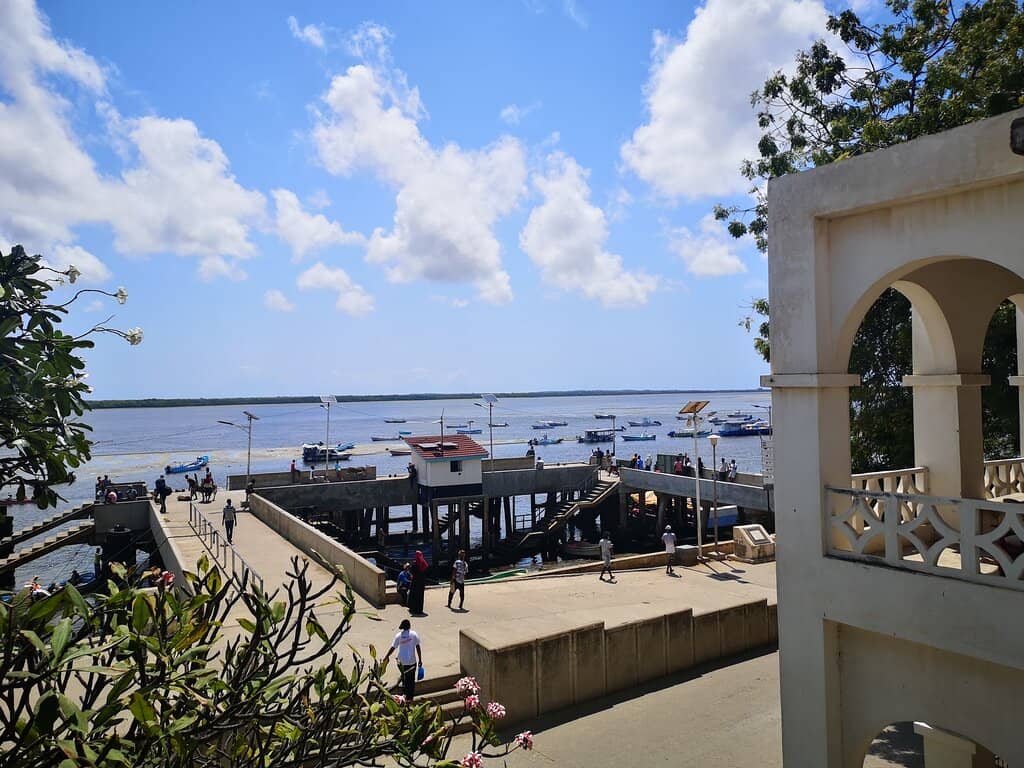
Panoramic Views from the Top
Rooftop
Ascend to the top for breathtaking vistas of Lamu Old Town and the surrounding ocean.
Kanga Stories Exhibition
Inside the Fort
Discover the origins, history, and cultural significance of the vibrant Kanga cloth.
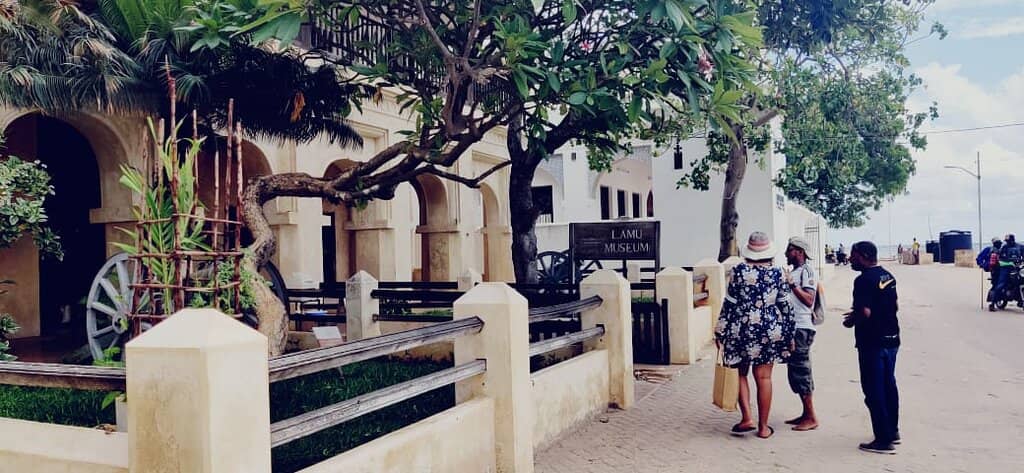
Historical Architecture
Throughout the Fort
Explore the 19th-century Omani architecture, a testament to Lamu's rich past.

Plans like a pro.
Thinks like you
Planning Your Visit
Navigating Lamu Fort & Swahili House Museum
Timing Your Visit for History and Views
Best Times
Insider Tips
from TikTok, Instagram & Reddit
🎟️ Ticket Troubles? Be Prepared
eCitizen can be unreliable. Have cash ready for direct payment to guardians if needed.
🚶 Hire a Local Guide
Enhance your understanding of the fort's history; a small tip is appreciated.
📸 Capture the Views
The rooftop offers stunning panoramic views of Lamu Old Town.
🏛️ History & Culture Hub
Learn about Swahili culture, poetry, and Lamu's past.
Tips
from all over the internet
🎟️ Ticket Troubles? Be Prepared
eCitizen can be unreliable. Have cash ready for direct payment to guardians if needed.
🚶 Hire a Local Guide
Enhance your understanding of the fort's history; a small tip is appreciated.
📸 Capture the Views
The rooftop offers stunning panoramic views of Lamu Old Town.
🏛️ History & Culture Hub
Learn about Swahili culture, poetry, and Lamu's past.
👟 Comfortable Shoes Recommended
You'll be doing a lot of walking around the historic site.
What Travellers Say
Reviews Summary
Lamu Fort offers a rich historical experience with interesting exhibits like the Kanga Stories and impressive rooftop views. However, visitors often encounter difficulties with ticket purchasing via eCitizen and note that parts of the fort are neglected or inaccessible. The historical content is valuable but could benefit from modernization.
"Very difficult to buy a ticket through ecitizen. Fort is neglected. Contents of history of Lamu and Swahili culture is interesting but in dire need of modernization. Library appears indefinitely closed? Quite unclear conflicting info."
Barbara
"Its very educational on the history of lamu. The view from the top is the best part for me."
Phillip Manni
"Lamu Fort has a wealth of history residing in its walls and lines. Built by the Sultan of Oman in the second decade at the start of the 19th century, it served to protect Lamu from invaders after the battle of Shela. The Fort served as a prison during the British imperialist conquest and is still locally referred to as 'gereza', Kiswahili for prison. Most of the rooms have been converted to offices and padlocked away from public view. The space could do with some love, as most historical sites in Kenya, but I was proud to see the curation of the Kanga Stories; origins, history, and significance of that powerful piece of cloth. The fort also hosts a library, a music studio, and spaces to conduct Swahili ceremonies.
We had the pleasure of being guided by one of the staff, Danson, who did a good job. Just a small token of appreciation was expected after."
Mwaniki Nyaga
What People Like
What People Dislike
Frequently Asked Questions
🚇 🗺️ Getting There
Lamu Fort is located in the heart of Lamu Old Town. You can reach Lamu Island by flight to Manda Airport (LAU) or by bus to Mokowe, followed by a boat transfer to Lamu Town. Once in Lamu Town, the fort is easily accessible on foot as it's a car-free island.
No, Lamu Old Town is a UNESCO World Heritage site and is famously a car-free zone. Transportation within the town is primarily by foot or donkey.
Many travelers opt for flights to Manda Airport for convenience. Alternatively, you can take a bus from major cities like Nairobi or Mombasa to Mokowe, then a boat to Lamu Town. +1
While some may have concerns about road travel, many visitors report safe journeys. Traveling during daylight hours is generally recommended.
The most common and enjoyable way to get around Lamu Old Town is by walking. Donkeys are also a traditional mode of transport.
🎫 🎫 Tickets & Entry
Entry fees are typically KES 250 for residents and KES 400 for non-residents. However, the eCitizen online ticketing system can be problematic, so be prepared for potential issues and have cash on hand.
While an online portal (eCitizen) exists, many visitors find it difficult to purchase tickets. It's advisable to have cash for on-site payment or to pay the guardian directly.
Opening hours can vary, but it's generally open during daylight hours. It's best to check locally or with your accommodation for the most up-to-date information.
Yes, the entrance fee for Lamu Fort often includes access to Takwa Ruins, offering great value for exploring multiple historical sites.
Information on refunds is not readily available. It's best to ensure your ticket purchase is successful before leaving the point of sale.
🎫 🧭 Onsite Experience
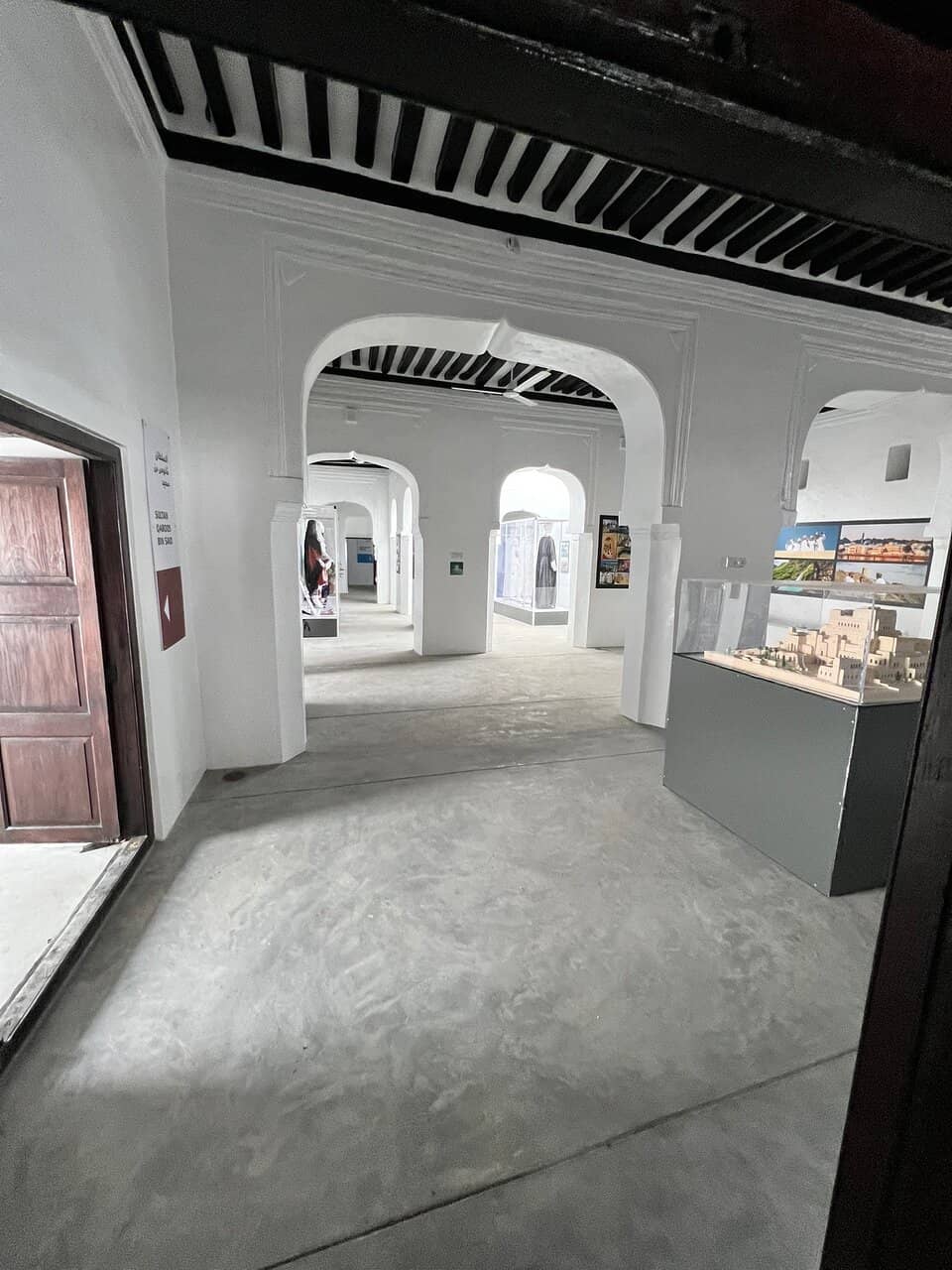
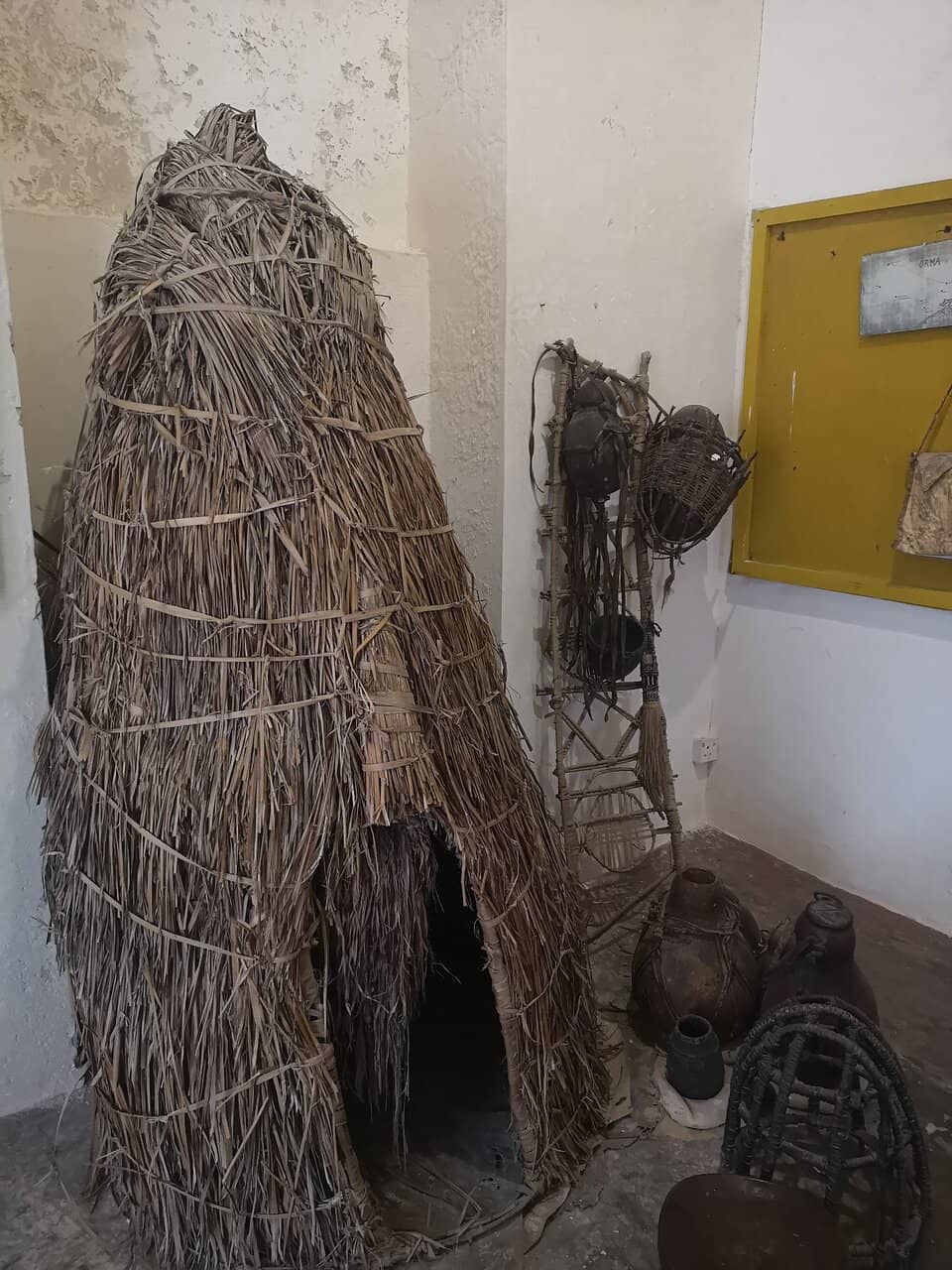
Inside, you'll find historical exhibits, including the 'Kanga Stories' detailing the significance of this traditional cloth. Some rooms are offices and may be padlocked.
Yes, staff members are often available to provide guided tours. Hiring a guide can significantly enhance your understanding of the fort's history.
Built in the early 19th century by the Sultan of Pate, it served as a defensive structure and later as a prison during the colonial era. It's a key part of Lamu's Swahili heritage.
The fort houses a library with Swahili poetry, a music studio, and spaces for Swahili ceremonies. Some areas are converted into offices.
Many visitors highlight the panoramic views from the rooftop as the best part, offering a unique perspective of Lamu Old Town.
🍽️ 🍽️ Food & Dining
Lamu Old Town has numerous local eateries and restaurants offering delicious Swahili cuisine. You can find options for various budgets.
Expect authentic Swahili dishes, often featuring fresh seafood, rice, and aromatic spices. Don't miss trying local delicacies.
While street food can be tempting, it's generally advisable to eat at established restaurants or cafes to minimize any risk.
Many Swahili dishes can be adapted for vegetarians, often featuring lentil stews, vegetable curries, and rice. Inquire with your server.
It's generally not recommended to bring outside food and drinks into historical sites. There are usually vendors or cafes nearby if you need refreshments.
📸 📸 Photography
Photography is generally allowed inside Lamu Fort, but it's always good practice to be respectful of any signage or staff instructions.
The rooftop offers stunning panoramic views, and the intricate architectural details throughout the fort provide excellent photo opportunities.
Drone usage may be restricted in historical and cultural sites. It's advisable to check local regulations before flying a drone.
Mornings and late afternoons offer softer light, ideal for capturing the fort's textures and the surrounding town.
Always ask for permission before taking photos of individuals, especially in culturally sensitive areas.
Social
from TikTok, Instagram & Reddit