
Ndia Kuu Street Old Town
Step back in time in Ndia Kuu Street Old Town, Mombasa's historic heart, where Swahili culture and intricate architecture tell tales of centuries past...

Highlights
Must-see attractions

Social
From TikTok & Reddit
Best Time
Cooler temperatures, fewer crowds
Ndia Kuu Street Old Town
Best Time
Cooler temperatures, fewer crowds
Highlights
Must-see attractions
Step back in time in Ndia Kuu Street Old Town, Mombasa's historic heart, where Swahili culture and intricate architecture tell tales of centuries past.

🚶♀️ Wander & Get Lost
Embrace the maze-like streets; the best discoveries are often unplanned. Allow yourself to explore.
👟 Comfortable Footwear is Key
Cobblestone streets and uneven paths require sturdy, comfortable shoes for a pleasant exploration.

Quick Facts
Address
Highlights
Discover the most iconic attractions and experiences
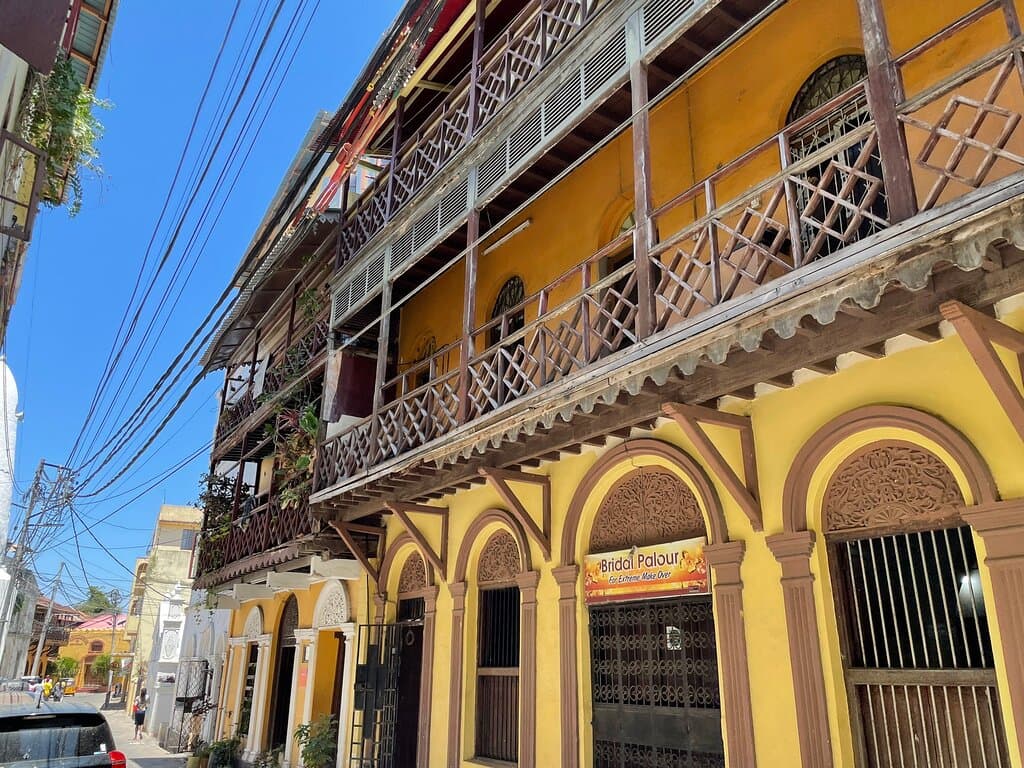
Swahili Architecture
Throughout Old Town
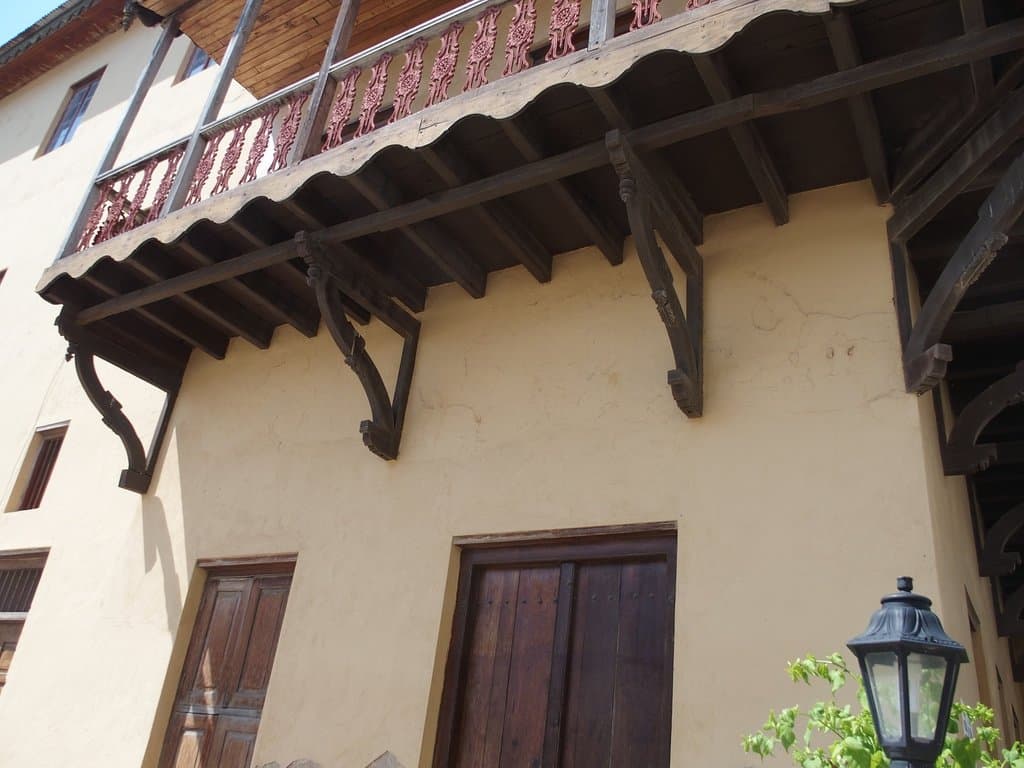
Marvel at intricately carved wooden doors and balconies, a testament to centuries of Swahili heritage.

Local Markets
Various points in Old Town
Experience the vibrant pulse of local life, from spices to textiles, in bustling market stalls.

Historic Mosques
Central Old Town
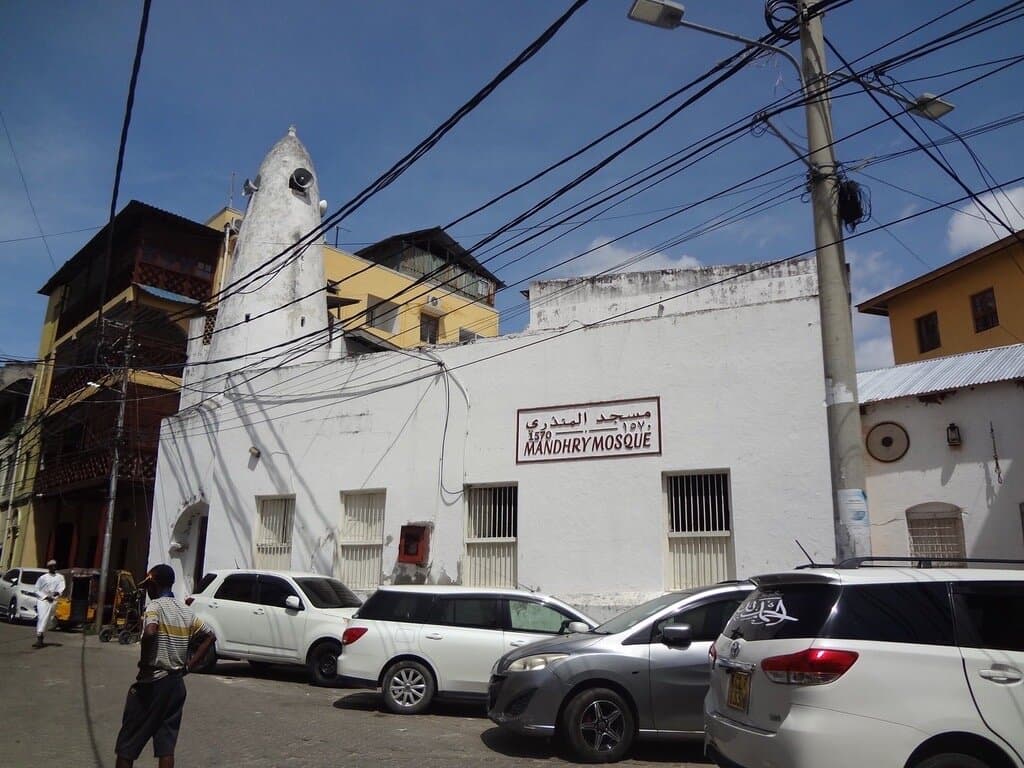
Admire the serene beauty and historical significance of ancient mosques dotting the old town.
Plans like a pro.
Thinks like you
Planning Your Visit
Embrace the Atmosphere
Dress Comfortably & Respectfully
Best Times
Insider Tips
from TikTok, Instagram & Reddit
🚶♀️ Wander & Get Lost
Embrace the maze-like streets; the best discoveries are often unplanned. Allow yourself to explore.
👟 Comfortable Footwear is Key
Cobblestone streets and uneven paths require sturdy, comfortable shoes for a pleasant exploration.
📸 Capture the Details
Focus on the intricate carvings, colorful doors, and unique textures for stunning photos.
🤝 Engage with Locals
Friendly interactions can lead to fascinating stories and insights into the local culture.
Tips
from all over the internet
🚶♀️ Wander & Get Lost
Embrace the maze-like streets; the best discoveries are often unplanned. Allow yourself to explore.
👟 Comfortable Footwear is Key
Cobblestone streets and uneven paths require sturdy, comfortable shoes for a pleasant exploration.
📸 Capture the Details
Focus on the intricate carvings, colorful doors, and unique textures for stunning photos.
🤝 Engage with Locals
Friendly interactions can lead to fascinating stories and insights into the local culture.
What Travellers Say
Reviews Summary
Visitors praise Ndia Kuu Street Old Town for its authentic historical atmosphere and unique Swahili architecture, especially the intricately carved doors. The vibrant local life and sensory experience of the markets are also frequently highlighted as major draws. Some find the narrow streets a bit disorienting, and occasional touts can be a minor nuisance.
What People Like
What People Dislike
Frequently Asked Questions
🚇 🗺️ Getting There
Ndia Kuu Street Old Town is easily accessible from Mombasa city center. You can take a taxi or a local matatu (minibus). The journey is short, typically around 10-15 minutes depending on traffic. Many visitors also enjoy walking if staying nearby, as it allows for a more immersive experience of the city's transition into the historic district.
Parking in the immediate vicinity of Ndia Kuu Street Old Town can be challenging due to its narrow, historic streets. It's advisable to park in designated areas slightly further out and walk in, or rely on taxis and ride-sharing services for drop-off and pick-up.
Yes, local matatus are a very common and affordable way to reach the Old Town area from various parts of Mombasa. Look for matatus heading towards the 'Old Town' or 'Kizingo' areas. Be prepared for a lively and sometimes crowded ride!
🎫 🎫 Tickets & Entry
No, Ndia Kuu Street Old Town is a public area and does not require an entrance ticket. You are free to wander its streets and soak in the atmosphere at your own pace.
Ndia Kuu Street Old Town is always accessible, as it's a living neighborhood. However, individual shops, cafes, and historical sites within the Old Town will have their own operating hours, typically from morning until early evening.
While the streets are free to explore, some specific historical buildings or museums within the Old Town might have a small admission fee for entry. It's best to check on-site for any charges.
🎫 🧭 Onsite Experience
Key attractions include the stunning Swahili architecture with its carved wooden doors, the vibrant local markets, and the historic mosques. Don't miss simply wandering the narrow alleys to discover hidden courtyards and local life.
Ndia Kuu Street Old Town is generally considered safe, especially during daylight hours. As with any busy area, it's wise to be aware of your surroundings, keep valuables secure, and avoid walking alone in deserted alleys late at night.
You can find a variety of local crafts, including intricately carved wooden items, textiles, spices, and traditional Swahili jewelry. Bargaining is often expected in the markets.
Yes, local guides are often available for hire in the Old Town. They can provide historical context and insights that you might miss on your own, enriching your experience.
The best way is on foot. Wear comfortable shoes and allow yourself to get lost in the labyrinthine streets. Take your time to admire the architecture and observe daily life.
🍽️ 🍽️ Food & Dining
Several small eateries and restaurants within the Old Town offer authentic Swahili cuisine. Look for dishes like pilau, biryani, and seafood curries. Ask locals for their recommendations for the most traditional experiences.
Yes, many Swahili dishes are naturally vegetarian or can be adapted. Lentil stews, vegetable curries, and rice dishes are common. Don't hesitate to ask about ingredients.
Keep an eye out for local snacks like mandazi (Swahili doughnuts) or samosas from street vendors. Freshly squeezed fruit juices are also a refreshing option.
📸 📸 Photography
The entire Old Town is a photographer's dream! Focus on the detailed wooden doors, narrow alleyways bathed in sunlight, vibrant market scenes, and the unique architectural styles. The late afternoon 'golden hour' offers beautiful light.
Generally, photography is allowed, but it's always respectful to ask permission before taking close-up photos of individuals, especially women and children. Be mindful when photographing religious sites.
A versatile lens like a 24-70mm is great for capturing both street scenes and architectural details. A wide-angle lens can be useful for the narrow alleys. A smartphone with a good camera is also perfectly adequate.






Social
from TikTok, Instagram & Reddit