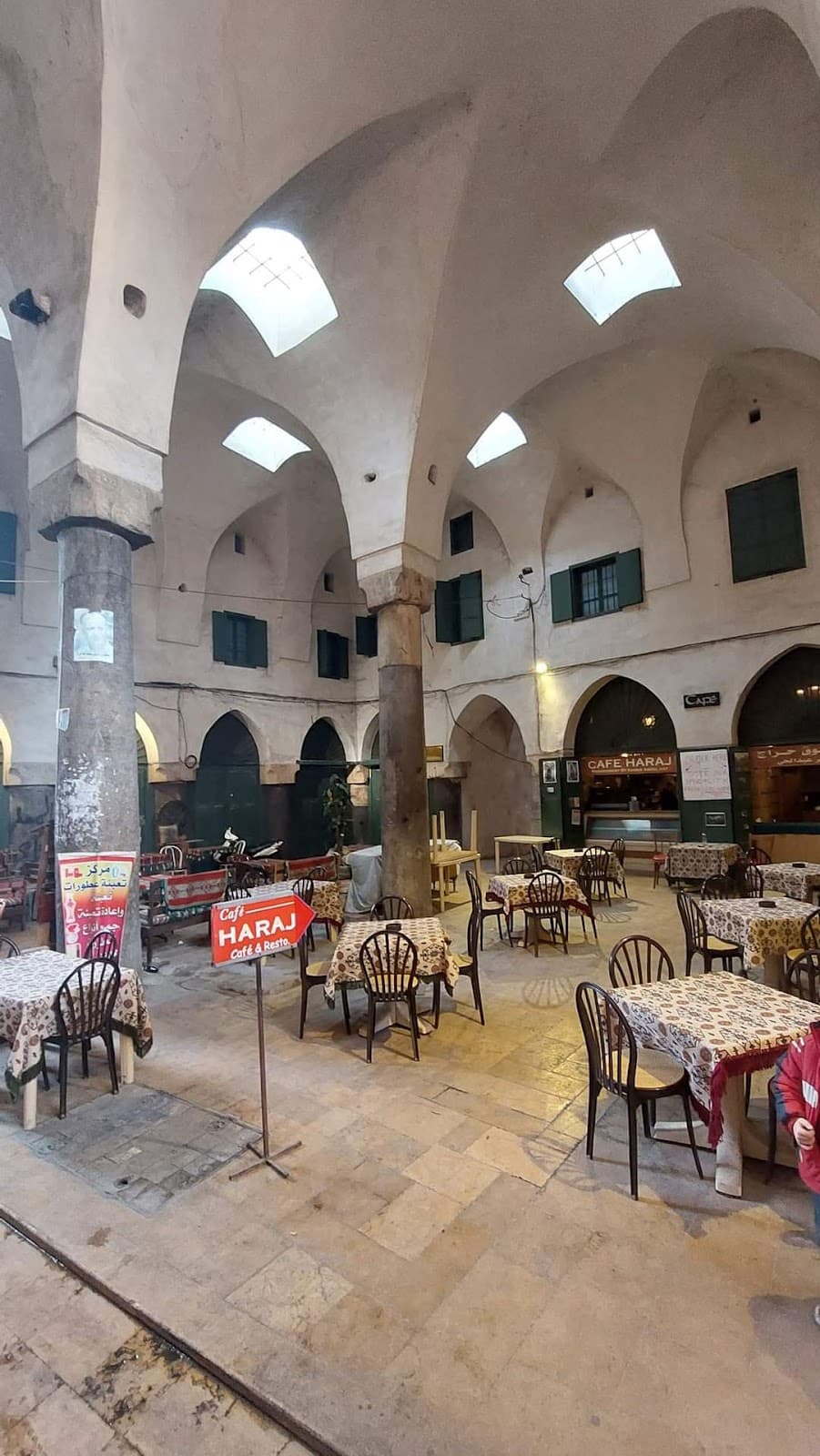
Old Souks Tripoli
A 700-year-old Mamluk market, Tripoli's Old Souks are a living labyrinth of history, crafts, and authentic Lebanese culture.
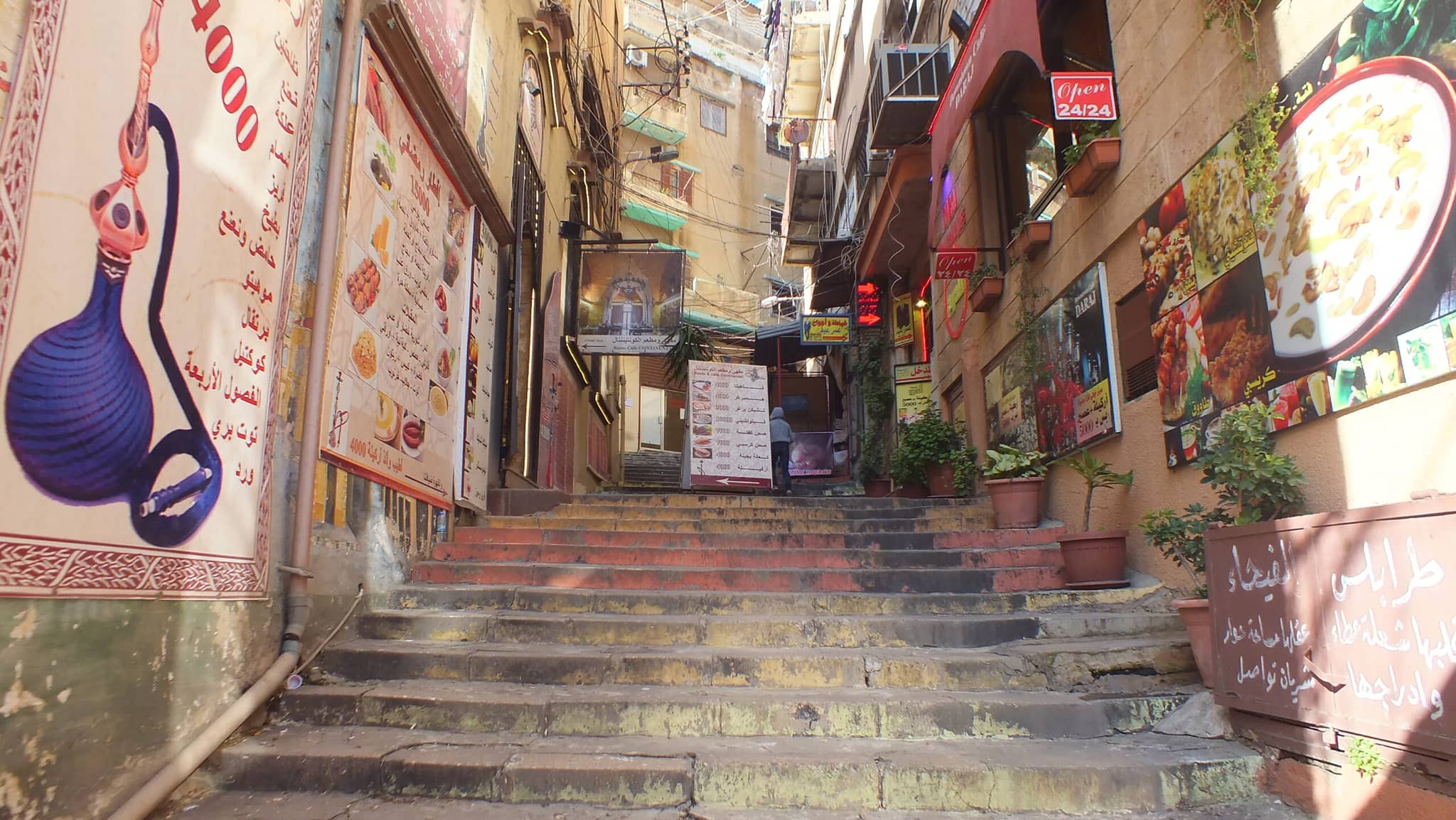
Highlights
Must-see attractions

Social
From TikTok & Reddit
Best Time
Experience local life
Old Souks Tripoli
Best Time
Experience local life
Highlights
Must-see attractions
A 700-year-old Mamluk market, Tripoli's Old Souks are a living labyrinth of history, crafts, and authentic Lebanese culture.
"It's both a market and a museum! Truly a treasure trove of artifacts and architecture."
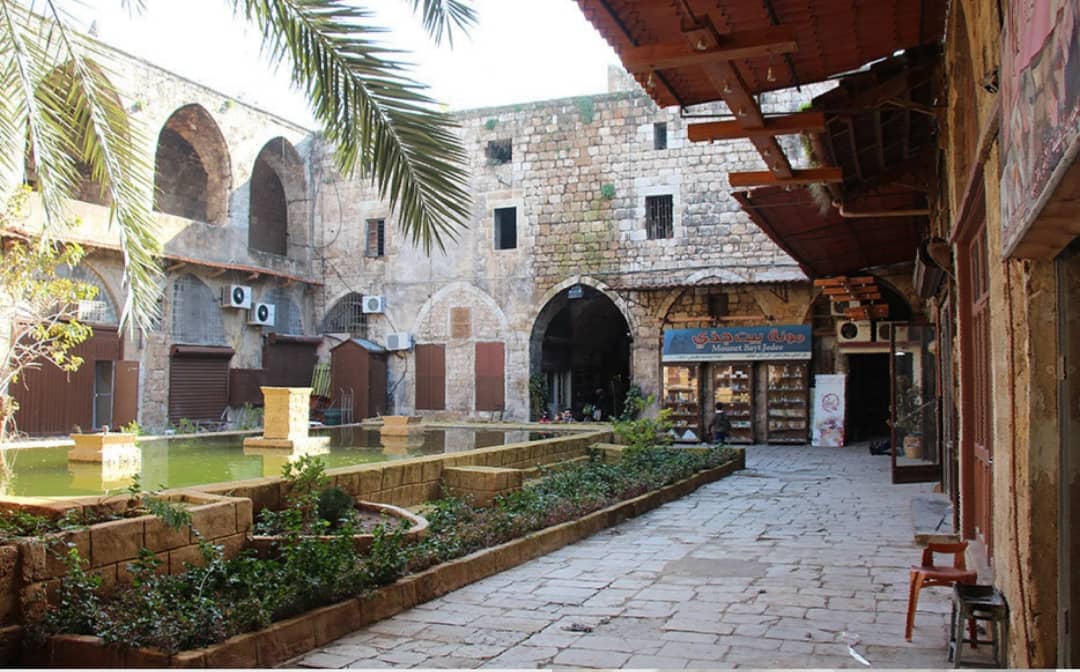
🚶♀️ Wander & Get Lost
Embrace the labyrinthine alleys; getting lost is part of the adventure! Discover hidden courtyards and artisan shops.
👟 Wear Comfy Shoes
Cobblestone streets and endless exploration demand comfortable footwear. You'll be doing a lot of walking!
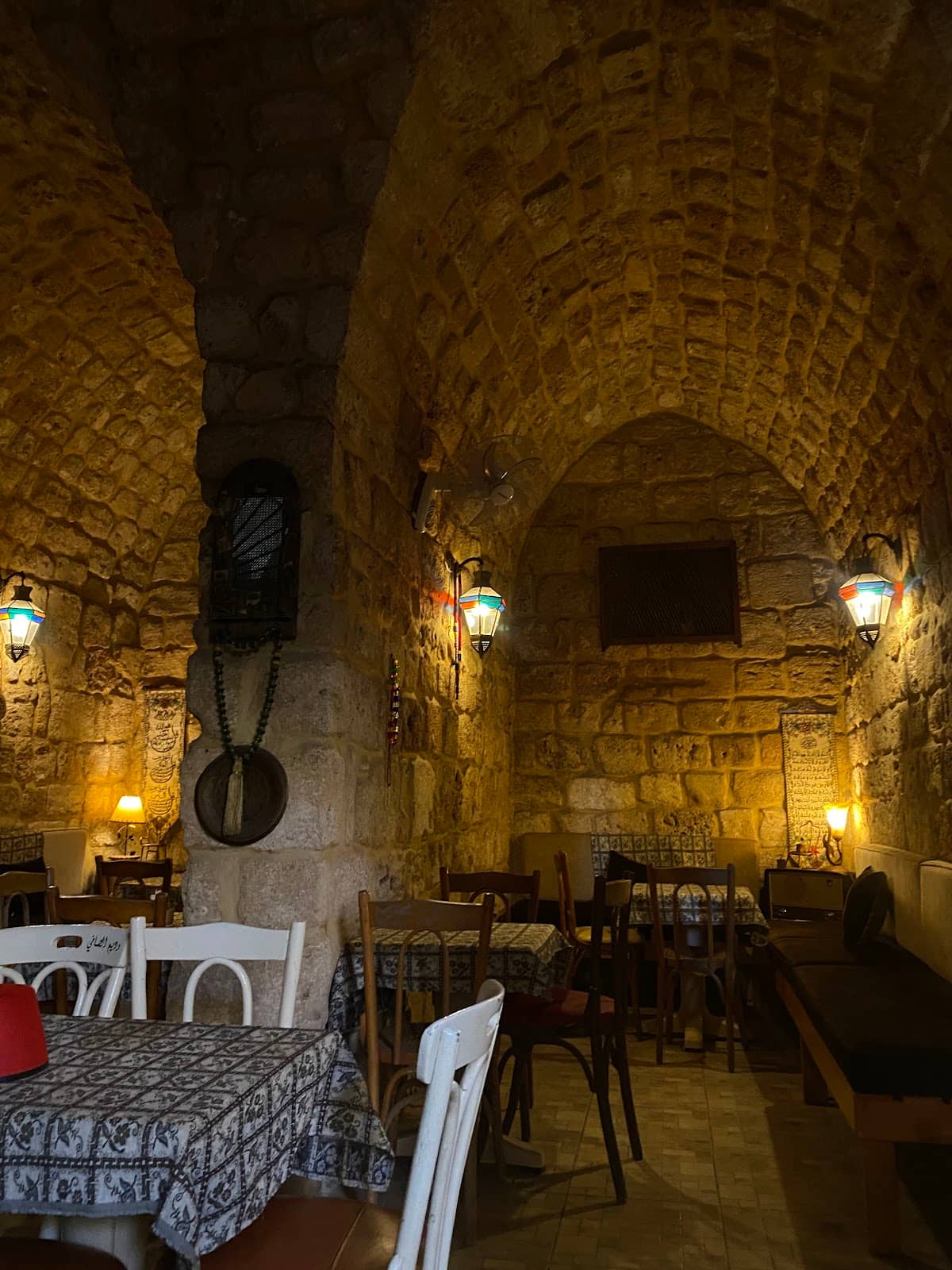
Quick Facts
Highlights
Discover the most iconic attractions and experiences
Mamluk Architecture
Throughout the souks
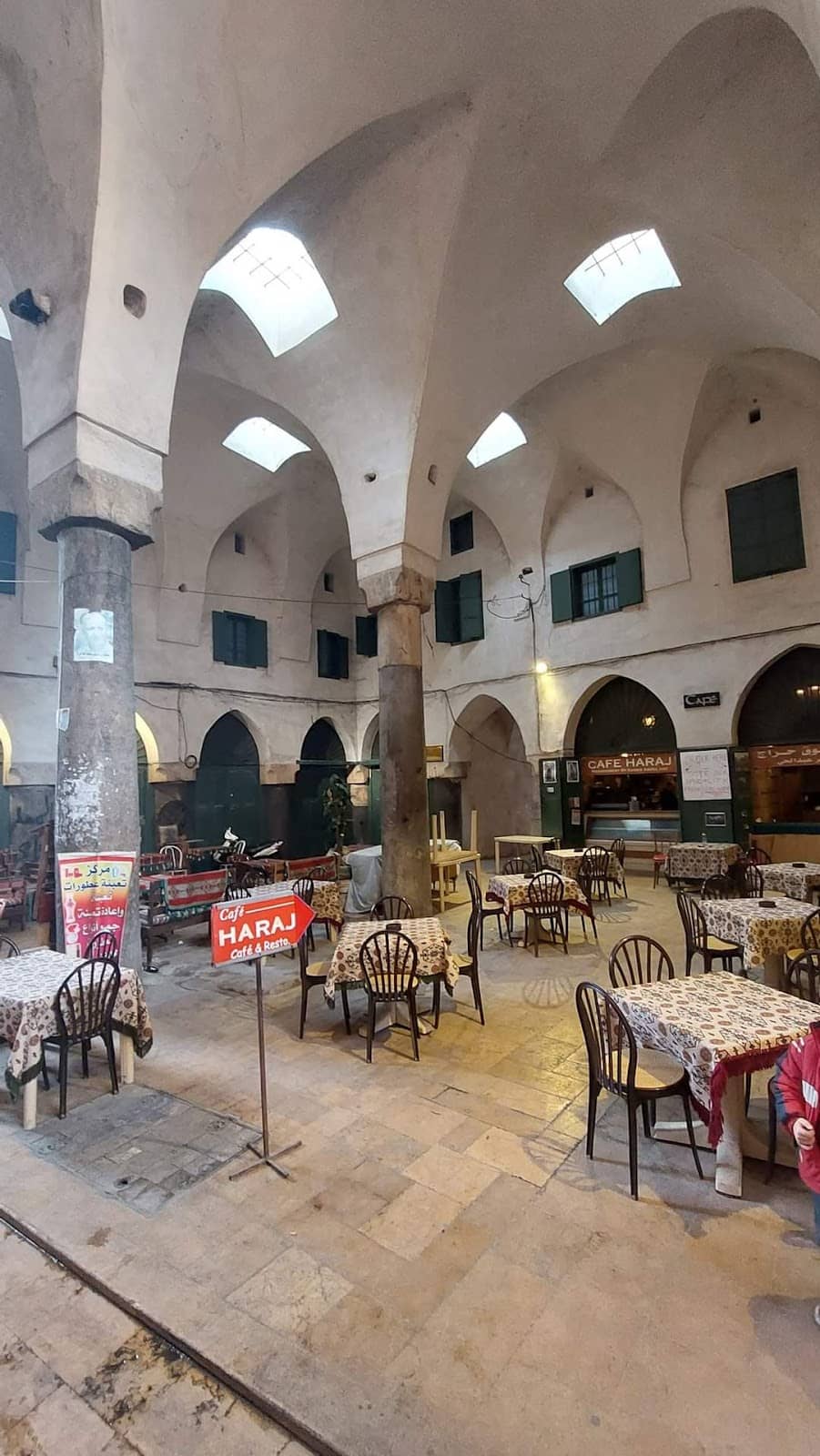
Marvel at the ancient stone vaults and intricate details of this 700-year-old market, a testament to Mamluk history.
Artisan Workshops
Various alleys
Witness coppersmiths at work, smell handmade organic soaps, and find unique crafts passed down through generations.
Traditional Street Food
Souk stalls and shops
Savor local delicacies like Maajouka Traboulise and the famous shawarma, a true taste of Tripoli.
Plans like a pro.
Thinks like you
Planning Your Visit
Embrace the Labyrinth
Authentic Local Experience
Best Times
Insider Tips
from TikTok, Instagram & Reddit
🚶♀️ Wander & Get Lost
Embrace the labyrinthine alleys; getting lost is part of the adventure! Discover hidden courtyards and artisan shops.
👟 Wear Comfy Shoes
Cobblestone streets and endless exploration demand comfortable footwear. You'll be doing a lot of walking!
💰 Bargain Respectfully
Good bargains are available, but always negotiate with a smile. Vendors are known for their kindness.
📸 Capture the Details
The souks are a photographer's dream. Look for intricate details in architecture and vibrant market scenes. 
Tips
from all over the internet
🚶♀️ Wander & Get Lost
Embrace the labyrinthine alleys; getting lost is part of the adventure! Discover hidden courtyards and artisan shops.
👟 Wear Comfy Shoes
Cobblestone streets and endless exploration demand comfortable footwear. You'll be doing a lot of walking!
💰 Bargain Respectfully
Good bargains are available, but always negotiate with a smile. Vendors are known for their kindness.
📸 Capture the Details
The souks are a photographer's dream. Look for intricate details in architecture and vibrant market scenes.
🍜 Taste Local Flavors
Don't miss traditional street food like Maajouka Traboulise and authentic shawarma.
What Travellers Say
Reviews Summary
Visitors rave about the Old Souks of Tripoli as a living museum and a vibrant cultural experience. They praise the authentic atmosphere, the historical architecture, and the warmth of the local people. While some note it's not as grand as other famous bazaars, its charm lies in its genuine feel and the opportunity to witness traditional crafts and taste local delicacies.
"Souq Haraj is a beautiful, 700-year-old market. While it may not be as large as the grand bazaars of Istanbul, it's definitely worth a walk."
MacMohi Andrd
"A beautiful old souq in the middle of the Tripoli city. A good place to walk around and soak in the culture"
Shaik Masood
"85 km North of Beirut lies a bustling city with an incredible area of commerce in their souks.
Its both a Market and a museum!
Truly a treasure trove of artifacts and architecture. From a vegetable market to soap production to coppersmiths. It’s a labyrinth and a tangled web of alleyways and stone vaulted rooms.
Once built by the Mamluks in the 13th century the souk is still alive and running! Sadly, it’s not being preserved and appreciated as it should be. The historical significance and value is incredible. The evidence and clues of the past are hidden in plain sight. Just be observant!
I spent days walking, chatting, photographing, feeling, and just appreciating all it has to offer. This is a place you could loose yourself for days.
The chatter of the vendors, the clicking of the coffee cups by the the Coffee man selling his Cinnamony black elixir, the fragrance of the next batch of handmade organic soap, or the banging of the coppersmith as he designs his next piece. It’s a feast for all senses.
The souks of Tripoli are a must if you love a unique cultural experience.
Follow me on Instagram the_travelwhisperer"
Jenny Johnson
What People Like
What People Dislike
Frequently Asked Questions
🚇 🗺️ Getting There
Tripoli is about 85 km north of Beirut. You can take a bus or a shared taxi (service) from Beirut's Charles Helou Bus Station. The journey typically takes 1.5 to 2 hours. Once in Tripoli, the souks are centrally located and easily accessible by local taxi.
Parking can be challenging in the immediate vicinity of the souks due to their historic and dense nature. It's often best to park a short walk away in a designated public parking area and explore on foot.
The Old Souks are a maze of narrow alleys. While maps can help, the best way to navigate is to wander and explore. Don't be afraid to ask locals for directions; they are generally very helpful.
Due to the ancient cobblestone paths and uneven terrain, the Old Souks can be challenging for those with mobility issues. Some main pathways might be manageable, but many smaller alleys are not wheelchair accessible.
Ride-sharing apps are available in Tripoli, but their availability and reliability might vary compared to larger cities. It's advisable to have local taxi numbers handy as a backup.
🎫 🎫 Tickets & Entry
No, entry to the Old Souks is free. It's a public market and a historic area that you can explore at your own pace.
The souks are generally open daily from morning until early evening. However, individual shop hours can vary, and some may close for a midday break. It's best to visit during daylight hours for the full experience.
Yes, guided tours are available and highly recommended for a deeper understanding of the history and significance of the souks. Several local guides and organizations offer tours.
While the souks themselves are free to enter, some individual historical sites or mosques within the area might have their own entry policies or donation boxes.
To experience the souks with fewer crowds and a more authentic local feel, aim for weekday mornings. Weekends and evenings, especially during Ramadan, tend to be busier.
🎫 🛍️ Shopping & Souvenirs
You can find a wide variety of traditional crafts, including handmade soaps, copperware, textiles, spices, and local sweets. It's a great place to find unique, authentic souvenirs.
Yes, bargaining is common and expected in many parts of the souks, especially for handicrafts. Approach it with a friendly attitude to get the best deals.
Look for renowned shops like @arhallab1881 for delicious Arabic sweets. Many vendors also offer samples of local treats like Maajouka Traboulise.
Yes, the souks are somewhat organized by trade. You'll find areas dedicated to coppersmiths, soap makers, textile merchants, and food vendors, creating a diverse shopping experience.
Absolutely! The souks are a prime location to find authentic Lebanese products, from local produce and spices to handcrafted items and traditional foods.
🍽️ 🍽️ Food & Dining
You must try Maajouka Traboulise, a traditional street dessert, and the famous shawarma from places like @abousobhi_shawarma. Many stalls offer fresh juices and local snacks.
While the souks are primarily a market, you can find small eateries and cafes tucked away in the alleys. For a more formal dining experience, consider restaurants near the souks, like those offering Lebanese cuisine.
Several places offer authentic Lebanese breakfast. Look for local spots serving dishes like mosabaha or traditional pastries.
Street food in the souks is generally safe and a highlight of the experience. Choose vendors that appear clean and busy, indicating fresh ingredients and high turnover.
Yes, you can find small, traditional coffee vendors selling aromatic coffee, often with a hint of cinnamon. It's a great way to take a break and soak in the atmosphere.
📸 📸 Photography
Every corner offers a photo opportunity! Focus on the intricate Mamluk architecture, the vibrant stalls, artisans at work, and the daily life unfolding in the alleys.
It's always polite to ask for permission before taking close-up photos of vendors or their stalls. Most are happy to oblige, especially if you show genuine interest.
Early mornings offer softer light and fewer crowds, ideal for capturing the architectural details. Afternoons provide more dynamic scenes with bustling activity.
Generally, there are no strict restrictions on photography for personal use. However, avoid intrusive photography and be mindful of people's privacy.
A versatile lens like a 24-70mm is great for capturing both wide architectural shots and details. A prime lens can be useful for low-light conditions or creating bokeh.
Social
from TikTok, Instagram & Reddit