Leptis Magna
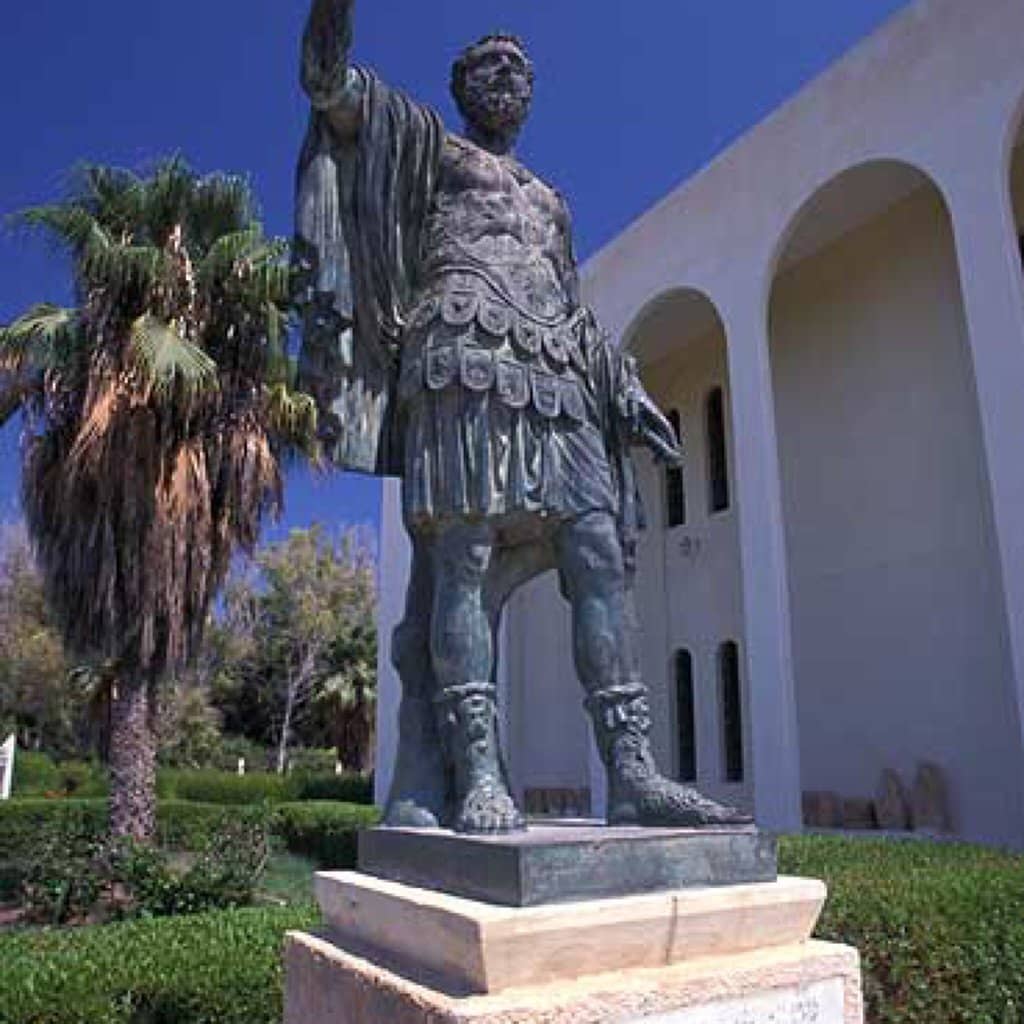
Leptis Magna: A remarkably preserved Roman metropolis on Libya's coast, offering an unparalleled journey back in time.
Highlights
Must-see attractions

Social
From TikTok & Reddit
Best Time
Beat the heat and crowds
Leptis Magna
Best Time
Beat the heat and crowds
Highlights
Must-see attractions
Leptis Magna: A remarkably preserved Roman metropolis on Libya's coast, offering an unparalleled journey back in time.
"Walking through its massive stone archways and ancient streets, I could almost hear the echoes of history."
🚶♀️ Wear Comfortable Shoes
You'll be doing a lot of walking on uneven ancient stones. Prioritize comfort for exploring this vast site .
☀️ Stay Hydrated
Libya can be hot. Carry plenty of water, especially during warmer months, to stay comfortable while exploring .
Quick Facts
Hours
Rating
4.5 · 1,612 reviews
Type
Historical Landmark
Address
Highlights
Discover the most iconic attractions and experiences
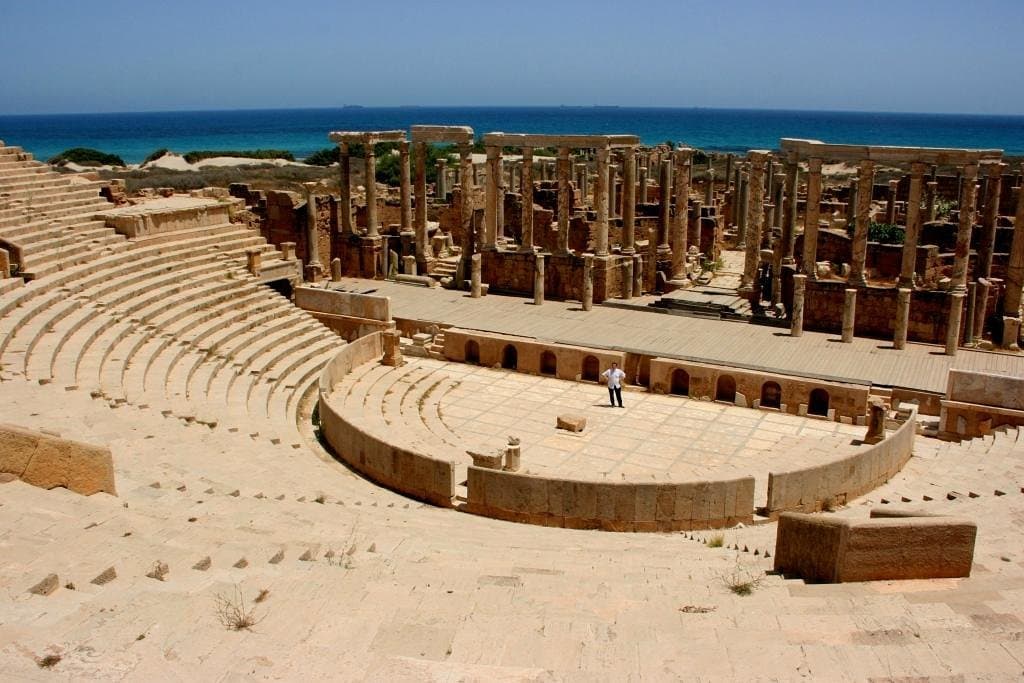
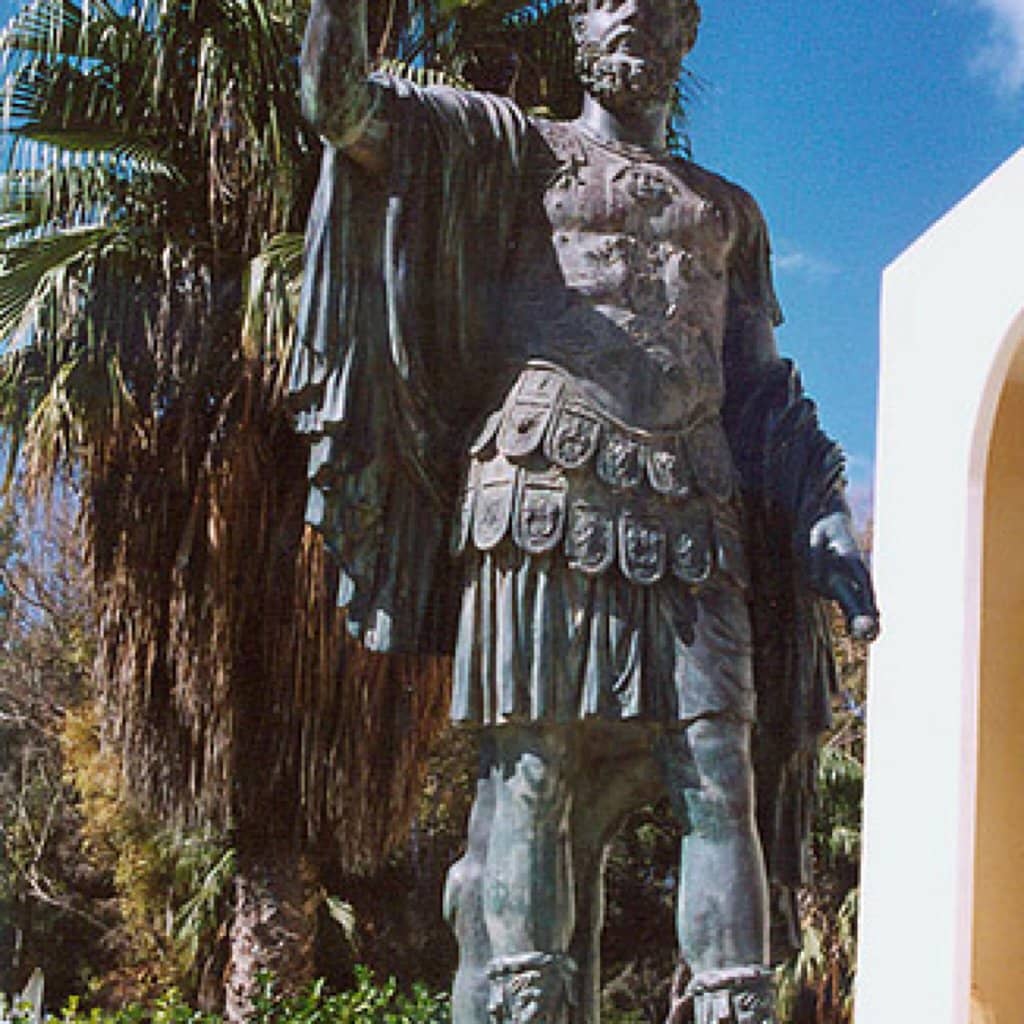
Amphitheater by the Sea
East of the city
Imagine gladiators and crowds with the Mediterranean as a backdrop. A truly epic Roman entertainment venue.
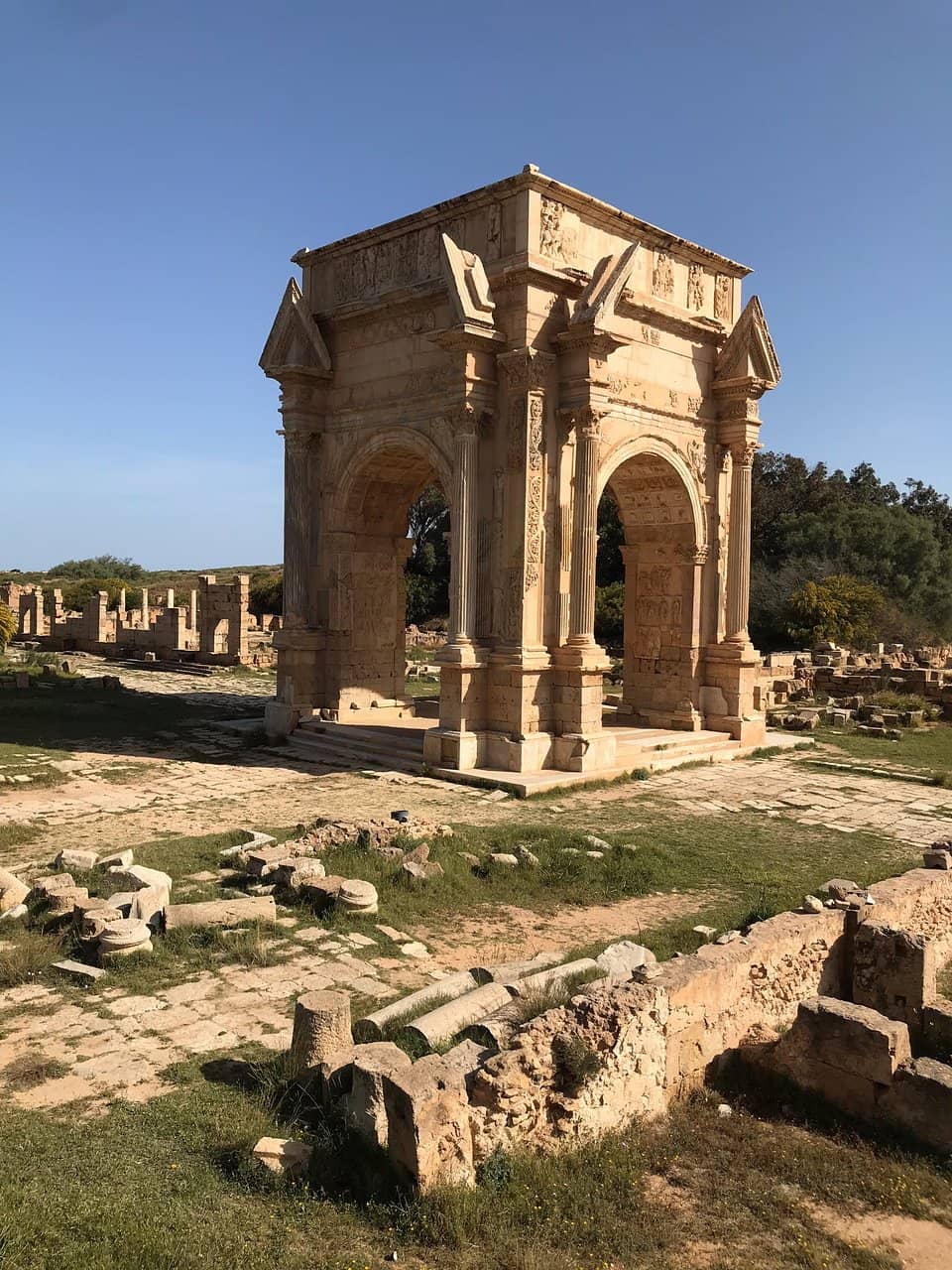
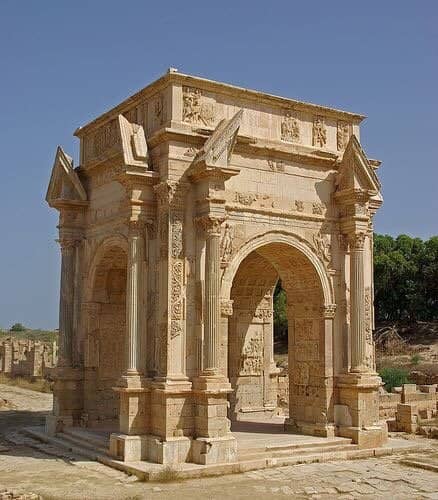
Arch of Septimius Severus
City center
A monumental gateway celebrating Emperor Septimius Severus, showcasing intricate carvings and Roman grandeur.
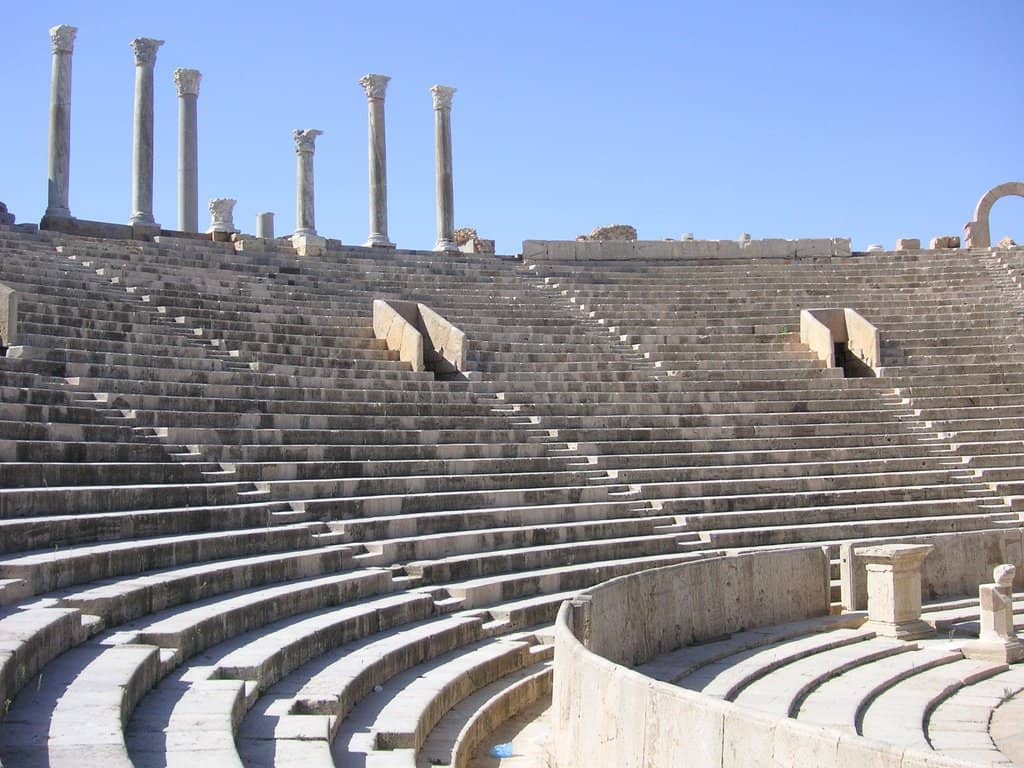
Hadrianic Baths
Near the Forum
Explore the remnants of these luxurious public baths, a testament to Roman engineering and social life.
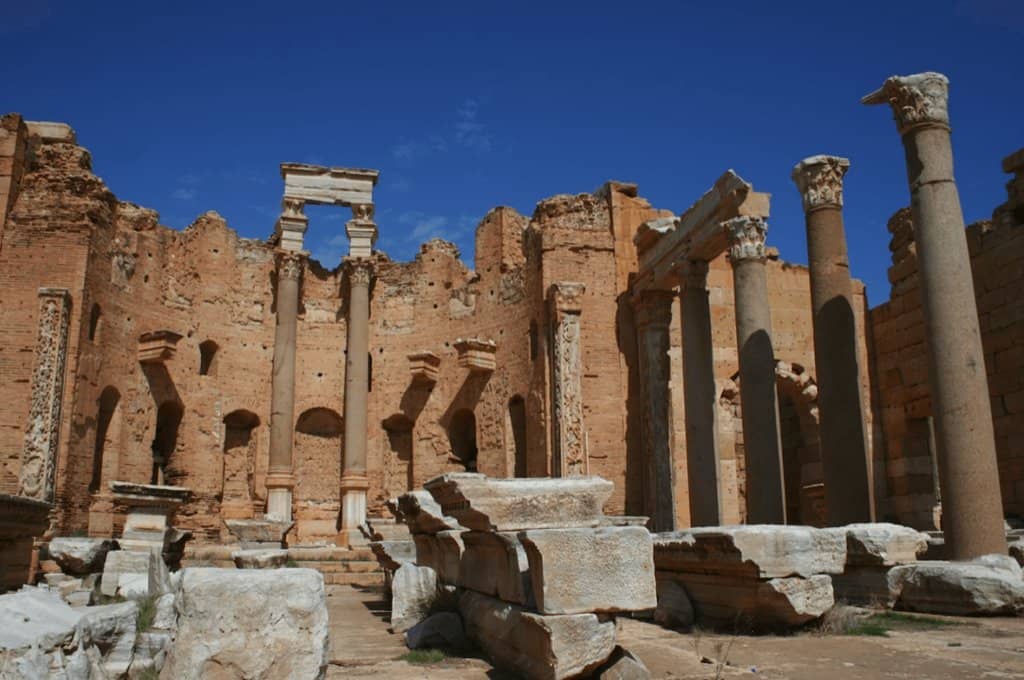
Basilica and Forum
City center
Wander through the heart of civic life, with towering columns and impressive architectural remnants.
Plans like a pro.
Thinks like you
Planning Your Visit
Embrace the Scale of History
Timing is Key for Comfort
Best Times
Insider Tips
from TikTok, Instagram & Reddit
🚶♀️ Wear Comfortable Shoes
You'll be doing a lot of walking on uneven ancient stones. Prioritize comfort for exploring this vast site.
☀️ Stay Hydrated
Libya can be hot. Carry plenty of water, especially during warmer months, to stay comfortable while exploring.
🤝 Hire a Local Guide
Enhance your understanding of the history and significance of the ruins. Guides bring Leptis Magna to life.
📸 Capture the Grandeur
The scale and preservation are incredible. Allow ample time for photography, especially during golden hour.

Tips
from all over the internet
🚶♀️ Wear Comfortable Shoes
You'll be doing a lot of walking on uneven ancient stones. Prioritize comfort for exploring this vast site.
☀️ Stay Hydrated
Libya can be hot. Carry plenty of water, especially during warmer months, to stay comfortable while exploring.
🤝 Hire a Local Guide
Enhance your understanding of the history and significance of the ruins. Guides bring Leptis Magna to life.
📸 Capture the Grandeur
The scale and preservation are incredible. Allow ample time for photography, especially during golden hour.
⏳ Allow Ample Time
Don't rush! Leptis Magna is extensive. Dedicate at least 2-3 hours to truly appreciate its magnificence.
What Travellers Say
Reviews Summary
Leptis Magna is hailed as a magnificent and exceptionally well-preserved Roman city, often called the 'Rome of Africa.' Visitors are awestruck by its scale, architectural grandeur, and the feeling of stepping back in time. While its historical significance is undeniable, the lack of tourist infrastructure and ongoing preservation concerns are noted drawbacks.
"Leptis Magna is a magnificent ancient Roman city, over 2000 years old, and was once one of the most important cities in the Roman Empire.
The amphitheater, marketplace, baths, and majestic columns
walking through feels like stepping back in time.
Highly recommend visiting with a guide we found ourselves constantly googling names and trying to understand what we were looking at. A guide really helps bring the history to life!
A must see for history lovers and travelers alike."
Areej
"Leptis Magna - The Forgotten Jewel of the Roman Empire
Leptis Magna is one of the greatest and best-preserved Roman cities in the world, and one of the most magnificent archaeological sites in the entire Mediterranean basin. This great historical city, birthplace of the Roman Emperor Septimius Severus, contains priceless archaeological treasures.
The city features exceptional landmarks: the massive Roman theatre overlooking the sea, the magnificent Arch of Septimius Severus, the Basilica with its towering columns, the luxurious Roman baths, the ancient marketplace, temples, and stone-paved streets that still retain traces of Roman chariot wheels.
Leptis Magna is not just an archaeological site, it is a complete Roman city preserved in stunning condition. It should have been one of the most important tourist destinations in the world, competing with Pompeii in Italy, Ephesus in Turkey, and Petra in Jordan. It should have been receiving millions of tourists annually and generating billions of dollars for Libya.
However, unfortunately, 56 years of systematic neglect and deliberate marginalization have turned this world-class masterpiece into an abandoned site known only to a few. No tourist infrastructure, no real scientific restoration, no effective protection, no global marketing, no government attention.
Leptis Magna has been listed as a UNESCO World Heritage Site since 1982, but this has not prevented the continuous neglect. Libya could have become "the Greece of North Africa," but decades of mismanagement and deliberate neglect have deprived us of this golden opportunity.
We possess a world treasure, but we are leaving it to erode and crumble before our eyes. It is truly shameful and painful."
Abdullah Alrujoubi
"Visiting Leptis Magna was like stepping into a different era. Walking through its massive stone archways and ancient streets, I could almost hear the echoes of history. The scale of this place is unbelievable—the amphitheater, the Hadrianic Baths, and the Arch of Septimius Severus are just breathtaking!
What amazed me the most was how well-preserved everything is. Standing there with the Mediterranean breeze and the golden sun lighting up the ruins, I felt a deep connection to the past. If you love history, architecture, or just stunning landscapes, this is a must-visit!
I’ve shared some of my best photos—hope they inspire you to visit one day! 📸"
Moaed Shabaani
What People Like
What People Dislike
Frequently Asked Questions
🚇 🗺️ Getting There
Leptis Magna is located near Al Khoms, about 130 km (81 miles) east of Tripoli. The most common way to get there is by car or taxi. Hiring a private driver or joining a guided tour is highly recommended for ease of travel and to navigate the region safely.
Public transportation options directly to Leptis Magna are limited. While buses may run between cities like Tripoli and Al Khoms, reaching the archaeological site from Al Khoms typically requires a local taxi or pre-arranged transport.
The site is extensive, so walking is the primary way to explore. Wear comfortable shoes as you'll be traversing ancient, sometimes uneven, terrain.
The nearest major airport is Tripoli International Airport (MJI). From there, you would need to arrange ground transportation to Leptis Magna, which is about a 1.5 to 2-hour drive.
Travel advisories for Libya can change. It's crucial to check current government travel advice and consider traveling with reputable tour operators who prioritize safety and have local knowledge.
🎫 🎫 Tickets & Entry
Opening hours can vary, and it's best to confirm locally or with your tour operator. Generally, archaeological sites in Libya are open during daylight hours, often from morning until late afternoon.
Entrance fees for Leptis Magna are typically modest. It's advisable to have local currency (Libyan Dinar) on hand for ticket purchases and any potential guide fees.
Advance booking is usually not required for Leptis Magna, especially if you are visiting independently or with a local guide. However, if you are part of a larger organized tour, your booking will be handled by the tour operator.
Yes, Leptis Magna has been a UNESCO World Heritage Site since 1982, recognized for its outstanding universal value and exceptional preservation.
While you can visit independently, many visitors strongly recommend hiring a local guide to fully appreciate the history and context of the ruins. Guides can provide invaluable insights that are not immediately apparent.
🎫 🧭 Onsite Experience
Key highlights include the Amphitheater, the Arch of Septimius Severus, the Hadrianic Baths, the Basilica, and the Forum. The sheer scale and preservation of these structures are breathtaking.
To truly explore and appreciate the site, plan for at least 2-3 hours. Many visitors feel this is still not enough time to see everything.
Facilities at Leptis Magna are generally basic. It's advisable to use restrooms before arriving and to carry your own snacks and water, as options on-site are limited.
Due to its ancient nature, Leptis Magna has many uneven surfaces and stairs, which can pose challenges for visitors with mobility issues. It's best to contact site management or your tour operator for specific accessibility information.
The late afternoon, especially during the golden hour, offers beautiful lighting for photography. The soft light enhances the textures of the ancient stones and creates a magical atmosphere.
📸 📸 Photography
The Amphitheater with the sea in the background, the Arch of Septimius Severus, and the colonnades of the Basilica are incredibly photogenic. Look for dramatic angles and the interplay of light and shadow.+1
Generally, photography for personal use is allowed. However, it's always wise to be respectful of the site and avoid using flash in enclosed areas or where it might disturb other visitors.
A wide-angle lens is great for capturing the vastness of the ruins. A telephoto lens can be useful for details on carvings and distant structures. A tripod can be helpful for low-light conditions in the late afternoon.
Drone usage is often restricted at archaeological sites and UNESCO World Heritage locations due to preservation concerns and regulations. It's best to assume drones are not permitted unless explicitly stated otherwise.
The spring and autumn months offer pleasant weather and good light. Summer can be very hot, but the clear skies can still provide excellent photographic opportunities, especially during sunrise and sunset.
Social
from TikTok, Instagram & Reddit