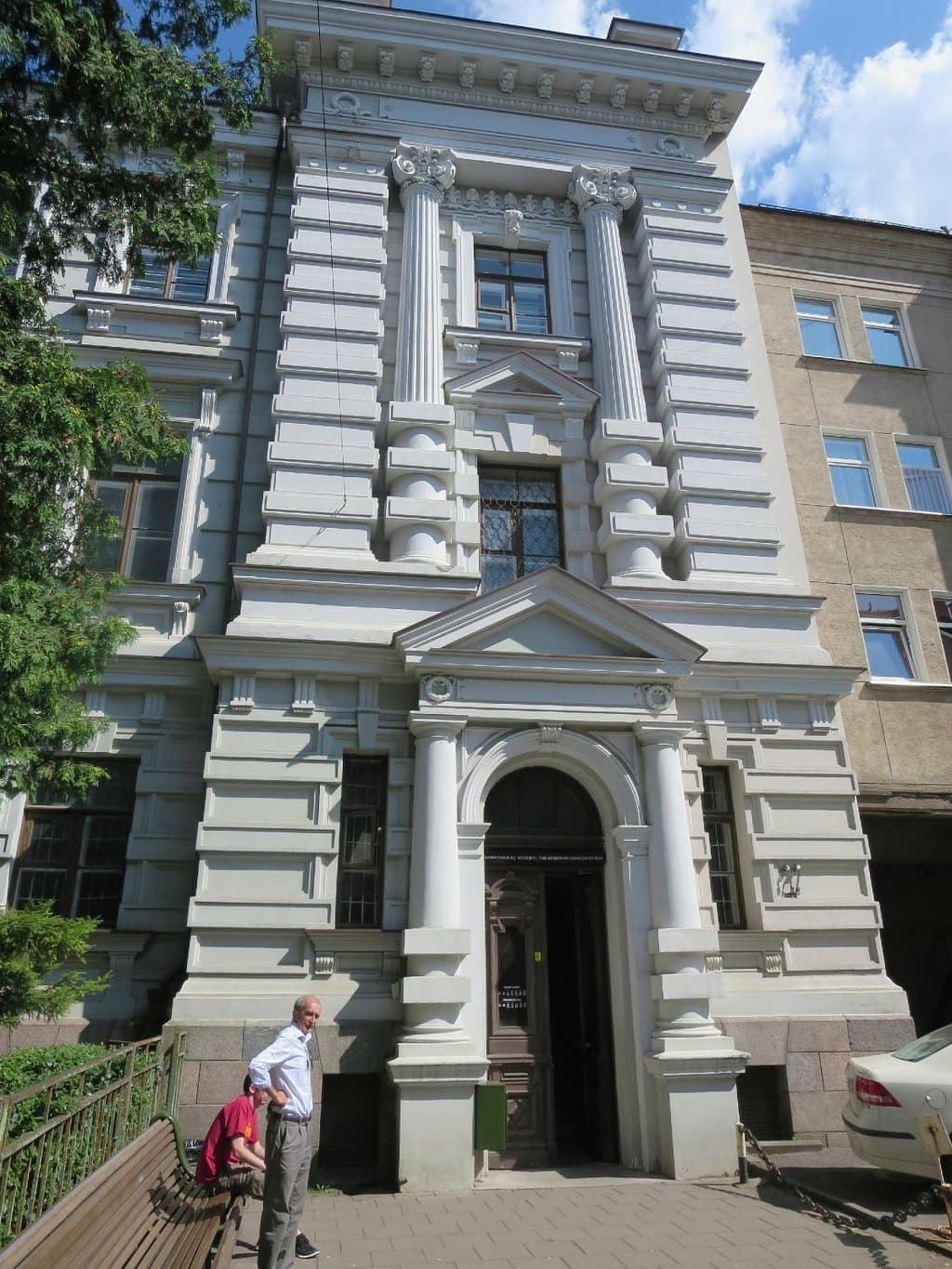
Resistance and Deportation Museum
A powerful museum dedicated to the French Resistance and victims of Nazi deportation during WWII, offering a sobering historical perspective.

Highlights
Must-see attractions

Social
From TikTok & Reddit
Best Time
Fewer crowds, more reflection
Resistance and Deportation Museum
Best Time
Fewer crowds, more reflection
Highlights
Must-see attractions
A powerful museum dedicated to the French Resistance and victims of Nazi deportation during WWII, offering a sobering historical perspective.
"A sobering and impactful experience, crucial for understanding WWII history and the human cost of conflict."

Allow ample time
The exhibits are detailed and emotionally impactful; plan for at least 2-3 hours to fully absorb the history.
Prepare for emotional impact
The museum covers sensitive topics like deportation and war. Be ready for a sobering and thought-provoking visit.

Quick Facts
Hours
Rating
4.7 · 359 reviews
Type
Museum
Highlights
Discover the most iconic attractions and experiences
Nazi Propaganda Exhibits
Exhibition Halls
See chilling examples of political propaganda from the 1930s, eerily reminiscent of modern political rhetoric.

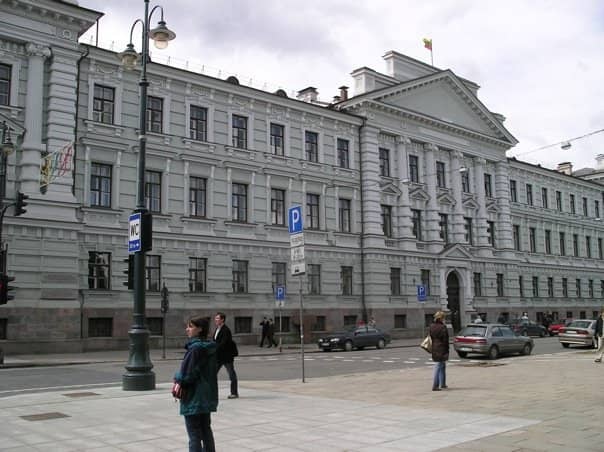
Deportation Artifacts
Dedicated Galleries
View personal items, documents, and photographs that tell the stories of those who were deported.
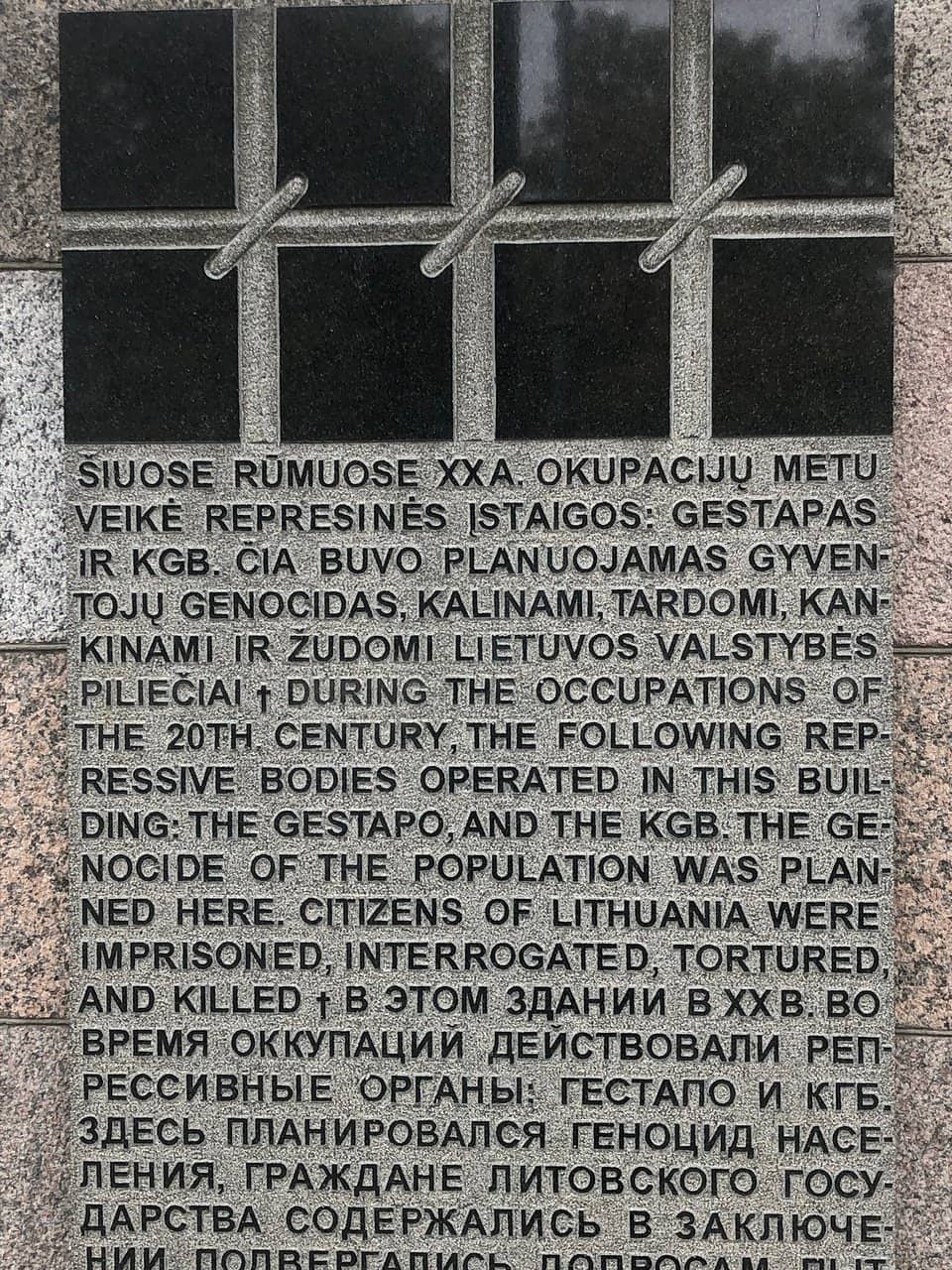
Resistance Movement Displays
Main Exhibition Area
Discover the history of the local resistance against the Nazi regime through posters, weapons, and daily life items.
Plans like a pro.
Thinks like you
Planning Your Visit
Prepare for a Sobering Experience
Check for Guided Tours
Best Times
Insider Tips
from TikTok, Instagram & Reddit
Allow ample time
The exhibits are detailed and emotionally impactful; plan for at least 2-3 hours to fully absorb the history.
Prepare for emotional impact
The museum covers sensitive topics like deportation and war. Be ready for a sobering and thought-provoking visit.
Unique things to do after doing all the touristy stuff?
Hi all! I’m American with family in Lithuania and I’ve visited them many times and done most of the touristy things to do around Vilnius and Kaunas(museums, viewpoints, districts, etc.). I’m visiting for the first time in the winter (just landed lol) and im looking for some more…
Engage with staff
Staff can offer valuable insights and context, enriching your understanding of the exhibits.
No photos inside
Photography is generally not permitted inside the museum to preserve the exhibits and atmosphere.
Some basic questions before travel
Hi, soon I'm going to Lithuania for a few days by car from Poland and I have some basic questions before I go. Some may sound stupid but better safe than sorry. 1. How easy is it to pay with a bank card? In Poland you can actually pay almost everywhere with a card apart from…
Tips
from all over the internet
Allow ample time
The exhibits are detailed and emotionally impactful; plan for at least 2-3 hours to fully absorb the history.
Prepare for emotional impact
The museum covers sensitive topics like deportation and war. Be ready for a sobering and thought-provoking visit.
Engage with staff
Staff can offer valuable insights and context, enriching your understanding of the exhibits.
No photos inside
Photography is generally not permitted inside the museum to preserve the exhibits and atmosphere.
What Travellers Say
Reviews Summary
Visitors find the Resistance and Deportation Museum to be a deeply moving and historically significant site. While the subject matter is somber, the exhibits are praised for their detail and impact, offering crucial insights into WWII. The knowledgeable staff enhance the experience, though photography is restricted.
"🌟🌟🌟🌟🌟 Druskininkai Museum: A Captivating Journey through History 🏛️🔍
I had the pleasure of visiting the Druskininkai Museum recently, and I'm delighted to share my experience. This historical gem is tucked away in a lovely spot in Druskininkai, easily accessible and surrounded by picturesque scenery 📍🌳. A perfect destination for a leisurely afternoon of exploration.
Upon entering the museum, I was greeted by a knowledgeable and friendly staff member who provided a warm welcome and offered insights into the various exhibits 🙋♂️. The museum itself was well-organized and displayed a range of artifacts, from archaeological finds to historical photographs and documents, offering an intriguing look into Druskininkai's rich past 📜🏺.
The exhibits were engaging and interactive, featuring multimedia presentations and thought-provoking descriptions 📽️📚. I particularly enjoyed learning about the town's origins and development as a famous spa resort, which highlighted the importance of its natural resources in shaping its history 🛀💧.
In addition to its historical offerings, the museum also featured a delightful art gallery 🎨. This space showcased local talent and provided a fascinating glimpse into the region's artistic heritage. I was pleasantly surprised to find a diverse range of works, from traditional paintings to contemporary installations.
Overall, my visit to the Druskininkai Museum was a truly enriching experience. I highly recommend it to anyone looking to learn more about the town's history or simply seeking a delightful afternoon in a beautiful setting 🌟🌟🌟🌟🌟. A must-visit destination in Druskininkai!
Overall Rating: 🌟🌟🌟🌟🌟 5/5 Stars"
Valdido Muller
"Very serviceminded man in the entrance. Told us some of the history about the museum, the pictures, paintings and the different eras the rooms represented.
Not aloud to take pictures inside.
Good parkinglot just outside. Beautiful scenery towards the water on the other side of the building."
Malin
"Interesting exhibition- very nice staff giving short tours."
Michał Święcicki
What People Like
What People Dislike
Frequently Asked Questions
🚇 🗺️ Getting There
The museum is located in Grenoble, France. Public transport options include buses and trams that stop near the museum. If driving, check for nearby parking facilities.
Yes, the museum is generally accessible via local public transportation networks in Grenoble. Check local transit schedules for the most convenient routes.
From Grenoble's city center, you can typically take a tram or bus directly to the vicinity of the museum. Walking is also an option if you enjoy exploring the city on foot.
Information on parking availability can vary. It's advisable to check the museum's official website or local parking apps for the most up-to-date information on nearby lots.
If you are staying outside Grenoble, you may need to take a regional train to Grenoble's main station and then transfer to local transport to reach the museum.
🎫 🎫 Tickets & Entry
Admission fees can vary. It's recommended to check the official museum website for current ticket prices and any potential discounts for students or seniors.
While not always mandatory, booking tickets in advance is often recommended, especially during peak tourist seasons, to guarantee entry and avoid queues.
Museum hours can change seasonally. Always consult the official website for the most accurate and up-to-date opening and closing times.
The museum may host temporary exhibitions or special events. Check their website or social media for announcements regarding these.
Audio guides can enhance the visitor experience. Inquire at the museum's information desk or check their website to see if audio guides are offered.
🎫 🏛️ Onsite Experience
The museum displays artifacts, documents, photographs, and propaganda related to the Nazi occupation and the French Resistance during WWII. It's a powerful historical account.
The museum deals with sensitive historical events and can be emotionally impactful. Parental discretion is advised for younger visitors.
Generally, photography is not allowed inside the museum to protect the exhibits and maintain the solemn atmosphere.
A thorough visit can take anywhere from 2 to 3 hours, depending on your interest level and how much time you spend with each exhibit.
Yes, some visitors have mentioned that staff offer short tours, which can greatly enhance the understanding of the exhibits. It's worth inquiring upon arrival.
🍽️ 🍽️ Food & Dining
Typically, historical museums like this do not have extensive dining facilities. It's best to plan for meals before or after your visit.
Grenoble offers a variety of cafes and restaurants. You can find options ranging from quick bites to more formal dining experiences in the surrounding areas.
Most museums have policies against bringing outside food and drinks into exhibition areas. Check the museum's specific rules.
After a visit, you might enjoy exploring the local bistros or cafes in Grenoble for a meal. The area around the museum likely has several options.
Grenoble offers French cuisine, with many establishments serving regional specialties. You'll find everything from traditional dishes to modern culinary creations.
📸 📸 Photography
No, photography is generally prohibited inside the museum to protect the artifacts and maintain the solemn atmosphere of the exhibits.
The exterior of the museum and its surroundings in Grenoble may offer some photographic opportunities, especially if the architecture is notable.
Explore different perspectives from the street or nearby public spaces to capture the museum's facade. Consider the time of day for lighting.
Yes, you can photograph the general area and the museum's exterior. Be mindful of any specific signage regarding photography restrictions.
The museum's official website or social media channels are the best places to find professionally taken photos of their exhibits, as personal photography is restricted.



Social
from TikTok, Instagram & Reddit