Zahir Mosque
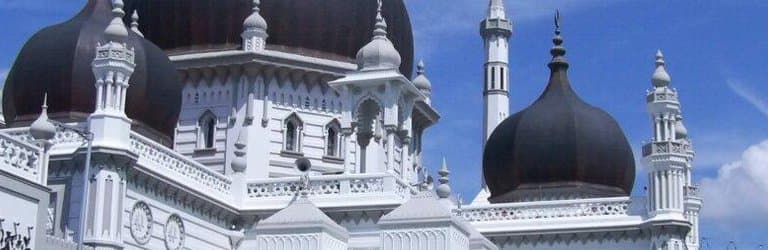
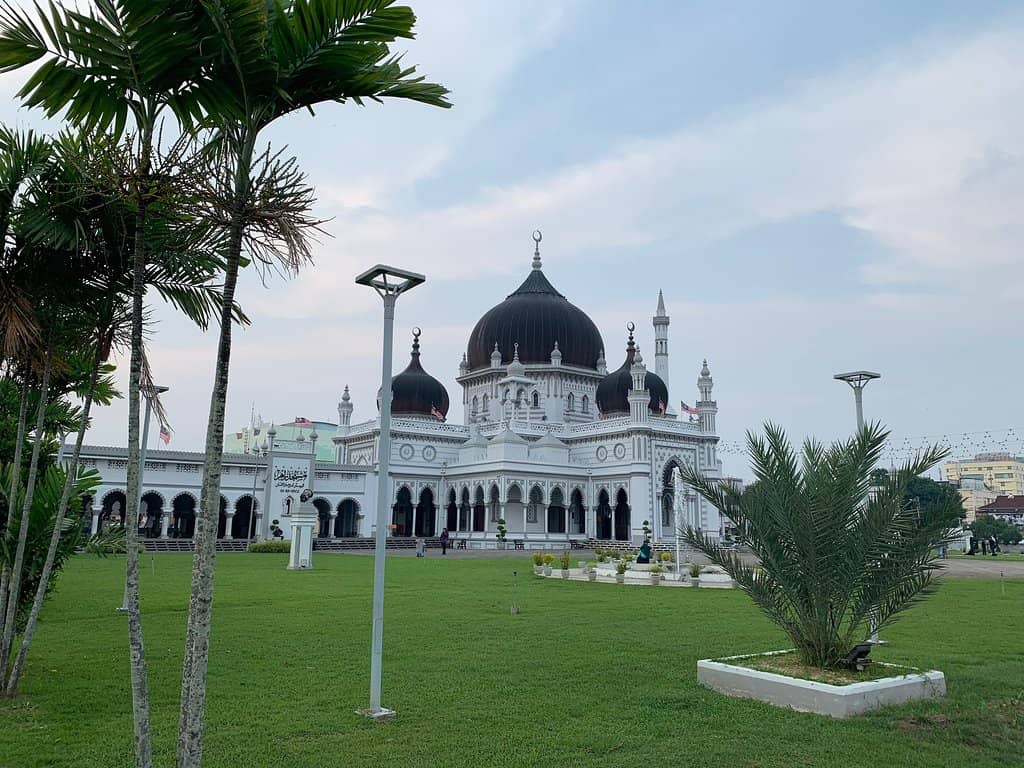
A historic masterpiece, Zahir Mosque captivates with its striking black domes and Moorish arches, a spiritual heart of Alor Setar.
Highlights
Must-see attractions

Social
From TikTok & Reddit
Best Time
Serene atmosphere, soft light
Zahir Mosque
Best Time
Serene atmosphere, soft light
Highlights
Must-see attractions
A historic masterpiece, Zahir Mosque captivates with its striking black domes and Moorish arches, a spiritual heart of Alor Setar.
"Unbelievable view. Oldest mosque in Alor Setar. Great place for picture, for muslim to pray, and others can join for a visit."
👗 Dress Modestly
Cover shoulders and knees. Respectful attire is key for entry and a positive experience.
📸 Photo Opportunities
The architecture is stunning! Guards may allow photos inside, but always ask first.
Quick Facts
Hours
Rating
4.8 · 5,079 reviews
Type
Mosque
Highlights
Discover the most iconic attractions and experiences
The Grand Domes
Main prayer hall
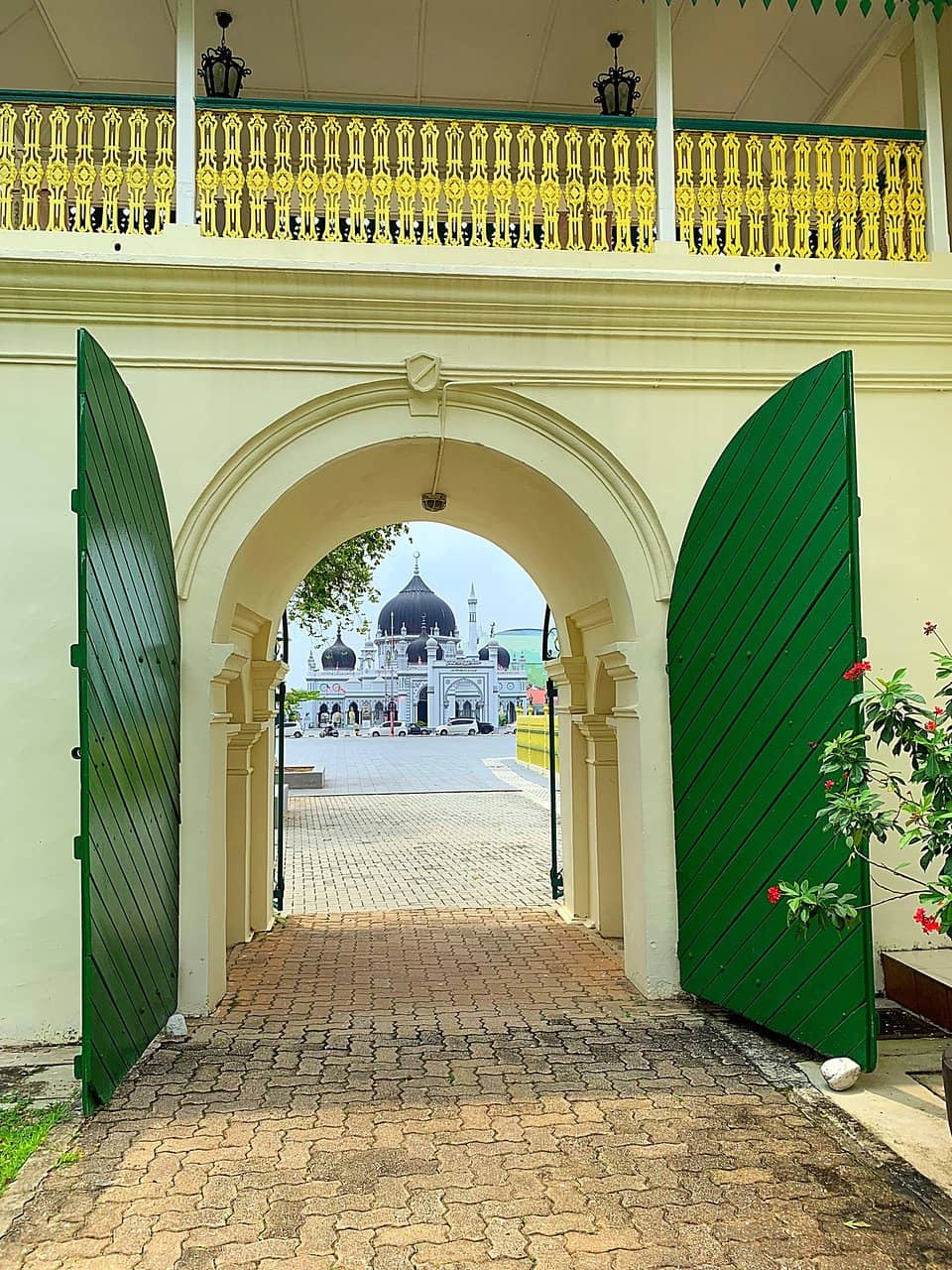
Five striking domes, including a large central one, symbolize the Five Pillars of Islam.
Moorish Arches
Exterior arcades and entrances
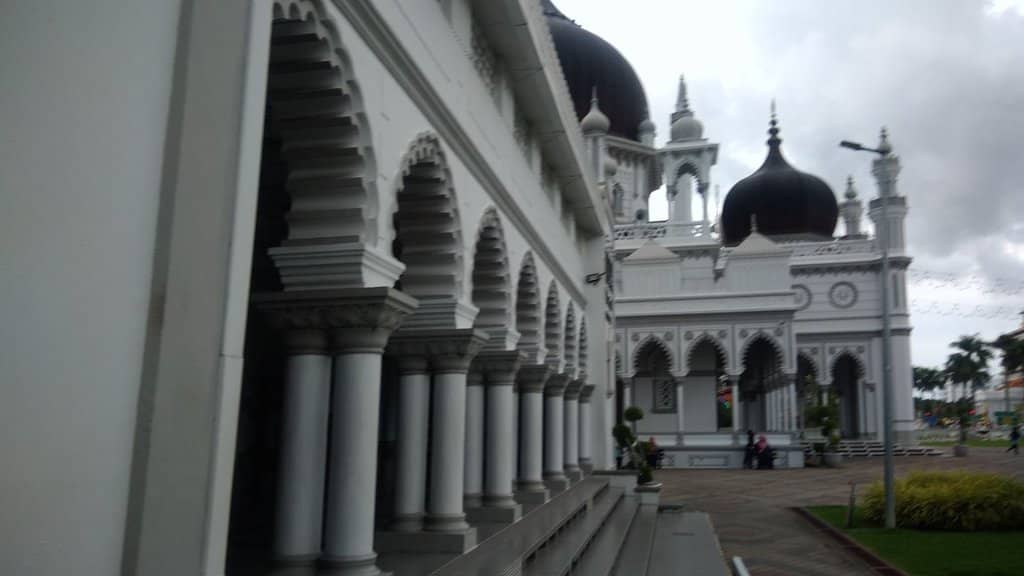
Elegant horseshoe and ogee arches create a rhythmic, visually appealing facade.
Minaret Views
Exterior
Soaring minarets add to the mosque's majestic silhouette against the sky.
Plans like a pro.
Thinks like you
Planning Your Visit
Timing Your Visit
Respectful Exploration
Best Times
Insider Tips
from TikTok, Instagram & Reddit
👗 Dress Modestly
Cover shoulders and knees. Respectful attire is key for entry and a positive experience.
📸 Photo Opportunities
The architecture is stunning! Guards may allow photos inside, but always ask first.
💧 Traditional Ablution
Check out the unique traditional pool for ablution, a distinctive feature.
👟 Clever Slipper Steps
Notice the ingenious steps that cleverly house slippers underneath.
Tips
from all over the internet
👗 Dress Modestly
Cover shoulders and knees. Respectful attire is key for entry and a positive experience.
📸 Photo Opportunities
The architecture is stunning! Guards may allow photos inside, but always ask first.
💧 Traditional Ablution
Check out the unique traditional pool for ablution, a distinctive feature.
👟 Clever Slipper Steps
Notice the ingenious steps that cleverly house slippers underneath.
What Travellers Say
Reviews Summary
Visitors consistently praise Zahir Mosque for its stunning architecture, particularly its unique black domes and Moorish-inspired arches. Its historical significance and central location in Alor Setar make it a must-visit for both spiritual reflection and cultural appreciation. The mosque is well-maintained and offers a serene atmosphere.
"Masjid Zahir. Must visit if you are at Alor Setar. Unbelievable view. Oldest mosque in Alor Setar. Older than Mahathir. Mahathir is 100years this year. This mosque is older. Already there before he is born. Great place for picture, for muslim to pray, and others can join for a visit from the centre in the mosque. Best! Make Kedah Great Again! MKGA!"
hakim mattasir
"Masjid Zahir: Architectural Design & Urban Context
Architectural Design: The Sacred Geometry of Empire and Eternity
Masjid Zahir’s architectural language is a synthesis of Mughal grace, Indo-Saracenic balance, and local Malay sensitivity. Completed in 1912 and designed by the Malayan architect James Gorman, it echoes the grandeur of North Indian mosques while grounding itself in the climate and culture of Kedah.
Layout and Form:
The mosque follows a centralised layout, with a large main dome crowning the prayer hall.
Surrounding this central dome are four smaller domes—one at each corner—creating a balanced five-dome composition. These symbolise the Five Pillars of Islam, uniting form and faith.
The qibla wall faces westward toward Mecca, with a mihrab intricately carved and flanked by minarets that both define the skyline and serve aural purposes.
Key Architectural Features:
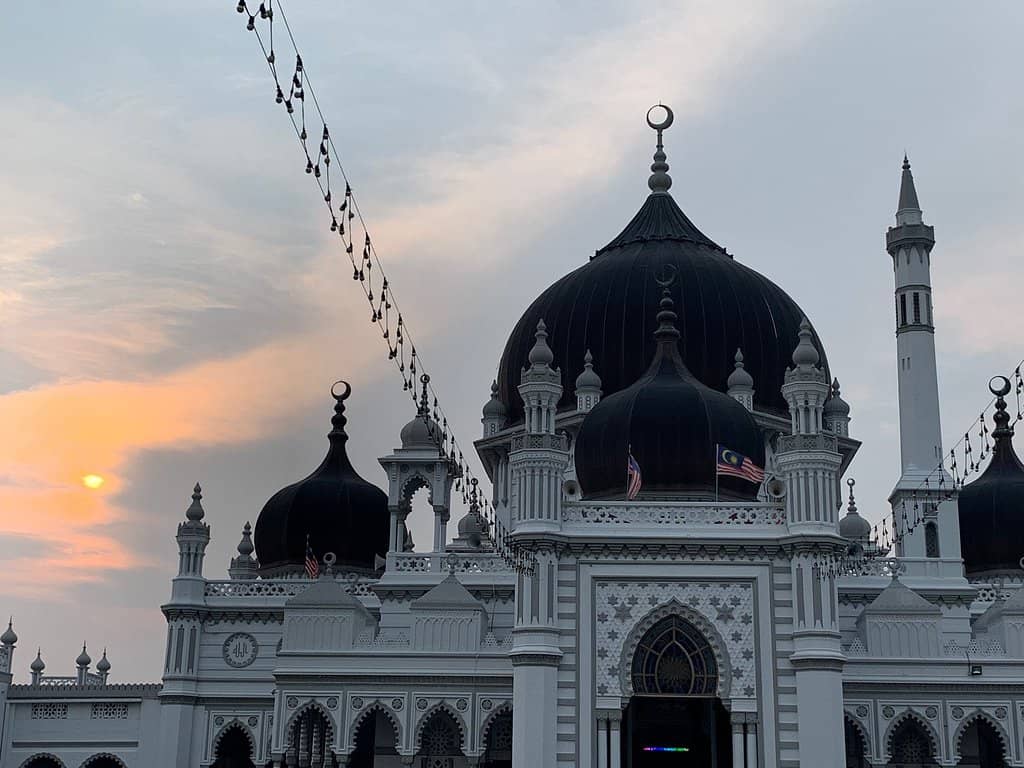
Black domes (rare in Southeast Asia) boldly contrast with the stark white stucco walls, creating a high-key, almost mystical aura in the tropical sun.
Moorish arches—with horseshoe and ogee profiles—are repeated in arcades, entranceways, and windows, creating rhythm and spatial transparency.
Ornate calligraphy and floral arabesques are subtly incorporated, but the mosque maintains a clean elegance, avoiding visual overload.
Interior columns are circular and slender, reminiscent of Persian prayer halls but made from imported black marble, giving a sense of both lightness and permanence.
It is a building that breathes—the open verandahs and colonnades allow for natural ventilation, a necessity in Kedah’s sultry climate.
Urban Setting and Context: A Mosque at the Civic Core
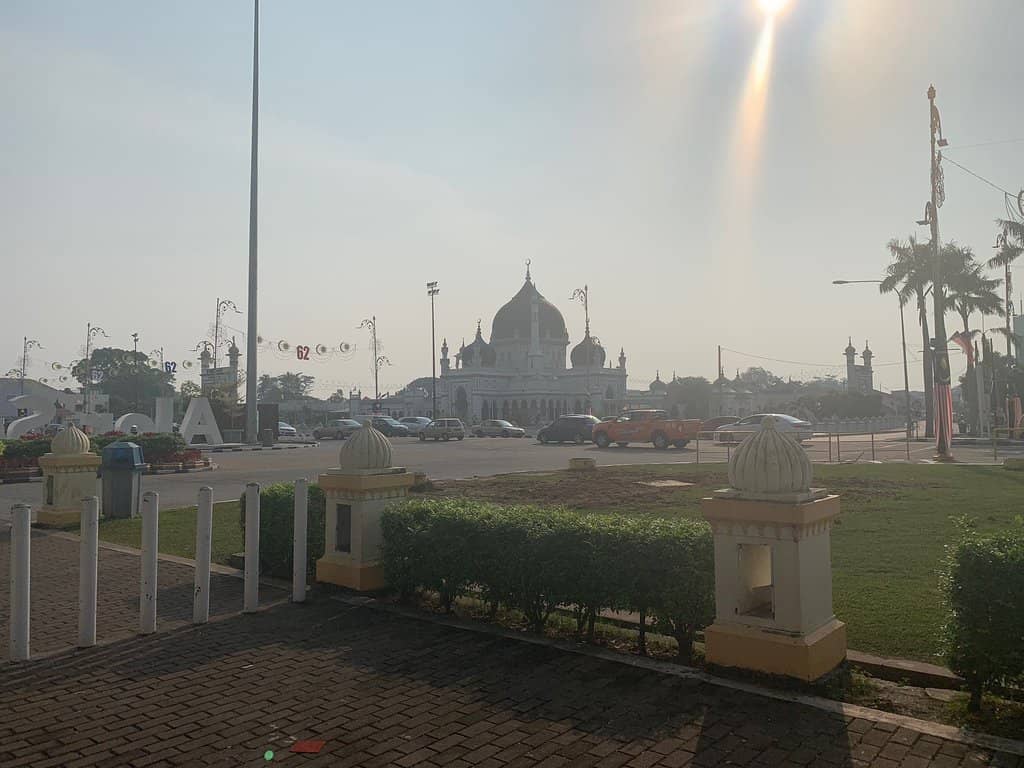
Masjid Zahir is not tucked away—it is deliberately placed at the urban centre of Alor Setar, acting as both the religious axis and cultural fulcrum of the city.
Civic Integration:
It stands at the head of Dataran Alor Setar, opposite the Balai Besar (Grand Audience Hall) and the State Art Gallery—forming a symbolic triangle of spiritual, political, and cultural power.
Nearby is the Balai Nobat, where royal musical instruments are kept—tying the mosque to Kedah’s monarchical traditions.
This urban triangulation resembles older Islamic cities—Cordoba, Cairo, Isfahan—where the mosque sits not as an isolated place of worship, but as the heart of public life.
Street Rhythm & Accessibility:
Roads radiate outward from the mosque like spokes on a wheel, guiding both pilgrims and common folk to the spiritual core.
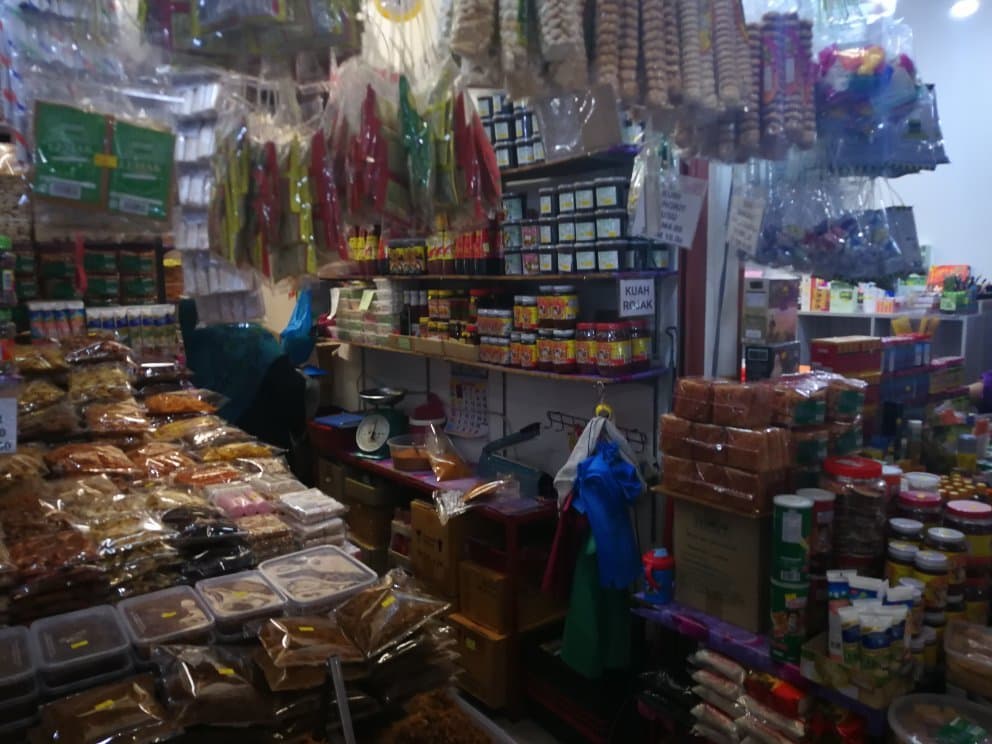
Local shops, nasi lemak stalls, goldsmiths, and book vendors encircle the mosque, creating a vibrant Islamic urban village.
The river and paddy fields lie not far beyond, offering a liminal shift between sacred geometry and the agrarian landscape that has sustained Kedah for generations.
Symbolism in Urban Fabric
Masjid Zahir’s prominence is intentional—it was built to be seen, heard, and approached from all sides. In the philosophy of Islamic cities, the mosque should be like the heart in a living body—circulating wisdom, anchoring morality, and radiating communal harmony.
Here, it does just that. As you approach from Jalan Langgar or Jalan Pekan Melayu, the domes reveal themselves gradually, like a crescendo in architecture—guiding the eye, then the feet, and finally the spirit.
A Closing Reflection
“To stand at the gates of Masjid Zahir is to be caught in the stillness of history’s breath. Domes rise like celestial signatures, archways embrace you like an old friend. In this mosque, time seems to pause—where call to prayer meets civic square, and the sacred fuses with the everyday.”"
Meng Foo Choo
"Masjid Zahir in Alor Setar, Kedah, is not only a prominent symbol of Islamic heritage but also a highly commendable place of worship. Strategically located in the city center, it offers easy access for both locals and tourists. The mosque features a spacious parking area, accommodating a large number of vehicles, which is particularly convenient during Friday prayers or festive events. Its surroundings and interior are exceptionally well-maintained, reflecting a high standard of cleanliness and order. The mosque’s striking architecture—marked by Moorish influence, domes, and graceful minarets—adds to its serene and majestic atmosphere, making it an ideal location not just for prayer but also for spiritual reflection and cultural appreciation."
Muhammad Riza Hafizi
What People Like
What People Dislike
Frequently Asked Questions
🚇 🗺️ Getting There
Zahir Mosque is centrally located in Alor Setar, making it easily accessible. It's a short drive or taxi ride from most parts of the city. Many visitors arrive by car and find the spacious parking area convenient, especially during peak times.
Yes, there is a spacious parking area available at Zahir Mosque, which can accommodate a large number of vehicles. This is particularly helpful during Friday prayers or other significant events.
If you are staying in the city center of Alor Setar, walking to Zahir Mosque is a pleasant option. It's situated at the civic core, near other attractions like the Balai Besar.
🎫 🎫 Tickets & Entry
No, there is no admission fee to visit Zahir Mosque. It is a place of worship and a historical site, generally open for visitors outside of prayer times.
While specific hours can vary, Zahir Mosque is generally open for visitors outside of the five daily prayer times. It's best to avoid visiting during active prayer sessions to ensure a respectful experience.
Yes, non-Muslims are welcome to visit Zahir Mosque. Visitors are expected to dress modestly and be respectful of worshippers and the sacred nature of the site.
For the best photography opportunities, aim for early mornings or late afternoons. The soft light during these times enhances the mosque's striking architecture, especially the black domes and white walls.
🎫 🕌 Onsite Experience
Zahir Mosque features a unique blend of architectural styles, including Moorish, Indo-Saracenic, and local Malay influences. It's known for its striking black domes, white stucco walls, and elegant arches.
The mosque has five domes: a large central dome and four smaller ones at the corners. This composition symbolizes the Five Pillars of Islam, integrating faith into the very structure of the building.
Photography inside Zahir Mosque may be permitted, but it's always best to ask the mosque authorities or guards for permission before taking pictures. Be discreet and respectful if you do.
Zahir Mosque is one of the oldest mosques in Alor Setar, built in 1912. It's a prominent symbol of Islamic heritage in Kedah and is strategically located at the city's civic core.
The mosque is intentionally placed at the urban center of Alor Setar, forming a symbolic triangle with the Balai Besar and State Art Gallery. It's surrounded by local shops and vibrant street life, integrating it into the heart of the city.
🍽️ 🍽️ Food & Dining
Yes, Zahir Mosque is located in a vibrant urban area with many local shops and nasi lemak stalls surrounding it. You'll find plenty of dining options nearby.
📸 📸 Photography
The exterior, with its striking domes and arches, offers fantastic photo opportunities. The surrounding Dataran Alor Setar also provides good vantage points. Consider the interplay of light and shadow on the white walls and black domes.
Drone usage is typically restricted in sensitive areas like mosques and historical sites. It's advisable to check local regulations and obtain necessary permits before attempting any drone photography.
Social
from TikTok, Instagram & Reddit