
Hanifaru Bay
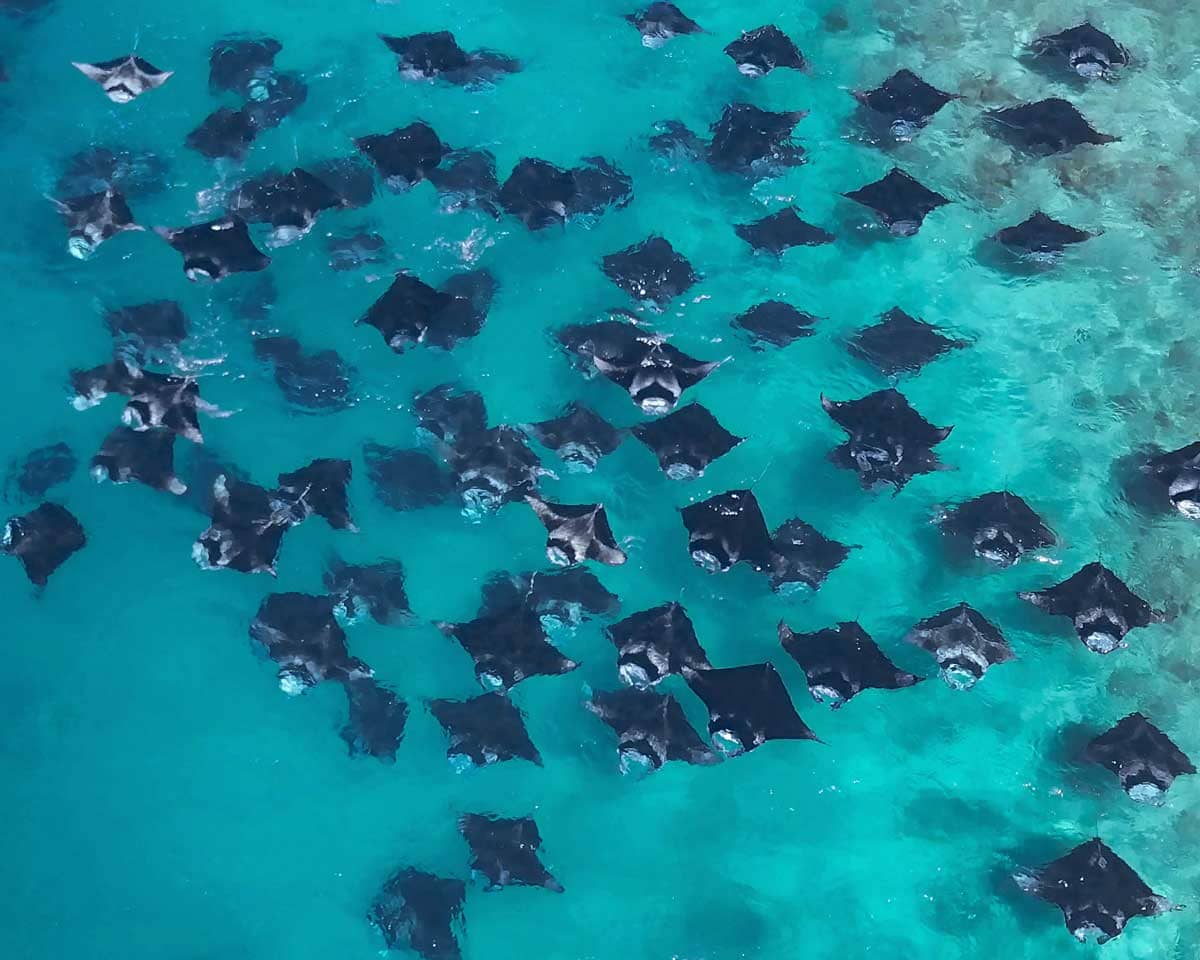
Witness hundreds of manta rays and whale sharks in a UNESCO Biosphere Reserve. A breathtaking snorkeling paradise.
Highlights
Must-see attractions

Social
From TikTok & Reddit
Best Time
Peak manta and whale shark season
Hanifaru Bay
Best Time
Peak manta and whale shark season
Highlights
Must-see attractions
Witness hundreds of manta rays and whale sharks in a UNESCO Biosphere Reserve. A breathtaking snorkeling paradise.
"Face to face with gentle giants in the shallow waters of Hanifaru Bay. Moments like this feel almost unreal. 
Book Snorkeling Tours Early
Tours to Hanifaru Bay fill up fast, especially during peak season. Book in advance to secure your spot! :admission_tickets:
Respect Marine Life
Maintain a safe distance from animals and avoid touching them. Follow your guide's instructions for responsible interaction. 🌊
Quick Facts
Highlights
Discover the most iconic attractions and experiences
Manta Ray Feeding Frenzy
Hanifaru Bay
Witness hundreds of majestic manta rays gracefully feeding on plankton. A truly awe-inspiring spectacle of nature.
Whale Shark Encounters
Hanifaru Bay
Swim alongside gentle whale sharks as they glide through the nutrient-rich waters. A humbling and magical experience.
Baa Atoll UNESCO Biosphere Reserve
Baa Atoll
Explore the rich biodiversity of this protected marine area, a haven for diverse marine life.
Plans like a pro.
Thinks like you
Planning Your Visit
Best Time for Manta Encounters
Snorkeling, Not Diving
Best Times
Insider Tips
from TikTok, Instagram & Reddit
Book Snorkeling Tours Early
Tours to Hanifaru Bay fill up fast, especially during peak season. Book in advance to secure your spot! :admission_tickets:
Respect Marine Life
Maintain a safe distance from animals and avoid touching them. Follow your guide's instructions for responsible interaction. 🌊
Wear Reef-Safe Sunscreen
Protect yourself and the delicate coral reefs by using sunscreen that doesn't harm marine life. :sunwithface:
Consider Local Islands
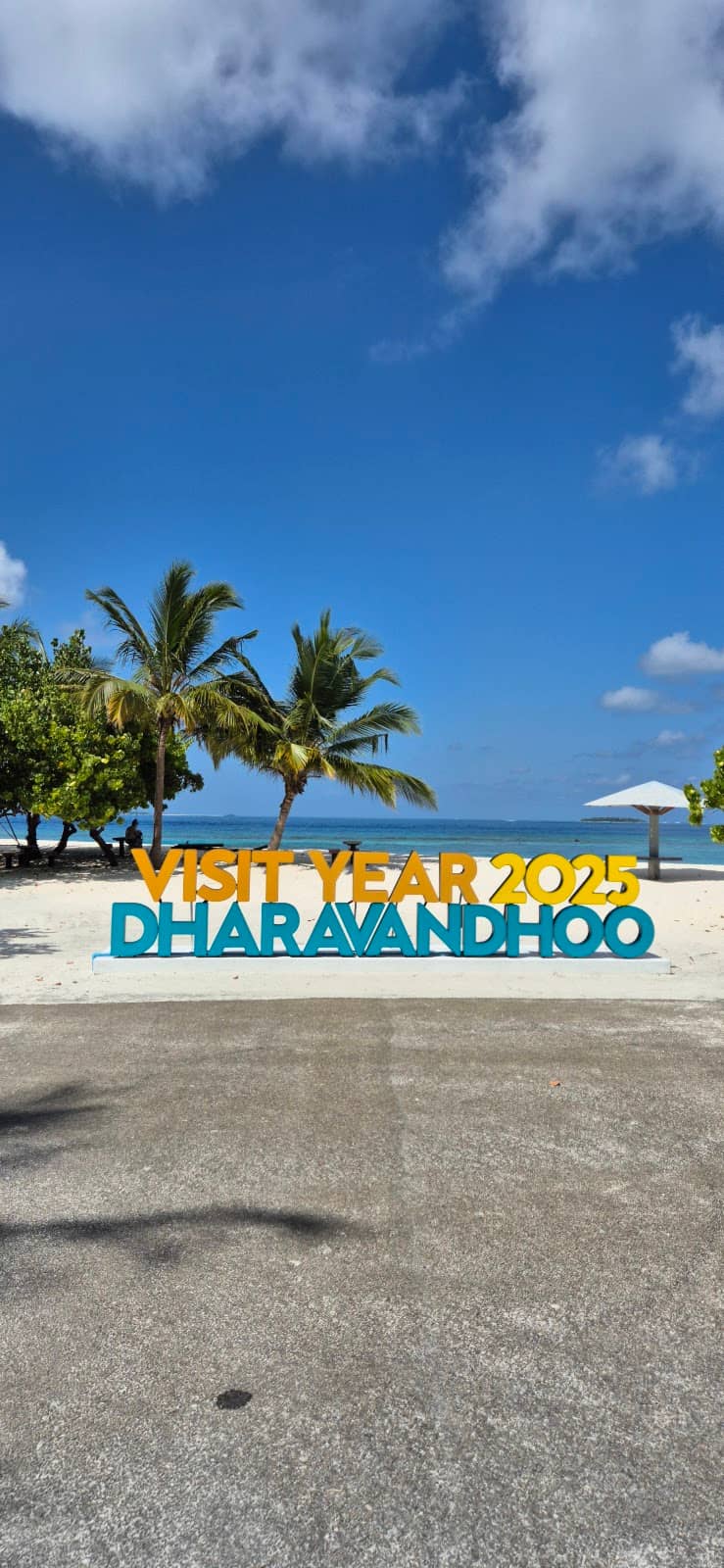
Staying on local islands like Dharavandhoo can be more budget-friendly than resorts.
Tips
from all over the internet
Book Snorkeling Tours Early
Tours to Hanifaru Bay fill up fast, especially during peak season. Book in advance to secure your spot! :admission_tickets:
Respect Marine Life
Maintain a safe distance from animals and avoid touching them. Follow your guide's instructions for responsible interaction. 🌊
Wear Reef-Safe Sunscreen
Protect yourself and the delicate coral reefs by using sunscreen that doesn't harm marine life. :sunwithface:
Consider Local Islands
Staying on local islands like Dharavandhoo can be more budget-friendly than resorts.
Marine Shoes Recommended
Wearing marine shoes can protect your feet from sharp corals and shells on the beach. :athletic_shoe:
What Travellers Say
Reviews Summary
Visitors rave about Hanifaru Bay as a breathtaking natural wonder, particularly for its incredible manta ray and whale shark encounters. The opportunity to snorkel with these gentle giants is consistently highlighted as a magical and unforgettable experience. While some note it can get crowded during peak season, the sheer spectacle of marine life makes it a must-visit.
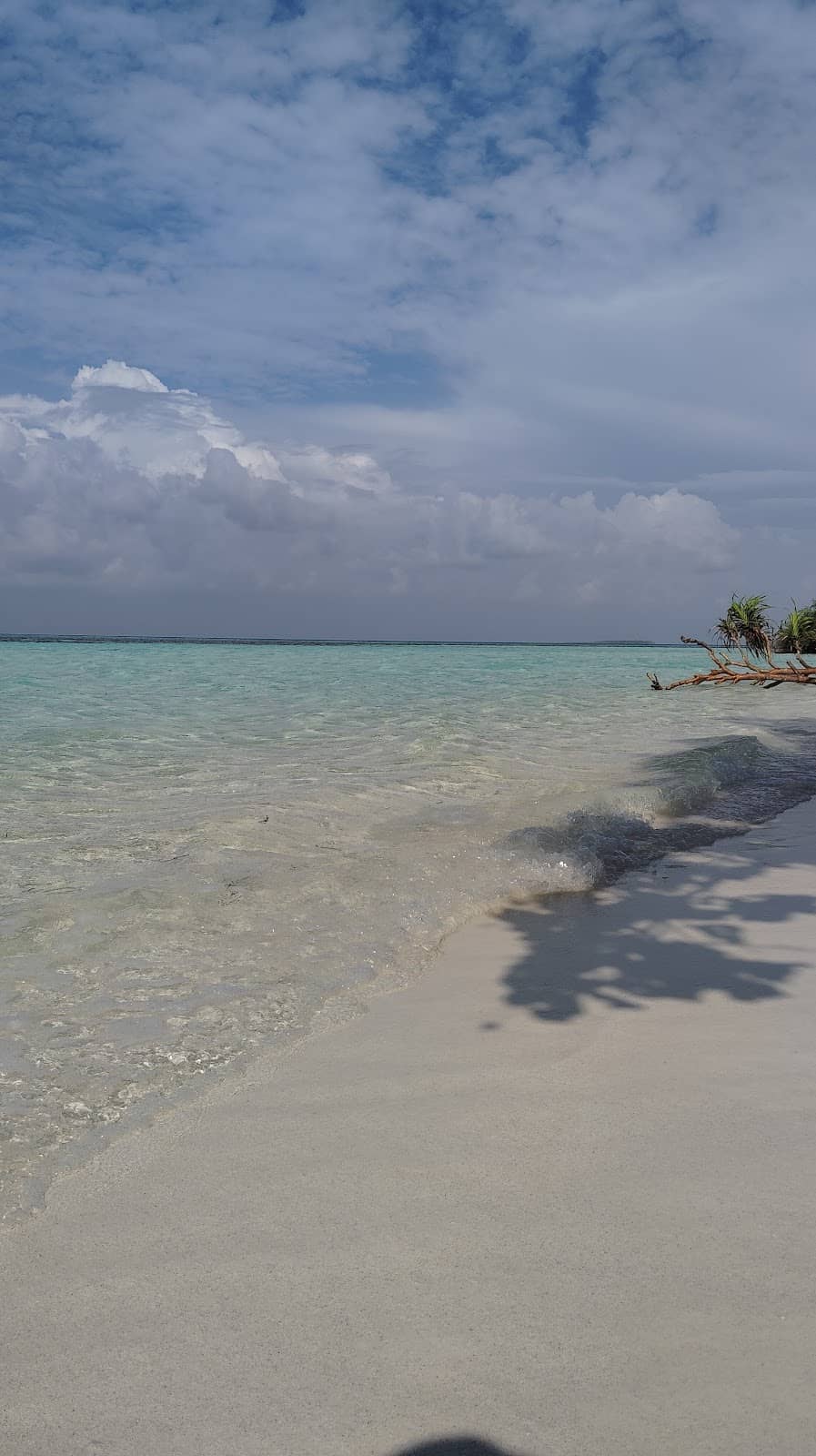
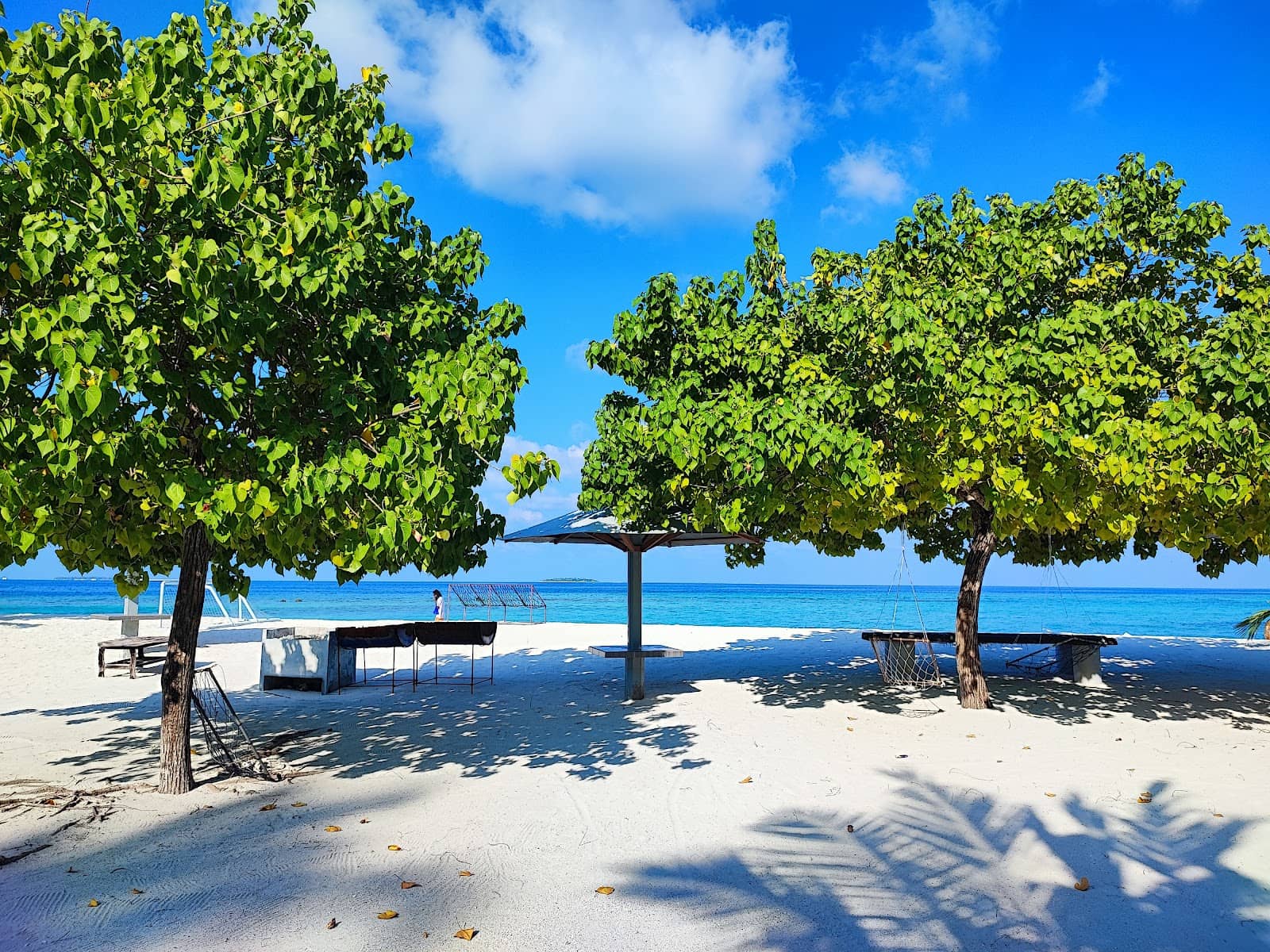
"My favourite spot to spend time...clean beach with clear blue water and coconut trees ,also have swings , benches and umberella shades. Walking along the beach line u will find beautiful swept out corals,shells and crabs running around oftenly too."
samia iftikhar
"A heaven for experience boat recyclers. Different worn out boats on display. Only accessible for non Israeli passport holders."
Kaim Lomiko
"white sand and coral beach for locals. Evening time, peoples on here, but day time there isn't many.
For swimming, good to wear a marine shoes for protect your foot.
This is not clear water as resort island but it's nice bleu color and fishes under the water."
map oki
What People Like
What People Dislike
Frequently Asked Questions
🚇 🗺️ Getting There
Hanifaru Bay is located in the Baa Atoll. The most common way to reach it is by taking a domestic flight or seaplane from Malé International Airport (MLE) to Dharavandhoo Airport (DRV), followed by a short boat ride to Hanifaru Bay. Some resorts in the Baa Atoll also offer direct boat transfers.
Yes, you can visit Hanifaru Bay from Malé. It involves a flight to Dharavandhoo or another nearby island, and then a boat transfer. The journey can take a few hours.
Speedboats are the primary mode of transport for excursions and transfers between islands in Baa Atoll, including trips to Hanifaru Bay.
Many resorts located in the Baa Atoll offer organized excursions to Hanifaru Bay. It's best to check with your specific resort for their transfer options and schedules.
Visiting on a budget is possible by staying on local islands like Dharavandhoo and booking excursions through local tour operators. This can be significantly cheaper than staying at a resort.
🎫 🎫 Tickets & Entry
Yes, there is an entry fee for Hanifaru Bay, which contributes to its conservation. This fee is usually included in organized tour packages.
Hanifaru Bay is typically open during daylight hours when the marine life is most active. The exact timings can vary, and it's best to confirm with your tour operator.
No, diving is strictly prohibited in Hanifaru Bay to protect the marine environment. Snorkeling is the only permitted activity.
The cost varies depending on whether you book through a resort or a local operator. Expect to pay for the boat trip, entry fee, and potentially equipment rental. Budget travelers can find more affordable options on local islands.
While possible, it's more practical and cost-effective to book tours to Hanifaru Bay from within the Baa Atoll, especially from islands like Dharavandhoo.
🎫 🐠 Onsite Experience
Hanifaru Bay is famous for its large congregations of manta rays and whale sharks, especially during the season. You can also spot various reef fish and other marine creatures.
Snorkeling is the best way to get up close with the manta rays and whale sharks in Hanifaru Bay. The shallow waters make it ideal for this activity.
Yes, strict rules are in place to protect the animals. Do not touch, chase, or feed the marine life. Maintain a respectful distance.
Bring your swimwear, a towel, reef-safe sunscreen, a hat, sunglasses, and a waterproof camera or phone case to capture the incredible sights.
During the peak season (May-November), Hanifaru Bay can get quite crowded with snorkelers and boats. Visiting on weekdays or during shoulder months might offer a slightly less crowded experience.
📸 📸 Photography
A GoPro or an action camera with a waterproof housing is ideal for capturing underwater shots. A good quality underwater camera or a smartphone with a waterproof case will also work well.
While photography is generally allowed, ensure you are not disturbing the marine life or other visitors. Avoid using flash photography directly at animals.
Mornings often offer calmer waters and better light for underwater photography. The midday sun can be harsh, but can also create beautiful light shafts.
Some tour operators may offer photography services or have guides who are skilled photographers. It's worth inquiring when booking your tour.
Underwater shots of manta rays and whale sharks are the most sought-after. Wide-angle shots capturing the scale of the gatherings are particularly impressive.
Social
from TikTok, Instagram & Reddit