La Savane des Esclaves Les Trois-Îlets Martinique
A poignant museum and garden dedicated to the history of slavery in Martinique, promoting reconciliation and cultural heritage.
Highlights
Must-see attractions

Social
From TikTok & Reddit
Best Time
Beat the heat and crowds
La Savane des Esclaves Les Trois-Îlets Martinique
Best Time
Beat the heat and crowds
Highlights
Must-see attractions
A poignant museum and garden dedicated to the history of slavery in Martinique, promoting reconciliation and cultural heritage.
"A moving and very informative visit that helps connect with the deeper layers of Martinique's history."
Start with the Video
Don't skip the introductory video; it provides vital context for the rest of your visit. 🎥
Read All the Billboards
The informational signs are packed with fascinating facts and historical details. 📝
Quick Facts
Hours
Rating
4.6 · 4,145 reviews
Type
Museum
Highlights
Discover the most iconic attractions and experiences
The Founder's Introductory Video
A moving and informative video by the founder, explaining the history of slavery and life after. Essential context for the entire visit.
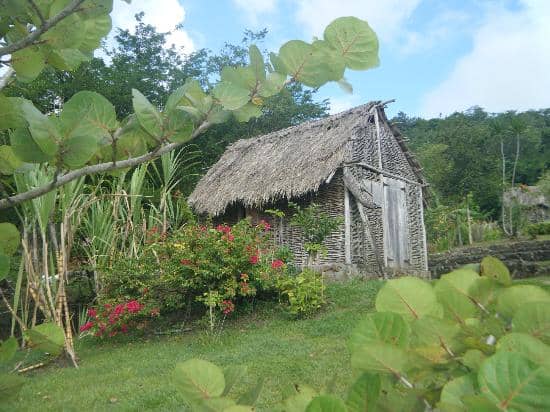
Creole Medicinal Garden
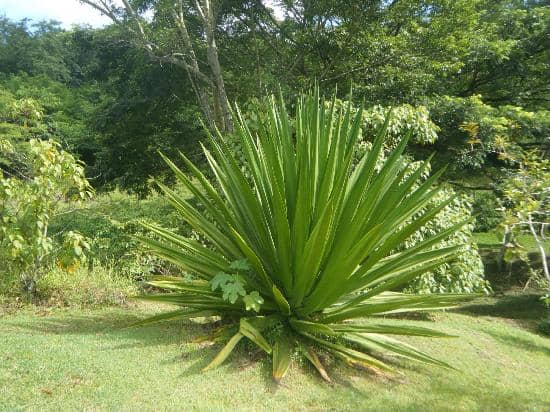
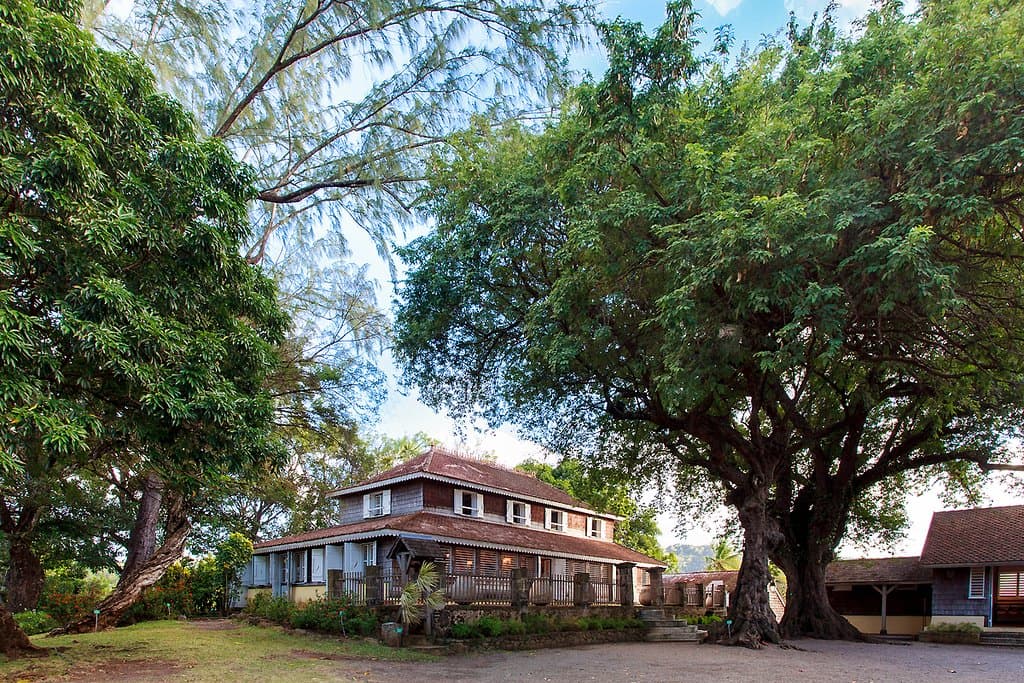
A beautiful and tranquil garden showcasing traditional medicinal plants, offering a peaceful contrast to the historical exhibits.
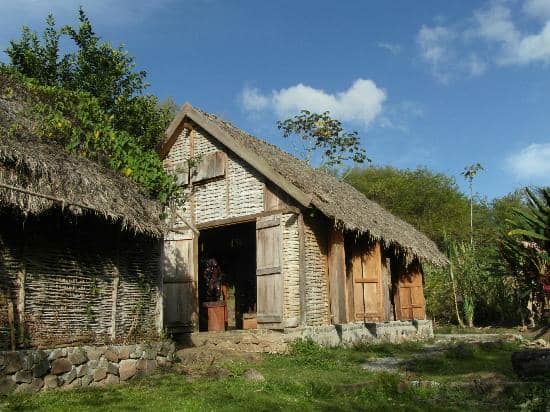
Huts and Exhibitions
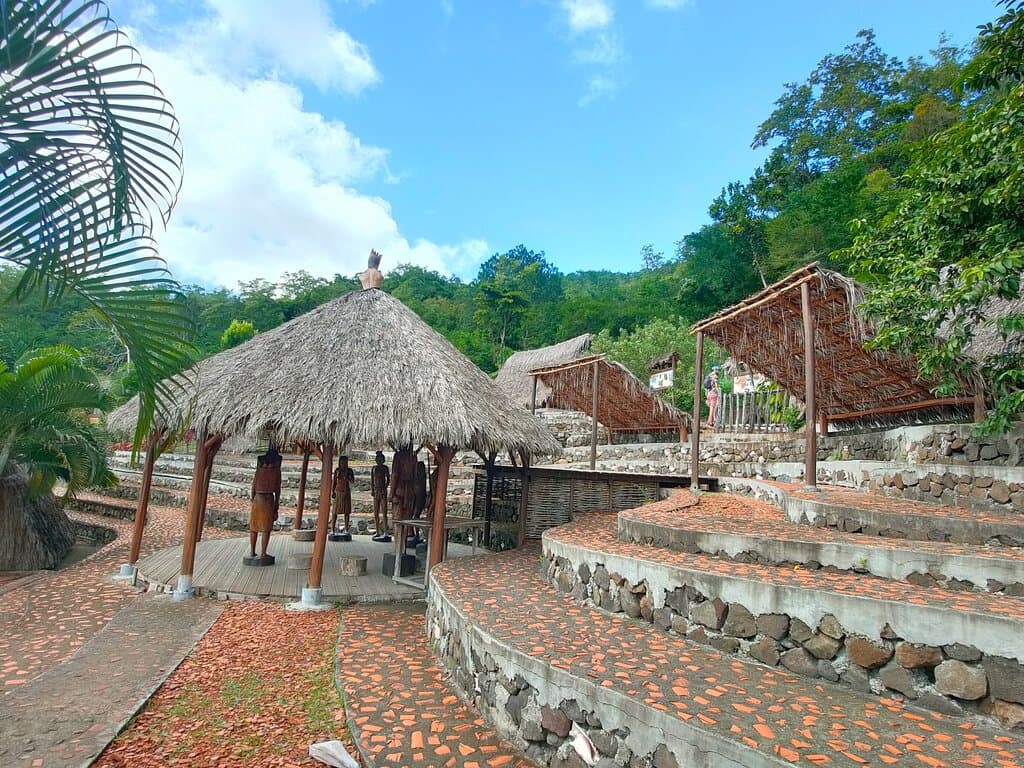
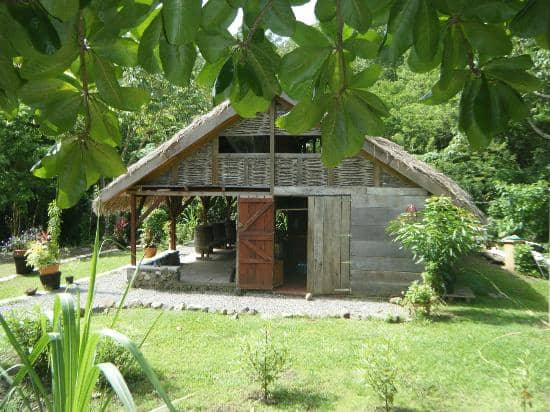
Explore reconstructed huts and detailed exhibitions that bring the history of slavery and post-slavery life to life.
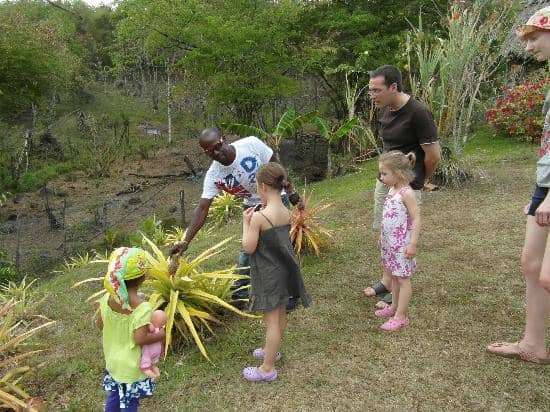
Traditional Cacao Preparation
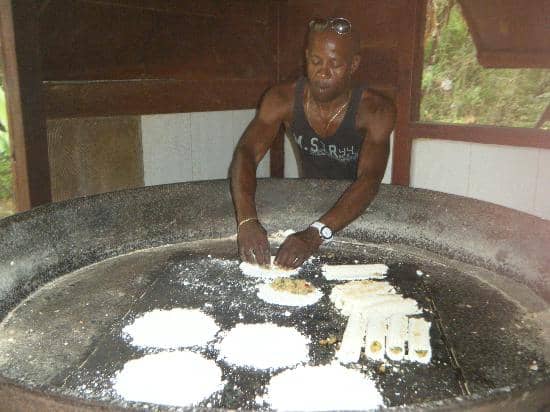
Witness the ancestral process of making traditional cacao sticks, from roasting beans to shaping the final product.

Plans like a pro.
Thinks like you
Planning Your Visit
Allocate Ample Time for Reflection
Prepare for Limited Connectivity
Best Times
Insider Tips
from TikTok, Instagram & Reddit
Start with the Video
Don't skip the introductory video; it provides vital context for the rest of your visit. 🎥
Read All the Billboards
The informational signs are packed with fascinating facts and historical details. 📝
Wear Comfortable Shoes
The gardens are beautiful but can be steep; comfortable footwear is recommended. :athletic_shoe:
Embrace the Local Flavors
Try traditional drinks like 'madou' or sample local produce like cassava flour and cacao.
Tips
from all over the internet
Start with the Video
Don't skip the introductory video; it provides vital context for the rest of your visit. 🎥
Read All the Billboards
The informational signs are packed with fascinating facts and historical details. 📝
Wear Comfortable Shoes
The gardens are beautiful but can be steep; comfortable footwear is recommended. :athletic_shoe:
Embrace the Local Flavors
Try traditional drinks like 'madou' or sample local produce like cassava flour and cacao.
Allow Plenty of Time
You'll want at least 2.5 hours to explore thoroughly and absorb the history. 🕐
What Travellers Say
Reviews Summary
Visitors find La Savane des Esclaves to be a moving and informative experience that sheds light on Martinique's colonial past and the history of slavery. While some found the exhibits a bit lacking in detail and the price high, most appreciate the founder's message of reconciliation and the tranquility of the gardens. The bilingual signage and video are highly praised for accessibility. +2
"We left the exhibition a bit underwhelmed. While we can appreciate the work that was put in, the visit was a bit disappointing, and lacked sufficient details. The gardens were lovely though, but very steep and didn't offer much shade. We also noticed that they were no benches to sit on.
Overall, we feel like the price may be too high for what you actually get. (12 euros/ person)"
William Fijean
"We loved our visit though it was intense. The site is so beautiful and it does truth telling of the ugly colonial past. The message of the founder is one of reconciliation. As a visitor to Martinique it really helped me connect with the deeper layers of its history."
samantha slade
"Though staying much further north, we visited this museum on the recommendation of our hotelier. It was a moving and very informative visit, and I was surprised the tranquility in the gardens.
The introductory video is a must. Presented by the founder of the museum, it provides a clear explanation of the history of the people and immigrants who came to Martinique, the history of slavery and life after slavery. In fact, it is a foundation for everything that follows.
Everything is presented in French and English, including very clear subtitles on the video.
Give yourself at least 90 minutes to visit here. Walk around the site brings the video to life, and the gardens themselves are beautiful.
Very welcoming staff. Don't miss this experience!! Thank you."
Caroline Williams
What People Like
What People Dislike
Frequently Asked Questions
🚇 🗺️ Getting There
La Savane des Esclaves is located in Les Trois-Îlets. You can reach it by car, and it's a popular stop for those exploring the southern part of Martinique. Parking is available on-site.
While public transport options might be limited directly to the site, it's often visited as part of a larger tour or by renting a car, which is common for exploring Martinique.
Renting a car is highly recommended for flexibility in exploring Les Trois-Îlets and other attractions in Martinique. This allows you to easily combine a visit to La Savane des Esclaves with other nearby sites.
Many local tour operators in Martinique offer excursions that include La Savane des Esclaves as part of a broader historical or cultural tour of the island.
Roads in Martinique are generally well-maintained, especially the main routes. Driving to Les Trois-Îlets is straightforward, but be prepared for winding roads in some areas.
🎫 🎫 Tickets & Entry
The admission price is around 12 euros per person. While some visitors feel it's a bit high for the experience, many agree it's worth it for the historical insights.
Booking in advance is generally not required, but it's always a good idea to check their official website or social media for any updates on ticketing or opening hours, especially during peak season.
Opening hours can vary, so it's best to check their official channels. They typically open in the morning and close in the late afternoon.
Information on specific discounts for children or seniors is not widely available. It's recommended to inquire directly with the site or check their official website for any available concessions.
It's advisable to carry some cash, as not all attractions on the island may accept credit cards. Checking their payment policy beforehand is recommended.
🎫 🧭 Onsite Experience
Most visitors recommend allocating at least 90 minutes to 2.5 hours to fully experience the museum, watch the introductory video, and explore the gardens. +1
Yes, all information, including the introductory video with subtitles and signage, is available in both French and English, making it accessible to international visitors.
Some visitors have noted a lack of benches, particularly in the gardens. It's a good idea to be prepared for standing or walking for extended periods.
The site includes gardens that can be steep, so comfortable walking shoes are recommended. There isn't much shade in certain areas, so consider visiting during cooler parts of the day.
Photography is generally permitted for personal use, allowing you to capture the historical exhibits and beautiful gardens.
🍽️ 🍽️ Food & Dining
While the focus is on historical exhibits and gardens, there might be a small shop selling local products or refreshments. It's best to check their offerings beforehand.
You can try traditional refreshing drinks like 'madou,' made from local fruits and herbs, offering a taste of authentic Martinique.
Yes, there is a shop selling local products such as gluten-free flours, syrups, cacao sticks, and books related to Martinique's history.
The site highlights traditional ingredients like manioc, which can be transformed into flour for dishes like dombrés, and local fruits used for chips and other preparations.
La Savane des Esclaves is primarily a historical site and museum, not a full-service restaurant. Dining options are usually limited to snacks or local products.
📸 📸 Photography
The lush medicinal gardens, the traditional huts, and the detailed exhibits offer great photographic opportunities. Capture the essence of the local culture and history.
Drone usage regulations can be strict. It's essential to check with the site management or local authorities regarding permission for drone photography.
Generally, personal photography is allowed, but flash photography might be restricted in certain areas to protect artifacts. Always observe any posted signs.
The gardens offer natural light, which is beautiful but can be dappled. Indoor exhibits may have artificial lighting. Consider visiting during the morning for softer light.
The traditional crafts, the vibrant local flora, and the historical reenactments (if any) provide unique and culturally rich subjects for photography.



Social
from TikTok, Instagram & Reddit