Maison de la Canne
Explore Martinique's sugar cane history and rum heritage at this affordable, information-rich museum.
Highlights
Must-see attractions

Social
From TikTok & Reddit
Best Time
Fewer crowds for reading
Maison de la Canne
Best Time
Fewer crowds for reading
Highlights
Must-see attractions
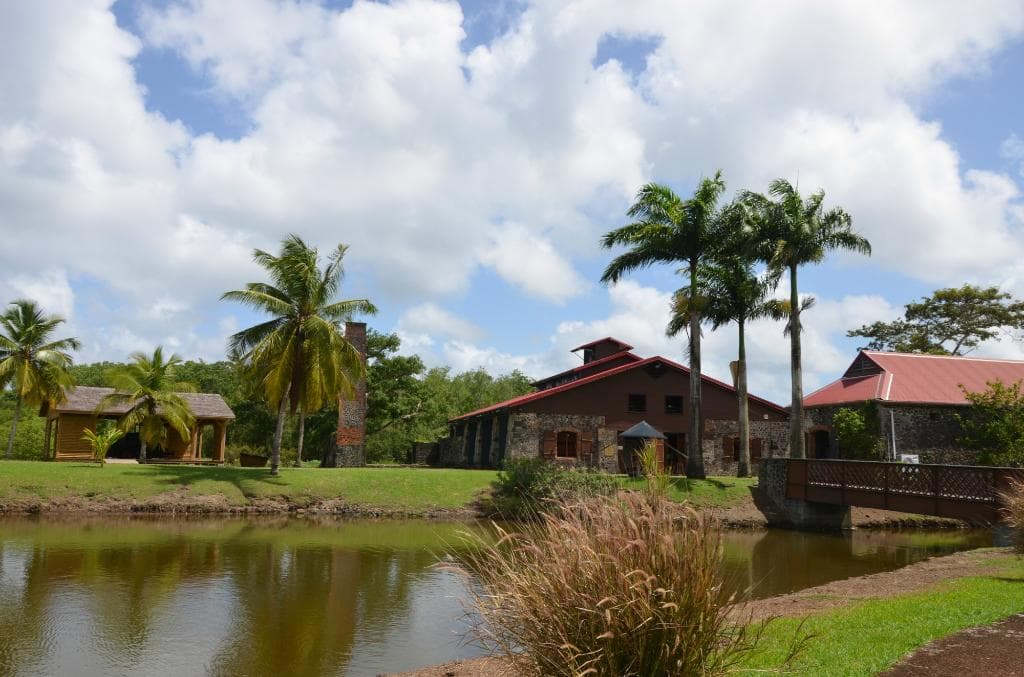
Explore Martinique's sugar cane history and rum heritage at this affordable, information-rich museum.
"A treasure trove of history for readers, offering deep insights into sugar cane and rum at a great price."
🎯 Affordable Entry
Expect to pay around €4 for admission, with student discounts available. A great value for a historical deep dive!
📚 Bring Your Reading Glasses
The museum relies heavily on detailed explanatory panels. Perfect for history buffs who enjoy reading!
Highlights
Discover the most iconic attractions and experiences
Sugar Cane History Panels
Immerse yourself in the detailed history of sugar cane, from cultivation to its impact on society and rum production.
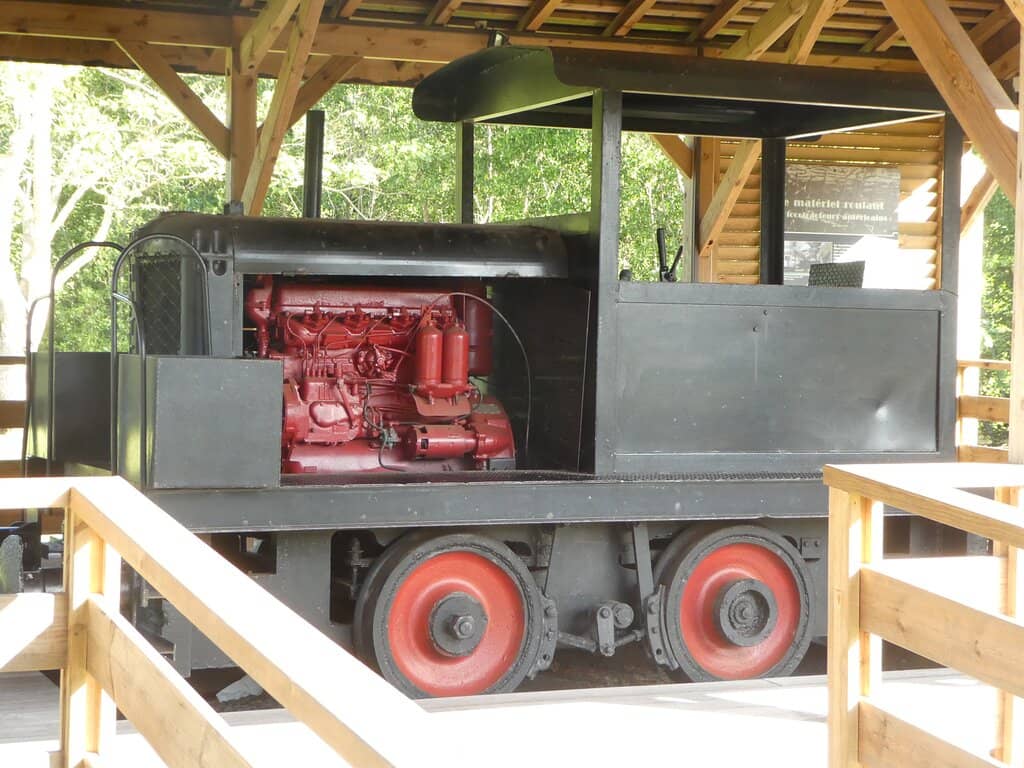
Historical Artifacts & Models
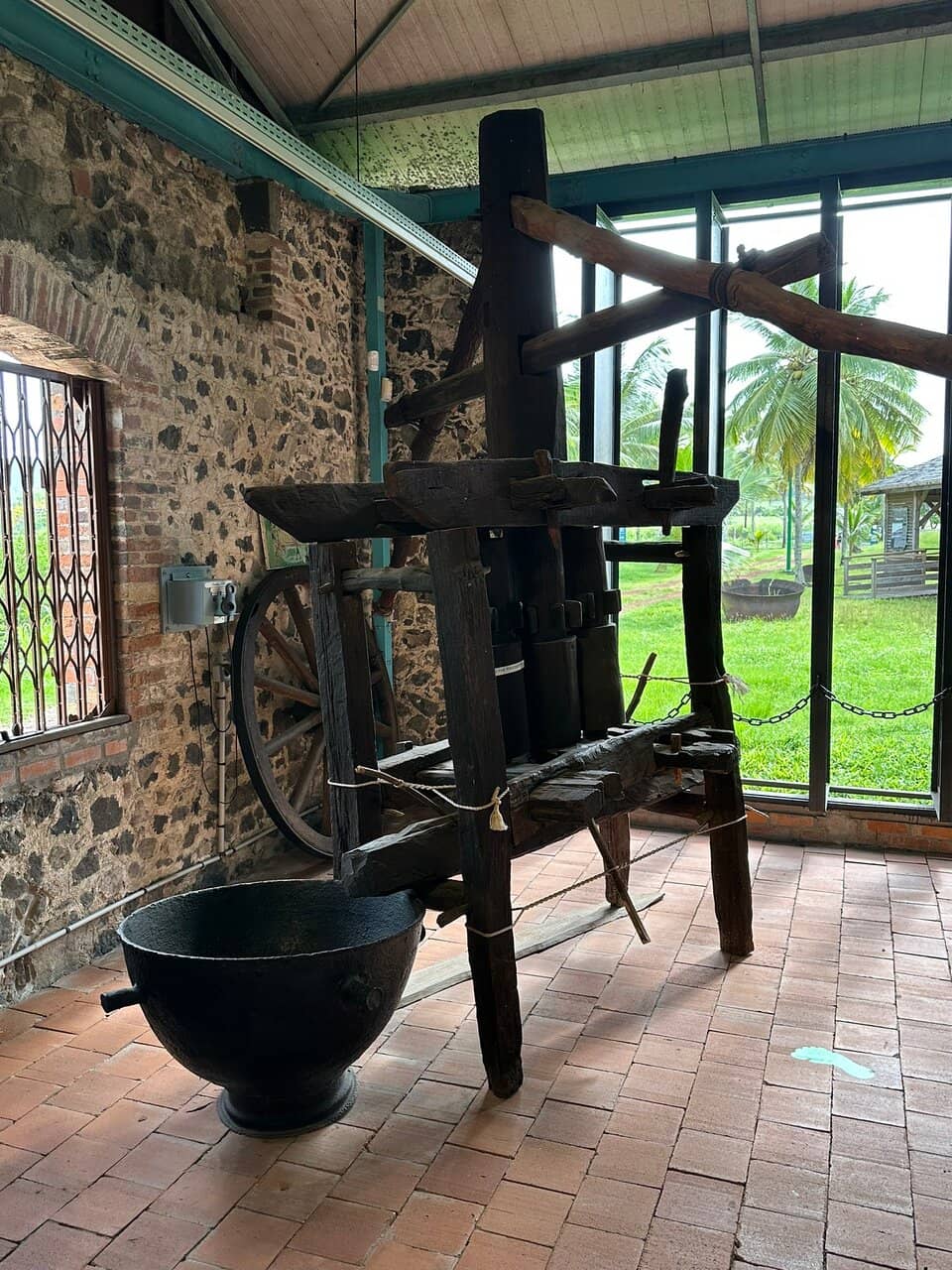
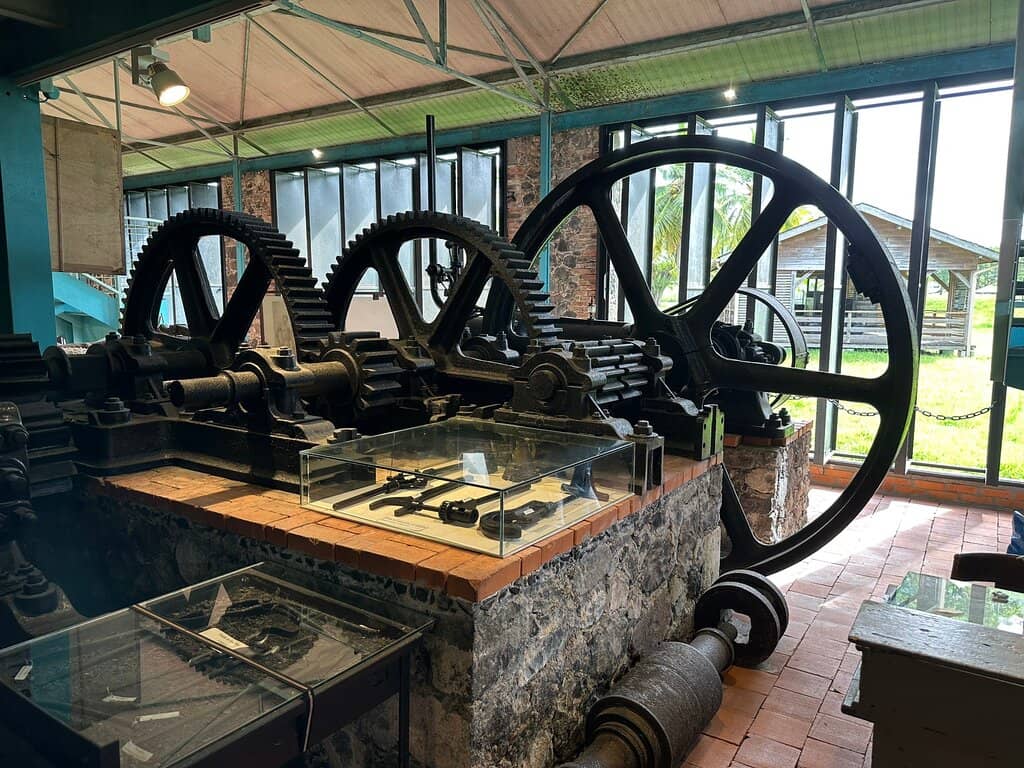
See old machines, tools, and models that illustrate the evolution of sugar cane processing and rum making.
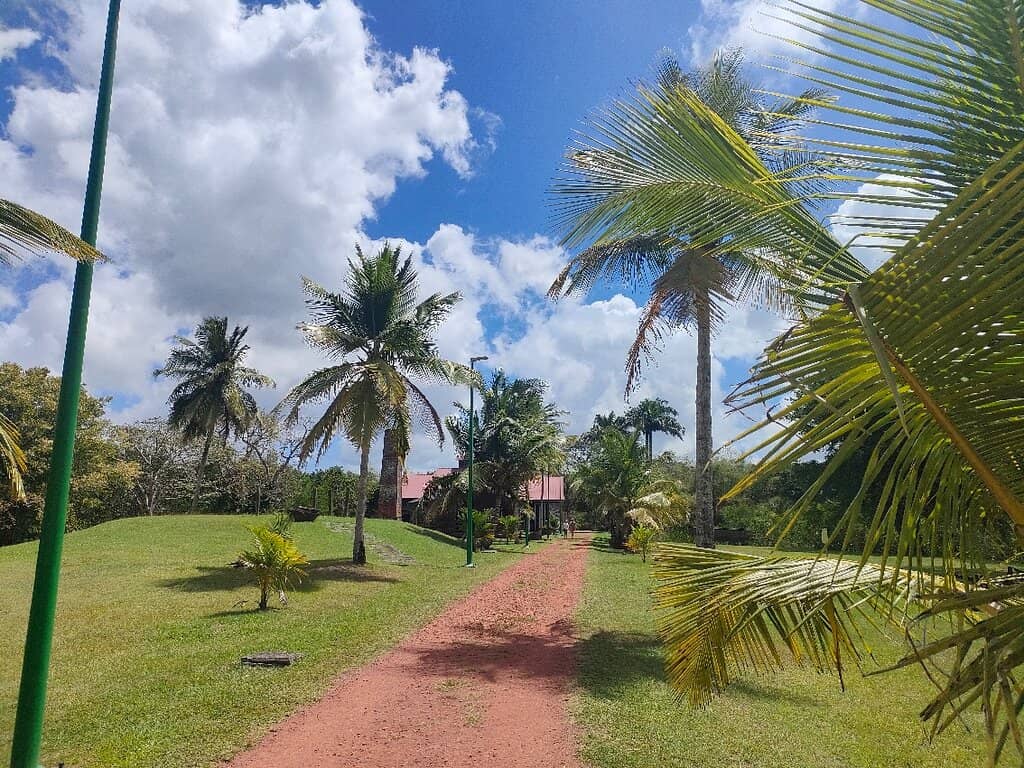
Rum Production Insights
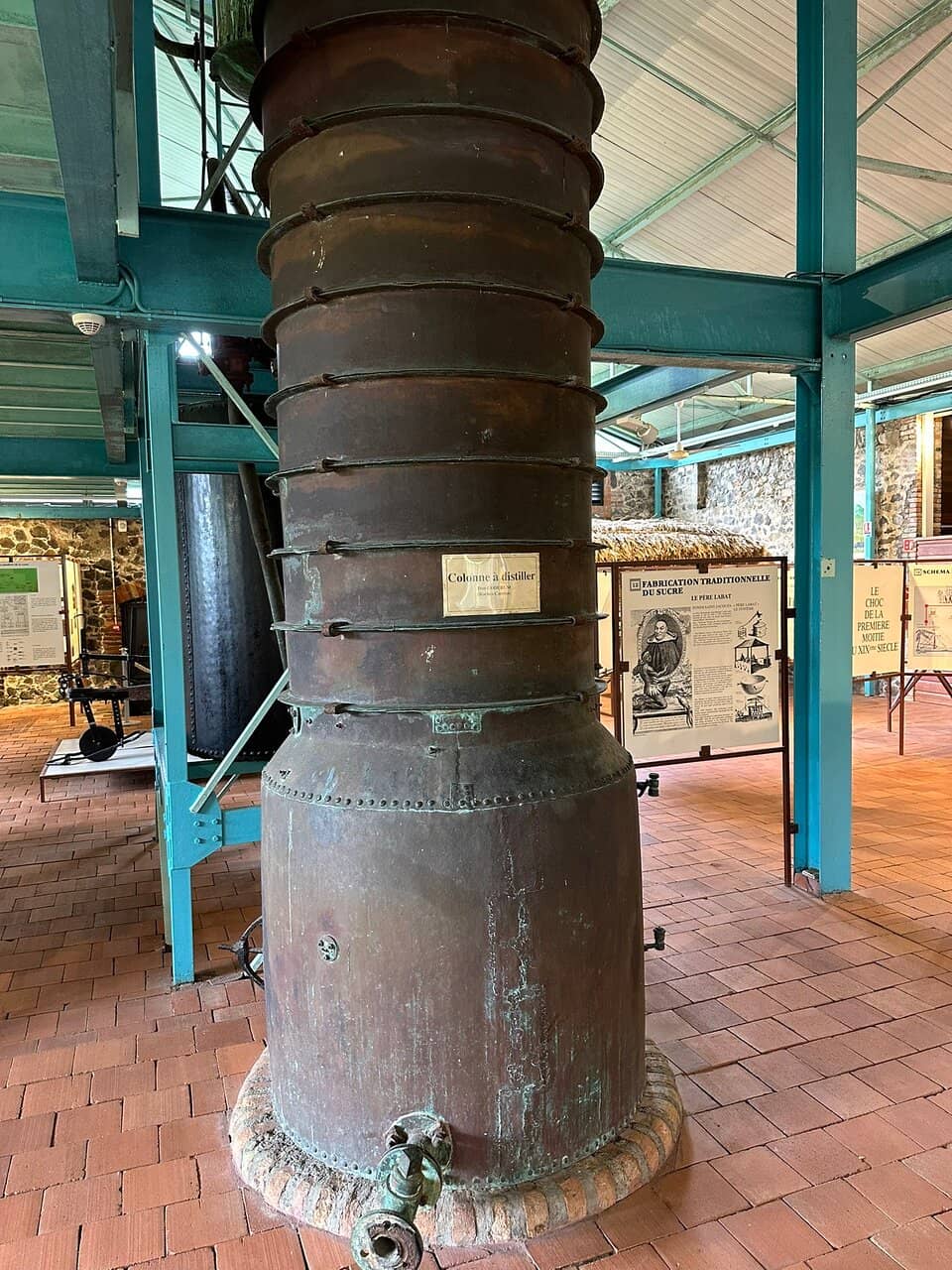
Learn about the transformation of sugar cane into the beloved spirit of Martinique, with a focus on traditional methods.
Plans like a pro.
Thinks like you
Planning Your Visit
Budget-Friendly Exploration
Prepare for Reading
Best Times
Insider Tips
from TikTok, Instagram & Reddit
🎯 Affordable Entry
Expect to pay around €4 for admission, with student discounts available. A great value for a historical deep dive!
📚 Bring Your Reading Glasses
The museum relies heavily on detailed explanatory panels. Perfect for history buffs who enjoy reading!
🤔 Ask the Staff
The welcome is warm, and staff are happy to answer questions, enhancing your understanding.
💡 Potential for Modernization
While rich in history, some visitors note it could benefit from modernization for a more interactive feel.
Tips
from all over the internet
🎯 Affordable Entry
Expect to pay around €4 for admission, with student discounts available. A great value for a historical deep dive!
📚 Bring Your Reading Glasses
The museum relies heavily on detailed explanatory panels. Perfect for history buffs who enjoy reading!
🤔 Ask the Staff
The welcome is warm, and staff are happy to answer questions, enhancing your understanding.
💡 Potential for Modernization
While rich in history, some visitors note it could benefit from modernization for a more interactive feel.
What Travellers Say
Reviews Summary
Maison de la Canne is praised for its affordable entry and the wealth of historical information it provides, particularly regarding sugar cane cultivation and rum production. However, some visitors find the presentation dated and text-heavy, suggesting a need for modernization to enhance engagement.
"The Cane Museum has a beautiful setting, but it is surprising not to see a single sugar cane plant, even though there would be plenty of room to plant some and enhance the site. The welcome is warm and the €4 fee is reasonable, even if €2 would seem more appropriate given the visit. There are many explanatory panels, but the museum could do with a bit of modernization to make the experience more enjoyable."
jeremyteychene
"Clean, well-maintained, and really cheap (€4), which is why I'm giving it two stars.
It's missing three stars because I just felt like I was in a giant ninth-grade presentation. The sugarcane house is a house with tons of signs and huge writing blocks that would make your head hurt. There are models, boards, and tools from the period, but everything is old-fashioned. Not a sound, it feels like it's in the way.
And for me, the biggest problem is that I didn't see any sugarcane. No fields, no pieces of sugarcane, no reproductions. There's no way to see, smell, touch, or taste it. What a disappointment for a sugarcane house!
It's a shame, the place has potential."
Moca Ppuccino
"The museum is very accessible; for two students, we paid only €2!
The staff made us feel very welcome; before and after the tour, they told us that if we had any questions, don't hesitate to ask!
If you're really interested in learning about the history of sugar cane and enjoy reading, I highly recommend it!"
prescillia peck
What People Like
What People Dislike
Frequently Asked Questions
🚇 🗺️ Getting There
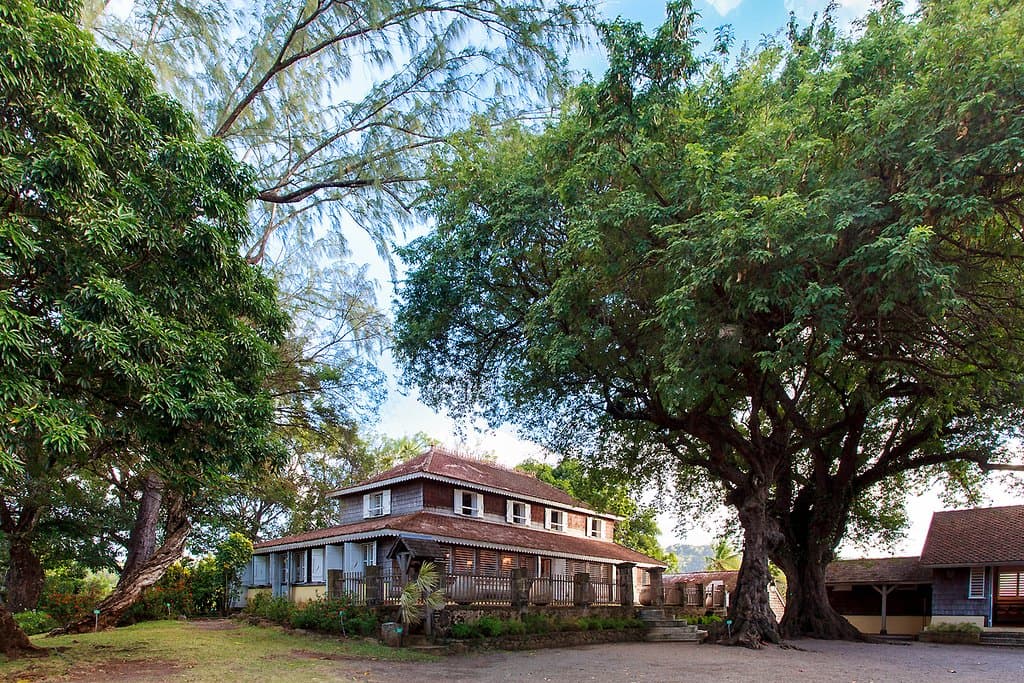
Maison de la Canne is located at Habitation Saint-Étienne in Les Trois-Îlets, Martinique. It's best accessed by car or taxi. Public transport options might be limited, so check local schedules if relying on buses.
Yes, there is typically ample parking available at Habitation Saint-Étienne, where the museum is situated. This makes it convenient for visitors arriving by car.
The museum is generally well-maintained and accessible. Visitors have noted it's clean and well-organized, suggesting good accessibility for most.
🎫 🎫 Tickets & Entry
The admission fee is very reasonable, typically around €4 for adults. Students often pay less, around €2. It's considered a great value for the historical information provided.
Yes, student discounts are commonly available, making the visit even more affordable for younger travelers.
Opening hours can vary, so it's always best to check the official website or contact the museum directly before your visit. However, it's generally open during daytime hours on weekdays.
Tickets are usually purchased on-site upon arrival. Given the affordable price and the nature of the exhibits, advance booking is typically not required.
While some reviews mention it being free, the most consistent information indicates a small admission fee, usually around €4. It's definitely one of the most budget-friendly attractions.
🎫 🧭 Onsite Experience
You'll find extensive explanatory panels detailing the history of sugar cane, slavery, rum production, and the socio-economic impact of cane cultivation in Martinique. There are also historical artifacts and models.
The museum is primarily text-based with many explanatory panels. While it offers a deep dive into history, it's less about interactive exhibits and more about reading and absorbing information.
A visit can take anywhere from 1 to 2 hours, depending on how much time you dedicate to reading the detailed panels. History enthusiasts might spend longer.
Information about a gift shop is not widely available, but given the focus on historical education, it might be limited or non-existent.
The atmosphere is educational and historical. Some visitors find it a bit dated or like a 'giant ninth-grade presentation,' while others appreciate the depth of information.
🍽️ 🍽️ Food & Dining
There are no specific dining facilities mentioned within the museum itself. However, the museum is located at Habitation Saint-Étienne, which may have its own restaurant or cafe. It's advisable to check their offerings separately.
It's generally recommended to consume food and drinks outside of exhibition areas in most museums to preserve the artifacts and displays. Check for specific museum policies.
Les Trois-Îlets offers several dining options, from local Creole cuisine to more international fare. Exploring the town center will provide various choices for lunch or dinner.
📸 📸 Photography
Photography policies can vary. While some museums restrict flash photography or photography of certain exhibits, it's generally permitted for personal use unless otherwise stated.
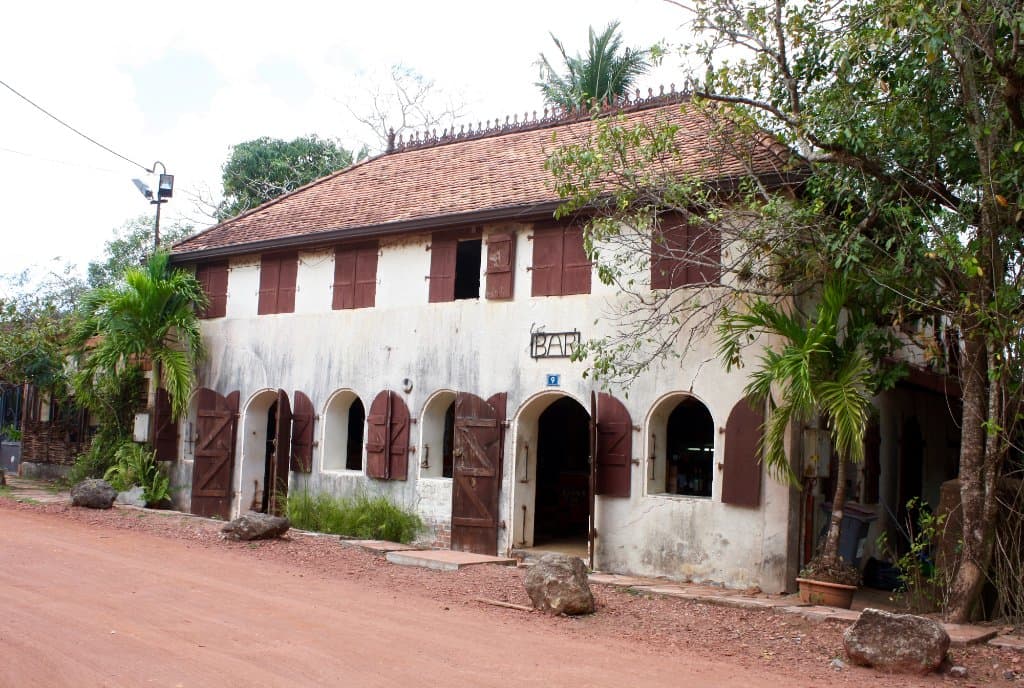
The historical artifacts, old machines, and the detailed exhibition panels themselves can make for interesting, informative photos. The setting at Habitation Saint-Étienne also offers picturesque views.
The models and old machinery used in sugar cane processing are visually interesting. The overall historical context of the museum provides a unique backdrop.
For Different Travelers
Tailored advice for your travel style
👨👩👧 Families with Kids

To make the visit more engaging for younger family members, encourage them to look for specific artifacts like old machines or tools, or to find facts about how sugar cane was harvested. The museum's location at Habitation Saint-Étienne also provides a pleasant setting. While not a playground, the historical context can spark curiosity about island life in different eras.
💰 Budget Travelers
This museum is perfect for those who enjoy learning through reading and exploring historical context without spending a lot. It provides a deep understanding of a crucial aspect of Martinique's heritage, allowing you to immerse yourself in the island's past without a hefty price tag.
Deep Dives
In-depth insights and expert knowledge
The History of Sugar Cane in Martinique
Beyond mere cultivation, the museum explores the socio-economic impact of sugar cane. This includes the complex and often brutal history of slavery, which was fundamental to the plantation system. Visitors can gain insight into the lives of enslaved people, the abolition of slavery, and the subsequent labor systems that emerged. The museum also touches upon the decline in traditional sugar production and the shift towards quality rum as a primary output, reflecting the evolving agricultural landscape of the island.
While the museum is rich in textual information, some visitors suggest it could benefit from more visual or interactive elements to bring the history to life. However, for those who appreciate detailed historical accounts and enjoy reading, Maison de la Canne provides a comprehensive and affordable educational experience. It's a place where you can truly understand the roots of Martinique's culture and its enduring connection to the sugar cane plant.
From Cane to Rum: The Distillery Connection
+1The museum's displays often include historical machinery and tools used in the early stages of rum making, offering a tangible connection to the past. Understanding this process is key to appreciating the quality and unique character of Martinican rum. The narrative often highlights the transition from sugar as the primary product to rum becoming a more significant export and cultural icon.
For visitors interested in the journey from field to bottle, Maison de la Canne serves as an excellent primer. It complements visits to actual distilleries by providing the essential historical and agricultural context. It underscores how the legacy of sugar cane continues to thrive through the production of world-class rum, a vital part of Martinique's identity.

Social
from TikTok, Instagram & Reddit