Cenote Xlacah
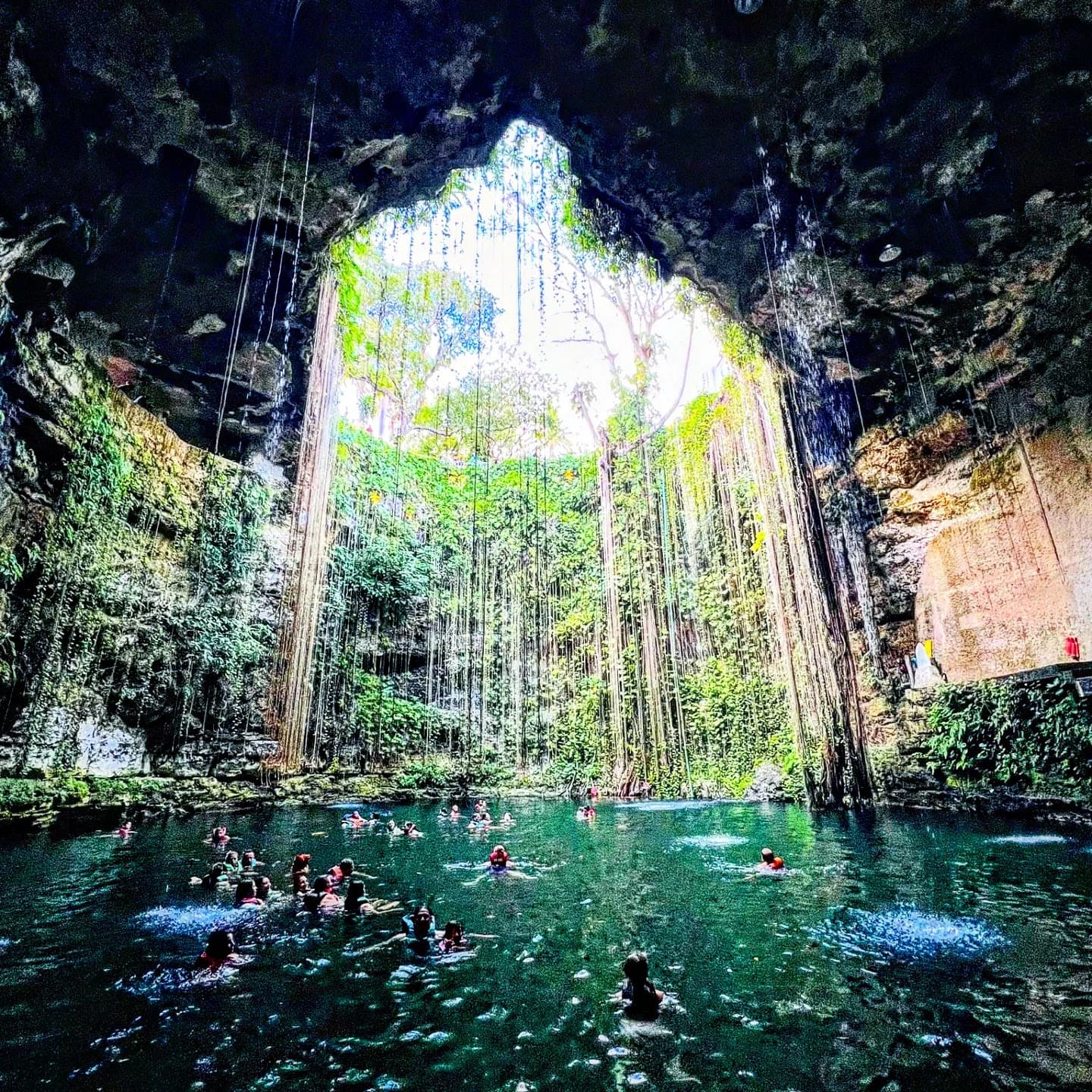
A vast cenote within ancient Mayan ruins, once a sacred site and now a potential swimming spot, rich with archaeological discoveries.
Highlights
Must-see attractions

Social
From TikTok & Reddit
Best Time
Potentially more activities or visitors
Cenote Xlacah
Best Time
Potentially more activities or visitors
Highlights
Must-see attractions
A vast cenote within ancient Mayan ruins, once a sacred site and now a potential swimming spot, rich with archaeological discoveries.
"Explore ancient Mayan history and swim in a vast, sacred cenote at Dzibilchaltún. 

Verify Opening Status
Recent reports indicate it might be closed. Always check current conditions before visiting.
Combine with Ruins
Visit the adjacent Dzibilchaltún archaeological zone for a full day of history and nature.

Highlights
Discover the most iconic attractions and experiences
The Grand Cenote
Dzibilchaltún Archaeological Zone
One of the largest and deepest cenotes in Yucatán, offering a refreshing swim amidst ancient Mayan history.
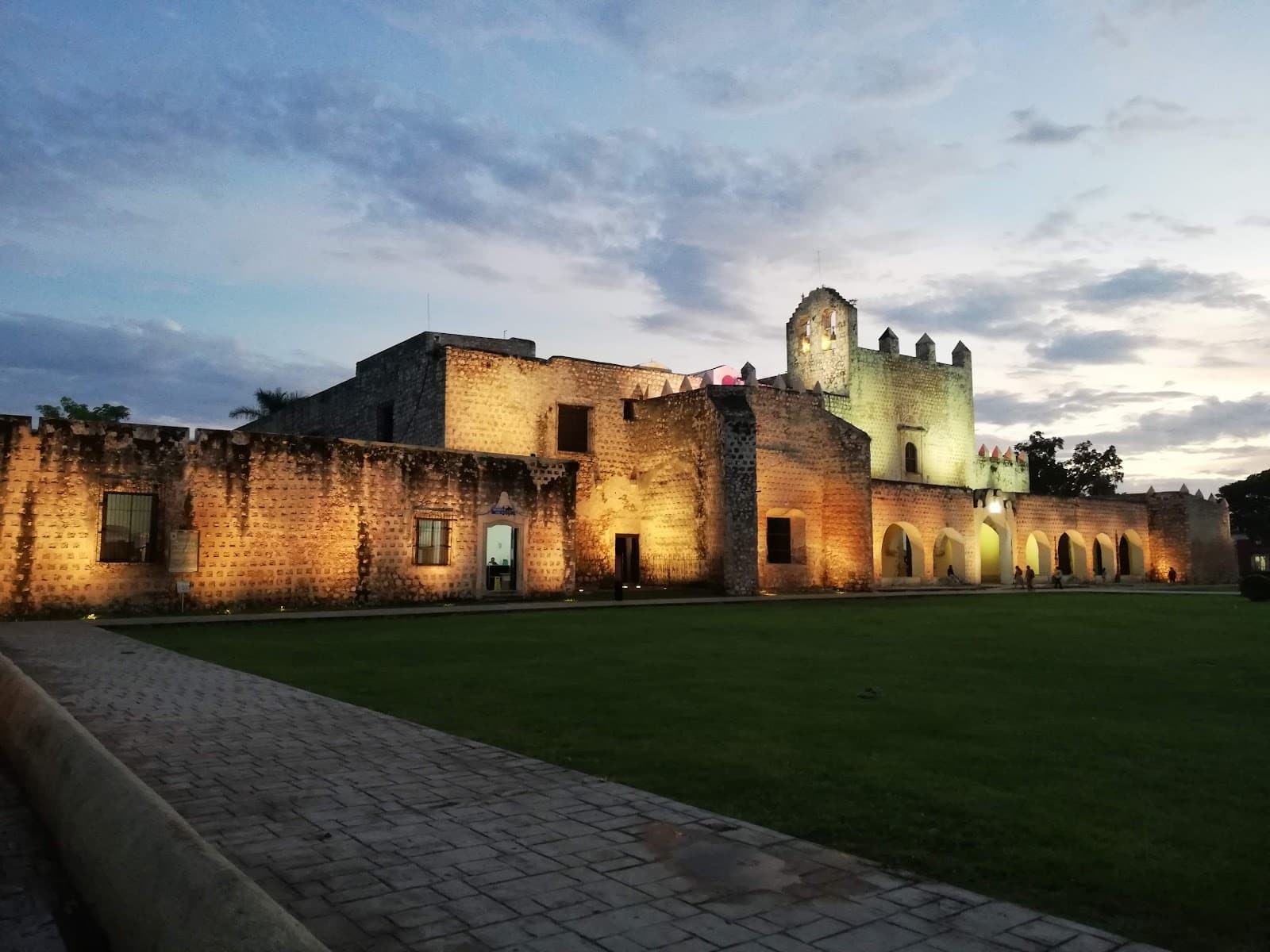
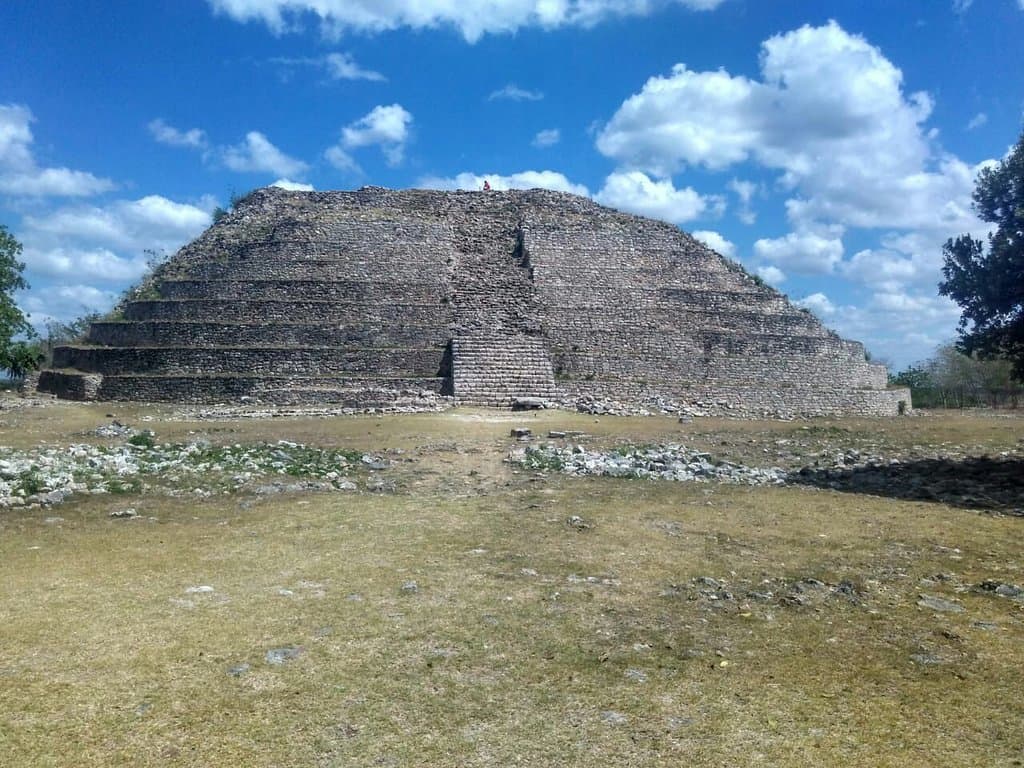
Dzibilchaltún Mayan Ruins
Adjacent to Cenote Xlacah
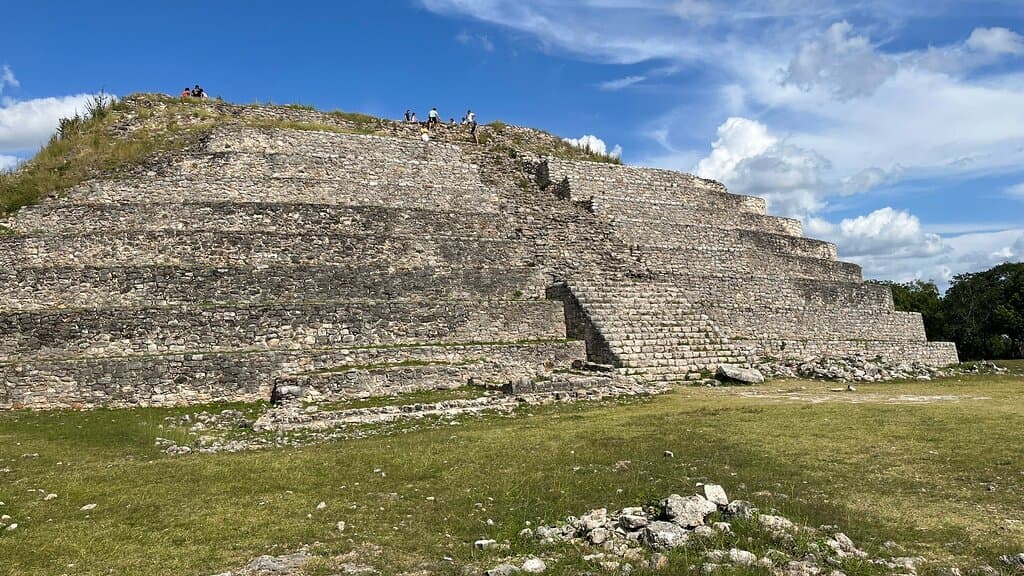
Explore one of Mesoamerica's most significant archaeological sites with impressive structures and historical depth.
+1
Archaeological Discoveries
Underwater within Cenote Xlacah
Witness the site where thousands of ceramic vessels and ritual objects were recovered, offering insights into Mayan practices.
Plans like a pro.
Thinks like you
Planning Your Visit
Check Current Status Before You Go
Combine with Dzibilchaltún Ruins
+1Best Times
Insider Tips
from TikTok, Instagram & Reddit
Verify Opening Status
Recent reports indicate it might be closed. Always check current conditions before visiting.
Combine with Ruins
Visit the adjacent Dzibilchaltún archaeological zone for a full day of history and nature.
Parking Fee
There's a parking fee, but Sundays are often free for entry to the archaeological zone.
Bring Swim Gear
If open, pack your swimsuit and towel for a dip in the refreshing cenote waters.
Tips
from all over the internet
Verify Opening Status
Recent reports indicate it might be closed. Always check current conditions before visiting.
Combine with Ruins
Visit the adjacent Dzibilchaltún archaeological zone for a full day of history and nature.
Parking Fee
There's a parking fee, but Sundays are often free for entry to the archaeological zone.
Bring Swim Gear
If open, pack your swimsuit and towel for a dip in the refreshing cenote waters.
What Travellers Say
Reviews Summary
Cenote Xlacah, located within the Dzibilchaltún archaeological zone, offers a unique blend of natural beauty and historical significance. While historically a popular swimming spot and a site of significant archaeological finds, recent visitor reports suggest it may be closed or abandoned, making its current accessibility uncertain.
"An abandoned cenote. They used to make it very family-friendly, but now it's completely abandoned. I went in and there was nothing, not a soul."
Profesor SIG
"Not open to the public"
Mario Franco
""
Carlos Fernández
What People Like
What People Dislike
Frequently Asked Questions
🚇 🗺️ Getting There
Cenote Xlacah is located within the Dzibilchaltún archaeological zone, about a 15-minute drive from Mérida. You can reach it by car or taxi.
Yes, there is a parking area at the Dzibilchaltún archaeological zone, which has a fee.
Information on direct public transport is limited, but it's best to check local bus routes or consider a taxi for convenience.
🎫 🎫 Tickets & Entry
Recent information suggests Cenote Xlacah may be closed for cleaning or is abandoned. It's crucial to verify its operational status before visiting.
If open, there is typically an entrance fee for the Dzibilchaltún archaeological zone, which includes access to the cenote. Sundays may offer free entry to the zone.
Opening hours can vary, especially if the cenote is undergoing maintenance. It's best to check the official Dzibilchaltún archaeological zone hours.
Advance booking is generally not required for cenotes within archaeological zones, but it's wise to confirm if any special arrangements are in place.
🎫 🏊 Onsite Experience
Historically, Cenote Xlacah was a popular swimming spot. However, its current accessibility and swimming status need to be confirmed due to recent reports of closure.
Beyond the cenote itself, you can explore the adjacent Dzibilchaltún Mayan ruins, known for their historical significance and structures.
While it was once considered family-friendly, recent reviews suggest it might be abandoned. Check current conditions for family suitability.
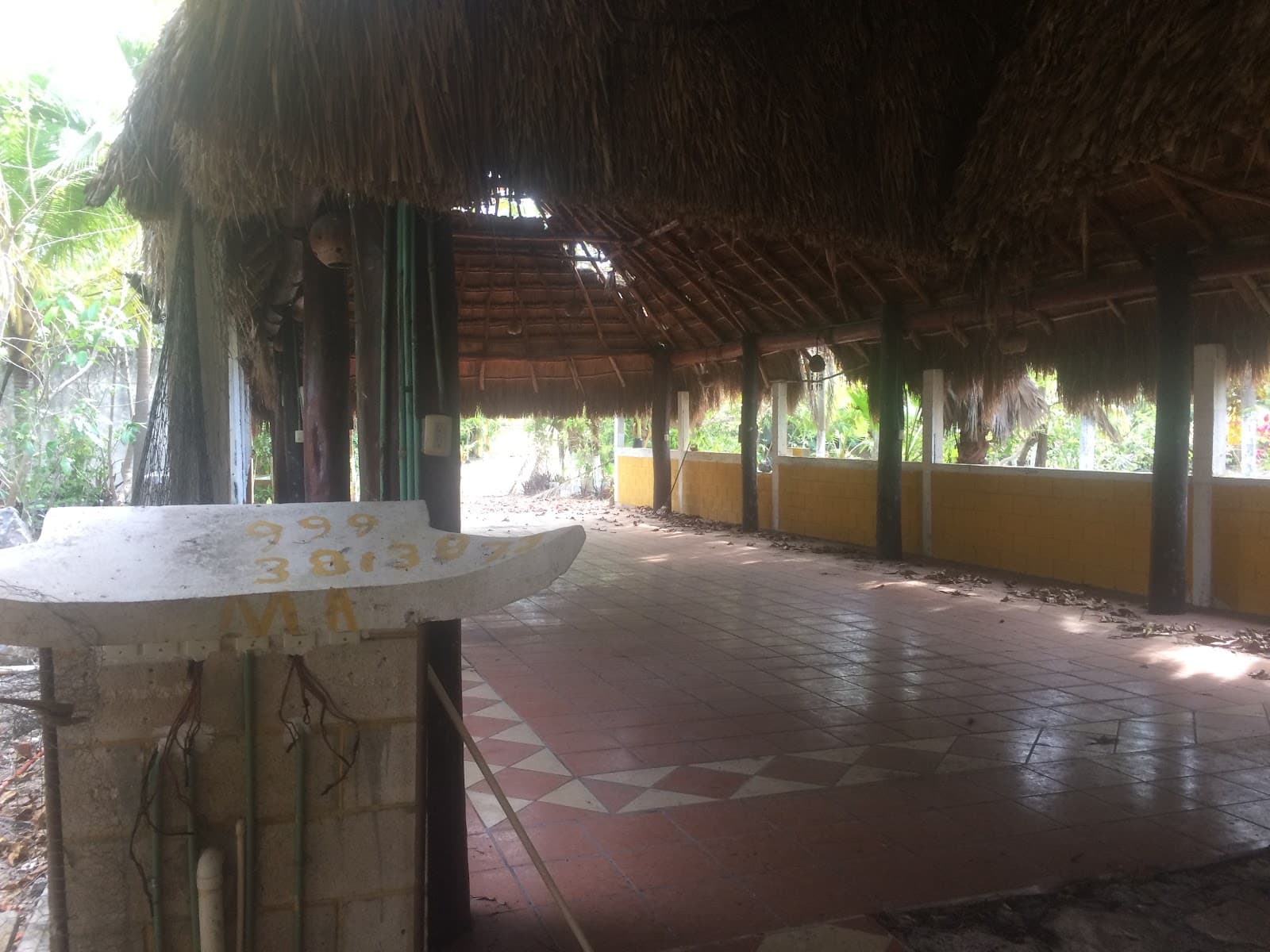
Facilities can be limited, especially if the site is not fully operational. It's advisable to bring your own water and snacks.
📸 📸 Photography
Capture the unique blend of natural beauty and ancient ruins. The cenote's open expanse and the surrounding Mayan structures offer great photographic opportunities.
Generally, photography is allowed, but professional or commercial shoots might require special permits. Always respect the site.
For Different Travelers
Tailored advice for your travel style
👨👩👧 Families with Kids
If the cenote is accessible, it offers a refreshing break from exploring the ruins. However, given the uncertainty of its current status, it's best to have a backup plan or confirm its operational status directly. Pack snacks and water, as facilities might be limited.
🏛️ History Buffs
+1The cenote itself is an archaeological treasure trove, with thousands of artifacts recovered from its waters, shedding light on Mayan rituals and beliefs. Exploring the ruins and then contemplating the historical significance of the cenote provides a comprehensive understanding of Mayan culture and its connection to the natural world.
Deep Dives
In-depth insights and expert knowledge
The Archaeological Significance of Dzibilchaltún
+1Within the archaeological zone lies Cenote Xlacah, which was not just a water source but also a sacred site for the Maya. Archaeological excavations here have unearthed a significant number of artifacts, including thousands of ceramic vessels, wooden objects like a scepter, and ritual items used for autosacrifice, such as a stingray spine. These findings provide invaluable insights into the religious practices and daily life of the ancient inhabitants.
Visiting Dzibilchaltún offers a dual experience: exploring the impressive Mayan ruins and then cooling off in the natural beauty of Cenote Xlacah. The proximity of the cenote to the main structures makes it easy to combine both aspects of the visit, offering a comprehensive glimpse into Mayan civilization and its connection to the natural environment.
Understanding Cenotes: Nature's Sacred Pools
Cenote Xlacah, being one of the largest and deepest in the area, likely held significant spiritual importance. The recovery of numerous artifacts from its depths underscores its role in Mayan ceremonies. The clear, cool waters of cenotes offer a unique swimming and snorkeling experience, allowing visitors to connect with both the natural environment and the ancient history embedded within these geological formations.
When visiting a cenote like Xlacah, it's important to be mindful of its ecological and historical significance. Many cenotes are now managed for tourism, with varying levels of development. While some offer full amenities, others, like Xlacah, might be more rustic or even temporarily closed for preservation. Always respect the rules and the natural environment to ensure these sites can be enjoyed for generations to come.

Social
from TikTok, Instagram & Reddit