San Martín Tilcajete alebrijes
San Martín Tilcajete: The vibrant heart of Oaxaca's alebrije tradition. Witness master artisans carve and paint fantastical wooden creatures, each a u...
Highlights
Must-see attractions

Social
From TikTok & Reddit
Best Time
Fewer crowds, more artisan attention
San Martín Tilcajete alebrijes
Best Time
Fewer crowds, more artisan attention
Highlights
Must-see attractions
San Martín Tilcajete: The vibrant heart of Oaxaca's alebrije tradition. Witness master artisans carve and paint fantastical wooden creatures, each a unique masterpiece.
"Incredible artistry! Expensive but you can better understand why based on the sheer hours and expertise."

🎯 Book Workshop Tours
Many workshops offer fascinating tours. Booking ahead ensures you see the carving and painting process!
💰 Quality Comes at a Price
High-quality alebrijes are an investment. Expect prices to reflect the intricate craftsmanship and hours of work.

Highlights
Discover the most iconic attractions and experiences
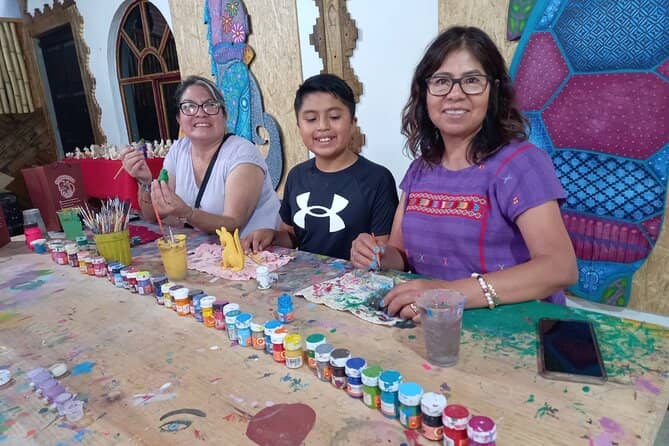
Artisan Workshops
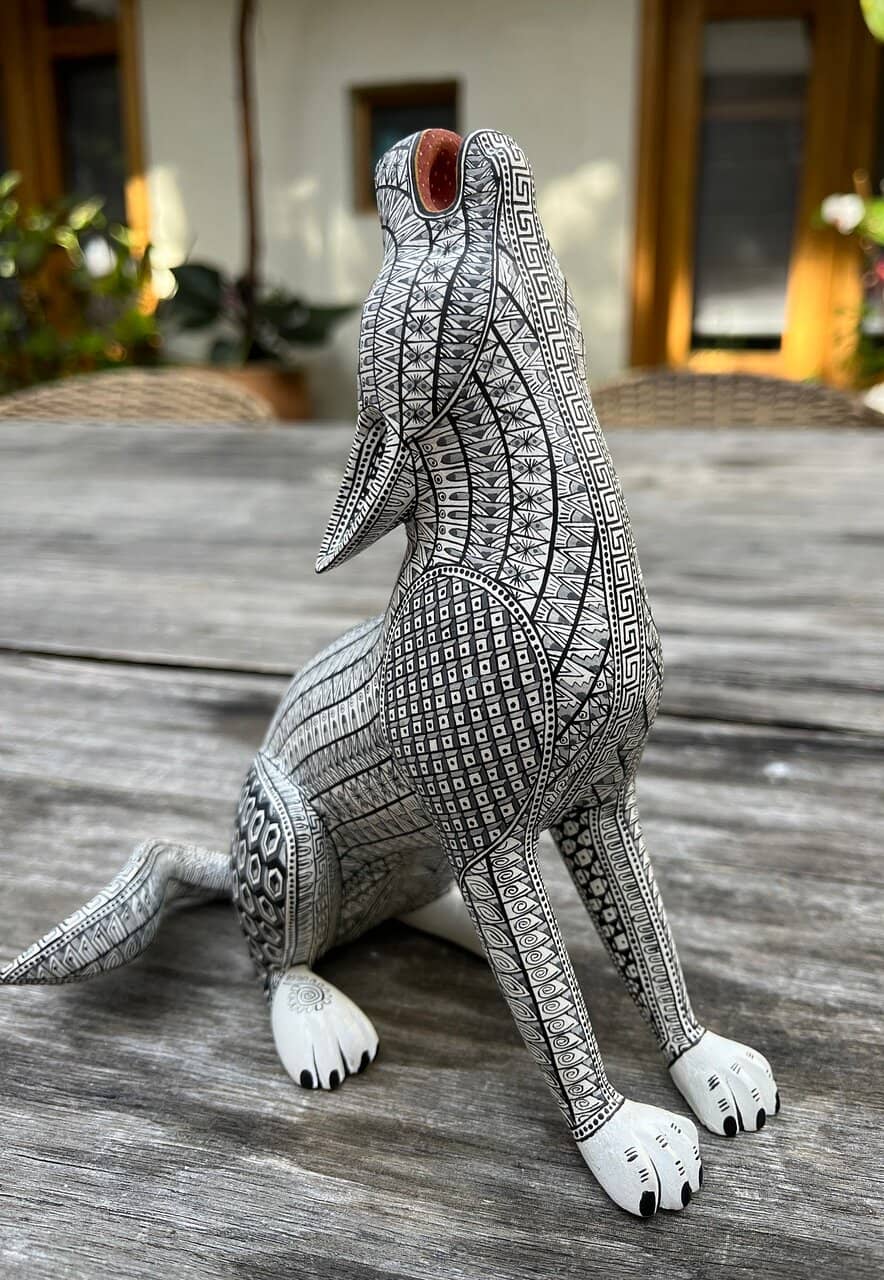
Witness the creation of vibrant, hand-carved wooden creatures. See the intricate painting and learn about traditional techniques.
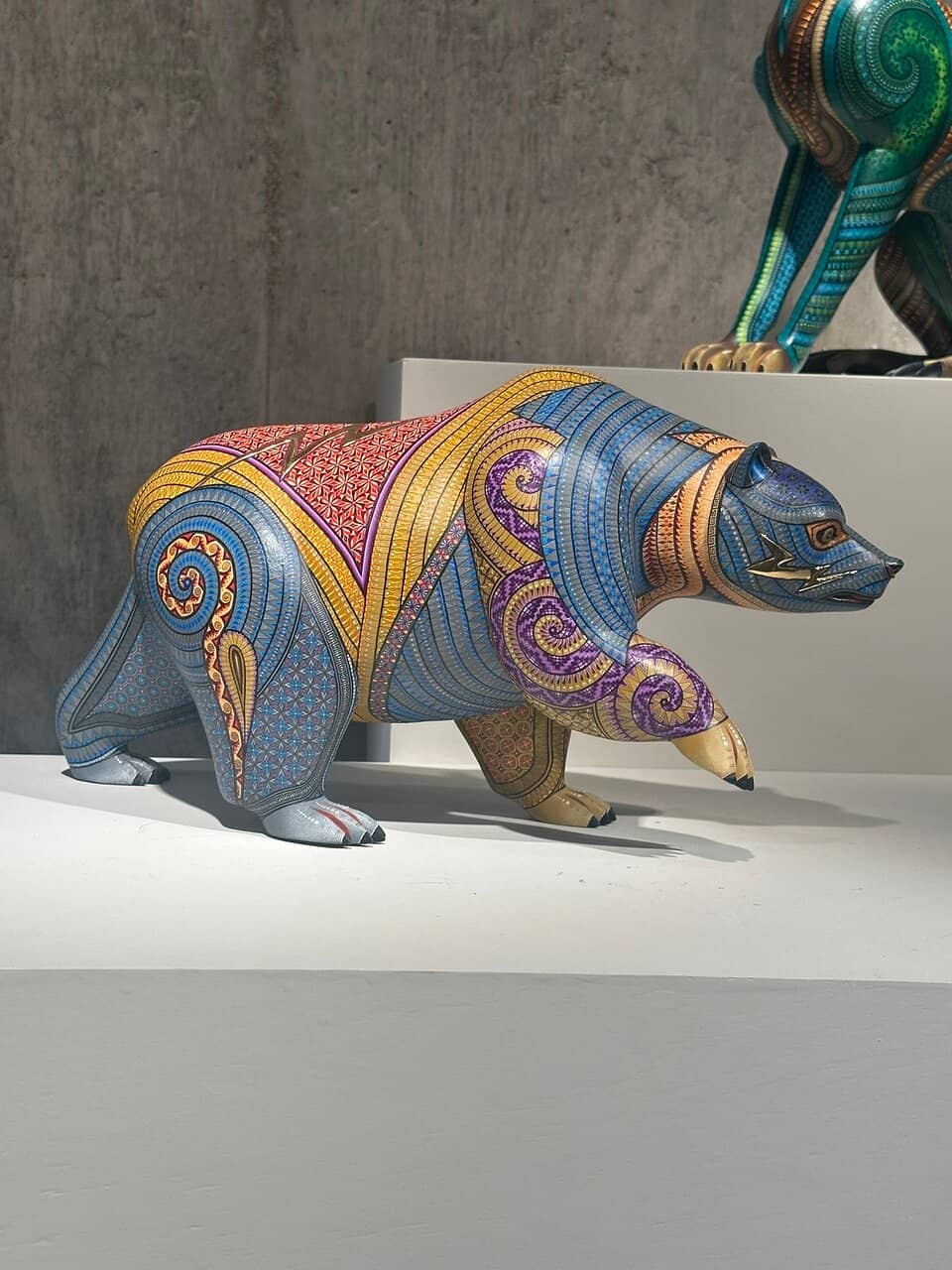
The Gallery Experience
Marvel at a stunning collection of finished alebrijes, showcasing incredible detail, artistry, and vibrant colors.
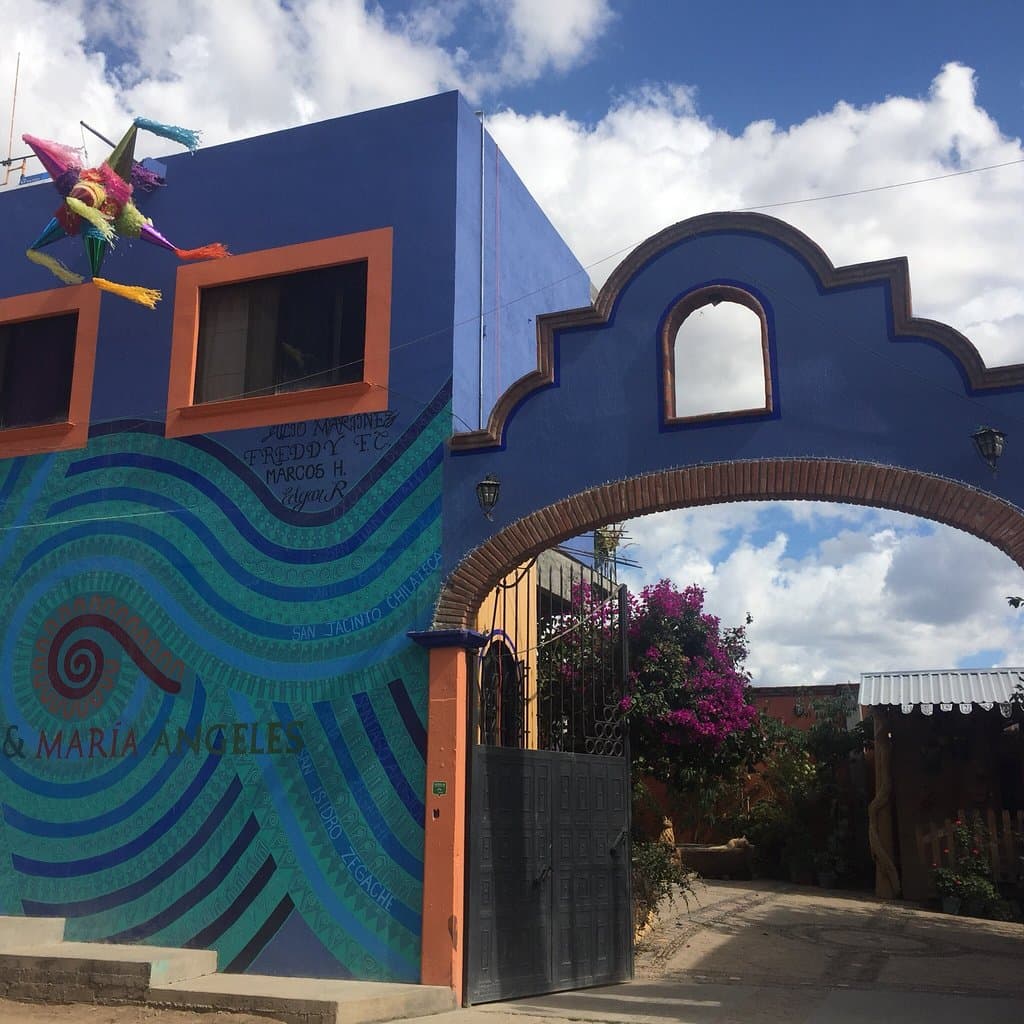
Colorful Streets and Murals
Wander through streets adorned with vibrant murals and discover the artistic spirit that permeates the entire village.
Plans like a pro.
Thinks like you
Planning Your Visit
Embrace the Artistry
Plan Your Visit to Workshops
Best Times
Insider Tips
from TikTok, Instagram & Reddit
🎯 Book Workshop Tours
Many workshops offer fascinating tours. Booking ahead ensures you see the carving and painting process! +1
💰 Quality Comes at a Price
High-quality alebrijes are an investment. Expect prices to reflect the intricate craftsmanship and hours of work.
🎨 Learn About Symbolism
Each alebrije tells a story. Ask artisans about the meaning behind colors, shapes, and the 'nahuales' they represent.
🚗 Consider a Guide
A local guide can enhance your understanding of the culture and art, and help you navigate workshops.
Tips
from all over the internet
🎯 Book Workshop Tours
Many workshops offer fascinating tours. Booking ahead ensures you see the carving and painting process! +1
💰 Quality Comes at a Price
High-quality alebrijes are an investment. Expect prices to reflect the intricate craftsmanship and hours of work.
🎨 Learn About Symbolism
Each alebrije tells a story. Ask artisans about the meaning behind colors, shapes, and the 'nahuales' they represent.
🚗 Consider a Guide
A local guide can enhance your understanding of the culture and art, and help you navigate workshops.
🌳 Support Sustainable Practices
Some workshops are involved in reforestation projects, especially for copal trees. Ask about their initiatives!
What Travellers Say
Reviews Summary
Visitors consistently praise the incredible artistry and the immersive experience of witnessing alebrije creation firsthand. The vibrant colors and intricate details are a major draw, offering a deep dive into Oaxacan culture. While some find the prices significant, most agree they reflect the immense skill and hours invested.
"To see the artists at work and the amazing detail, wow.
What an amazing experience and our guide Lilli was incredible!
Make sure that ask for her if she is available."
Jaime Leal
"We went on a very fascinating free tour here and found it very interesting. I enjoyed learning about how the different coloured paints are made, how the carving is done, and how the sanding and painting is done, and to see it all happening. At the end, we viewed the gallery with a whole bunch of completed works. The price points were quite significant here which seemed to match the quality, though I’m not sure how the prices compare to other workshops/stores selling similar works. Overall, I really enjoyed the afternoon trip out to go and visit this workshop."
Dan Omoigui
"A beautiful studio, with many beautiful impressive pieces. The staff was extra helpful and we were lucky to meet Jacobo, he was kind and explained the piece that was bought by a friend and then offered to sign it. An incredible studio with great collaborations"
Camilo Villegas Roel
What People Like
What People Dislike
Frequently Asked Questions
🚇 🗺️ Getting There
San Martín Tilcajete is easily accessible from Oaxaca City. You can take a local bus from the Oaxaca bus terminal, which is a budget-friendly option. Taxis or ride-sharing services are also available for a more direct route. Many visitors opt for guided tours that include transportation, making it a convenient 'day trip from Oaxaca'.
The village is relatively small and walkable. Most artisan workshops are concentrated in accessible areas. If you're visiting multiple workshops, comfortable walking shoes are recommended. Some visitors mention that a half-day is sufficient to explore the main attractions.
Absolutely! San Martín Tilcajete is a popular day trip destination from Oaxaca City. You can easily spend a few hours exploring workshops and enjoying the vibrant atmosphere. Many tours are designed for half-day excursions.
For alebrije tours, consider booking with local tour operators in Oaxaca City. They often provide comfortable transportation and knowledgeable guides who can explain the intricate details of alebrije creation. This is a great way to experience 'Oaxaca alebrijes' without the hassle of self-navigation.
If you are driving yourself, there are usually designated areas or informal parking spots available near the main workshops and the town center. However, parking can be limited, especially during peak times. Opting for public transport or a guided tour might be more convenient.
🎫 🎫 Tickets & Entry
There are no general admission tickets required to enter San Martín Tilcajete. However, individual artisan workshops may have their own policies. Some offer free tours, while others might charge a small fee or expect a purchase. It's always good to inquire beforehand.
Most workshops welcome visitors to browse and learn about their craft without an entrance fee. However, some may offer more in-depth guided tours that could have a nominal charge. The primary expectation is often to appreciate and potentially purchase their artwork.
Workshop hours can vary, but generally, they are open during daylight hours, typically from morning to late afternoon. It's advisable to visit on weekdays when artisans are more likely to be actively working and available for demonstrations.
Yes, purchasing directly from the artists is highly encouraged! This is where you'll find the most authentic pieces and support the local community. Many workshops have galleries where you can view and buy their creations. 
Some master artisans may be open to custom orders, especially if you have specific design ideas. This would likely require a longer lead time and a significant deposit. It's best to discuss this possibility directly with the artist during your visit.
🎫 🎨 Onsite Experience
The best way is to engage with the artisans! Ask questions about their techniques, the wood they use (often copal), and the symbolism behind the designs. Many workshops offer guided tours that explain the entire process from carving to painting. +1
You'll witness skilled artisans carving intricate figures from copal wood, sanding them smooth, and meticulously painting them with vibrant colors. Many workshops also have galleries showcasing a wide array of finished pieces.
Many talented artists create alebrijes in San Martín Tilcajete. Notable mentions include Jacobo and María Ángeles (@jacoboymariaangeles) for their unique style and conservation efforts, and Zagalu (@zagalu_) for their mystical creatures. @tesorosdecopal with Maestro Lidio is also highly recommended for understanding your 'tonal' and 'nahual'.
Copal wood is traditionally used for carving alebrijes due to its lightweight and soft nature, making it easy to carve. It also has a spiritual significance in indigenous cultures. Some artisans are actively involved in replanting copal trees to ensure sustainability.
Generally, taking photos is allowed, especially for personal use. However, it's always polite to ask for permission before taking close-up shots of artisans at work or their detailed pieces. Some artists might appreciate being tagged on social media if you share your photos.
🍽️ 🍽️ Food & Dining
While San Martín Tilcajete is primarily known for its alebrijes, you can find small local eateries offering traditional Oaxacan cuisine. These are often simple, family-run establishments. For a wider variety of dining options, it's best to eat in Oaxaca City before or after your visit.
Expect authentic Oaxacan dishes like tlayudas, moles, and tamales. The focus is on traditional flavors. It's a great opportunity to taste local specialties in a more intimate setting compared to tourist-heavy restaurants.
Some workshops might have small cafes or offer refreshments. However, dedicated restaurants are not abundant within the immediate vicinity of every workshop. It's wise to plan your meals around your visit to Oaxaca City or pack some snacks.
If you're looking for an authentic, local culinary experience, eating at a small eatery in San Martín Tilcajete can be rewarding. However, if you have specific dietary preferences or are seeking a diverse menu, dining in Oaxaca City is a safer bet.
Vegetarian options are often available, as many Oaxacan dishes can be prepared without meat. Vegan options might be more challenging to find without specific requests. It's best to communicate your dietary needs clearly to the server.
📸 📸 Photography
The entire village is a photographer's dream! Focus on the vibrant streets, colorful murals, and of course, the intricately painted alebrijes displayed outside workshops. The details on the alebrijes themselves offer endless photographic opportunities.
It's generally acceptable to photograph artisans at work, but always ask for permission first. Many are happy to be photographed, especially if you show genuine interest in their craft. Respect their space and focus.
A versatile lens, like a 24-70mm, is great for capturing both wider village scenes and detailed shots of alebrijes. A prime lens (like a 50mm) can also be useful for portraits of artisans or close-ups of intricate painting. Good lighting is key, so a camera with good low-light performance is beneficial.
There are no widespread photography restrictions. However, some private galleries or specific exhibits might have rules against photography. Always be mindful of your surroundings and respect any signage or requests from workshop staff.
The explosion of color from the alebrijes, the vibrant murals, and the daily life of the artisans create a dynamic street photography environment. The contrast between the natural wood and the bold, imaginative paintwork is visually striking.
For Different Travelers
Tailored advice for your travel style
👨👩👧 Families with Kids
Look for workshops that offer interactive elements or simpler designs that children might appreciate. The streets themselves, adorned with murals, provide a fun backdrop for exploration. Consider packing snacks and water, as dining options might be limited. The overall experience is a fantastic way to introduce children to Mexican folk art and culture in a hands-on way.
💰 Budget Travelers
Consider focusing on the experience of visiting the workshops and learning about the craft, even if you don't make a large purchase. The bus from Oaxaca City is an economical way to reach the village. Enjoying the colorful streets and murals is a free and rewarding activity.
🎨 Art Enthusiasts & Collectors
+1Take the time to understand the techniques, the symbolism, and the artist's personal story behind each piece. Many workshops offer detailed explanations, and some artists are open to discussing commissions. This is an opportunity to acquire truly unique and meaningful works of art that represent the pinnacle of Oaxacan folk art.
+1Deep Dives
In-depth insights and expert knowledge
The Art of Alebrije Creation
+1Following the carving, the alebrijes undergo a thorough sanding process to achieve a smooth surface, ready for painting. The painting is where the true magic unfolds, with artists using vibrant acrylics or natural dyes to adorn the figures. Each stroke is deliberate, adding intricate patterns, bold colors, and expressive details that make each alebrije unique. Many artists incorporate traditional Zapotec motifs and symbolism into their designs, giving each piece a deep cultural connection.
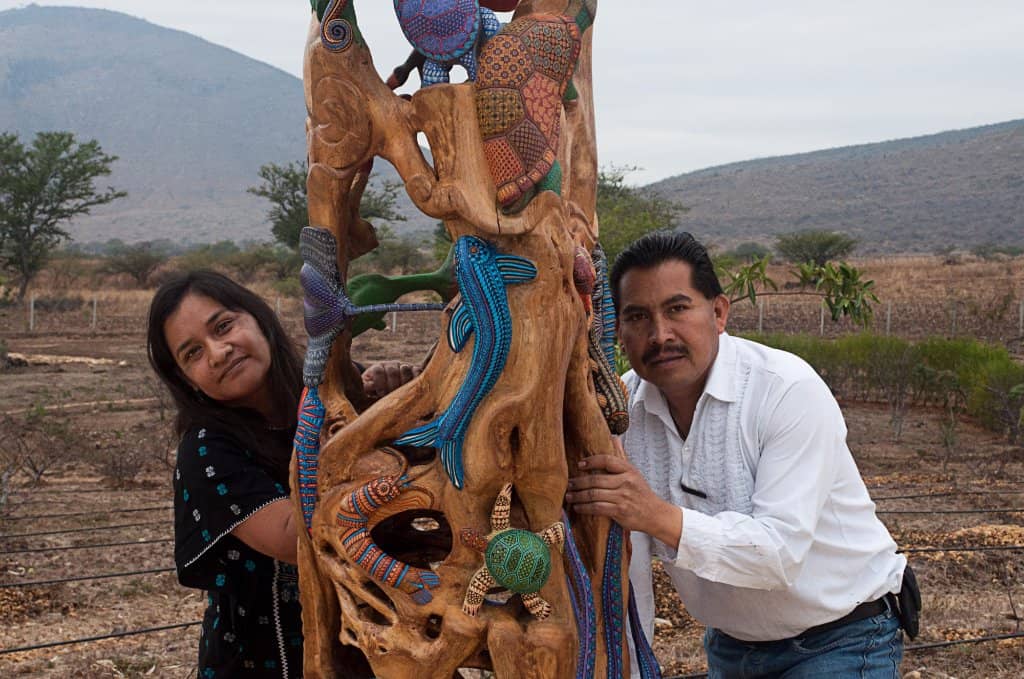
+1Some workshops, like that of Jacobo and María Ángeles, are also deeply committed to bioconservation, focusing on reforestation efforts for copal trees. This dedication highlights the artisans' respect for their natural resources and their commitment to preserving the tradition for future generations. Visiting these workshops offers not just an artistic experience, but also an insight into a sustainable cultural practice.
Understanding Tonal and Nahual
+1Many alebrijes created in San Martín Tilcajete are inspired by these beliefs. Artisans may carve creatures that represent specific tonales or nahuales, imbuing their creations with spiritual meaning. Some workshops, like Tesoros de Copal, even offer experiences where visitors can learn about their own tonal and nahual, connecting them more personally to the art form. This adds a profound layer of cultural understanding to the visual spectacle of the alebrijes.
When you encounter an alebrije, consider asking the artist about its potential connection to these concepts. Understanding the symbolism behind the chosen animal, its colors, and its posture can reveal a deeper narrative. This cultural context elevates the alebrije from a mere decorative object to a piece of art rich with ancestral wisdom and personal significance.
The Economic and Cultural Impact
+1The global recognition of alebrijes has not only boosted local economies but also played a crucial role in the preservation of traditional Zapotec artistry. By engaging with visitors and participating in cultural events, artisans are able to share their heritage and ensure that these intricate skills are passed down through generations. This cultural exchange is vital for maintaining the authenticity and vibrancy of the craft.
+1Furthermore, many artisans are actively involved in community initiatives, such as reforestation and sustainable practices, demonstrating a holistic approach to their craft. This commitment to both artistic excellence and environmental stewardship showcases the deep connection between the people, their art, and their land. Supporting these artisans directly contributes to the continued flourishing of this remarkable cultural tradition.



Social
from TikTok, Instagram & Reddit