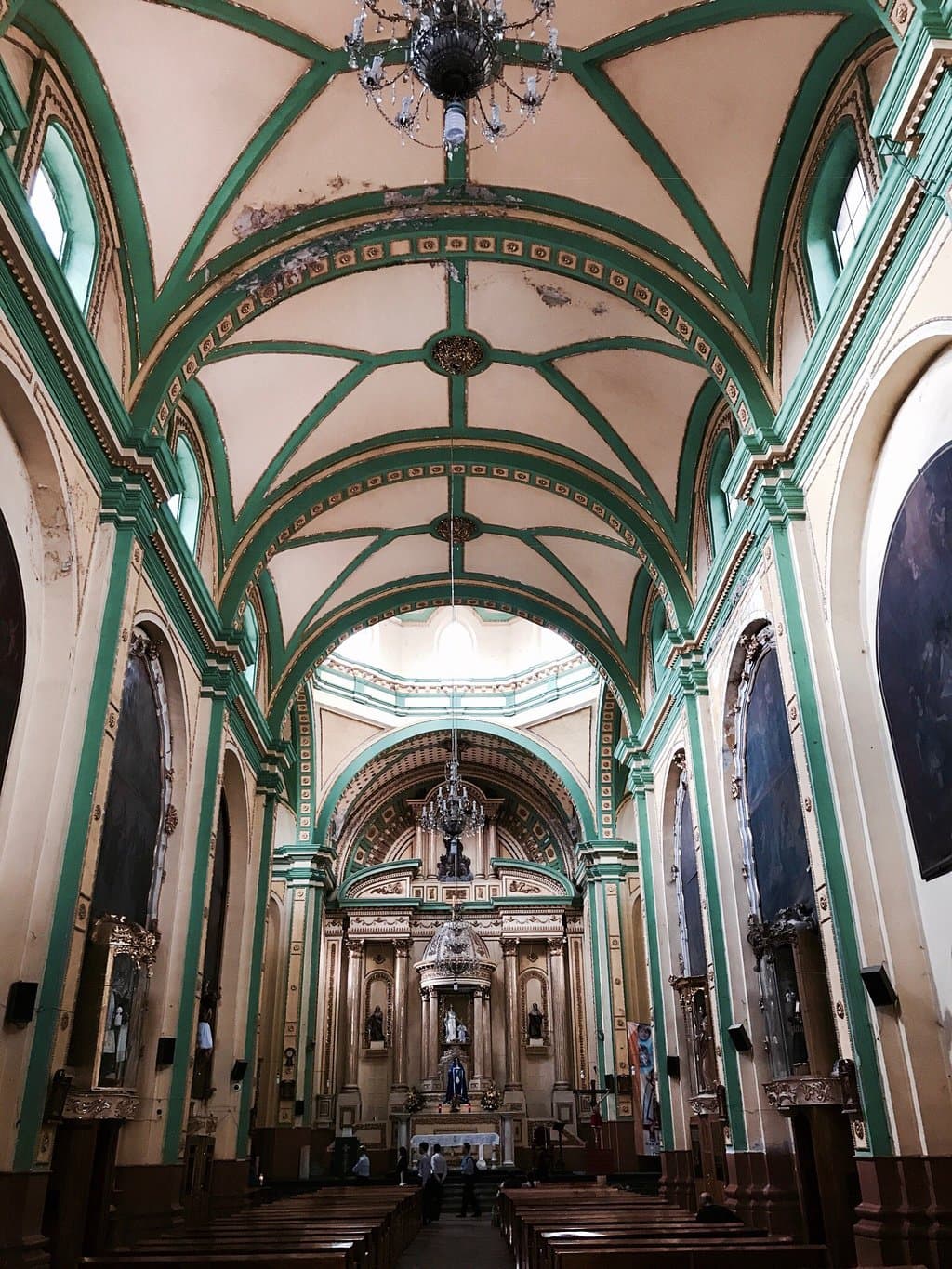
Cathedral of Our Lady of the Assumption
A 16th-century UNESCO World Heritage site, this cathedral boasts stunning Mudéjar ceilings and historical artifacts from New Spain's early days.
Highlights
Must-see attractions

Social
From TikTok & Reddit
Best Time
Fewer crowds, peaceful exploration
Cathedral of Our Lady of the Assumption
Best Time
Fewer crowds, peaceful exploration
Highlights
Must-see attractions
A 16th-century UNESCO World Heritage site, this cathedral boasts stunning Mudéjar ceilings and historical artifacts from New Spain's early days.
"It's such an amazing place! Full of spirituality, traditions, and history."
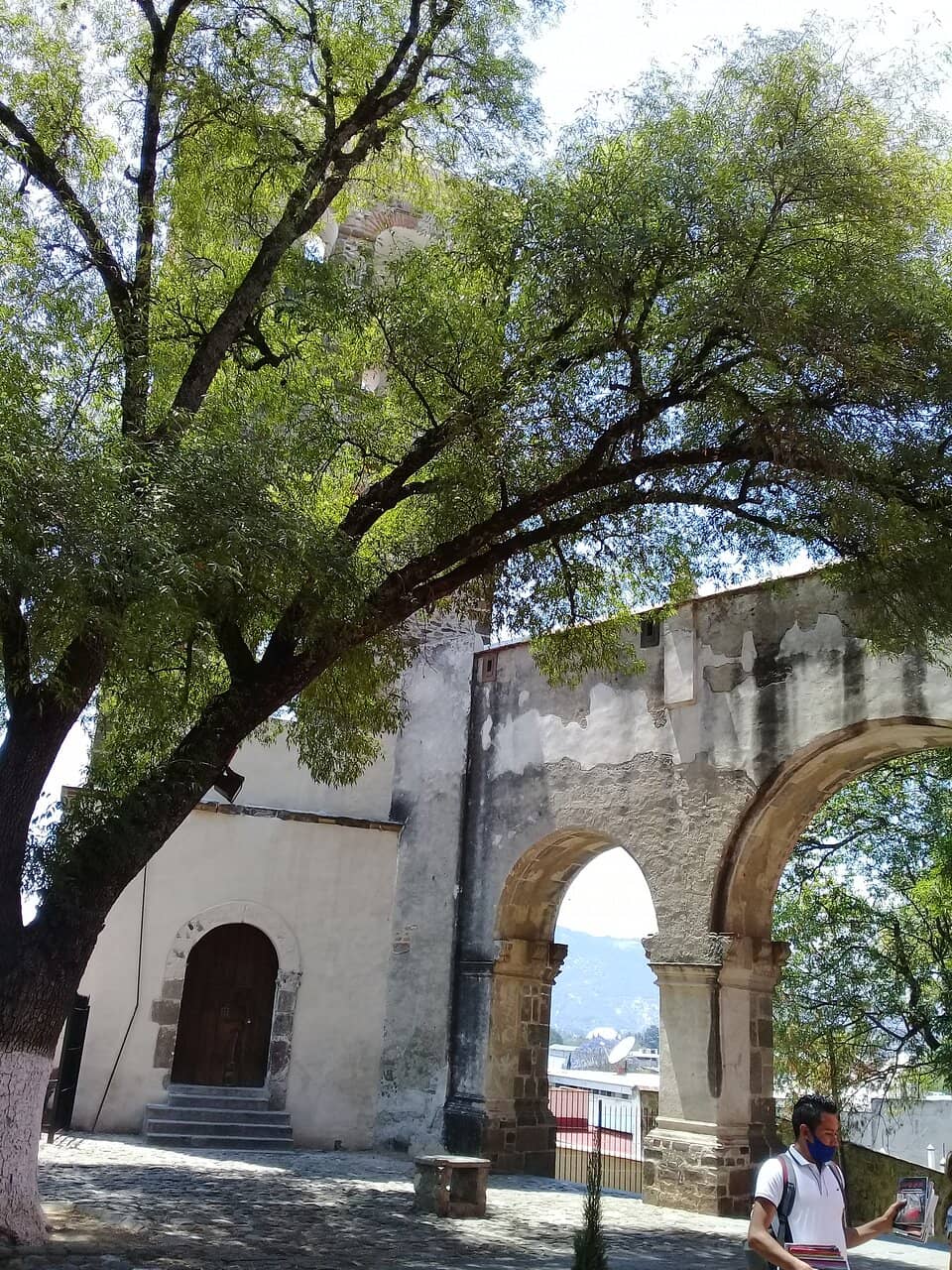
🚶♀️ Explore the Complex
Don't just see the cathedral; explore the entire conventual complex for a richer historical experience.
🎶 Catch a Callejoneada
Check for 'Callejoneada Virreinal' events for traditional music and cultural performances starting at the cathedral.
Quick Facts
Hours
Rating
4.7 · 2,147 reviews
Type
Church
Highlights
Discover the most iconic attractions and experiences
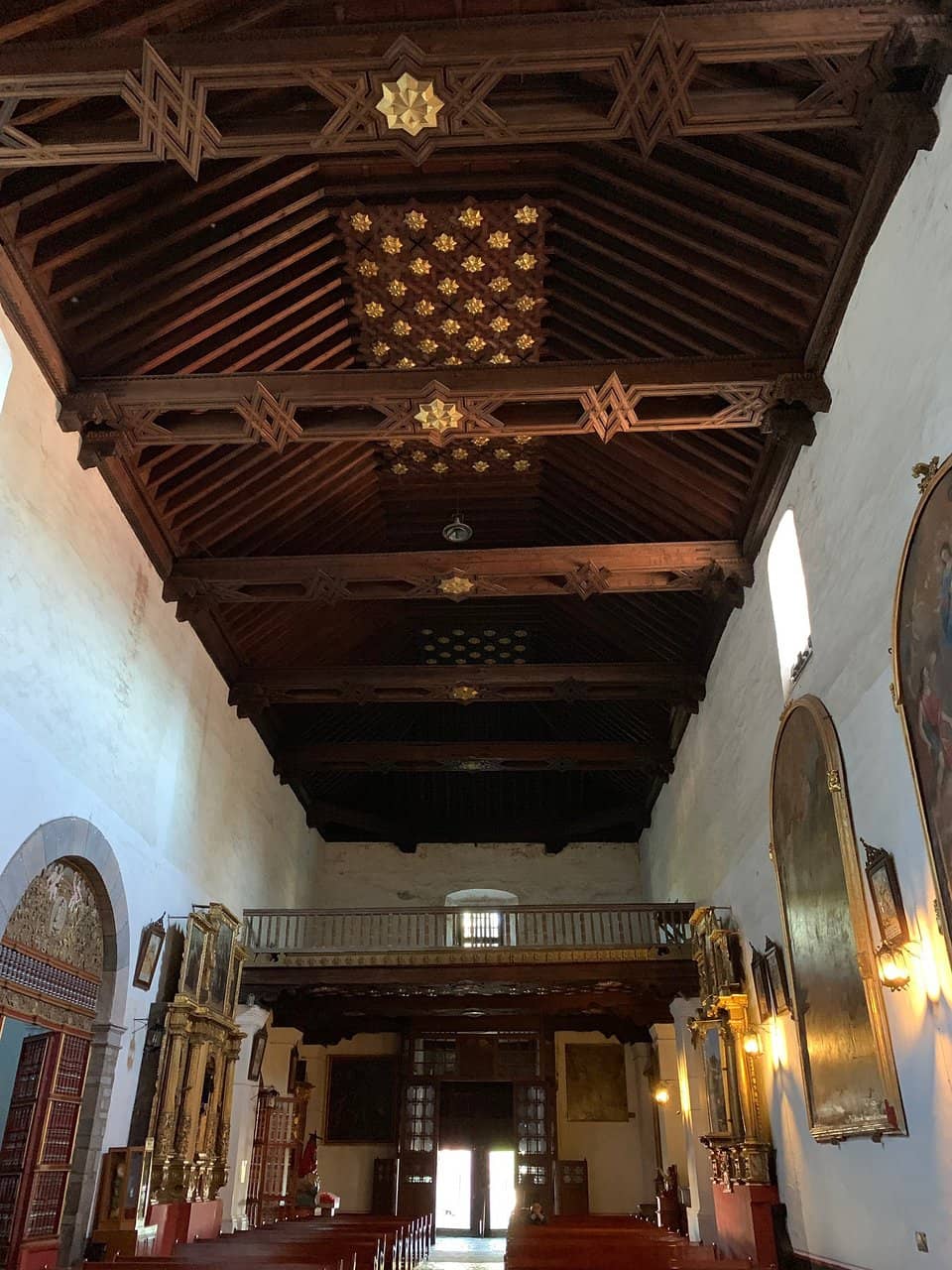
Mudéjar-Style Wooden Ceiling
Main Nave
Marvel at the intricate wooden ceiling, a stunning example of Mudéjar artistry, showcasing a blend of Spanish Islamic and Christian influences.
First Pulpit of New Spain
Open Chapel
Witness a significant piece of history: the very first pulpit used for evangelization in New Spain.
Ancient Baptismal Font
Baptistery
See the historic baptismal font where Tlaxcalan lords were baptized, marking a pivotal moment in the region's history.
Plans like a pro.
Thinks like you
Planning Your Visit
Timing Your Visit for Tranquility
Embrace the Colonial Charm
Best Times
Insider Tips
from TikTok, Instagram & Reddit
🚶♀️ Explore the Complex
Don't just see the cathedral; explore the entire conventual complex for a richer historical experience.
🎶 Catch a Callejoneada
Check for 'Callejoneada Virreinal' events for traditional music and cultural performances starting at the cathedral.
📸 Capture the Architecture
The Renaissance architecture and artesonado ceilings are incredibly photogenic.
🕰️ Allow Ample Time
You might find yourself spending longer than expected due to the site's historical depth.
Tips
from all over the internet
🚶♀️ Explore the Complex
Don't just see the cathedral; explore the entire conventual complex for a richer historical experience.
🎶 Catch a Callejoneada
Check for 'Callejoneada Virreinal' events for traditional music and cultural performances starting at the cathedral.
📸 Capture the Architecture
The Renaissance architecture and artesonado ceilings are incredibly photogenic.
🕰️ Allow Ample Time
You might find yourself spending longer than expected due to the site's historical depth.
What Travellers Say
Reviews Summary
Visitors consistently praise the Cathedral of Our Lady of the Assumption for its profound historical significance and architectural beauty, often describing it as a peaceful and spiritual place. Many are captivated by the intricate Mudéjar ceiling and the ancient baptismal font. Some note that the surrounding city is also worth exploring for its quiet charm and well-preserved colonial buildings.
"I passed by this city and decided to have a quick look. Instead I spent a whole day here. It’s quiet , not much traffic and tourism noise.
The churches, government buildings fantastic murals, bullring, and the small neighborhood chapel on the top of the hill with a panoramic view of the beautiful city. All are so nice and well preserved. I seriously recommend."
Ryan Huang
"Beautiful!
If you stumble upon this like we did, go in! There’s different rooms that keep going.
The main Catholic Church in Tlaxcala."
Auda Gee
"Nice, quiet town. Very layed back."
BRENDA ARREOLA
What People Like
What People Dislike
Frequently Asked Questions
🚇 🗺️ Getting There
The cathedral is located in the heart of Tlaxcala city. If you're arriving by bus, it's a short taxi ride or a pleasant walk from the main bus terminal. Many visitors explore the city on foot once they arrive.
Street parking can be limited in the historic center. It's often easier to park in designated lots or garages a few blocks away and walk.
Yes, Tlaxcala is a popular day trip destination. You can take a bus from Puebla (approx. 1.5 hours) or Mexico City (approx. 2.5-3 hours) and easily visit the cathedral and other nearby attractions.
🎫 🎫 Tickets & Entry
Entry to the cathedral itself is typically free, allowing visitors to admire its architecture and historical significance.
Opening hours can vary, but it's generally open during daylight hours. It's advisable to check local listings or inquire upon arrival for the most current times.
No advance booking is usually required for general entry to the cathedral. However, for special events or guided tours, it's best to check in advance.
While the main areas are generally accessible, some older structures may have uneven surfaces. It's recommended to contact the site directly for specific accessibility information.
📸 📸 Photography
Photography is usually permitted inside the cathedral, but it's always respectful to avoid flash and be mindful of ongoing services.
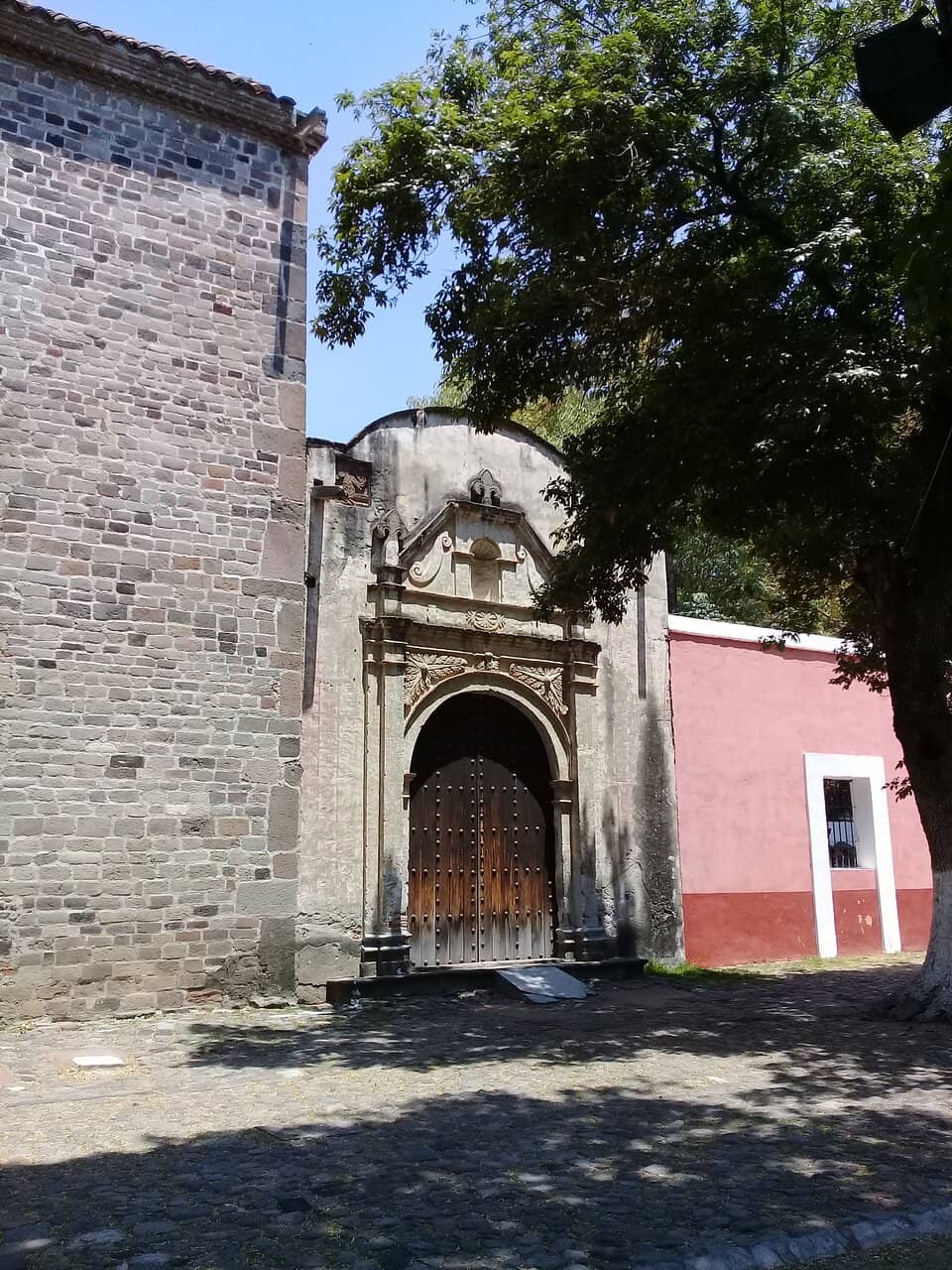
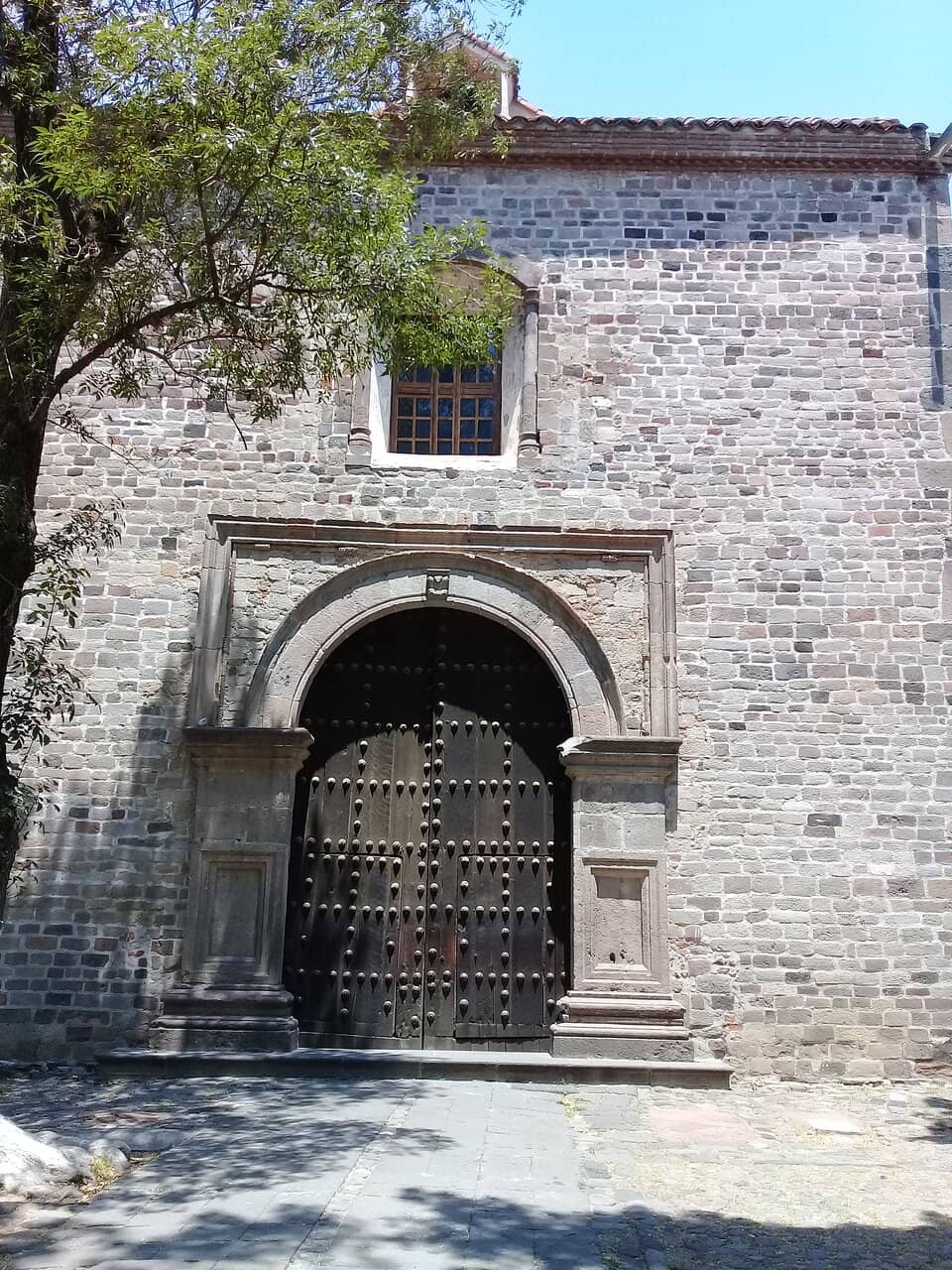
The exterior architecture, the open chapel, and the plaza in front offer great photographic opportunities. The nearby bullring also provides a unique backdrop.
Drone usage is generally restricted in historic city centers and around religious sites. Always check local regulations before flying a drone.
🎫 🏛️ History & Significance
The cathedral, originally part of the Convent of San Francisco de Asís, was constructed in the 16th century, primarily between 1524 and 1540. +1
It's recognized for its significant historical and architectural value as one of the earliest Franciscan conventual complexes in Mexico, showcasing early colonial art and construction techniques. +1
The baptismal font is historically significant as it's believed to be the oldest documented in Latin America and was used to baptize the Tlaxcalan lords.
The cathedral features Renaissance architecture with a notable Mudéjar-style artesonado ceiling.



Social
from TikTok, Instagram & Reddit