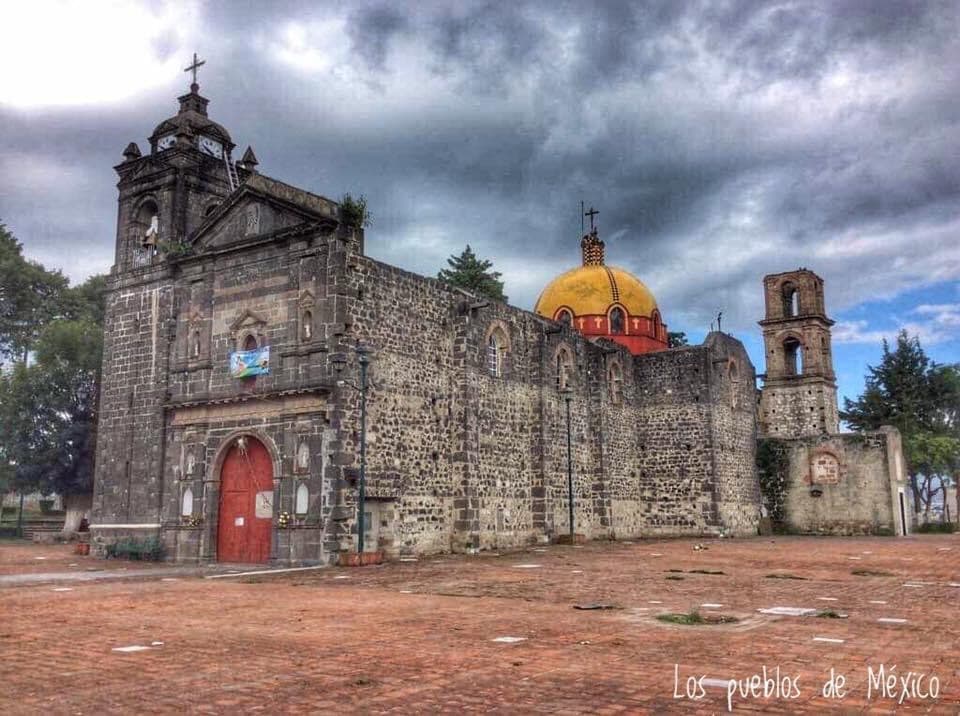
Open Chapel of San Esteban Tizatlán
A 16th-century open chapel built atop a pre-Hispanic pyramid, showcasing a unique blend of colonial and indigenous history.
Highlights
Must-see attractions

Social
From TikTok & Reddit
Best Time
Fewer crowds, better access
Open Chapel of San Esteban Tizatlán
Best Time
Fewer crowds, better access
Highlights
Must-see attractions
A 16th-century open chapel built atop a pre-Hispanic pyramid, showcasing a unique blend of colonial and indigenous history.
"Surprised by the treasures of Tlaxcala, this Franciscan church built on a pyramid is a must-see."

🤝 Ask the Caretaker
The caretaker is very friendly and can open the chapel, offering historical insights.
⏳ Check Museum Hours
The house museum might be closed on Sundays. Confirm hours beforehand.

Quick Facts
Hours
Rating
4.4 · 84 reviews
Type
Church
Highlights
Discover the most iconic attractions and experiences
The Open Chapel
Rear of the temple
A unique 16th-century open-air chapel built on ancient pyramid foundations, showcasing colonial architecture.
Mural Fragments
Inside the chapel
Discover remnants of vibrant 16th-century murals depicting biblical scenes and celestial figures.

Pre-Hispanic Foundations
Underneath the chapel
Witness the impressive feat of colonial construction directly atop indigenous pyramid stones.
Plans like a pro.
Thinks like you
Planning Your Visit
Plan Your Visit to San Esteban Tizatlán
Historical Significance & Preservation
Best Times
Insider Tips
from TikTok, Instagram & Reddit
🤝 Ask the Caretaker
The caretaker is very friendly and can open the chapel, offering historical insights.
⏳ Check Museum Hours
The house museum might be closed on Sundays. Confirm hours beforehand.
🧐 Observe Architectural Details
Look for glyphs and pyramid stones used in construction, a testament to history.
📸 Capture the History
Even with repairs, the site offers unique photographic opportunities of historical layers.
Tips
from all over the internet
🤝 Ask the Caretaker
The caretaker is very friendly and can open the chapel, offering historical insights.
⏳ Check Museum Hours
The house museum might be closed on Sundays. Confirm hours beforehand.
🧐 Observe Architectural Details
Look for glyphs and pyramid stones used in construction, a testament to history.
📸 Capture the History
Even with repairs, the site offers unique photographic opportunities of historical layers.
What Travellers Say
Reviews Summary
Visitors are consistently surprised by the historical treasures found at San Esteban Tizatlán, particularly its unique open chapel built on ancient pyramid foundations. The site is praised for its historical significance and the remnants of 16th-century murals. While some find the house museum closed on Sundays and the site undergoing repairs, the friendliness of the caretaker and the architectural details are frequently highlighted as positive aspects.
"We will always be surprised by the treasures that the state of Tlaxcala has, such is the case of San Esteban, Tizatlán, a Franciscan church that was built on a pre-Hispanic foundation; for this purpose it was necessary to build an embankment."
Jorge Díaz
"Historic sites worth preserving. Pay attention to every detail of the building, where you can see glyphs from our ancestral history, as well as on all the structures used for construction using pyramid stones during the European conquest. I went on Sunday, and the house museum wasn't open. Only the open-air ruins were free to access without information. There are plaques on the ground alluding to what you see. Don't neglect the history of the INAH."
atila cronos de esequiel
"When we arrived, the chapel was closed, but the caretaker very kindly opened it for us, and that kindness made it possible to see such a wonderful open chapel.
While it was undergoing maintenance at the time, it's a beautiful place with fragments of paintings depicting the baptism of Jesus. The Three Wise Men, the figure of the Eternal Father, and angels holding musical instruments are also found among other celestial figures. It's well worth a visit."
Luis Enrique G. S.
What People Like
What People Dislike
Frequently Asked Questions
🚇 🗺️ Getting There
The Open Chapel of San Esteban Tizatlán is located in Tizatlán, about 3 km north of Tlaxcala city. You can reach it by local transport or taxi from Tlaxcala.
Information on dedicated parking is limited, but street parking is generally available in the vicinity of the church.
Local buses or taxis are convenient options to travel from Tlaxcala city to Tizatlán. The journey is short, typically around 10-15 minutes.
🎫 🎫 Tickets & Entry
Access to the open-air ruins is generally free. However, to enter the chapel itself, you might need to coordinate with the caretaker, who is often very helpful.
Official opening hours can vary, and the house museum may be closed on Sundays. It's best to inquire locally or try to connect with the caretaker for chapel access.
The open-air ruins are typically free to access. There is no mention of an entrance fee for the general site.
Yes, if the chapel is closed, try to find the caretaker. They have been known to kindly open it for visitors.
🎫 🧭 Onsite Experience
You can see the unique open chapel built on a pyramid, remnants of 16th-century murals depicting biblical scenes, and architectural details from both eras.
The site involves historical structures and uneven terrain. While the open chapel area might be manageable, accessibility could be a concern for those with significant mobility challenges.
While formal guided tours might not be readily available, the caretaker can provide historical information about the site.
It's a significant Franciscan church built in the 16th century on the foundations of a pre-Hispanic pyramid, representing a unique fusion of cultures.
Wear comfortable walking shoes as you'll be exploring historical grounds. Dress modestly out of respect for the religious site.
📸 📸 Photography
Photography is generally allowed, but it's always good practice to be respectful, especially if there are ongoing services or if you are inside the chapel itself.
The exterior of the open chapel, the juxtaposition of colonial and pre-Hispanic architecture, and the mural fragments inside offer excellent photographic opportunities.
Drone usage regulations can vary. It's advisable to check local rules and obtain any necessary permissions before flying a drone over historical or religious sites.


Social
from TikTok, Instagram & Reddit