Ulaanbaatar Railway Museum
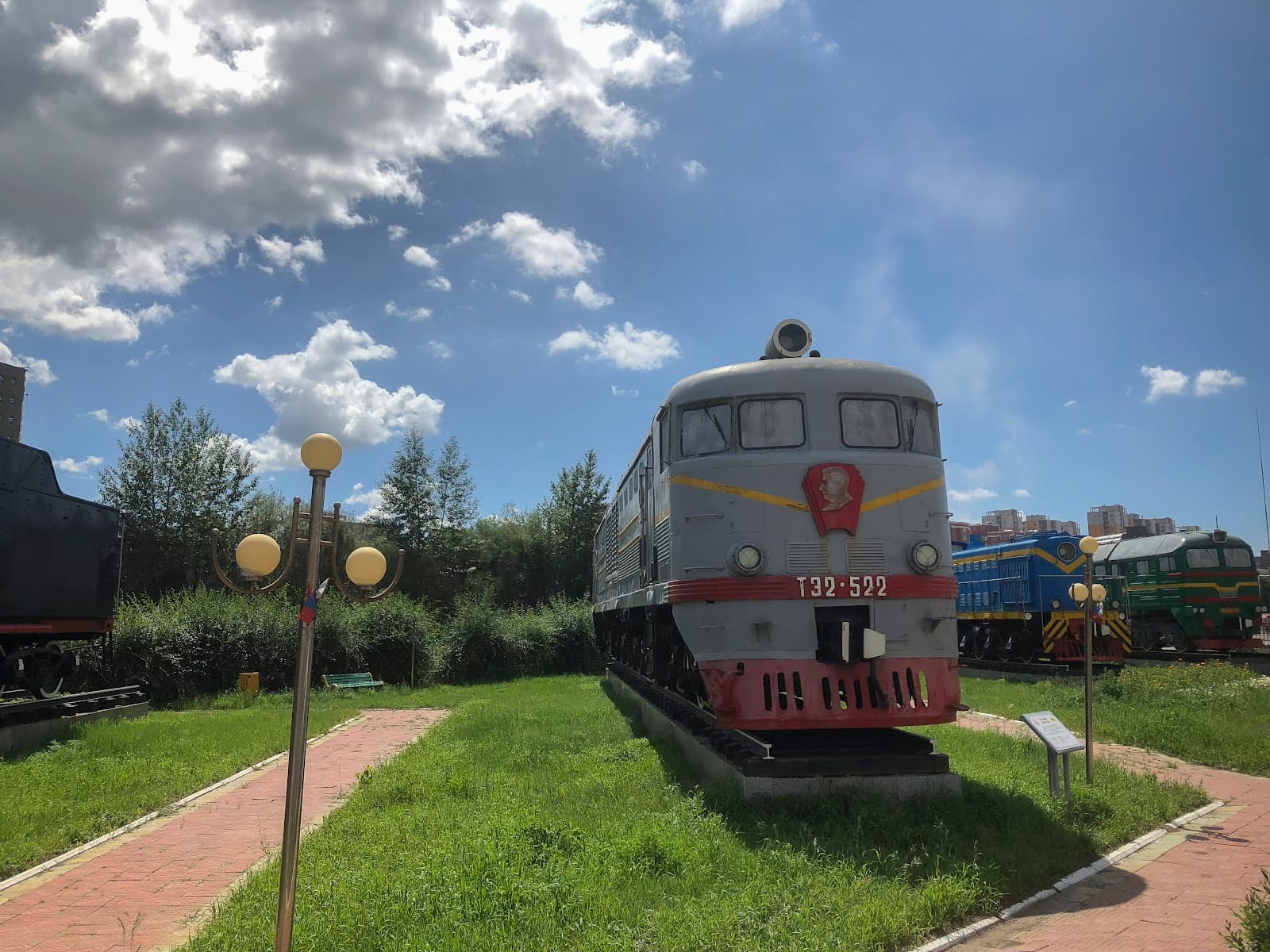
A glimpse into Mongolia's railway past, offering a chance to see historic trains, though often from outside its fences.
Highlights
Must-see attractions

Social
From TikTok & Reddit
Best Time
Best for viewing trains
Ulaanbaatar Railway Museum
Best Time
Best for viewing trains
Highlights
Must-see attractions
A glimpse into Mongolia's railway past, offering a chance to see historic trains, though often from outside its fences.
"Temporarily closed but you can still view the trains through the fence."

Confirm Opening Hours
Many visitors report the museum being closed. Always check current status before visiting. :informationdeskperson:
Look for the Bank
The museum is on Olimpia Street, often near a bank. Ask locals if you can't find it. :round_pushpin:
Quick Facts
Rating
4 · 63 reviews
Type
Museum
Highlights
Discover the most iconic attractions and experiences
Exterior Train Views
Olimpia Street
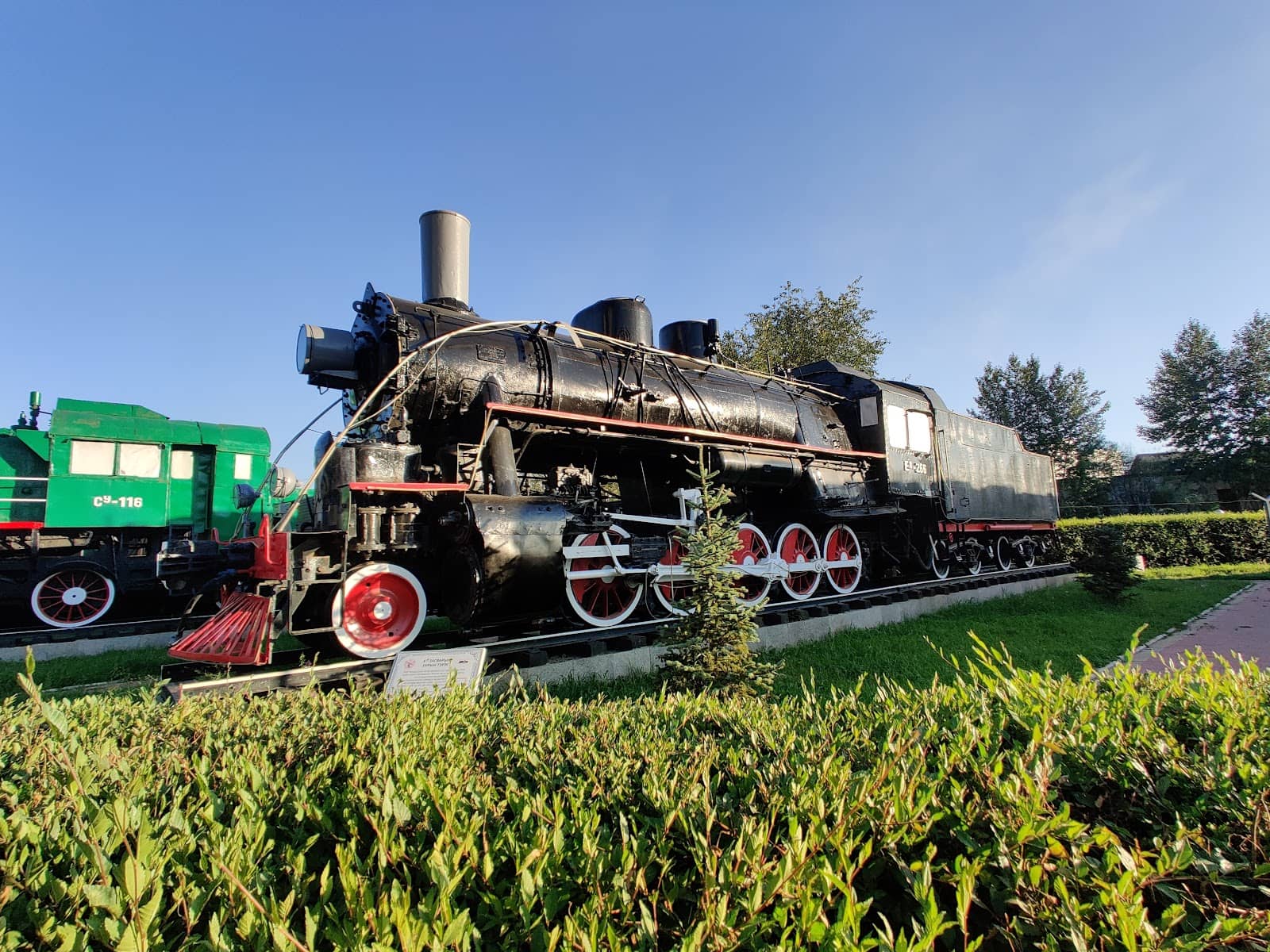
Admire a collection of locomotives and carriages from behind the fence, offering a glimpse into Mongolian railway history.
Brief Railway History
Museum Interior (if accessible)
Gain a concise understanding of the Mongolian Railway's past, even if access is limited.

Costumes and Artifacts
Museum Interior (if accessible)
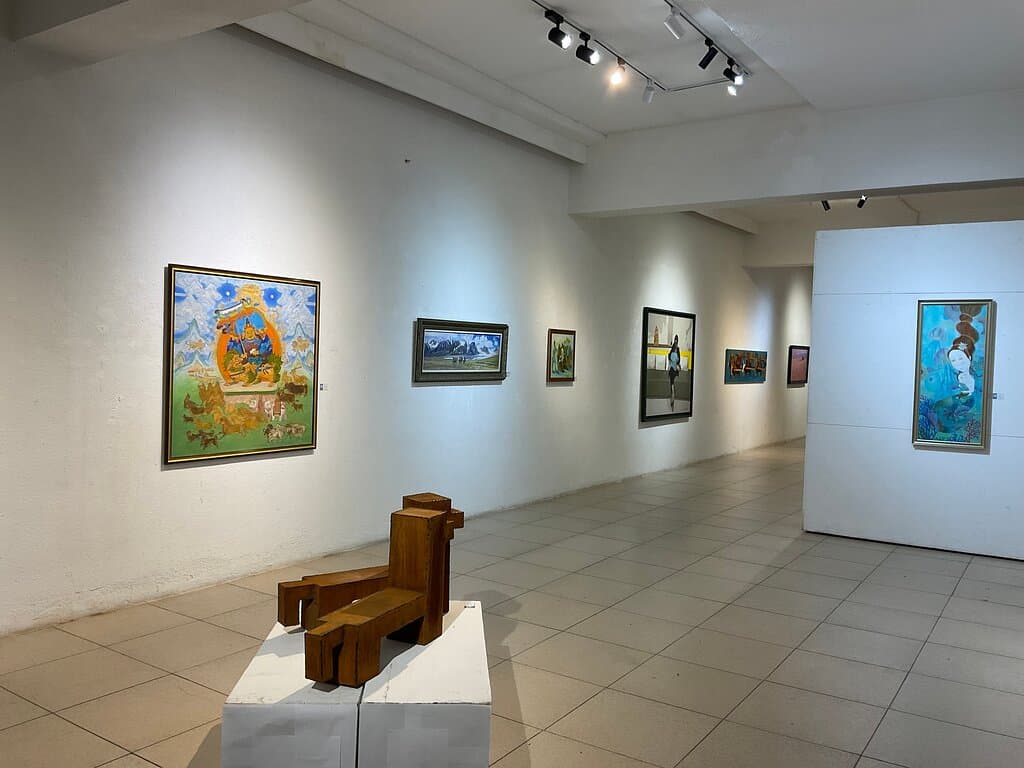
Discover historical costumes and artifacts related to the railway, adding a personal touch to the exhibits.
Plans like a pro.
Thinks like you
Planning Your Visit
Check Museum Status Before You Go
Finding the Museum Entrance
Best Times
Insider Tips
from TikTok, Instagram & Reddit
Confirm Opening Hours
Many visitors report the museum being closed. Always check current status before visiting. :informationdeskperson:
Look for the Bank
The museum is on Olimpia Street, often near a bank. Ask locals if you can't find it. :round_pushpin:
View from the Fence
If closed, you can still see many trains from the perimeter. :camerawithflash:
Small but Informative
The interior, if open, is a single room but offers historical insights. 💡
Tips
from all over the internet
Confirm Opening Hours
Many visitors report the museum being closed. Always check current status before visiting. :informationdeskperson:
Look for the Bank
The museum is on Olimpia Street, often near a bank. Ask locals if you can't find it. :round_pushpin:
View from the Fence
If closed, you can still see many trains from the perimeter. :camerawithflash:
Small but Informative
The interior, if open, is a single room but offers historical insights. 💡
What Travellers Say
Reviews Summary
The Ulaanbaatar Railway Museum is frequently reported as being temporarily closed, with visitors often only able to view trains from outside the fence. When accessible, it offers a brief look at railway history and artifacts, but its small size and location can be challenging to find. +1
"Temporarily closed but you can still view the trains through the fence."
Brendan Tea
"An absolute waste of time, tourist buses stopping on the side of the road so that you can get off and look over the fences to see a black, blue, green tank engine etc..."
SaM Wong
"You can learn briefly about the history of Mongolian Railway from here"
Narmandakh Boldbaatar (Naraa B)
What People Like
What People Dislike
Frequently Asked Questions
🚇 🗺️ Getting There
The museum is located on Olimpia Street. It's often described as being near or inside a grey building that also houses a bank. If you're having trouble finding it, don't hesitate to ask locals for directions to the 'Railway Museum' or 'Tömör Zamyn Museum'.
While specific bus routes aren't detailed, Ulaanbaatar has a local bus system, with some routes being free. It's advisable to use a local transit app or ask your accommodation for the best bus route to Olimpia Street.
The museum is located within Ulaanbaatar, but the exact distance can vary depending on your starting point. The airport itself is over an hour's drive from the city center, so factor in travel time within the city.
Yes, taxis are a common way to get around Ulaanbaatar. Ensure you have the address clearly written or can show it to the driver, especially if there's a language barrier.
Information on dedicated parking is scarce. If you are driving, look for available street parking in the vicinity of Olimpia Street, but be prepared for potential challenges in a busy urban area.
🎫 🎫 Tickets & Entry
The entrance fee is reported to be 3000 Mongolian Tugrik (Tg). However, many visitors note that the museum is temporarily closed, and viewing is only possible from outside the fence.
Specific opening days and hours are not consistently reported, especially given the frequent temporary closures. It's best to confirm directly or assume it might be closed.
There are no consistently reported operating hours. Many visitors have found it closed. If it is open, it's likely during standard daytime business hours.
Given the reported temporary closures and limited accessibility, online ticket purchasing is unlikely. It's recommended to pay the entrance fee in person if the museum is open.
If the museum is closed, you can still view the trains from the fence. Some visitors have found this to be the only option.
🎫 🏞️ Onsite Experience
If accessible, you can see historical costumes and learn briefly about the history of the Mongolian Railway. More commonly, visitors can view a collection of locomotives and carriages from outside the fence.
If open, the museum's small size and historical focus might appeal to older children interested in trains. However, the primary experience for many is viewing trains from outside, which can be interesting for all ages.
If the museum is open, a visit is likely short, perhaps only 30 minutes to an hour, as it's described as a single, stuffed room. Viewing from the outside will take even less time.
Yes, you can take photos of the trains from the fence if the museum is closed. If open, there might be opportunities to photograph the interior exhibits and costumes.
Many visitors find success by walking along the fence line to see the various locomotives and carriages. This offers a free and accessible way to appreciate the collection.
🍽️ 🍽️ Food & Dining
There are no reported dining facilities within the museum itself. You'll need to find food options in the surrounding Ulaanbaatar area.
Ulaanbaatar offers a range of dining, from traditional Mongolian cuisine like noodles to international options. You might find local eateries or cafes in the vicinity of Olimpia Street.
Travelers have enjoyed trying Mongolian noodles and exploring local street food. For a broader experience, consider restaurants offering traditional dishes or even German-inspired brews.
While not explicitly forbidden, it's generally best to consume your own food away from the museum entrance or viewing areas to maintain the site's tidiness.
Mongolian breakfast can include hearty options. Some travelers enjoy trying local dishes that are both healthy and motivating.
📸 📸 Photography
The main photographic subjects are the various locomotives and carriages visible from the fence. If the museum is open, interior exhibits and historical costumes can also be photographed.
If the museum is open, photography inside is likely permitted, but it's always good practice to check for any specific signage or ask staff.
Daylight hours are essential for clear photos of the trains. Mid-morning or late afternoon might offer softer light, but any time during daylight will work.
Generally, there are no restrictions on photographing from public areas outside the fence.
A smartphone with a decent camera is usually sufficient for capturing clear images of the trains. If you have a camera with a zoom lens, it can be helpful for getting closer shots of details.



Social
from TikTok, Instagram & Reddit