Restaurant Kula Redzepagica Plav
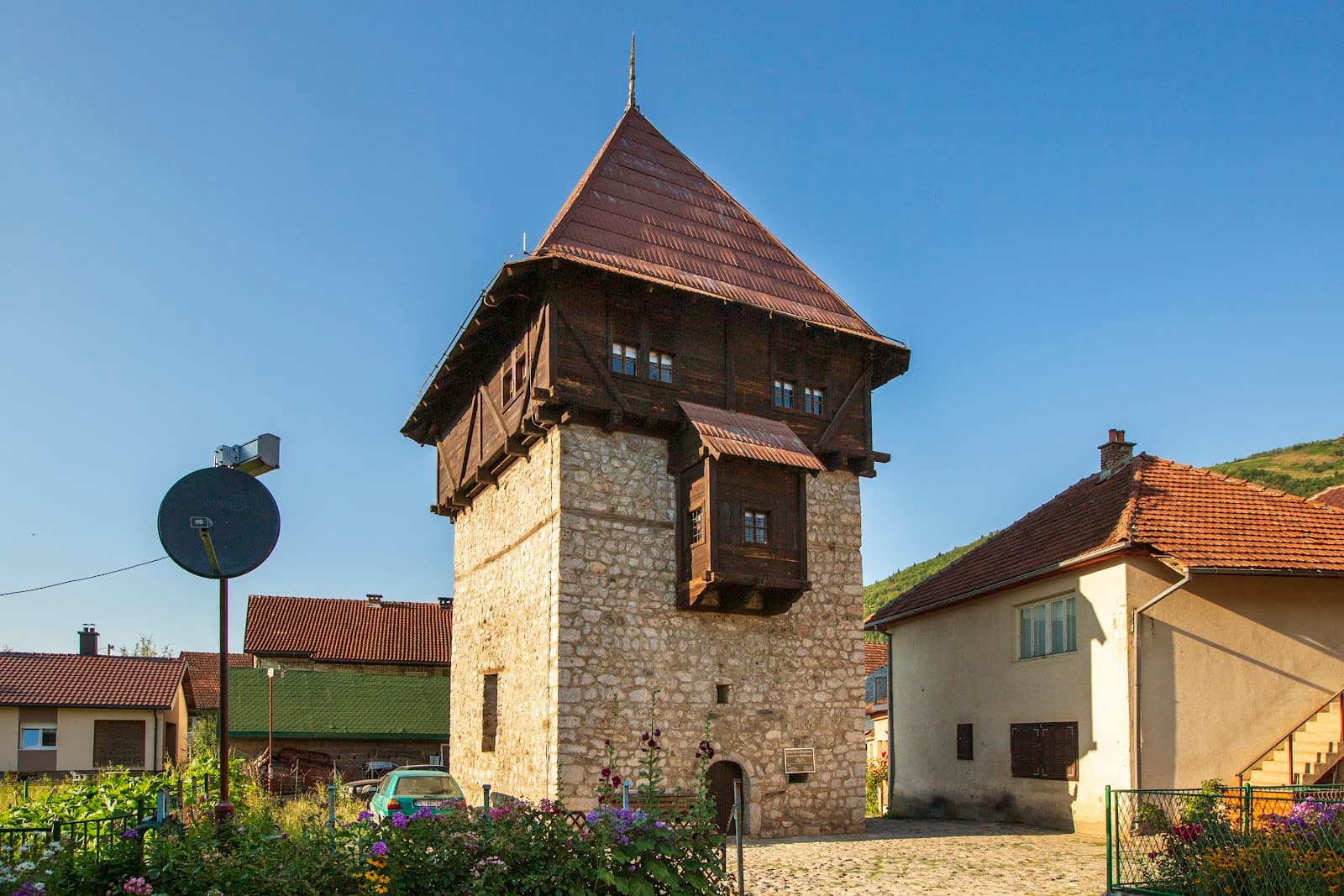
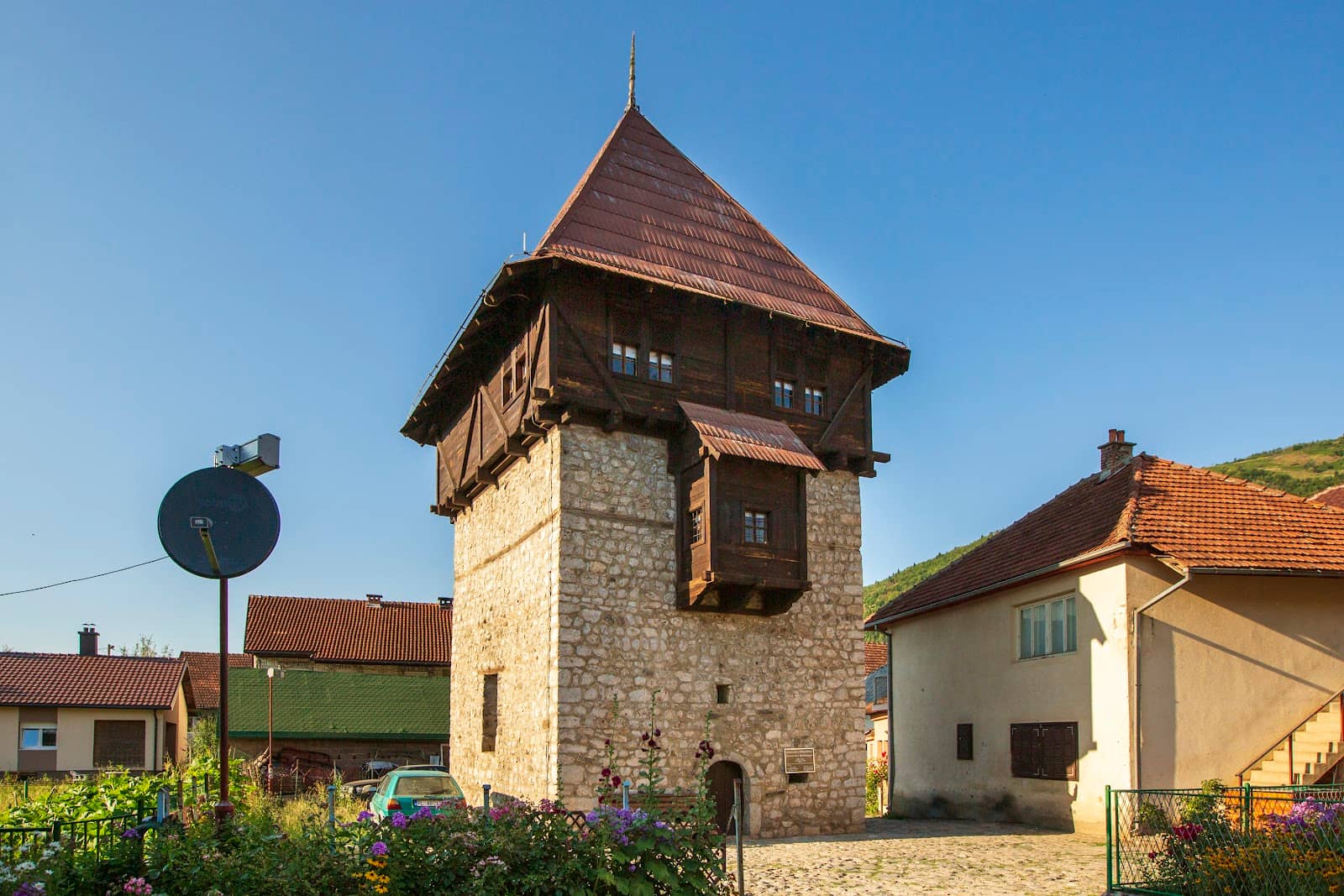
A preserved Ottoman-era fortified tower in Plav, offering a glimpse into Balkan history and traditional architecture.
Highlights
Must-see attractions

Social
From TikTok & Reddit
Best Time
Best light for photos
Restaurant Kula Redzepagica Plav
Best Time
Best light for photos
Highlights
Must-see attractions
A preserved Ottoman-era fortified tower in Plav, offering a glimpse into Balkan history and traditional architecture.
"Very authentic and historic place, a symbol of Plav's Ottoman heritage."
Authentic Experience
Embrace the genuine historical feel; it's a quick but impactful visit. ⭐
Short Visit Duration
Expect to spend about 5-10 minutes exploring this historic tower. :stopwatch:
Quick Facts
Highlights
Discover the most iconic attractions and experiences
Ottoman-Era Architecture
Explore the thick stone walls and traditional 'kula' style of this 17th/18th-century fortified residence.
Čardak Balcony
Admire the wooden balcony, a classic Ottoman feature offering historical views and architectural insight.
Symbol of Plav's Heritage
Experience a tangible piece of Plav's layered history and the resilience of its past inhabitants.
Plans like a pro.
Thinks like you
Planning Your Visit
A Glimpse into Ottoman History
Authenticity and Quick Visits
Best Times
Insider Tips
from TikTok, Instagram & Reddit
Authentic Experience
Embrace the genuine historical feel; it's a quick but impactful visit. ⭐
Short Visit Duration
Expect to spend about 5-10 minutes exploring this historic tower. :stopwatch:
Local Guide Insight
A nice guide can enhance your understanding of the tower's history. :man_teacher:
Tips
from all over the internet
Authentic Experience
Embrace the genuine historical feel; it's a quick but impactful visit. ⭐
Short Visit Duration
Expect to spend about 5-10 minutes exploring this historic tower. :stopwatch:
Local Guide Insight
A nice guide can enhance your understanding of the tower's history. :man_teacher:
What Travellers Say
Reviews Summary
Visitors find Kula Redžepagića to be a very authentic and historic site, offering a genuine glimpse into Plav's Ottoman heritage. While the visit is typically brief, the historical significance and unique architecture are appreciated. Some note that it's a quick experience, best enjoyed with a guide for added context.
"A Symbol of Plav’s Ottoman Heritage
Kula Redžepagića, often referred to as the Redžepagić Tower, is one of the most significant and best-preserved examples of Ottoman-era architecture in Plav, Montenegro. Built in the late 17th or early 18th century, the tower was originally constructed by the prominent Redžepagić family, who were influential landowners and community leaders in the region. The structure served both residential and defensive purposes, reflecting the turbulent history of the Plav-Gusinje area during the Ottoman period, when local families had to protect their households from raids and rival clans.
The tower is built in the characteristic kula style, a type of fortified stone house common in the Balkans. Its thick stone walls, small windows, and narrow entrances were designed to withstand attacks, while the upper floors provided living quarters. The ground floor typically served as a stable and storage area, while the upper floors were used for family life and hospitality. The tower also features a čardak, a wooden balcony typical of Ottoman domestic architecture, offering both a defensive vantage point and a social space for the household.
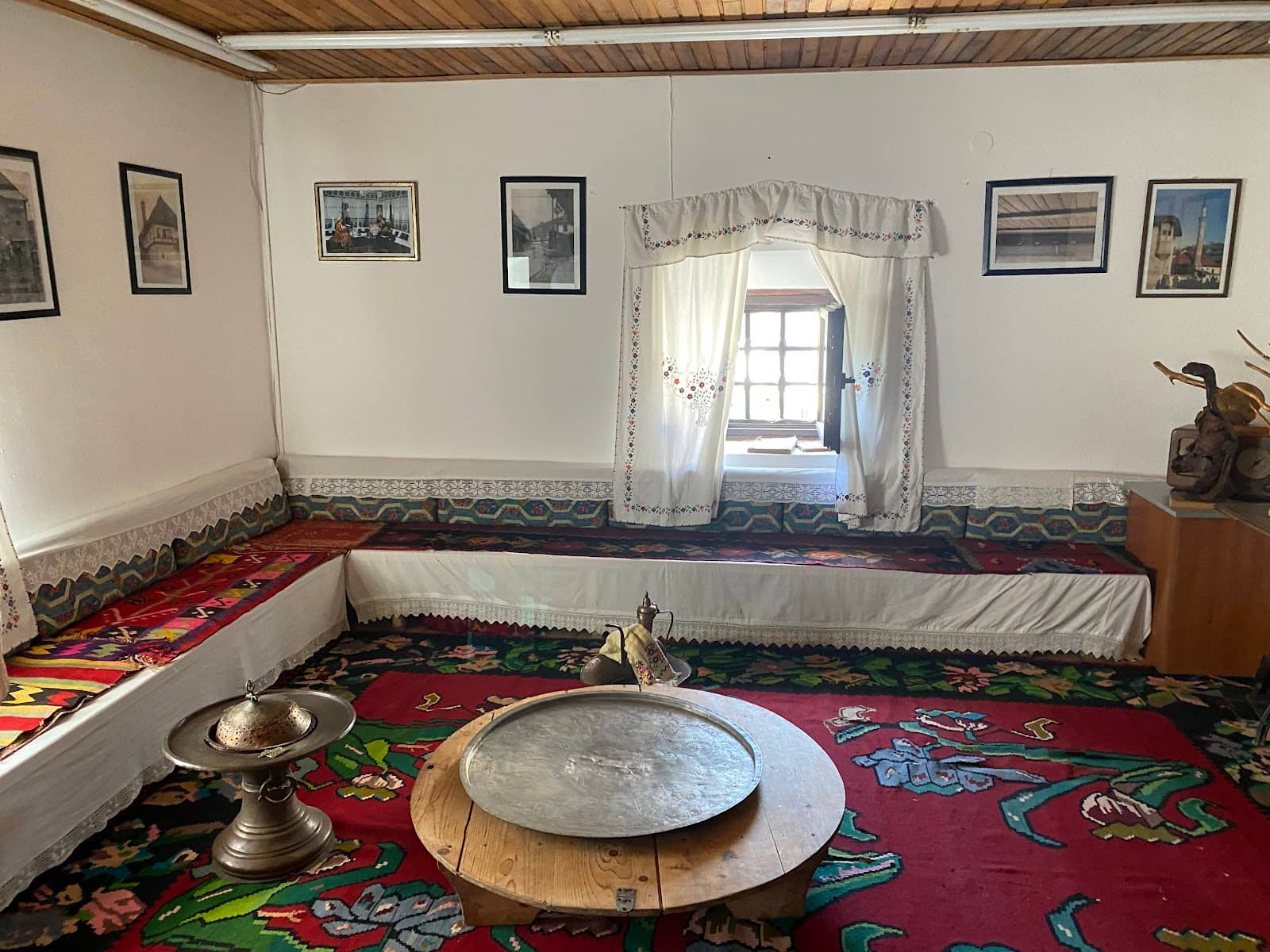
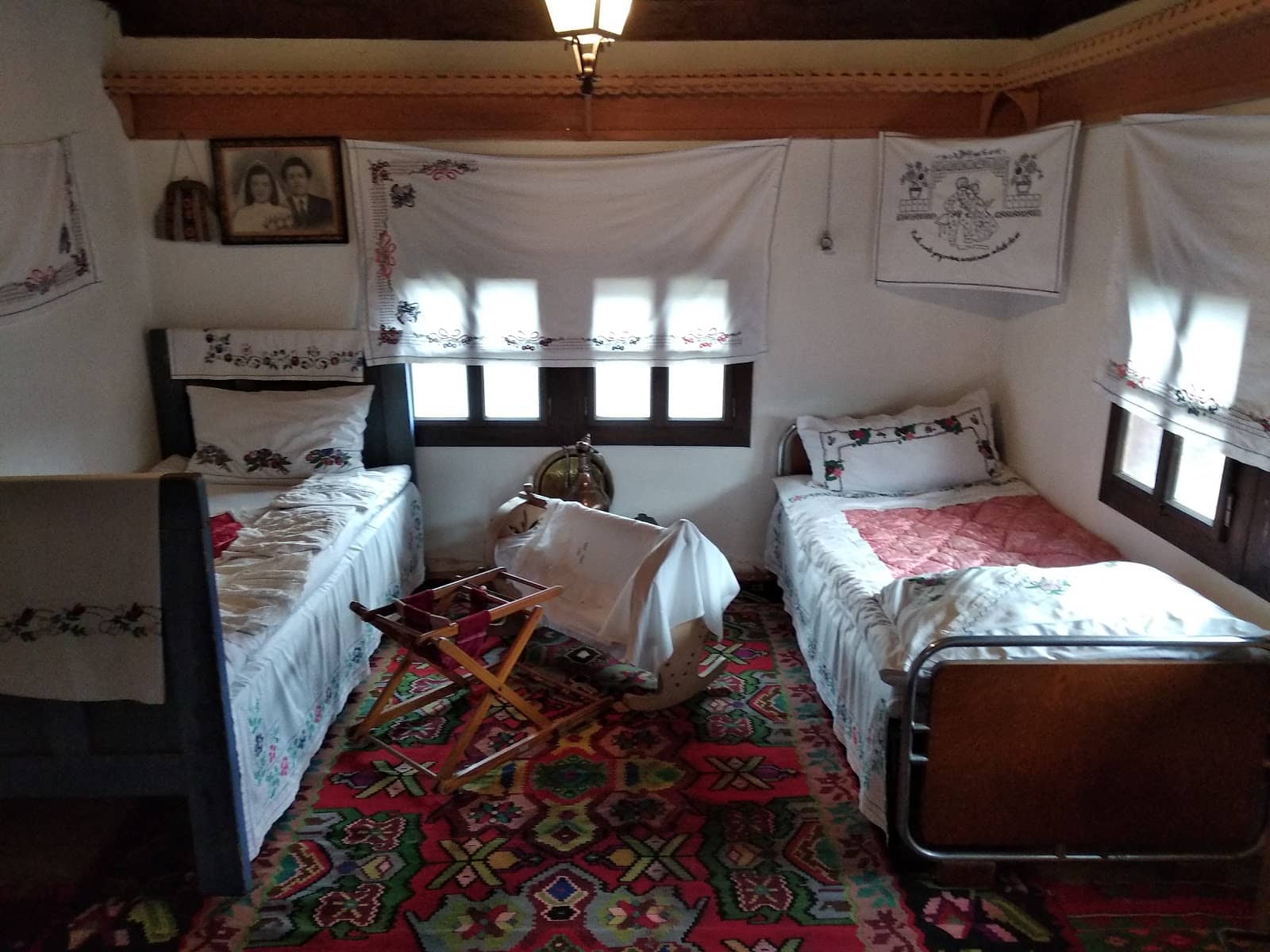
Today, Kula Redžepagića stands as a cultural monument and a reminder of Plav’s layered history. It has been preserved as part of Montenegro’s cultural heritage and occasionally hosts exhibitions and cultural events that showcase local traditions, crafts, and historical artifacts. The site gives visitors insight into the way of life during the Ottoman era, the architectural ingenuity of fortified dwellings, and the resilience of the families who inhabited them. Visiting the tower is not just an architectural experience but also a journey into the social and political history of the Plav region."
Altug Senel
"Very authentic and Historic place"
Sammy Bajraktarevic
"It was ok. Guide is nice but it is something you can see in 5-10 minutes"
Nikola Djordjevic
What People Like
What People Dislike
Frequently Asked Questions
🚇 🗺️ Getting There
Kula Redžepagića is located in Plav, Montenegro. It's best accessed by car or taxi within the town. Public transport options might be limited, so check local schedules if relying on buses. Parking is usually available nearby.
Yes, it's a prominent historical landmark in Plav. Look for signs indicating the Redžepagić Tower, often situated in a central or easily accessible part of town.
🎫 🎫 Tickets & Entry
Entry is typically straightforward, often with a small admission fee or donation requested. It's advisable to check for any specific ticketing requirements or opening hours before your visit, as these can vary.
Opening hours can be variable, especially outside peak tourist season. It's recommended to inquire locally or check with the Plav tourism office for the most up-to-date information on when the tower is open for visitors.
While often described as a quick visit, there might be a nominal entrance fee or a request for a donation to support its upkeep. This helps preserve this significant historical site.
🎫 🧭 Onsite Experience
You can explore the authentic Ottoman-era architecture, including thick stone walls, small windows, and a traditional 'čardak' balcony. It offers a brief but insightful look into historical Balkan dwellings.
Most visitors find that a visit to Kula Redžepagića takes around 5 to 10 minutes. It's a compact site focused on historical architecture and significance.
Yes, a guide is often available and can provide valuable historical context and insights into the tower's past. Their presence can significantly enhance the visitor experience.
The tower's unique architecture and historical ambiance make it a good spot for photography, especially for those interested in historical buildings and cultural heritage.
🍽️ 🍽️ Food & Dining
Plav offers several local restaurants and cafes where you can enjoy traditional Montenegrin cuisine. These are usually a short walk or drive from the tower, providing a chance to experience local hospitality.
Generally, food and drinks are not permitted inside historical monuments like Kula Redžepagića to preserve the site. It's best to consume refreshments outside the tower.
Social
from TikTok, Instagram & Reddit