Keng Hock Keong Chinese Temple
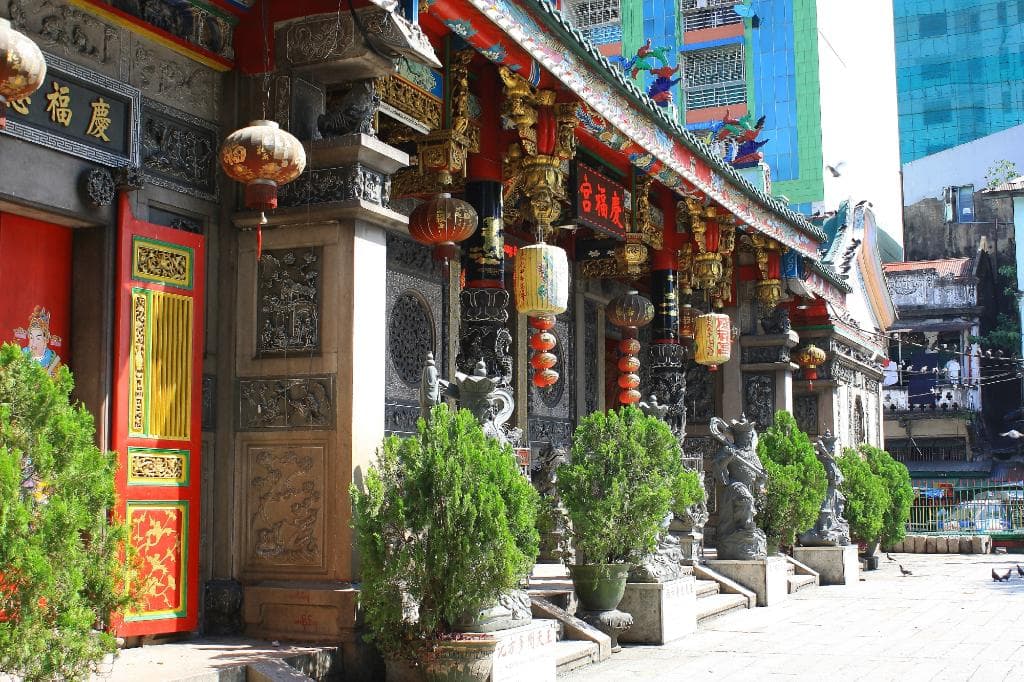
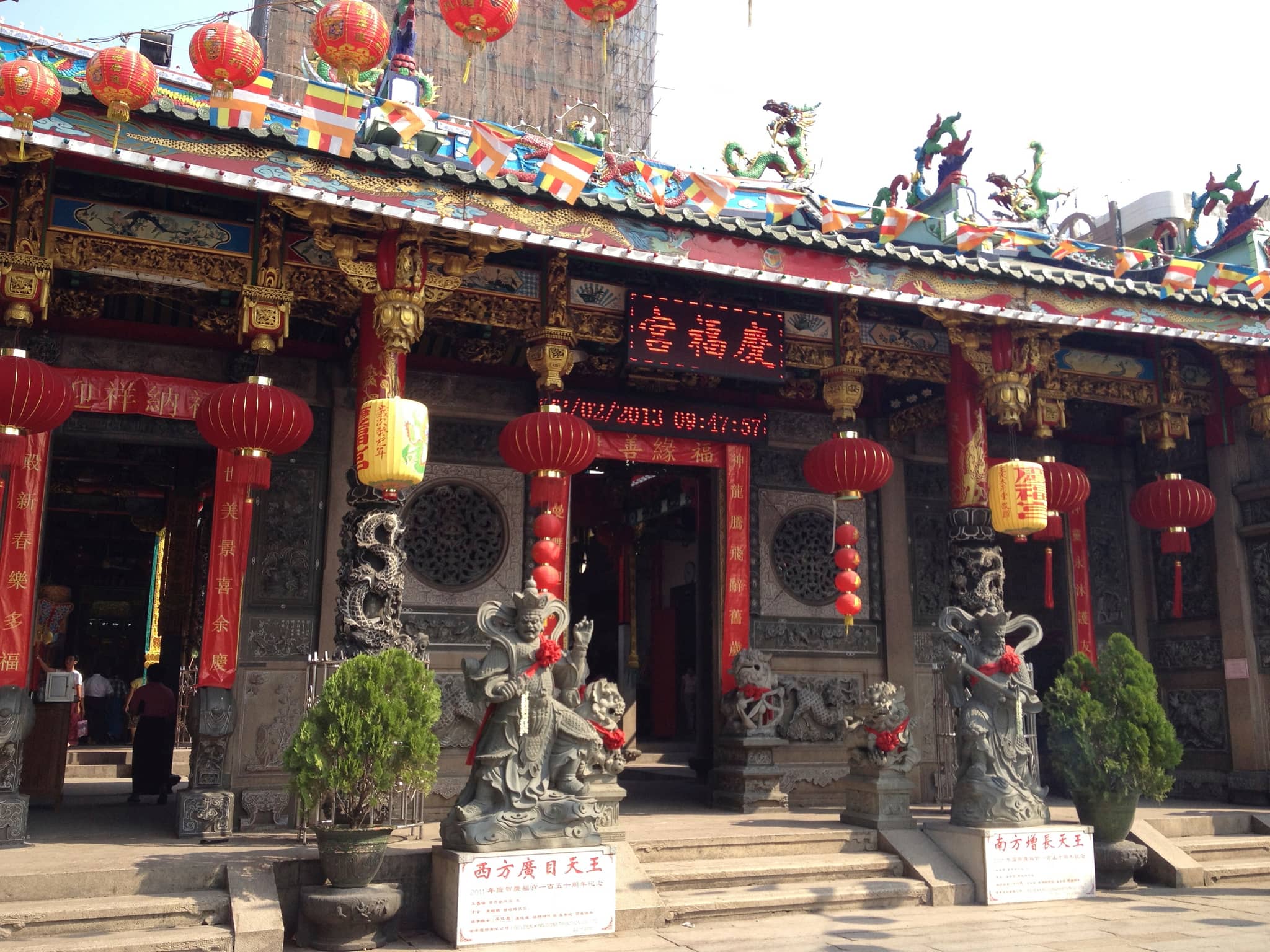
A historic Chinese temple dedicated to Mazu, the goddess of the sea, offering a serene spiritual experience with intricate artistry.
Highlights
Must-see attractions

Social
From TikTok & Reddit
Best Time
Quieter atmosphere
Keng Hock Keong Chinese Temple
Best Time
Quieter atmosphere
Highlights
Must-see attractions
A historic Chinese temple dedicated to Mazu, the goddess of the sea, offering a serene spiritual experience with intricate artistry.
"A working temple with a serene and captivating atmosphere, definitely worth a stop while exploring."
Dress Modestly
Cover shoulders and knees out of respect for this active place of worship. 🙏
Seek Guidance
Temple staff are often available to help with etiquette and rituals. :raisedhandwithfingerssplayed:
Quick Facts
Hours
Rating
4.3 · 451 reviews
Type
Place of Worship
Highlights
Discover the most iconic attractions and experiences
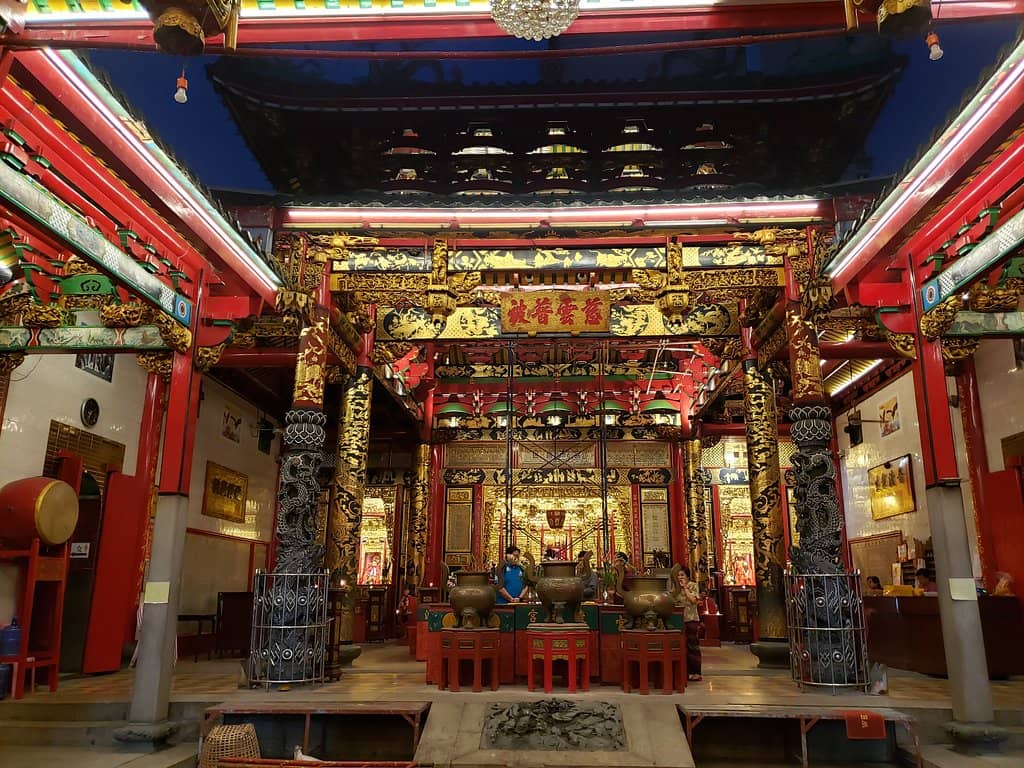
Mazu's Divine Presence
Main Altar
Marvel at the central statue of Mazu, the revered Chinese goddess of the sea, a beacon of protection for seafarers.
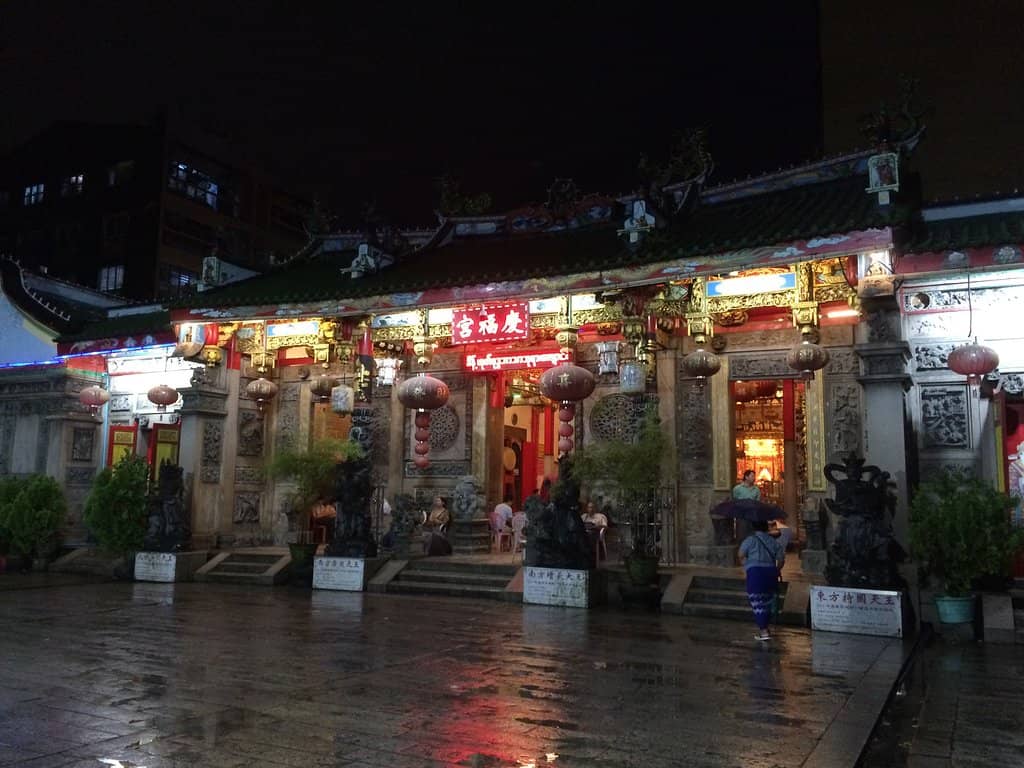
Intricate Carvings
Temple Facade and Interior
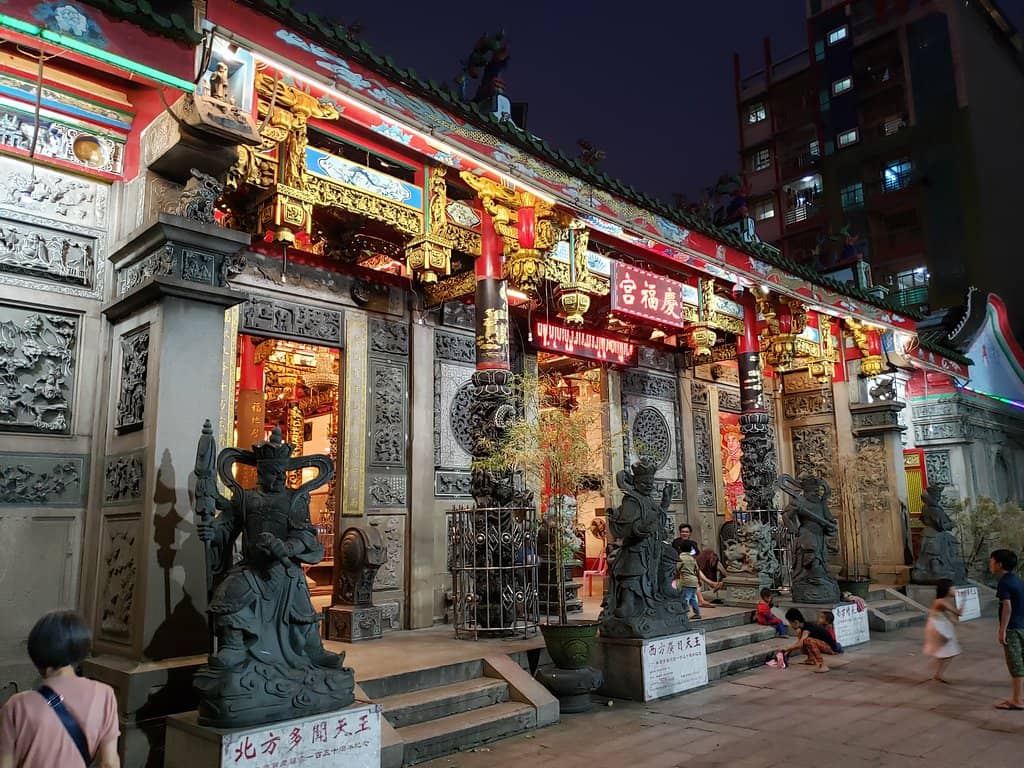
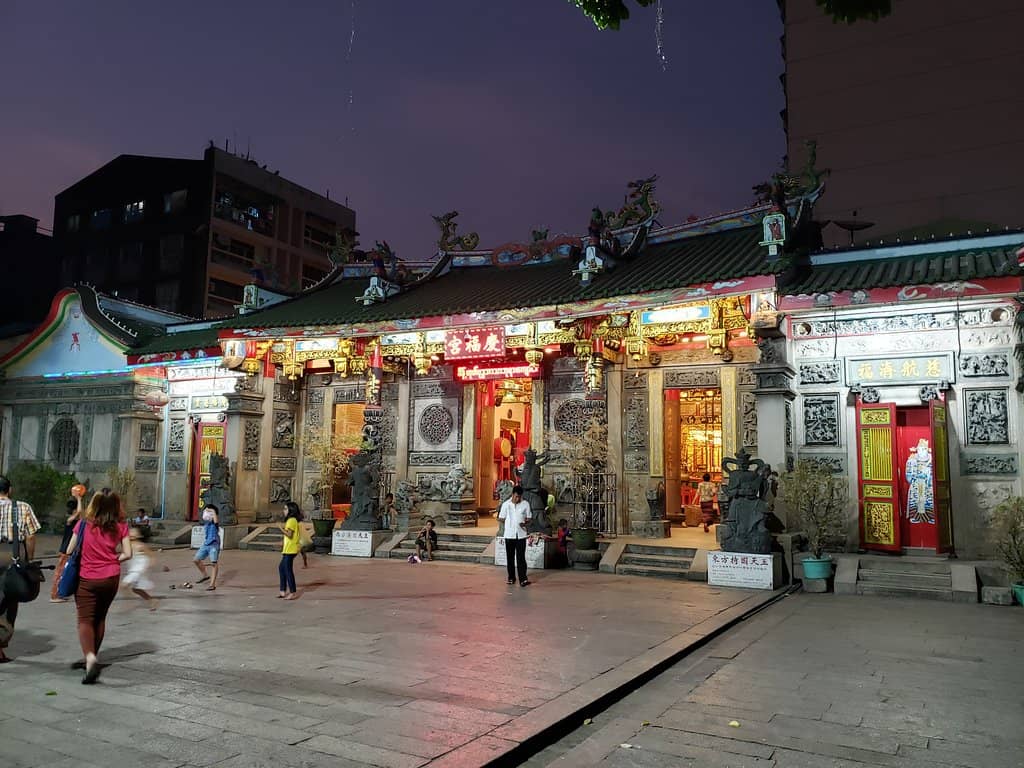
Admire the detailed artistry in the temple's facade and interior, showcasing traditional Chinese craftsmanship.
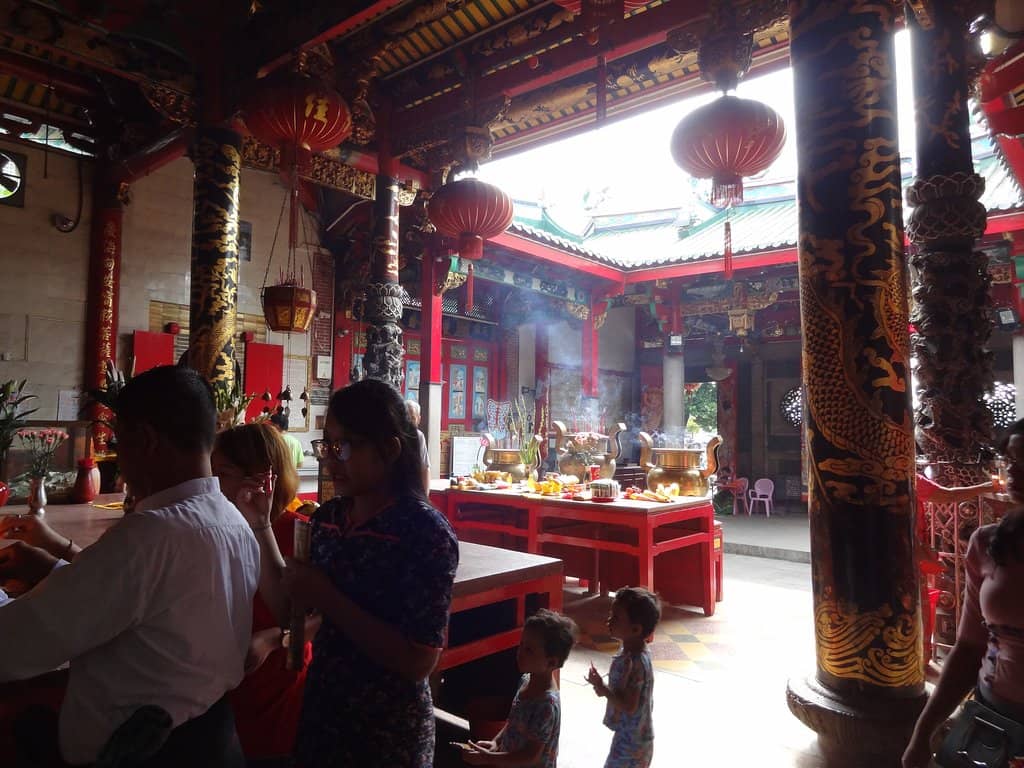
Incense-Filled Atmosphere
Main Prayer Hall
Experience the serene and spiritual ambiance, thick with the fragrant smoke of burning incense.
Plans like a pro.
Thinks like you
Planning Your Visit
Timing Your Visit for Serenity
Respectful Exploration
Best Times
Insider Tips
from TikTok, Instagram & Reddit
Dress Modestly
Cover shoulders and knees out of respect for this active place of worship. 🙏
Seek Guidance
Temple staff are often available to help with etiquette and rituals. :raisedhandwithfingerssplayed:
Capture the Details
The intricate carvings and vibrant colors make for stunning photos. :camerawithflash:
Embrace the Ambiance
Take time to absorb the incense-filled, spiritual atmosphere. :wind_chime:
Tips
from all over the internet
Dress Modestly
Cover shoulders and knees out of respect for this active place of worship. 🙏
Seek Guidance
Temple staff are often available to help with etiquette and rituals. :raisedhandwithfingerssplayed:
Capture the Details
The intricate carvings and vibrant colors make for stunning photos. :camerawithflash:
Embrace the Ambiance
Take time to absorb the incense-filled, spiritual atmosphere. :wind_chime:
What Travellers Say
Reviews Summary
Visitors find Keng Hock Keong Chinese Temple to be a fascinating and serene cultural gem, praised for its intricate artistry and spiritual ambiance. While some note an entrance fee, the overall experience is described as welcoming and a must-visit for those interested in history and local heritage.
"Kheng Hock Keong is a fascinating Chinese temple in Yangon that offers a glimpse into the city’s rich cultural diversity. Located near the riverside, this beautifully decorated temple is dedicated to Mazu, the goddess of the sea. The intricate carvings, vibrant colors, and incense-filled atmosphere make it a serene and captivating place to visit. It’s a working temple, so you’ll often see worshippers performing rituals, adding an authentic touch to the experience. Whether you’re interested in history, architecture, or spirituality, this temple is definitely worth a stop while exploring Yangon."
Tibor
"A traditional Chinese temple locates in city centre of Honoi & entry fees apply. Two soft-shell turles were kept there & their sizes are over 2 metre long. They are one of the largest I've never seen."
Peter Yeung
"a place of worship for chinese deities. they have people inside to help you how to pay respect, which I was very grateful."
Thet Aung
What People Like
What People Dislike
Frequently Asked Questions
🚇 🗺️ Getting There
Keng Hock Keong Chinese Temple is conveniently located in the city center. Depending on your starting point, you can reach it by taxi, ride-sharing services, or local public transport. Check local transit apps for the most efficient routes from your accommodation.
Yes, the temple is situated near the riverside and other city center attractions, making it easy to combine with a broader exploration of the area.
Utilizing local buses or walking, if feasible, are the most budget-friendly options. Researching local bus routes beforehand can save you money and offer a more authentic travel experience.
🎫 🎫 Tickets & Entry
Entry fees may apply at Keng Hock Keong Chinese Temple, as noted by some visitors. It's advisable to have some local currency on hand for admission and any donations.
While specific hours can vary, temples like Keng Hock Keong Chinese Temple are generally open during daylight hours. It's best to confirm current operating times closer to your visit, especially if planning an early morning or late afternoon trip.
Donations are welcomed and appreciated at Keng Hock Keong Chinese Temple. There are usually designated areas for offerings, and your contribution helps maintain this beautiful cultural site.
Typically, advance booking is not required for Keng Hock Keong Chinese Temple. Entry is usually on a walk-in basis, though it's always wise to check for any special event schedules that might affect access.
📸 📸 Photography
Photography is generally permitted inside Keng Hock Keong Chinese Temple, but always be respectful. Avoid using flash photography, especially during prayer times, and be mindful of worshippers.
The intricate carvings on the facade, the main altar with the Mazu statue, and the incense-filled prayer hall offer excellent photographic opportunities. The vibrant colors and detailed artistry are key highlights.
While generally allowed, some areas might have specific restrictions, especially during ceremonies. Always look for signage or ask temple staff if you're unsure about where you can take photos.
🎫 🙏 Onsite Experience
Keng Hock Keong Chinese Temple is significant as a place of worship dedicated to Mazu, the Chinese goddess of the sea, and offers a glimpse into the city's rich cultural diversity and history.
It's important to dress modestly out of respect for this active place of worship. This means covering your shoulders and knees.
While you can observe rituals respectfully, active participation might be limited to specific ceremonies or guided experiences. Temple staff can provide information on any opportunities.
The temple is known for its beautifully decorated interior, intricate carvings, and the serene, incense-filled atmosphere. Some reviews mention unique features like large turtles being kept there, though this may vary.



Social
from TikTok, Instagram & Reddit