Sebastia Samaria Israel
Explore Sebastia, ancient Samaria, a historical crossroads with ruins from Israelite, Roman, and Crusader eras. Discover ancient capitals and Roman gr...
Highlights
Must-see attractions

Social
From TikTok & Reddit
Best Time
Beat the midday heat
Sebastia Samaria Israel
Best Time
Beat the midday heat
Highlights
Must-see attractions
Explore Sebastia, ancient Samaria, a historical crossroads with ruins from Israelite, Roman, and Crusader eras. Discover ancient capitals and Roman grandeur.
"Amazing archeological site with outstanding structures from different times across history."
🤝 Hire a Local Guide
Enhance your understanding of the site's rich history with insights from a knowledgeable local guide.
👟 Comfortable Walking Shoes
You'll be exploring uneven terrain and ancient ruins, so sturdy footwear is a must.
Quick Facts
Highlights
Discover the most iconic attractions and experiences
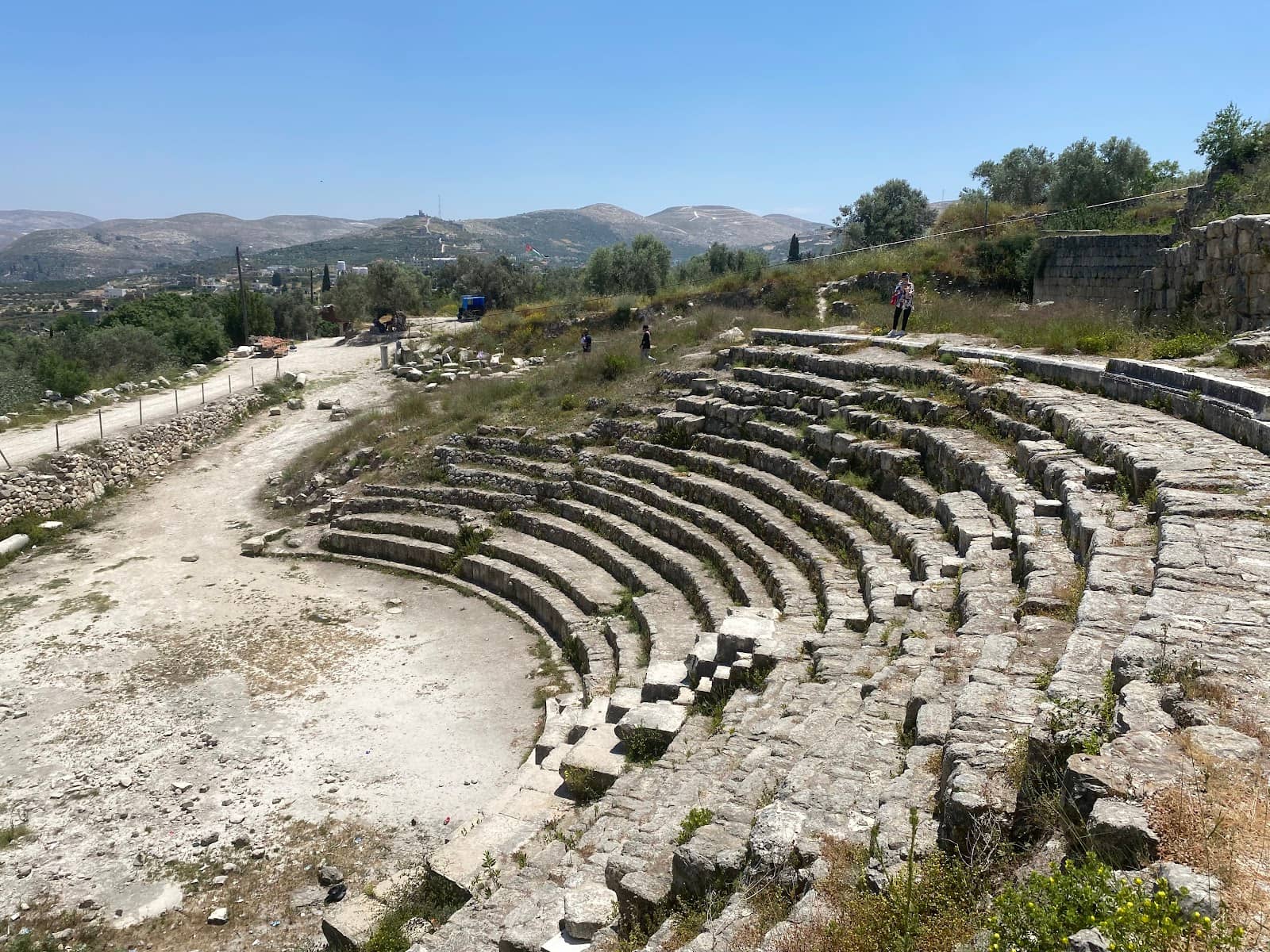
Herodian Theatre
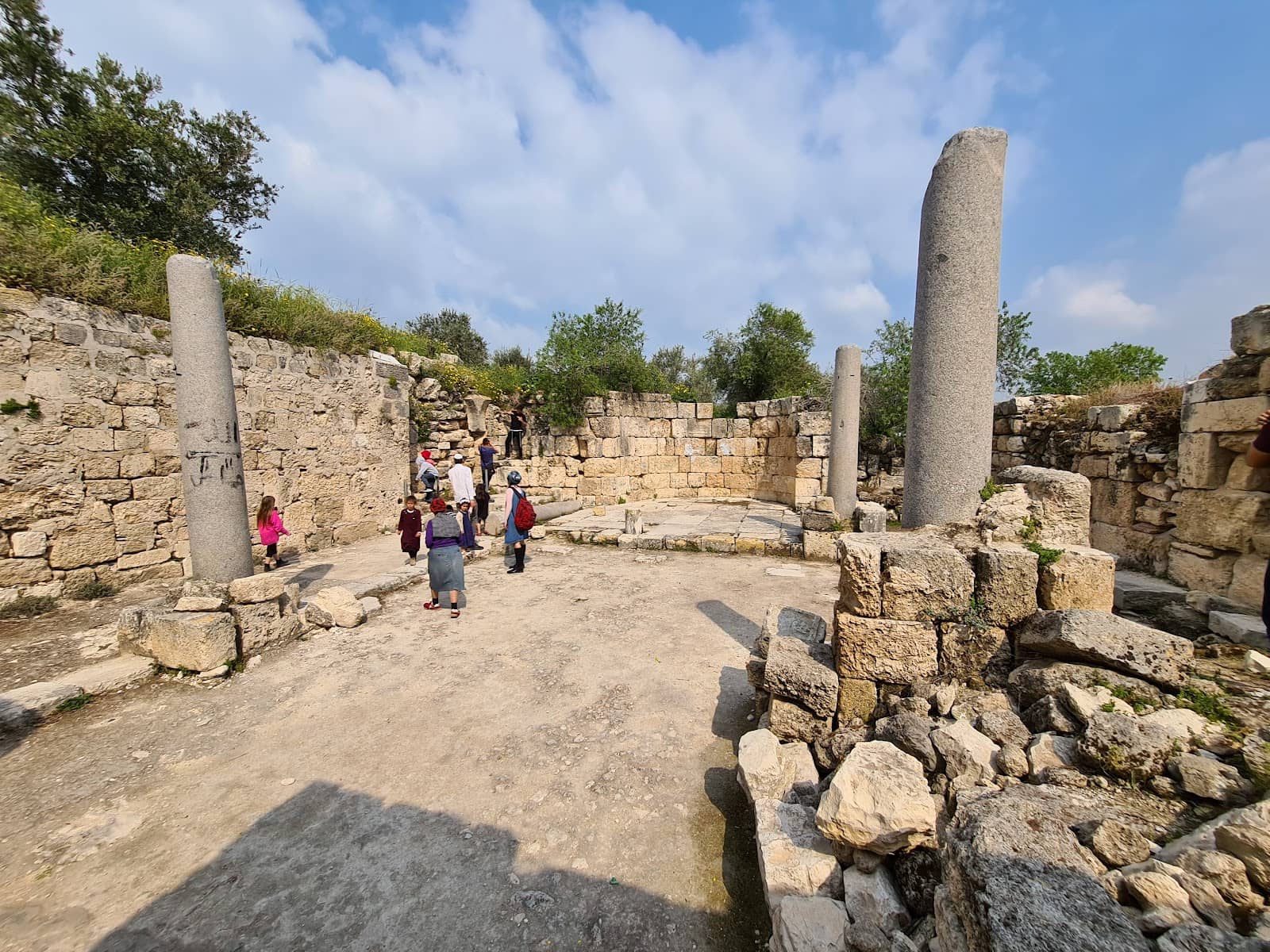
Roman City Ruins
A remarkably preserved Roman theatre, offering a glimpse into ancient entertainment and architecture.
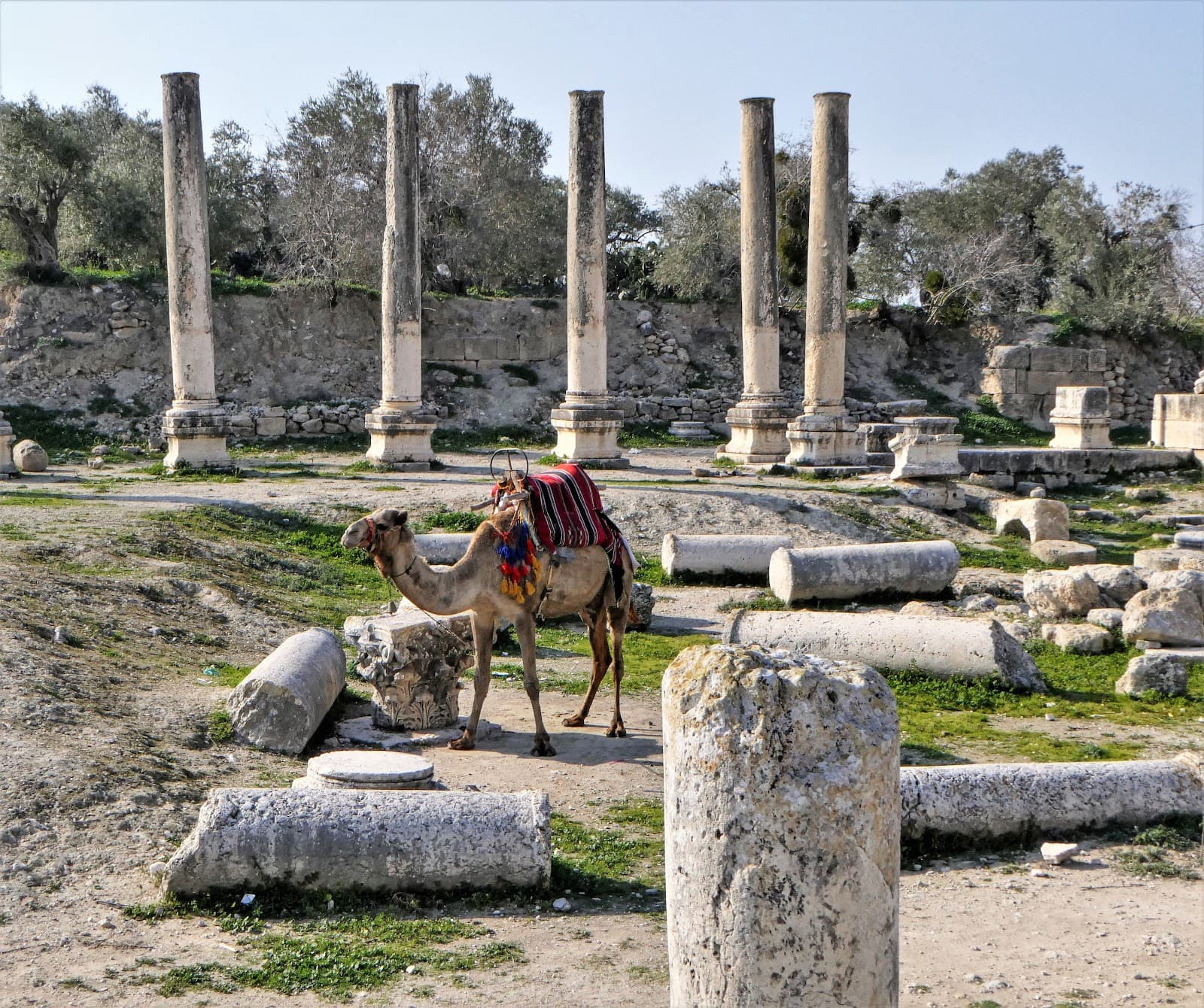
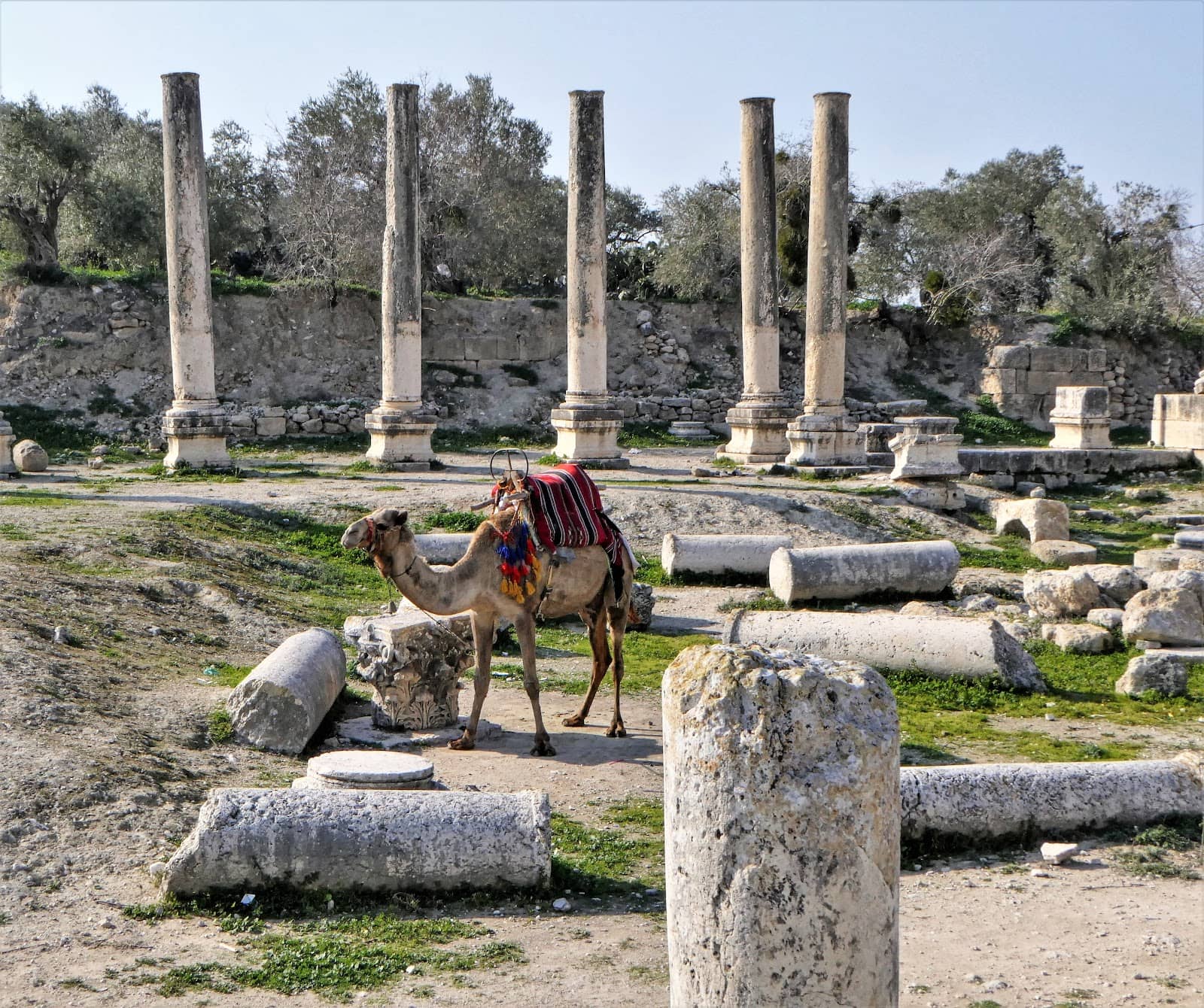
Pillared Street
Roman City Ruins
Walk along the grand colonnaded street, once the bustling heart of Roman Sebastia.
Southern Wall & Omri's Capital
Israelite Kingdom Ruins
Explore the massive southern wall, a testament to the early Israelite capital's grandeur.
Crusader Church Remains
Crusader Period Ruins
Discover the remnants of a Crusader-era church, adding another layer to Sebastia's long history.
Plans like a pro.
Thinks like you
Planning Your Visit
Navigating Sebastia: A Historical Gem
Unearthing Ancient Samaria
Best Times
Insider Tips
from TikTok, Instagram & Reddit
🤝 Hire a Local Guide
Enhance your understanding of the site's rich history with insights from a knowledgeable local guide.
👟 Comfortable Walking Shoes
You'll be exploring uneven terrain and ancient ruins, so sturdy footwear is a must.
💧 Stay Hydrated
Especially during warmer months, carry plenty of water as shade can be limited.
📸 Capture the History
Bring your camera to document the incredible archaeological finds and ancient structures.
Tips
from all over the internet
🤝 Hire a Local Guide
Enhance your understanding of the site's rich history with insights from a knowledgeable local guide.
👟 Comfortable Walking Shoes
You'll be exploring uneven terrain and ancient ruins, so sturdy footwear is a must.
💧 Stay Hydrated
Especially during warmer months, carry plenty of water as shade can be limited.
📸 Capture the History
Bring your camera to document the incredible archaeological finds and ancient structures.
🚗 Access from Nablus
Service taxis from Nablus are a convenient way to reach Sebastia for independent travelers.
What Travellers Say
Reviews Summary
Visitors praise Sebastia for its incredible historical depth, showcasing layers from the Israelite Kingdom to Roman and Crusader periods. The well-preserved Roman Theatre and Pillared Street are highlights. However, some note that the site's management could be improved, and access might require coordination for certain visitors.
"Amazing history here but due to external factors it cannot be managed properly. For a foreign tourist it is relatively easy to get to from Nablus. Just take a servees taxi to Sebastia and walk here. Nice place to spend a half day."
Tristan Chavez
"One of the most beautiful national Park of Israel. It was built by l Omri the king of Israel and was the capital of the kingdom. from the Roman time, you can visit the theatre and pillars street."
Yoni Shtern
"Amazing archeological site.
Outstanding structures from different times across history, from the early kingdom of Israel and the ruins of the city of Shomron, through watch towers from the Maccabees era up until the Roman city of Sebastia that was built by Herod the great - it contains it all.
One hour tour can provide you with all the info you need to grasp the understanding of all that happened there over time.
Requires coordination with the military to enter (if you are Israeli - if not, you can just go tour on your own or as a group)"
Dor Ben-Avi
What People Like
What People Dislike
Frequently Asked Questions
🚇 🗺️ Getting There
The easiest way to reach Sebastia from Nablus is by taking a 'service' taxi. These are shared taxis that run regular routes. The journey is relatively short and affordable, making it a convenient option for independent travelers.
Sebastia is located just northwest of Nablus. While the site itself is an archaeological park, the adjacent village of Sebastia is easily identifiable. Following signs for the archaeological site once in the vicinity is recommended.
For foreign tourists, visiting Sebastia is generally straightforward. However, some sources mention that Israeli visitors might need to coordinate with the military for entry. It's always best to check current regulations before your visit.
Once you arrive at Sebastia, the archaeological site is best explored on foot. Wear comfortable shoes as you'll be walking on uneven ancient pathways and ruins.
While direct public buses might be limited, service taxis from Nablus are the most common and reliable form of public transport to reach Sebastia.
🎫 🎫 Tickets & Entry
Specific opening hours can vary, and it's advisable to check locally or with your guide. Generally, archaeological sites are accessible during daylight hours.
Information on entrance fees can be inconsistent. Some visitors report it being a national park with potential fees, while others mention it being accessible. It's best to inquire upon arrival or with a local guide.
If there are entrance fees, tickets are typically available for purchase at the site's entrance or visitor center.
Yes, you can visit Sebastia independently. However, a guide can significantly enhance your understanding of the historical context and significance of the ruins.
Generally, photography for personal use is allowed. However, it's always good practice to be respectful of the site and any ongoing archaeological work.
🎫 🧭 Onsite Experience
Don't miss the remarkably preserved Roman Theatre, the grand Pillared Street, the massive Southern Wall from the Israelite period, and the remnants of the Crusader Church.
A one-hour tour can provide a good overview, but to truly grasp the history and explore thoroughly, plan for at least a half-day visit.
Sebastia offers a fascinating historical experience that can be engaging for older children who can appreciate the ruins and stories. Ensure they have comfortable shoes and water.
Basic facilities may be available, especially near the visitor areas or the adjacent village. It's advisable to use restrooms before arriving if possible.
Sebastia was the capital of the Northern Kingdom of Israel and later a significant Roman city built by Herod the Great. It holds artifacts and structures from multiple historical periods, including the Israelite, Roman, and Crusader eras.
🍽️ 🍽️ Food & Dining
Adjacent to the archaeological site, there's a small Arab village with a square where tourists can buy food and souvenirs. Options might be limited, so consider bringing snacks.
You can expect traditional Palestinian cuisine in the village, likely including local snacks, drinks, and possibly light meals.
While there are options in the village, many visitors prefer to eat in Nablus for a wider variety of dining experiences.
Yes, bringing your own water and snacks is highly recommended, especially for longer visits during warmer weather.
📸 📸 Photography
The Roman Theatre, the Pillared Street, and panoramic views of the ruins against the landscape offer excellent photographic opportunities.
Drone usage regulations can be strict in archaeological sites and sensitive areas. It's best to check for specific permissions before flying a drone.
Early morning or late afternoon light provides softer, more dramatic lighting for capturing the ancient structures.
Generally, personal photography is permitted. However, always be respectful of the site and any ongoing excavations.
A wide-angle lens is useful for capturing the scale of the ruins, while a standard zoom lens can capture details. A sturdy tripod can be helpful for low-light conditions.
Social
from TikTok, Instagram & Reddit