
Groot Okevi Etosha National Park
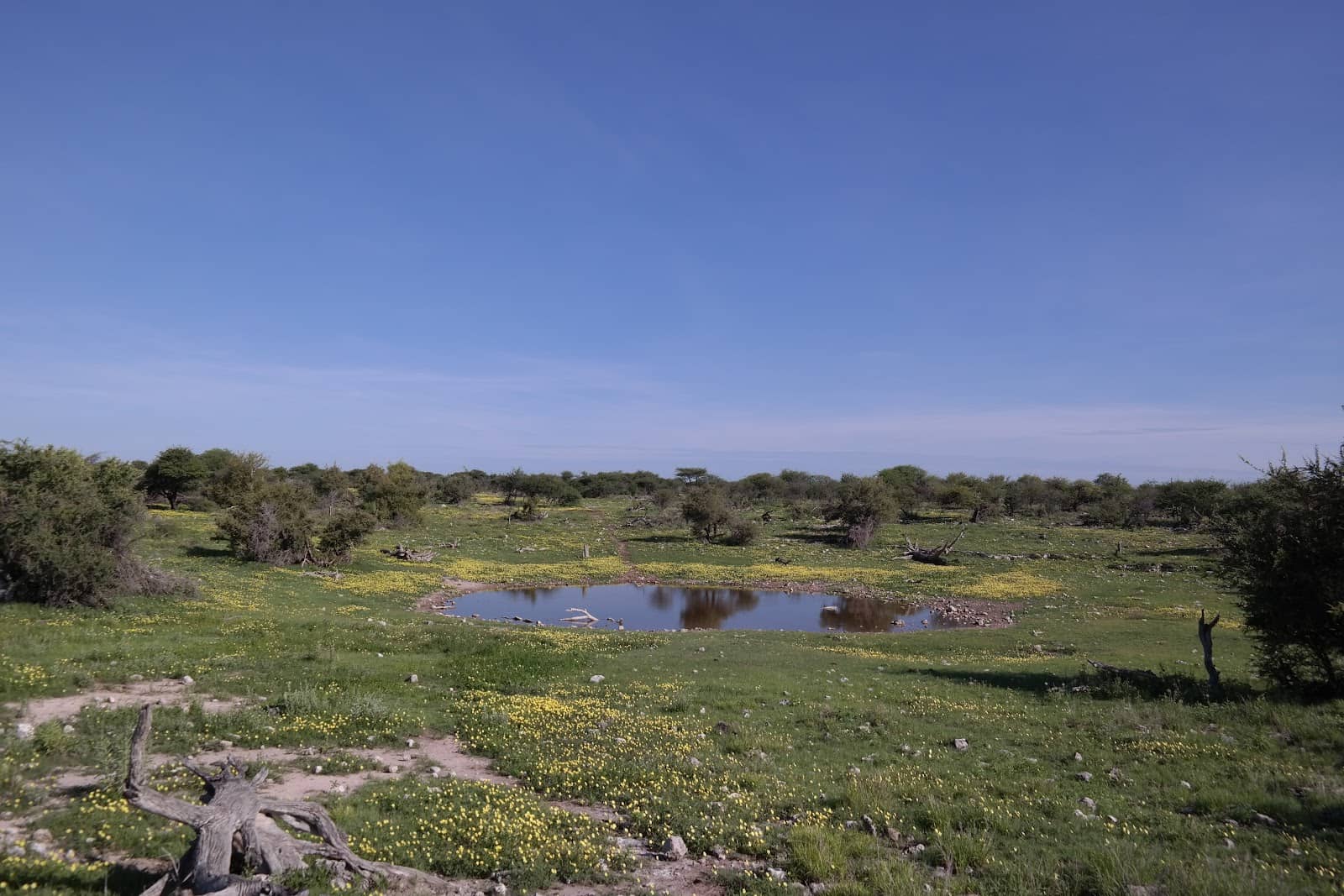
Etosha National Park: a vast wildlife sanctuary in Namibia, famed for its immense salt pan and abundant animals congregating at waterholes.
Highlights
Must-see attractions

Social
From TikTok & Reddit
Best Time
Animals gather at waterholes
Groot Okevi Etosha National Park
Best Time
Animals gather at waterholes
Highlights
Must-see attractions
Etosha National Park: a vast wildlife sanctuary in Namibia, famed for its immense salt pan and abundant animals congregating at waterholes.
"Okaukuejo's floodlit waterhole offers an unforgettable nocturnal safari experience."
Pack for all weather
Temperatures can vary wildly. Bring layers, sun protection, and insect repellent. :sunwithface: :bug:
Self-drive safari is key
Rent a 4x4 for best access. Drive slowly and stay in your vehicle for safety. :car: :camerawithflash:

Highlights
Discover the most iconic attractions and experiences
Okaukuejo Waterhole
Okaukuejo Camp
A floodlit oasis where elephants, rhinos, and lions gather after dark. Unforgettable nocturnal wildlife viewing!
Etosha Salt Pan
Central Etosha
A vast, ancient salt pan stretching for miles, offering surreal landscapes and unique photographic opportunities.

Wildlife Abundance
Throughout the park
Witness diverse species like lions, elephants, giraffes, and zebras congregating at waterholes. A true safari dream!
Plans like a pro.
Thinks like you
Planning Your Visit
Wildfire Impact & Safety
Best Viewing Spots
Best Times
Insider Tips
from TikTok, Instagram & Reddit
Pack for all weather
Temperatures can vary wildly. Bring layers, sun protection, and insect repellent. :sunwithface: :bug:
Self-drive safari is key
Rent a 4x4 for best access. Drive slowly and stay in your vehicle for safety. :car: :camerawithflash:
Waterholes are wildlife magnets
Spend time at various waterholes for guaranteed sightings. Okaukuejo's floodlit one is a must-see! :droplet: :eyes:
Book accommodation early
Camps inside the park fill up fast, especially during peak season. Plan ahead! :bed: :calendar:
Tips
from all over the internet
Pack for all weather
Temperatures can vary wildly. Bring layers, sun protection, and insect repellent. :sunwithface: :bug:
Self-drive safari is key
Rent a 4x4 for best access. Drive slowly and stay in your vehicle for safety. :car: :camerawithflash:
Waterholes are wildlife magnets
Spend time at various waterholes for guaranteed sightings. Okaukuejo's floodlit one is a must-see! :droplet: :eyes:
Book accommodation early
Camps inside the park fill up fast, especially during peak season. Plan ahead! :bed: :calendar:
Respect wildlife distances
Never feed or approach animals. Maintain a safe distance for their well-being and yours. :warning: :animal_crossing:
What Travellers Say
Reviews Summary
Visitors rave about Etosha's incredible wildlife viewing, particularly at its famous waterholes like Okaukuejo, which offers magical nocturnal sightings. The vast salt pan provides stunning, unique landscapes. However, recent wildfires have caused concern and potential disruptions, impacting the park's biodiversity and accessibility.
"Very picturesque water hole. We had good antelope sightings"
katy mills
"I had the opportunity to observe a group of impalas undisturbed, from their cautious approach, drinking, and frolicking to their departure. A guard kept an eye on the area the entire time."
Harald Padeborn
"In my opinion, this is one of the best places to see animals such as elephants, giraffes, lions and zebras."
Damien
What People Like
What People Dislike
Frequently Asked Questions
🚇 🗺️ Getting There
Etosha is accessible by road. The main entrance is via Andersson Gate near Okaukuejo, about a 4-hour drive from Windhoek. You can rent a car in Windhoek or join a guided tour.
Self-driving is the most popular and flexible way to explore Etosha. Renting a 4x4 vehicle is recommended for better access to different areas. Guided tours are also available if you prefer not to drive.
Recent wildfires have impacted parts of the park. It's crucial to check with park authorities or your accommodation for the latest road conditions and any closures before entering or planning your route. +1
There are no commercial airports directly within Etosha. The nearest major airport is Hosea Kutako International Airport (WDH) in Windhoek, from where you would drive or take a charter flight to a nearby airstrip.
The main gates are Andersson Gate (south-west, near Okaukuejo), Von Lindequist Gate (east, near Namutoni), and Galton Gate (far west, less commonly used).
🎫 🎫 Tickets & Entry
Park entry fees are typically charged per person per day, plus a vehicle fee. Prices can vary, so it's best to check the official Namibia Wildlife Resorts (NWR) website or inquire at the gate for current rates.
While not always mandatory, booking accommodation inside the park well in advance is highly recommended, especially during peak season. For day visitors, entry is usually on a first-come, first-served basis at the gates.
The park gates are generally open from sunrise to sunset. Specific times can vary slightly by season and gate, so confirm with park officials upon arrival.
Discounts may be available for Namibian citizens or residents. International visitors typically pay the standard tourist rate. Check with NWR for any specific offers.
Due to recent wildfires, certain areas or roads within Etosha may be temporarily closed. Always get the latest updates from park rangers or the NWR website before your visit. +1
🎫 🦁 Onsite Experience
Etosha is famous for its large populations of elephants, lions, rhinos, giraffes, zebras, wildebeest, and numerous antelope species. You might also spot leopards, cheetahs, and a variety of birdlife.
Waterholes are your best bet! Okaukuejo, Halali, and Namutoni camps all have excellent waterholes. The Etosha Pan itself offers unique viewing opportunities.
Yes, it is generally safe if you follow park rules. Stay in your vehicle, do not feed animals, and drive cautiously. Be aware of your surroundings, especially at dusk and dawn.
Yes, there are several camps within the park offering camping facilities, including Okaukuejo, Halali, and Namutoni. Some offer unique experiences like the Onguma Dream Cruiser. +1
Bring binoculars, a good camera with a zoom lens, sunblock, a hat, plenty of water, snacks, and a first-aid kit. Comfortable clothing and sturdy shoes are essential. :camerawithflash: :running: :droplet:
🍽️ 🍽️ Food & Dining
Yes, the main camps like Okaukuejo, Halali, and Namutoni have restaurants and sometimes cafes offering meals. Options can range from buffet-style to à la carte.
Absolutely! It's highly recommended to bring your own food, snacks, and plenty of water, especially for full-day game drives. There are picnic areas available. :sandwich: :water_wave:
The cuisine is typically a mix of local Namibian dishes and international fare, often catering to a wide range of tastes. Expect hearty meals suitable for safari-goers.
Some of the larger camps may have small shops selling basic supplies, including snacks and drinks, but it's best to stock up on groceries before entering the park.
Some campsites and designated areas within the camps may offer braai facilities. Check with your accommodation or camp management for availability and rules. :fire: :meatonbone:
📸 📸 Photography
Early mornings and late afternoons offer the best light for photography, with softer shadows and golden hues. The midday sun can be harsh. :sunrise: :city_sunset:
A telephoto lens (300mm or more) is essential for capturing wildlife. A wide-angle lens is useful for landscapes, especially the salt pan. A sturdy tripod or monopod can also be helpful. :camerawithflash: :tripod:
Focus on capturing animals at waterholes, as they are often more relaxed. Experiment with different angles and try to include the environment in your shots. Patience is key! +1
Yes, Okaukuejo's floodlit waterhole is a prime spot for nocturnal photography. You'll need a camera with good low-light performance and potentially a tripod.
The vastness of the salt pan is best captured with a wide-angle lens. Sunrise and sunset create dramatic skies and reflections, making for stunning landscape shots.
For Different Travelers
Tailored advice for your travel style
👨👩👧 Families with Kids
Make sure to pack plenty of snacks and drinks, as well as entertainment for longer drives. The camps within the park often have basic amenities, and some offer family-friendly accommodation. Emphasize the importance of staying in the car and respecting the wildlife to your children to ensure a safe and memorable experience for everyone.
📸 Photography Enthusiasts
The Okaukuejo floodlit waterhole is a unique opportunity for nocturnal photography, requiring good low-light capabilities. Be patient, as the best shots often come after long waits. Remember to also capture the vastness of the park and the interactions between different species.
🚗 Budget Travelers
While a 4x4 is recommended, a standard 2WD vehicle can manage many of the main routes during the dry season, potentially saving on rental costs. However, be prepared for rougher conditions on less-traveled tracks. Consider visiting during the shoulder seasons for potentially lower accommodation rates.
Deep Dives
In-depth insights and expert knowledge
Navigating Etosha: Self-Drive Safari
Key to successful self-driving is understanding the park's layout and the behavior of its animals. Waterholes are the natural gathering points for most species, particularly during the dry season when water is scarce. Spending time at these designated spots is crucial for maximizing wildlife sightings. Many visitors find that the best viewing times are early morning and late afternoon when animals are most active.
While self-driving offers independence, it's important to prioritize safety. Always stay inside your vehicle when observing animals, and never attempt to feed them. Familiarize yourself with the park's rules and regulations, and carry a map, sufficient water, and snacks. For those who prefer not to drive, guided safari tours are readily available and offer expert knowledge of the park's wildlife hotspots.
The Magic of Etosha's Waterholes
Visitors often spend hours at these waterholes, witnessing everything from cautious antelope approaching for a drink to dramatic encounters between predators and prey. The sheer concentration of animals at these points makes Etosha a photographer's paradise. Beyond Okaukuejo, other notable waterholes include Nebrowni, Olifantsbad, and Gemsbokvlakte, each offering its own unique viewing experiences.
It's important to approach waterholes with patience and respect. While sightings are frequent, animals are wild and their behavior can be unpredictable. Maintain a safe distance, stay quiet, and let the animals approach the water on their own terms. The guards at some waterholes, like the one mentioned in a review, also help ensure a safe and undisturbed viewing environment for both animals and visitors.
Navigating Wildfire Impacts in Etosha
While the park remains open, visitors should be aware that certain areas or roads may be temporarily closed due to the ongoing firefighting efforts or the aftermath of the fires. The impact on wildlife viewing can also be significant, as animals may have been displaced or habitats altered. It is crucial to obtain the most up-to-date information from park authorities or your accommodation before and during your visit.
Namibian soldiers have been deployed to assist in combating the fires, highlighting the severity of the situation. Travelers are urged to follow all safety guidelines and instructions from park rangers to ensure their safety and to avoid further disruption to the recovery efforts. The resilience of Etosha's ecosystem is being tested, and responsible tourism plays a role in its long-term preservation.
Social
from TikTok, Instagram & Reddit