
Gurung Cultural Museum Ghandruk
Discover the rich heritage of the Gurung people at this cultural museum, showcasing traditional life and artifacts in a historic village setting.

Highlights
Must-see attractions

Social
From TikTok & Reddit
Best Time
Clear mountain views
Gurung Cultural Museum Ghandruk
Best Time
Clear mountain views
Highlights
Must-see attractions
Discover the rich heritage of the Gurung people at this cultural museum, showcasing traditional life and artifacts in a historic village setting.
"A hidden gem offering a valuable glimpse into the rich traditions and history of the Gurung people."
🎯 Entry Fee
Expect an entry fee of 100 Nepali Rupees to explore this cultural gem. 🎟️
📸 Capture the Culture
The village and museum offer stunning photo opportunities, especially with traditional attire. :camerawithflash:

Quick Facts
Highlights
Discover the most iconic attractions and experiences
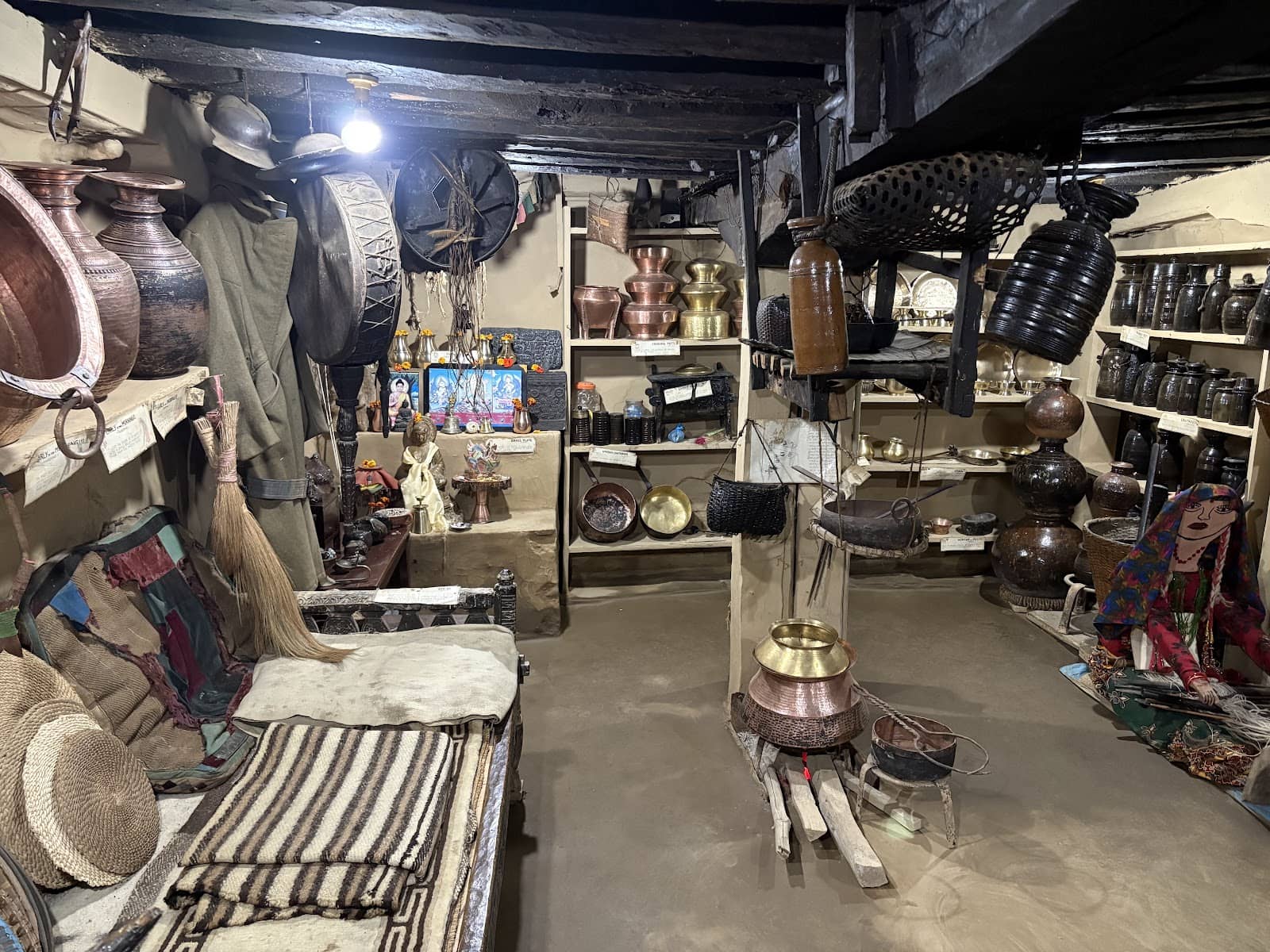
Traditional Gurung Utensils
Gurung Cultural Museum
See ancient tools and household items that tell stories of daily life and craftsmanship.
Gurung Deities and Beliefs
Gurung Cultural Museum
Explore exhibits dedicated to the spiritual practices and revered deities of the Gurung community.
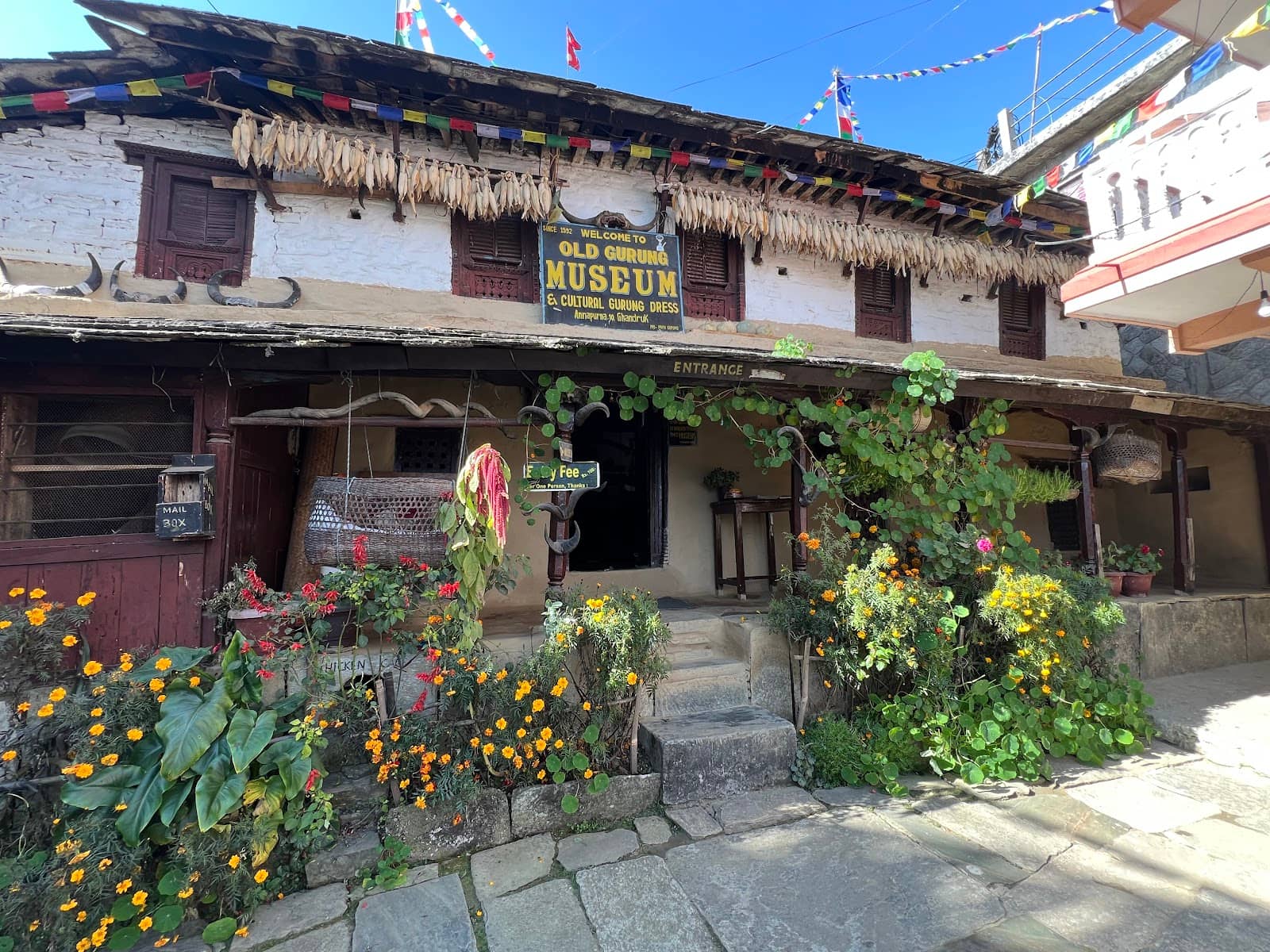
Old Gurung House Architecture
Gurung Cultural Museum
Step inside a preserved old house showcasing traditional Gurung architecture and living spaces.
Plans like a pro.
Thinks like you
Planning Your Visit
Embrace the Gurung Culture
Best Time to Visit Ghandruk
Best Times
Insider Tips
from TikTok, Instagram & Reddit
🎯 Entry Fee
Expect an entry fee of 100 Nepali Rupees to explore this cultural gem. 🎟️
📸 Capture the Culture
The village and museum offer stunning photo opportunities, especially with traditional attire. 
🚶♂️ Explore the Village
Combine your museum visit with a stroll through Ghandruk village to experience its charm.
🤝 Respectful Engagement
Engage with locals and learn about their traditions; some visitors have shared heartwarming interactions.
Tips
from all over the internet
🎯 Entry Fee
Expect an entry fee of 100 Nepali Rupees to explore this cultural gem. 🎟️
📸 Capture the Culture
The village and museum offer stunning photo opportunities, especially with traditional attire.
🚶♂️ Explore the Village
Combine your museum visit with a stroll through Ghandruk village to experience its charm.
🤝 Respectful Engagement
Engage with locals and learn about their traditions; some visitors have shared heartwarming interactions.
⛰️ Mountain Views
Enjoy spectacular views of the Annapurna mountain range from Ghandruk village. +1 :mountain_snow:
What Travellers Say
Reviews Summary
Visitors praise the Gurung Cultural Museum as a 'hidden gem' offering a valuable glimpse into the rich traditions and history of the Gurung people. The preserved artifacts and traditional house architecture are highlights, providing an authentic cultural experience. While some suggest more cautious preservation, the museum is considered a must-visit for anyone exploring Ghandruk village.
"History preserves with utmost care. Traditional Gurung, a very famous Nepali Tribe, cultural utensils, their old way of life and respected Deities are presented for visitors to observe. I reckon it could be preserved more cautiously for longer lasting."
Rajib Bala
"A hidden gem. Entry fee 100 Nepali rupees."
Ahtsham Abbasi
"Small museum in an old village, must visit place if you're going to ghandruk village"
raaz Khattri
What People Like
What People Dislike
Frequently Asked Questions
🚇 🗺️ Getting There
Ghandruk is accessible by road from Pokhara. You can hire a taxi or take a local bus. From the village entrance, it's a short walk to the museum. Many trekkers also pass through Ghandruk. +1
Yes, Ghandruk is a popular stop on many Annapurna region treks, offering stunning mountain vistas and cultural experiences. +2
You can take a jeep or a local bus from Pokhara. Jeeps are faster but more expensive. Buses are more budget-friendly. The journey offers scenic views.
Yes, several tour operators offer customized trips and treks to Ghandruk, often including visits to the museum. +2
The road to Ghandruk can be winding and sometimes unpaved, especially closer to the village. It's advisable to use a sturdy vehicle.
🎫 🎫 Tickets & Entry
The entry fee for the Gurung Cultural Museum is 100 Nepali Rupees per person.
While specific hours can vary, it's generally open during daylight hours when visitors are present in the village. It's best to check locally upon arrival.
Tickets are typically purchased at the museum entrance. Advance booking is usually not required for this local museum.
Information on separate photography fees is not widely available, but it's always good practice to be respectful and ask if unsure.
Information regarding discounts is not readily available. It's recommended to inquire at the ticket counter.
🎫 🧭 Onsite Experience
You'll find traditional Gurung utensils, artifacts showcasing their way of life, religious items, and insights into their history and culture. +1
Yes, children can learn about different cultures and history. The exhibits offer a visual and tangible connection to the past.
Allocate at least 1-2 hours to thoroughly explore the museum and appreciate the exhibits.
While not always formally advertised, local guides in Ghandruk village may offer insights into the museum's exhibits.
Wander through the stone-paved alleys, admire the traditional Gurung houses, and interact with the friendly locals.
🍽️ 🍽️ Food & Dining
Several local teahouses and restaurants in Ghandruk village offer traditional Nepali and Gurung cuisine. +1
Try Dal Bhat (lentil soup with rice), Gundruk (fermented leafy green vegetable), and local Gurung specialties.
Yes, Ghandruk is known for its homestay culture, offering authentic experiences and home-cooked meals. +1
Most local eateries offer vegetarian dishes, with Dal Bhat being a staple vegetarian meal.
Meals are generally affordable, with prices comparable to other tourist areas in Nepal. Expect to pay around 300-700 NPR for a meal.
📸 📸 Photography
The entire village offers picturesque views, especially the traditional houses, mountain backdrops, and the museum itself. +3
It's polite to ask for permission before photographing individuals, especially those in traditional attire.
Early mornings offer soft light and clear mountain views, while late afternoons provide golden hour light. +3
Generally, photography is allowed, but it's always wise to check for any specific signage or ask staff if you're unsure.
A versatile lens (like a 24-70mm) is useful for landscapes and village life. A wide-angle lens can capture the expansive mountain views. +1
Social
from TikTok, Instagram & Reddit