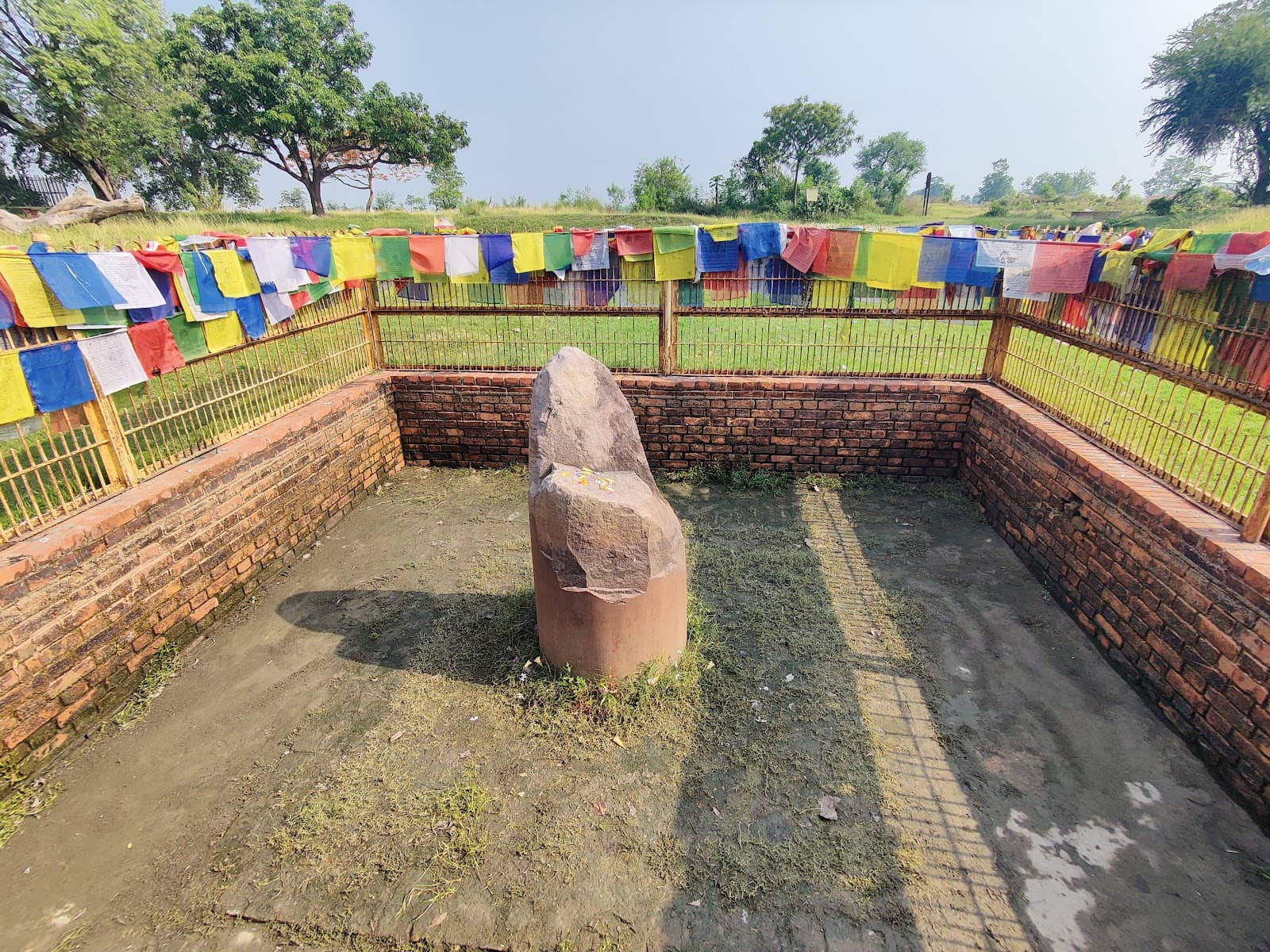
Gotihawa Stupa
Discover Gotihawa Stupa, the sacred birthplace of Buddha Kakusandh, marked by an ancient Asokan pillar. A site of deep historical and spiritual resona...
Highlights
Must-see attractions

Social
From TikTok & Reddit
Best Time
Beat the heat and crowds
Gotihawa Stupa
Best Time
Beat the heat and crowds
Highlights
Must-see attractions
Discover Gotihawa Stupa, the sacred birthplace of Buddha Kakusandh, marked by an ancient Asokan pillar. A site of deep historical and spiritual resonance.
"A place of profound historical and spiritual significance, marking the birthplace of Buddha Kakusandh."

Modest Dress Code
Cover shoulders & knees. Essential for respectful visits to this sacred site. :pray:
Comfortable Footwear
Wear comfy shoes for exploring the grounds. :athletic_shoe:
Highlights
Discover the most iconic attractions and experiences
Kakusandh Buddha's Birthplace
Stand where the ancient Buddha Kakusandh was born, a site of immense spiritual significance.
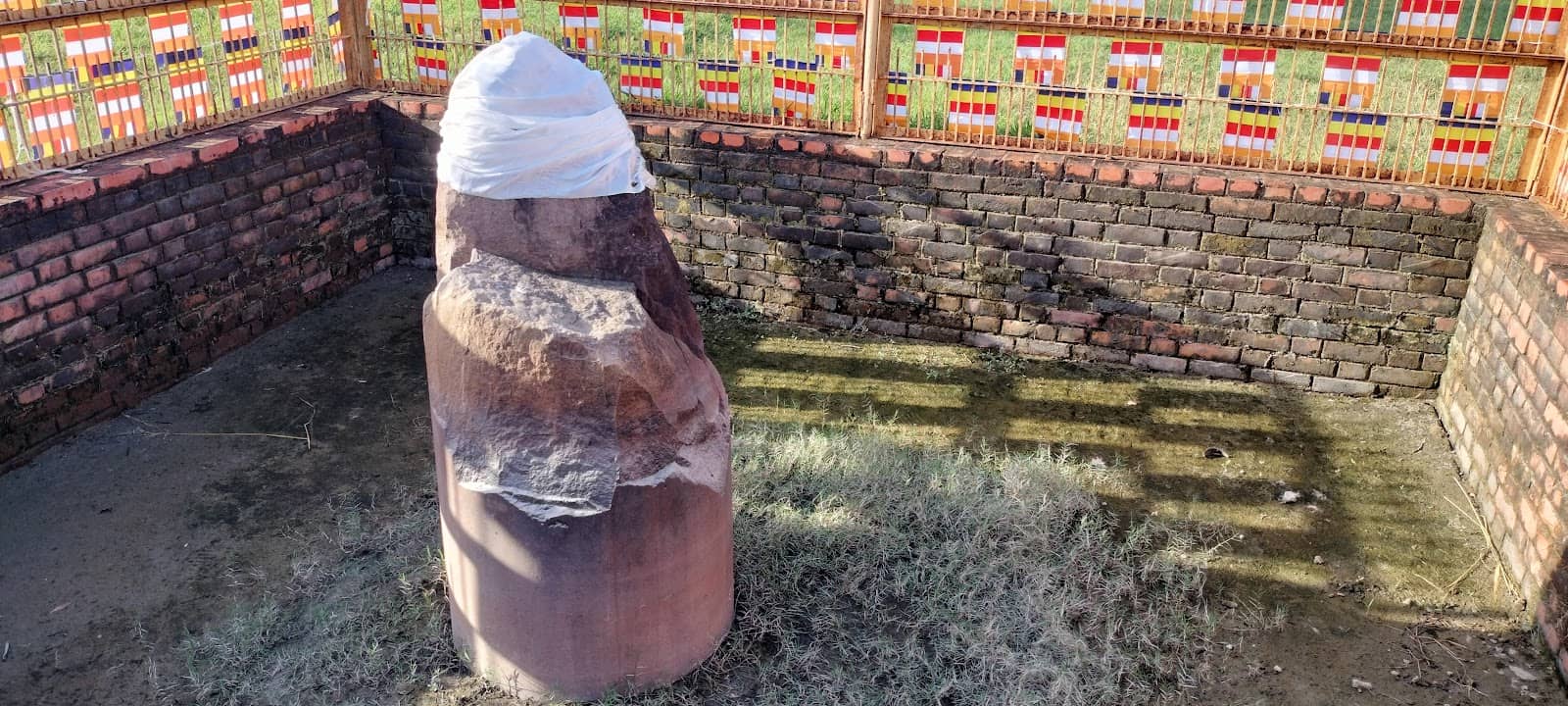
Asokan Pillar Fragment
See the remnants of a historically significant pillar erected by Emperor Ashoka.
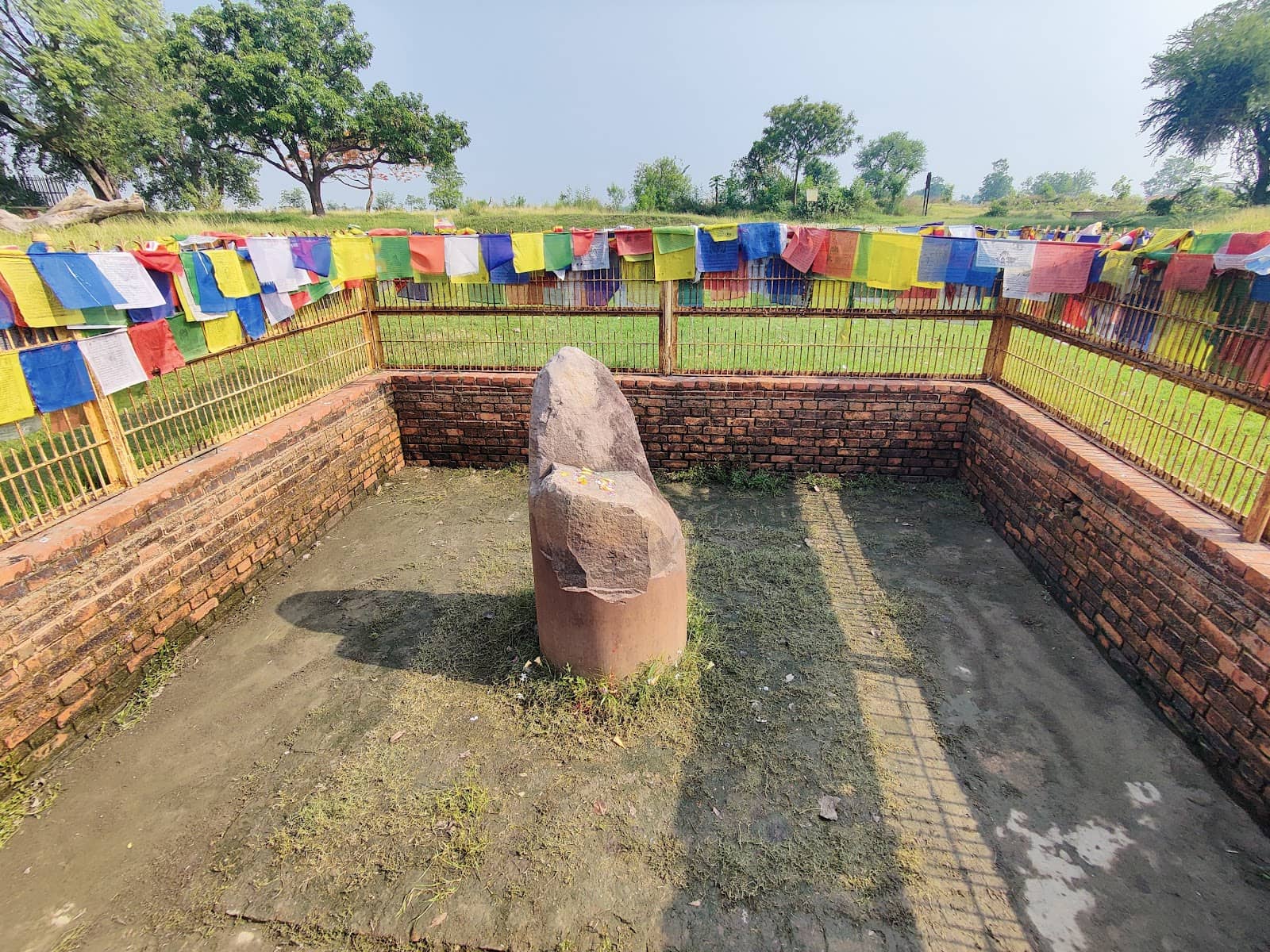
The Stupa Structure
Admire the ancient stupa, a dome-shaped structure revered in Buddhism.
Plans like a pro.
Thinks like you
Planning Your Visit
Respectful Attire is Key
Best Time for Serene Visits
Best Times
Insider Tips
from TikTok, Instagram & Reddit
Modest Dress Code
Cover shoulders & knees. Essential for respectful visits to this sacred site. :pray:
Comfortable Footwear
Wear comfy shoes for exploring the grounds. :athletic_shoe:
Hydration is Key
Carry water, especially during warmer months. :droplet:
Tips
from all over the internet
Modest Dress Code
Cover shoulders & knees. Essential for respectful visits to this sacred site. :pray:
Comfortable Footwear
Wear comfy shoes for exploring the grounds. :athletic_shoe:
Hydration is Key
Carry water, especially during warmer months. :droplet:
What Travellers Say
Reviews Summary
Visitors highlight Gotihawa Stupa's profound historical and spiritual significance as the birthplace of Buddha Kakusandh and the presence of the ancient Asokan pillar. While facilities are basic, the site offers a peaceful and authentic experience for pilgrims and history enthusiasts.
"Birth place of Kakusandh Budh (800 BCE). Asokan pillar is also seen which is now in broken state."
Pankaj Singh
""
Kushal Rajkarnikar
""
Radha Yadav
What People Like
What People Dislike
Frequently Asked Questions
🚇 🗺️ Getting There
Gotihawa Stupa is located near Kapilvastu in Nepal. You can reach it by hiring a taxi or local transport from nearby towns like Taulihawa. The nearest airport is Gautam Buddha Airport (Bhairahawa), from where you can arrange further transport.
Public transport options might be limited directly to the site. It's often more convenient to hire a private vehicle or join a guided tour that includes Gotihawa Stupa as part of a larger Lumbini circuit.
The distance between Lumbini and Gotihawa Stupa is relatively short. Hiring a taxi or a motorcycle is a popular and efficient way to make the journey, taking approximately 30-45 minutes.
🎫 🎫 Tickets & Entry
Generally, there is no entrance fee to visit Gotihawa Stupa itself, as it is an archaeological site. However, if you are visiting as part of a larger tour or entering a protected zone, there might be associated costs.
As an open archaeological site, Gotihawa Stupa does not have strict opening or closing hours. However, it is best to visit during daylight hours for safety and visibility.
No advance booking is required for Gotihawa Stupa as there is no formal ticketing system. You can visit at your convenience during daylight hours.
🎫 🧭 Onsite Experience
At Gotihawa Stupa, you can see the ancient stupa structure, the remnants of the Asokan pillar, and learn about its significance as the birthplace of Buddha Kakusandh. It's a place for quiet contemplation and historical exploration.
Yes, Gotihawa Stupa offers opportunities for photography, especially of the historical ruins and the surrounding landscape. Early morning or late afternoon light can be particularly beautiful.
Basic facilities might be limited directly at the Gotihawa Stupa site. It's advisable to use restrooms and purchase any necessities in nearby towns like Taulihawa before your visit.
A visit to Gotihawa Stupa can take about 1-2 hours, allowing time to explore the site, reflect, and take photographs. This can be extended if combined with nearby attractions.
🍽️ 🍽️ Food & Dining
Dining options directly at Gotihawa Stupa are scarce. You'll find more choices for local Nepali cuisine in Taulihawa or other nearby towns. It's recommended to eat before or after your visit.
Yes, you can bring your own food and drinks. However, please ensure you clean up after yourself and dispose of any waste responsibly to maintain the sanctity of the site.
📸 📸 Photography
The Asokan pillar fragment and the stupa itself are prime subjects. The surrounding rural landscape also offers picturesque views, especially during sunrise or sunset.
Generally, photography is allowed at Gotihawa Stupa. However, always be respectful of the site and any local customs. Avoid intrusive photography of any individuals.
For Different Travelers
Tailored advice for your travel style
Pilgrims and Spiritual Seekers
It's advisable to approach the site with reverence, dressing modestly and maintaining a respectful demeanor. Consider visiting during the early morning or late afternoon for a more serene and personal experience. The historical context provided by the Asokan pillar adds another layer to the spiritual significance of this ancient site.
History Enthusiasts and Archaeologists
Exploring Gotihawa allows for a tangible connection to the past, where you can visualize the historical events that unfolded here. While the site is not as developed as some other major archaeological parks, its authenticity and historical weight are undeniable. It's a place to appreciate the layers of history and the enduring impact of ancient civilizations.
Deep Dives
In-depth insights and expert knowledge
Historical Significance of Gotihawa
Archaeological excavations have revealed the foundations of a stupa and other structures, providing tangible links to the past. Visiting Gotihawa offers a unique opportunity to connect with the early history of Buddhism and to stand on ground hallowed by ancient spiritual events. The site is a testament to the enduring legacy of Buddhist teachings and the historical figures who shaped them.
Exploring the Gotihawa Site
Visitors often find the atmosphere at Gotihawa to be peaceful and contemplative, especially during the quieter hours of the day. It’s a place to reflect on the history and spiritual significance of the location. While there aren't extensive visitor facilities, the simplicity of the site adds to its authentic charm. Remember to wear comfortable shoes as you'll be walking on uneven ground.

Social
from TikTok, Instagram & Reddit