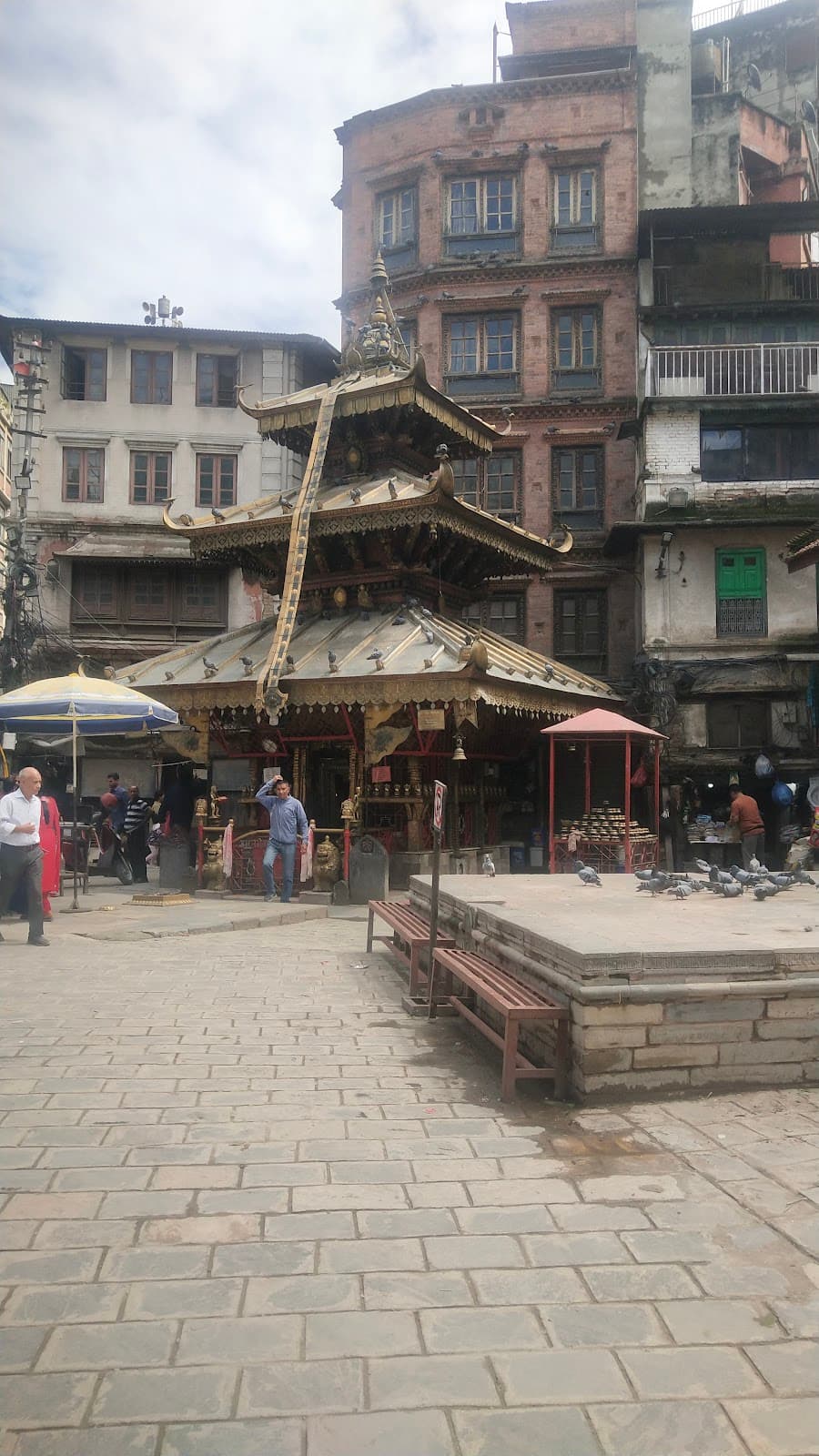
Asan Tole Kathmandu
Kathmandu's vibrant heart, Asan Tole is a historic marketplace alive with spices, traditions, and the pulse of local life.

Highlights
Must-see attractions

Social
From TikTok & Reddit
Best Time
Witness the market awaken
Asan Tole Kathmandu
Best Time
Witness the market awaken
Highlights
Must-see attractions
Kathmandu's vibrant heart, Asan Tole is a historic marketplace alive with spices, traditions, and the pulse of local life.
"The beating heart of old Kathmandu, where every alley hums with centuries of trade, tradition and tales."
🎯 Arrive Before Dawn
See Asan Tole come alive with vendors setting up. Best for experiencing local life and fresh produce.
🚶♀️ Heritage Walk Essential
Connects to Thahiti Chowk and Indra Chowk. Perfect for exploring Kathmandu's historic core.
Quick Facts
Rating
4.1 · 10 reviews
Type
Historical Landmark
Highlights
Discover the most iconic attractions and experiences
Annapurna Temple
Center of Asan Tole
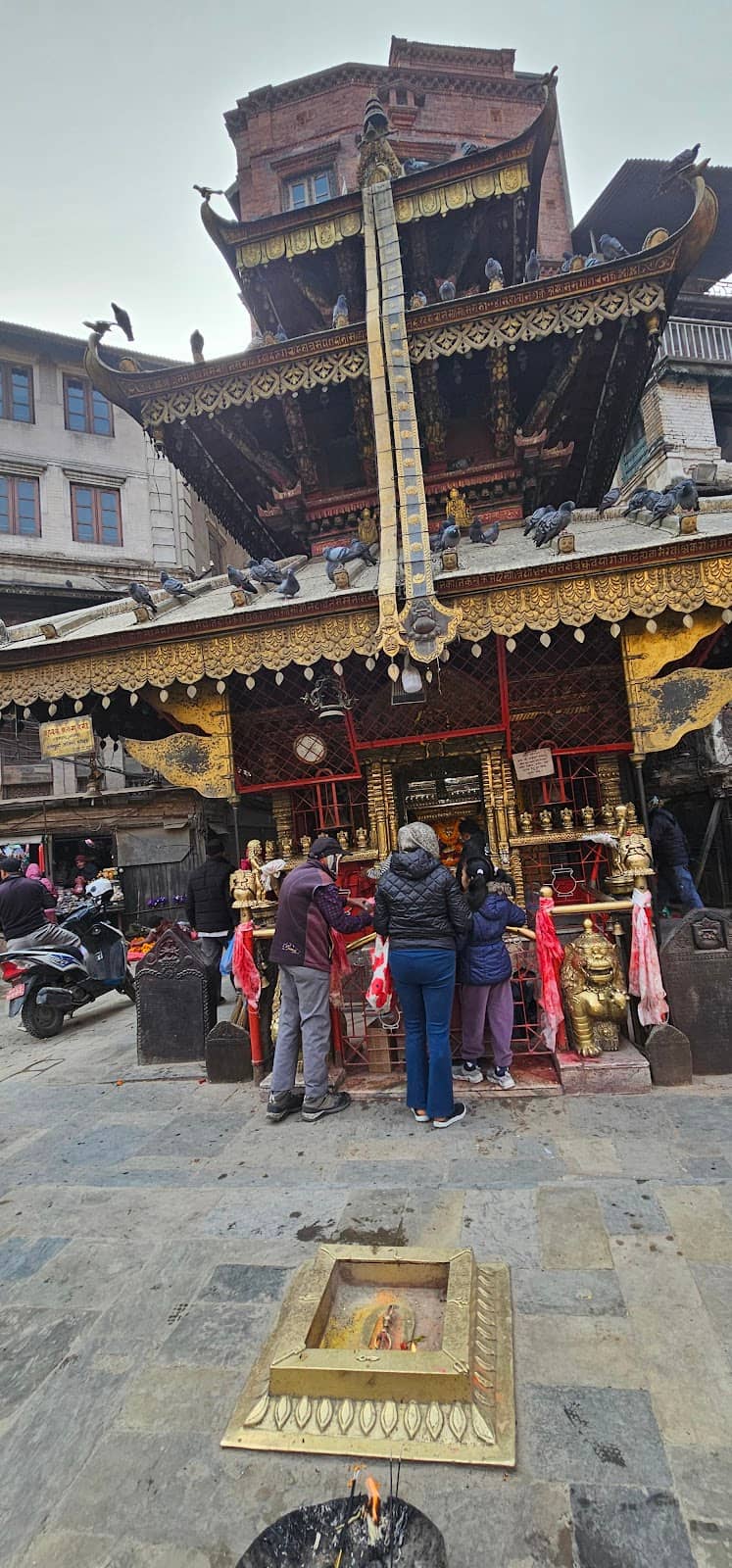
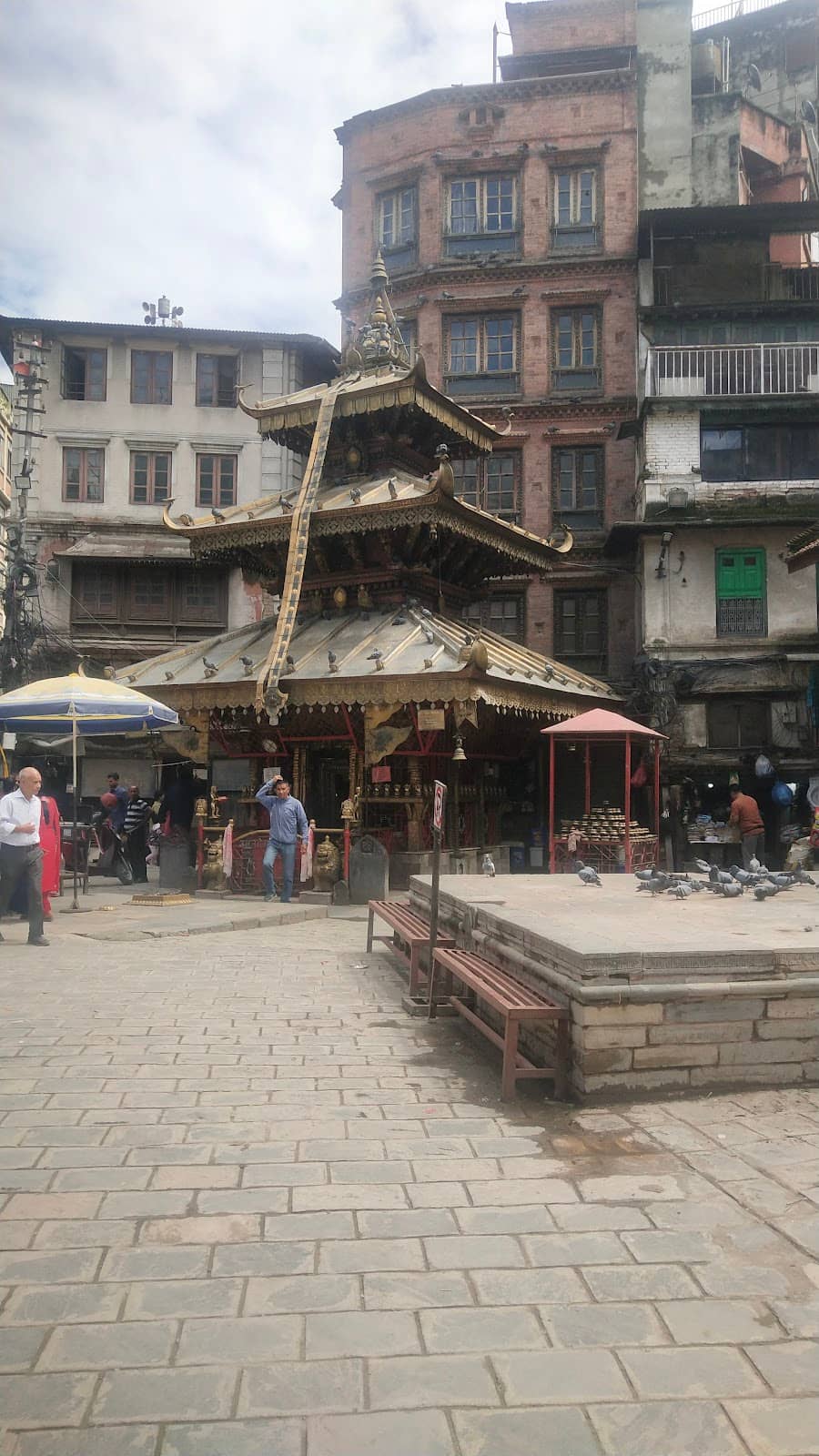
A stunning three-story Newari temple dedicated to the goddess of abundance. A spiritual and architectural gem.
The Bustling Marketplace
Throughout Asan Tole
Experience the heart of Kathmandu's trade, from fresh produce to spices and local crafts. A sensory overload!
Gilded Mouse Attendant
Opposite Maru Ganesh Temple
A unique and intriguing elongated mouse statue, a curious landmark in this historic square.
Plans like a pro.
Thinks like you
Planning Your Visit
Embrace the Morning Buzz
Respect Local Traditions
Best Times
Insider Tips
from TikTok, Instagram & Reddit
🎯 Arrive Before Dawn
See Asan Tole come alive with vendors setting up. Best for experiencing local life and fresh produce.
🚶♀️ Heritage Walk Essential
Connects to Thahiti Chowk and Indra Chowk. Perfect for exploring Kathmandu's historic core.
🛍️ Shop for Spices & More
Find everything from fresh vegetables to aromatic spices and local crafts.
🙏 Respect Sacred Spaces
Be mindful of temples and shrines. Offerings to Goddess Annapurna are traditional.
Tips
from all over the internet
🎯 Arrive Before Dawn
See Asan Tole come alive with vendors setting up. Best for experiencing local life and fresh produce.
🚶♀️ Heritage Walk Essential
Connects to Thahiti Chowk and Indra Chowk. Perfect for exploring Kathmandu's historic core.
🛍️ Shop for Spices & More
Find everything from fresh vegetables to aromatic spices and local crafts.
🙏 Respect Sacred Spaces
Be mindful of temples and shrines. Offerings to Goddess Annapurna are traditional.
📸 Capture the Vibe
The vibrant colors and bustling activity make for incredible photos.
What Travellers Say
Reviews Summary
Asan Tole is celebrated as the vibrant heart of old Kathmandu, offering an authentic glimpse into local life and commerce. Visitors praise its bustling marketplace, rich history, and the spiritual ambiance surrounding its numerous temples, especially the Annapurna Temple. However, the intense crowds during peak hours can be overwhelming for some.
"Located just south of Thahiti Chowk, Ason Tol (Chowk) is an exceptional place to pass through if you're on a heritage walk through Kathmandu Durbar square as it later links to Indra Chowk through six roads. The center of the chowk is mainly a hustling bustling local marketplace. While it is old, the marketplace is very active and there are temples and shrines surrounding the area. The 3 storey Annapurna temple is the most famous temple here. By three in the morning, Ason streets come alive as tea sellers get to work.
Fresh vegetables brought from Kathmandu valley can also be found earlier in the morning. Ason gets unimaginably crowded during late afternoons and late mornings, so if you're planning to do a heritage walk, you should start as soon as possible. Ason also has a gilded mouse attendant that is opposite to the Maru Ganesh temple. Along the walls of Kathmandu, you'll see it as an elongated mouse statue.
According to tradition, the rice sold in Ason Chowk must first be offered to Goddess Annapurna. While Saturdays are good for heritage walks, most vendors take a day off during it. So Ason will not have the same vibe it carries during the rest of the week.
Table of Contents
History of Ason
Places to Visit Inside Ason Bazaar
The Annapurna Temple
Ganesh Temple
Narayan Temple
Kumari Bhairav Shrine
Celestial Fish
Things to Shop in Ason Bazaar (Market)
Directions to Ason
Plan your trip to Nepal
Customize your trip with help from a local travel specialist.
Customize Trip
History of Ason
While nobody knows for sure the history of Ason chowk, it was a small market square at the start of the 20th century. After the construction of the Annapurna temple during the Malla era, Ason's popularity shot skywards. Nobody can exactly pinpoint where the name Ason came from, but some people believe that a trader said: "Ana San" which translates to nearby when asked where he came from while he was resting. Another local lore suggests that the name was adapted from an old Ashok tree which used to stand in the square.
It is most likely that its name came from a combination of things including a building named Ashwok mandap that is there. Ason Chowk market is the most bustling market you'll find in Kathmandu city. An ancient market surviving headstrong in modern times, Ason Chowk is filled to the brim with a miscellany of items from fresh vegetables to spices and curios. There are also many temples and shrines surrounding the main square of Ason chowk.
In the olden days, Ason once was a major rice market from where you could get a variety of rice, near the Annapurna temple along with beans, lentils, and beaten rice. Sacks filled with foodstuff would be overflowing here in the olden days. Traditions demanded that Goddess Annapurna had to be offered a certain amount of rice as an offering by sellers before it could be sold as a way of ensuring good trade for the day.
In the old days, Ason really was the center of Kathmandu city and people all the way from Nuwakot, Sankhu and Thankot used to come here to buy and sell goods as there was no other significant market at that time.
A major role in the lives of locals has been played by platforms (Dabalis) since ancient times. They were the heart and soul of entertainment and rituals during festivals. Chariots of gods rode through, and religious dances were performed in the Dabali in front of the Annapurna temple. In the olden days, if someone had to exchange money then they used to visit the Dabali. But the days have changed and now the platform is used by incense selling merchants during the day. The big Satal is now used by policemen to provide security while previously it was used for people to gather and sing religious hymns.
Places to Visit Inside Ason Bazaar
The Annapurna Temple
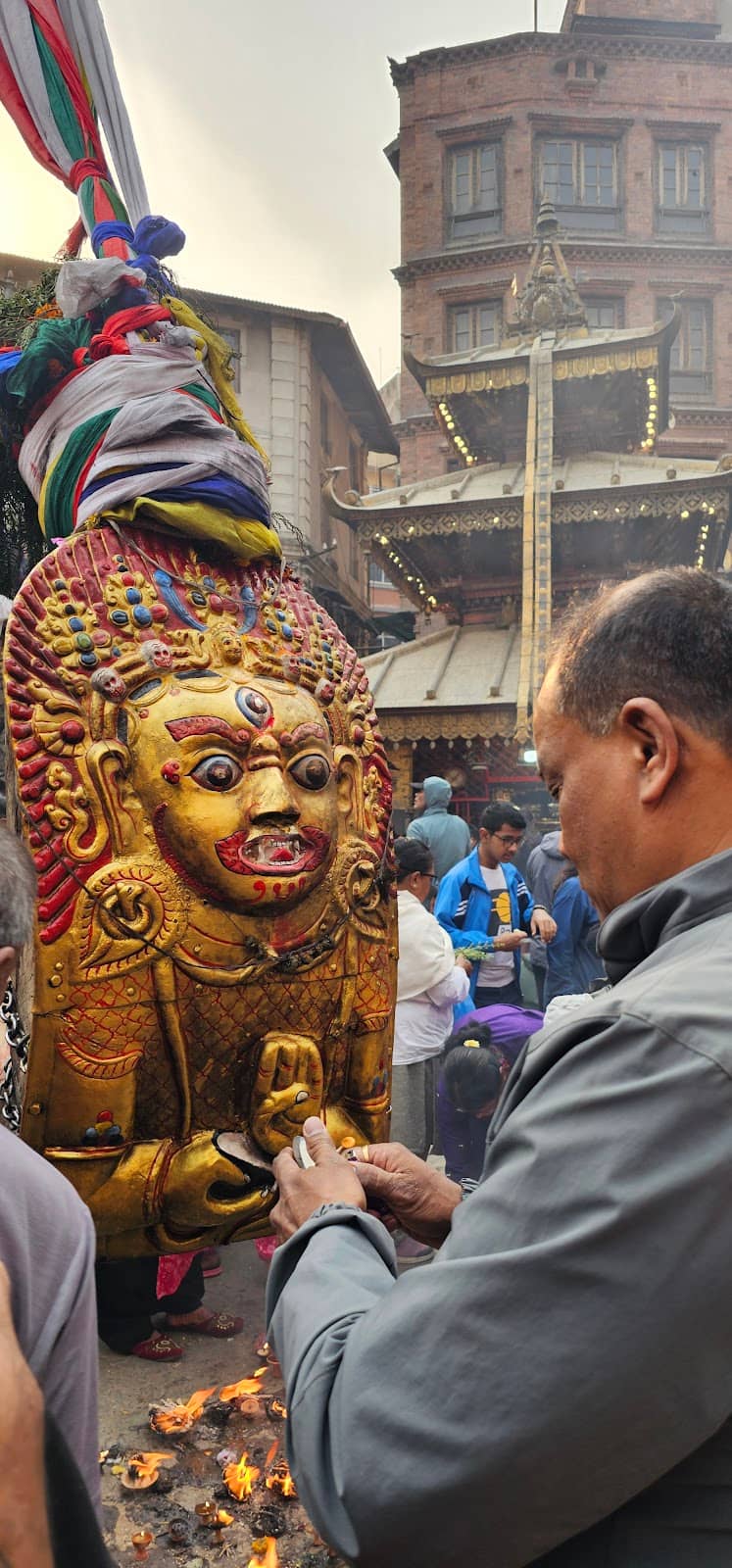
This three-storey Newari style temple is the most popular temple in Ason chowk and has a rich history. Elaborated torans, mirrors, lamps, plates and statues decorate the spaces of this temple. The surprising thing is that there is no deity inside, instead, there is a Kalas (tantric silver"
Bimal Sundas
"Wow fast survice"
Roshan Shrestha
"Nice place"
Bijay Chaudhary
What People Like
What People Dislike
Frequently Asked Questions
🚇 🗺️ Getting There
Asan Tole is centrally located in Kathmandu, south of Thahiti Chowk and a key junction connecting to Indra Chowk. It's easily accessible by taxi or local bus. Many heritage walks also pass through this vibrant square.
Yes, Asan Tole is a pleasant walk from Kathmandu Durbar Square, often incorporated into heritage tours of the city. It's a great way to soak in the atmosphere.
The best way to navigate Asan Tole is on foot. Be prepared for crowds, especially during peak hours. Early mornings offer a more relaxed experience.
Parking can be challenging in the narrow streets of old Kathmandu. It's advisable to use taxis or public transport and walk to Asan Tole.
Yes, ride-sharing apps like Pathao are widely used in Kathmandu and can be a convenient way to reach Asan Tole.
🎫 🎫 Tickets & Entry
Asan Tole is a public square and marketplace, so there is no entrance fee to visit. You can explore freely.
Asan Tole is always accessible, but the marketplace is most active from early morning (around 3 AM for some vendors) until late evening.
To avoid the biggest crowds, aim for very early mornings (before 7 AM) or later in the evening. Late mornings and afternoons are exceptionally busy.
No, no advance booking is required to visit Asan Tole. It's a spontaneous experience.
Generally, photography is allowed, but it's always respectful to ask permission before taking close-up photos of individuals, especially vendors or those in religious attire.
🎫 🛍️ Shopping & Souvenirs
Asan Tole is famous for its fresh produce, a wide variety of spices, herbs, traditional Newari crafts, metalwork, and religious items. You can find unique souvenirs here.
Bargaining is common in local markets like Asan Tole, especially for non-fixed price items. Be polite and have a fair price in mind.
Asan Tole is a prime spot for authentic Nepali spices. Look for stalls piled high with colorful powders and dried herbs.
Traditionally, rice sold in Asan Chowk must first be offered to Goddess Annapurna, ensuring good trade.
Popular souvenirs include prayer flags, singing bowls, local handicrafts, and unique spice blends.
📸 📸 Photography
Capture the vibrant market scenes, colorful spice stalls, intricate temple architecture, and the daily life of locals. The early morning light is particularly beautiful. 
It's best to ask for permission before taking close-up photos of individuals, especially vendors or those engaged in religious activities.
Early morning offers soft light and a less crowded scene, ideal for capturing the essence of the market. Late afternoon can also be dramatic with golden hour light.
The Annapurna Temple, the gilded mouse attendant, and the various shrines scattered throughout the square are excellent photographic subjects.
A versatile lens (like a 24-70mm) is useful for capturing both wide market scenes and details. A wider lens can be good for the bustling crowds.
Social
from TikTok, Instagram & Reddit