Museum BroekerVeiling Broek op Langedijk
Experience the world's last sail-in vegetable auction! Bid on produce, tour canals, and uncover Dutch agricultural history.
Highlights
Must-see attractions

Social
From TikTok & Reddit
Best Time
Fewer crowds, better auction seats
Museum BroekerVeiling Broek op Langedijk
Best Time
Fewer crowds, better auction seats
Highlights
Must-see attractions
Experience the world's last sail-in vegetable auction! Bid on produce, tour canals, and uncover Dutch agricultural history.
"A delightful open-air museum, a must for those who seek a day out in the open."
🎯 Bid on Produce!
Participate in the live auction for a fun, interactive experience. You might snag some fresh veggies!
🚤 Take the Boat Tour
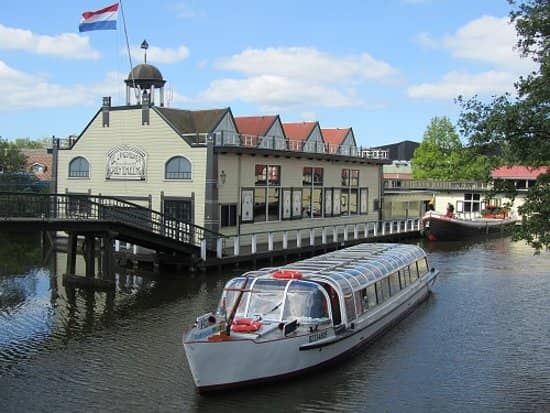
A canal boat tour offers a unique perspective of the polder and its history.
Quick Facts
Hours
Rating
4.5 · 1,973 reviews
Type
Museum
Highlights
Discover the most iconic attractions and experiences
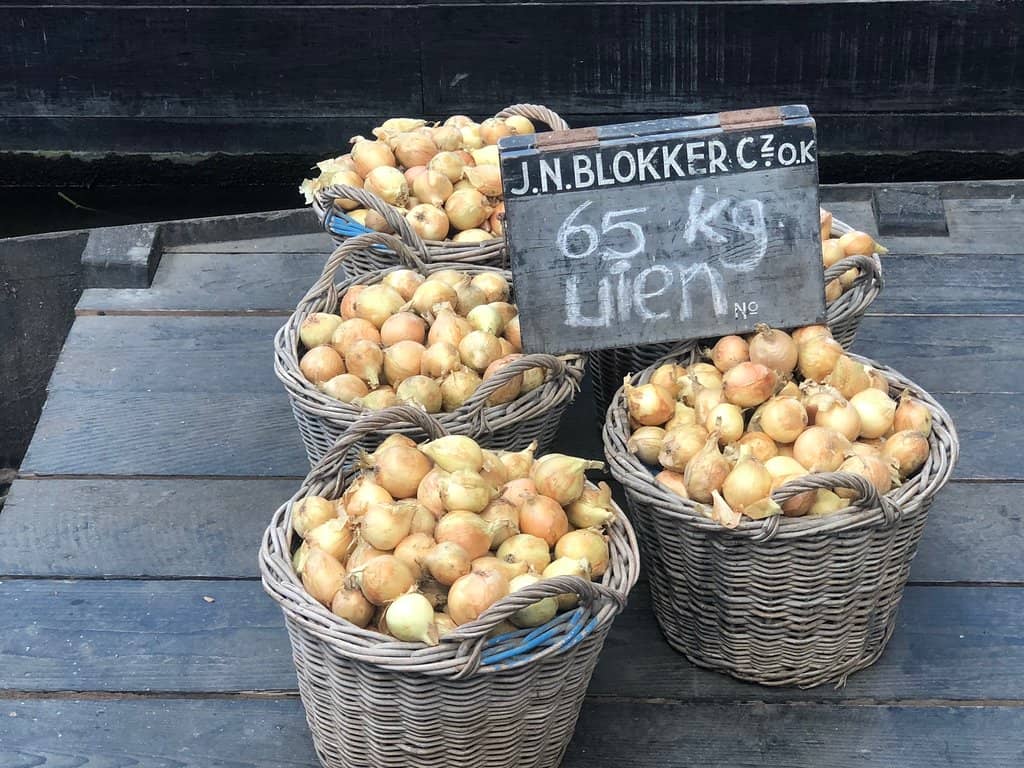
Live Vegetable Auction
Auction Hall
Bid on fresh produce in a historic sail-in auction. Experience a unique piece of Dutch history!
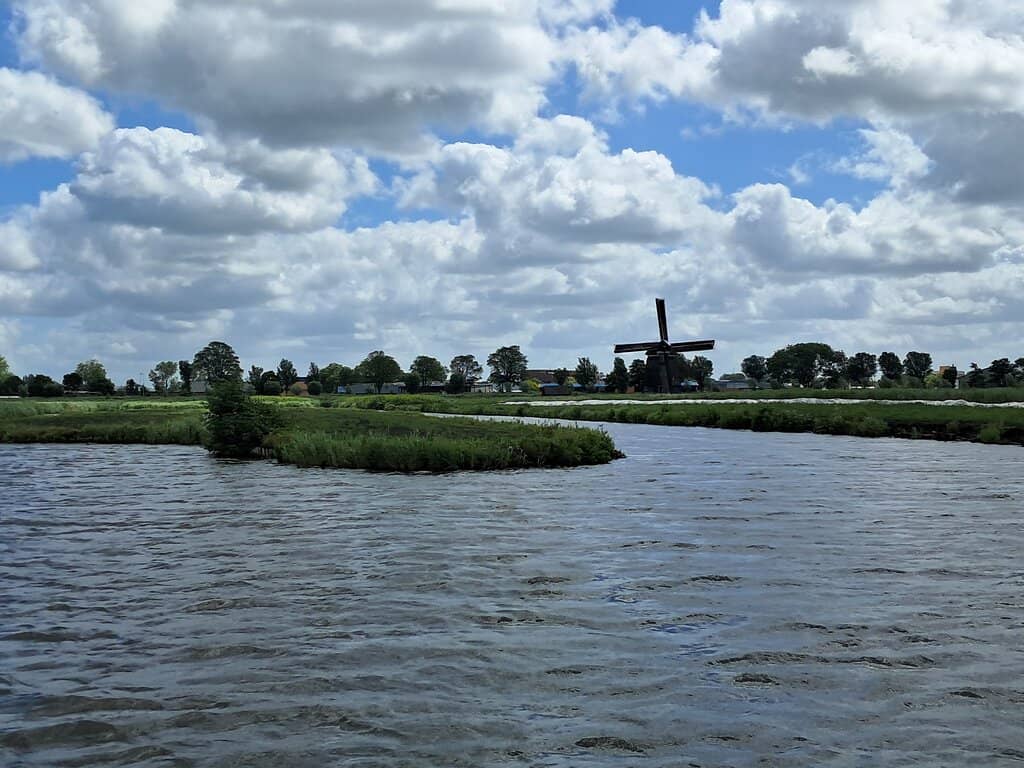
Canal Boat Tour
Museum grounds
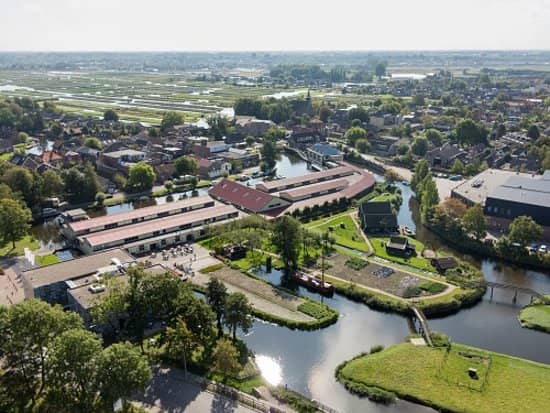
Explore the picturesque polder landscape and learn about vegetable cultivation from the water.
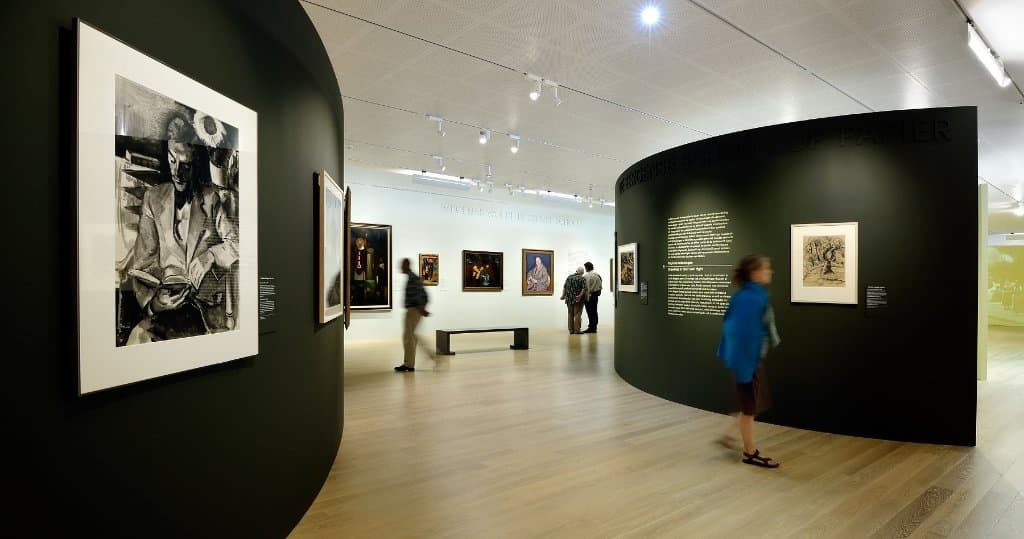
Historical Exhibits
Museum building
Discover how the Netherlands became a leading vegetable producer through engaging displays.
Plans like a pro.
Thinks like you
Planning Your Visit
Timing is Key for Auctions
Embrace the Full Experience
Best Times
Insider Tips
from TikTok, Instagram & Reddit
🎯 Bid on Produce!
Participate in the live auction for a fun, interactive experience. You might snag some fresh veggies!
🚤 Take the Boat Tour
A canal boat tour offers a unique perspective of the polder and its history.
Leuke uitjes in NL
Hi allemaal, Later dit jaar krijg ik een gast uit het buitenland die hier nog nooit is geweest. Zij heeft mij gevraagd haar ‘gids’ te zijn. We zullen samen door NL dingen ondernemen met het OV. Nu ben ik aan het bedenken wat we kunnen doen of zien. Haar interesses: - Museums…
⏳ Allow Ample Time
Plan for 3-4 hours to fully explore exhibits, join tours, and enjoy the cafe.
🗣️ Multilingual Audio Guides
Audio guides are available in several languages, enhancing the learning experience.
Tips
from all over the internet
🎯 Bid on Produce!
Participate in the live auction for a fun, interactive experience. You might snag some fresh veggies!
🚤 Take the Boat Tour
A canal boat tour offers a unique perspective of the polder and its history.
⏳ Allow Ample Time
Plan for 3-4 hours to fully explore exhibits, join tours, and enjoy the cafe.
🗣️ Multilingual Audio Guides
Audio guides are available in several languages, enhancing the learning experience.
☕ Relax at the Cafe
Enjoy a coffee or lunch at the on-site cafe after your visit.
What Travellers Say
Reviews Summary
Visitors consistently praise Museum BroekerVeiling for its unique historical experience, particularly the live vegetable auction and canal boat tours. The enthusiastic and knowledgeable volunteers are frequently highlighted as a major asset, making the museum engaging for all ages. While the ticket price is noted, most feel the immersive and educational value justifies the cost.
"At this museum you will find out how Netherlands became the most fruitful vegetable country in the world. You will need about 3-4 hours to enjoy all the information provided. Tickets around 20 euro/person. Here is how everything began:
The auction was founded on July 29, 1887 at the Bakkersbrug. The auction traded mainly kool that by ship to, among other things Amsterdam was transported. The auction took place in the open air. A jetty and a channel were added, allowing the auction to be more orderly. A horticultural cooperative was founded in 1896 and two years later, in addition to a butcher, a judge appointed. The jetty was covered. In 1907 the auction traded for 700,000 guilders. That year the auction received a train connection via the railway line St. Pancras - Broek op Langedijk this also made transport to Rotterdam, among others, possible. In 1911 the annual turnover was almost 3 million guilders.
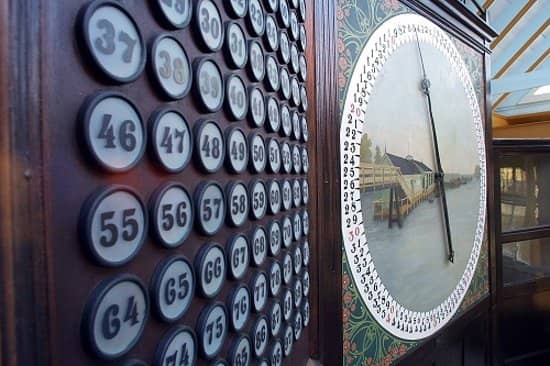
In 1912, the old auction building was replaced according to a design by W. Dirkmaat Jz. and Joh. Big. The auction building was built above the water on wooden poles, allowing gardeners to sail through the mining hall (auction room) with their barges loaded with vegetables. It was therefore also called a passage auction. The previously purchased mechanical equipment was installed in the mining hall auction clock from 1903 placed above the passage. This clock can be stopped via buttons at the 100 seats for buyers. Auctions were by boatload. The order of the boats was determined by drawing lots. On July 29, 1912, the auction room was festively opened by the Queen's Commissioner of North Holland.
In 1922 the building was expanded with a light hall above the water for boats. It acts as a covered port so that the products were no longer exposed to bright sun, rain and other weather influences while waiting. In 1925, an entrance and a second light hall were built, creating a total of 200 berths.
Due to land consolidation in the 1960s, the importance of water transport decreased. The auction merged in 1968 with the auction of Warmenhuizen and Noord-Scharwoude to form “auction Langedijk and Omstreek” and chose the auction building in Noord-Scharwoude as its head office. The passage auction was closed in 1973. The auction activities later merged with the West Friesland-Oost auction, today The Greenery.
The auction complex had hardly changed in those years. After closure, it was purchased by the municipality in 1973 with the aim of turning it into a monument. In 1975 it was announced that the central government was making money available for the restoration of the auction building. It has been on the national monument list since 1976.[5] The restored auction building was officially opened by Princess Beatrix in 1979.
Worth visiting!!!"
Alexandru Gavrilă
"This museum will surprise you. Lots of living history elements, presented by enthousiastic, funny and well versed volunteers. Join in on a real auction, and take a 45 minute tour on a canalboat, exploring the area which yielded the vegs for the auction.
Audio guides in multiple languages are available. There's also a nice tea/lunchroom and gift shop. Would recommend."
Tijmen Noordegraaf
"I always admired Dutch museums but this one won all the points. For a short time you can learn so much. Both adults and children enjoy it. Thank you to all volunteers working there."
Vera Ore
What People Like
What People Dislike
Frequently Asked Questions
🚇 🗺️ Getting There
Museum BroekerVeiling is accessible by public transport. From Alkmaar or Heerhugowaard train stations, you can take a bus towards Broek op Langedijk. Check local bus schedules for the most up-to-date routes and times.
Yes, there is parking available for visitors at the museum. It's convenient for those traveling by car.
Absolutely! Cycling is a popular way to explore the Netherlands, and there are often bike paths leading to attractions like Museum BroekerVeiling.
From Amsterdam, you can take a train to Alkmaar or Heerhugowaard and then transfer to a local bus. The journey offers a glimpse into the Dutch countryside.
While the historic nature of the building might present some challenges, the museum strives to be accessible. It's advisable to contact them directly for specific accessibility information.
🎫 🎫 Tickets & Entry
Ticket prices are around 20 euros per person. It's recommended to check their official website for the most current pricing and any potential discounts.
While not always mandatory, booking tickets in advance is a good idea, especially during peak season or if you want to guarantee a spot for a specific auction time.
Opening hours can vary seasonally. It's best to check the museum's official website for the most accurate and up-to-date opening times before your visit.
The museum may offer discounts for groups or special packages. Inquire directly with the museum or check their website for details on group bookings.
Yes, the Museumkaart is often accepted at Museum BroekerVeiling, providing free entry. Always confirm acceptance with the museum directly.
🎫 🧭 Onsite Experience
The canal boat tour typically lasts around 45 minutes, offering a scenic exploration of the surrounding waters and landscape.
Yes, visitors are encouraged to participate in the live vegetable auction. It's a highlight of the museum experience and a chance to bid on fresh produce.
Yes, enthusiastic volunteers often provide guided tours, and audio guides are available in multiple languages to enhance your understanding of the exhibits.
You'll find exhibits detailing the history of Dutch vegetable cultivation, the workings of the auction house, and the evolution of agricultural practices.
Yes, there is a gift shop where you can purchase souvenirs and local products.
🍽️ 🍽️ Food & Dining
Yes, the museum has a pleasant tea/lunchroom where you can enjoy refreshments and light meals.
Generally, it's best to consume food and drinks in designated areas like the cafe. Check the museum's policy on outside food.
The cafe typically offers a selection of snacks and light meals. It's advisable to inquire about specific dietary options upon arrival.
You can expect typical cafe fare, including coffee, tea, pastries, and light lunches, perfect for a break during your visit.
While there might not be designated picnic areas, the surrounding polder landscape offers scenic spots for a picnic if permitted.
📸 📸 Photography
Photography for personal use is generally allowed in most areas, but it's always good to check for any specific restrictions, especially in exhibition areas.
The auction hall with its historic clock, the canal boats, and the picturesque polder landscape during the boat tour are excellent photo opportunities.
Yes, capturing the energy of the live auction is encouraged, but be mindful of other visitors and the auctioneer.
Drone usage is typically restricted in and around museums and public attractions. It's best to assume drones are not permitted unless explicitly stated otherwise.
The lighting varies; the auction hall has a historic ambiance, while the boat tour offers natural daylight. Be prepared for different lighting conditions.


Social
from TikTok, Instagram & Reddit