Museum Sophiahof Indisch
Explore the poignant stories of Indonesian migration to the Netherlands post-WWII, a vital part of Dutch history.

Highlights
Must-see attractions

Social
From TikTok & Reddit
Best Time
Fewer crowds, more reflection
Museum Sophiahof Indisch
Best Time
Fewer crowds, more reflection
Highlights
Must-see attractions
Explore the poignant stories of Indonesian migration to the Netherlands post-WWII, a vital part of Dutch history.
"Highly recommended for its gripping personal stories and essential audio tour."
🎧 Don't Skip the Audio Tour
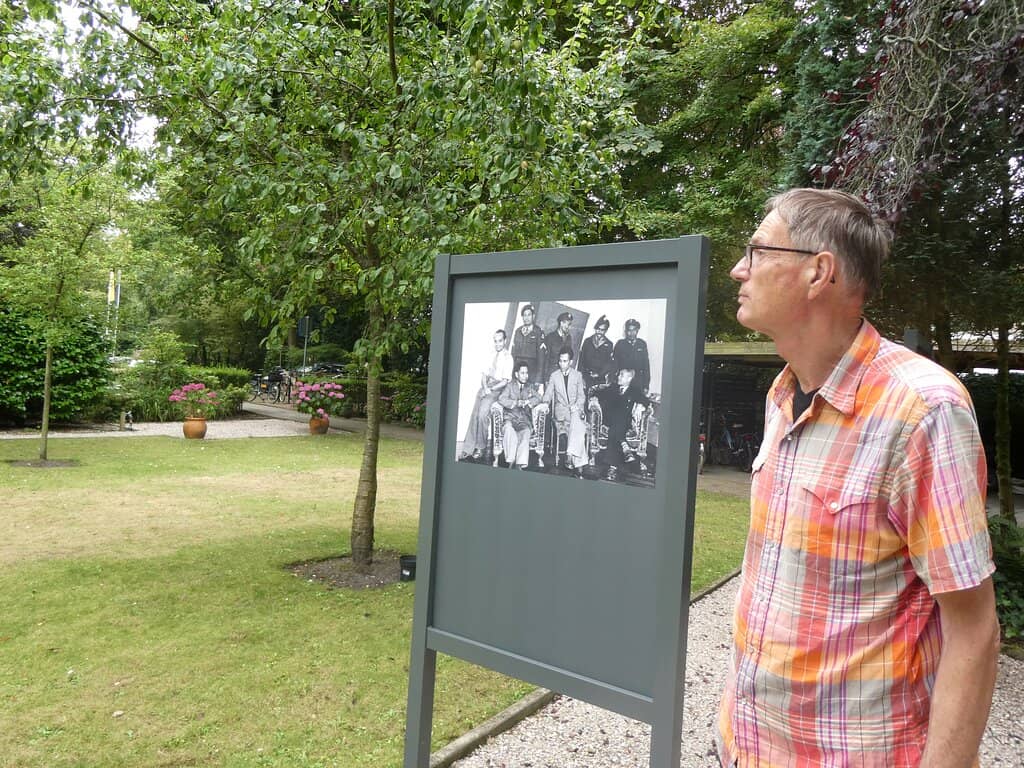
Essential for understanding the personal stories and historical context. Available in Dutch & English.
🕰️ Allow Ample Time
There's a lot to absorb; plan for at least 1.5-2 hours to truly engage with the exhibits.
Quick Facts
Hours
Rating
4.5 · 251 reviews
Type
Museum
Highlights
Discover the most iconic attractions and experiences
The Audio Tour Experience
Immerse yourself in gripping personal stories of migration and WWII through an essential audio guide.
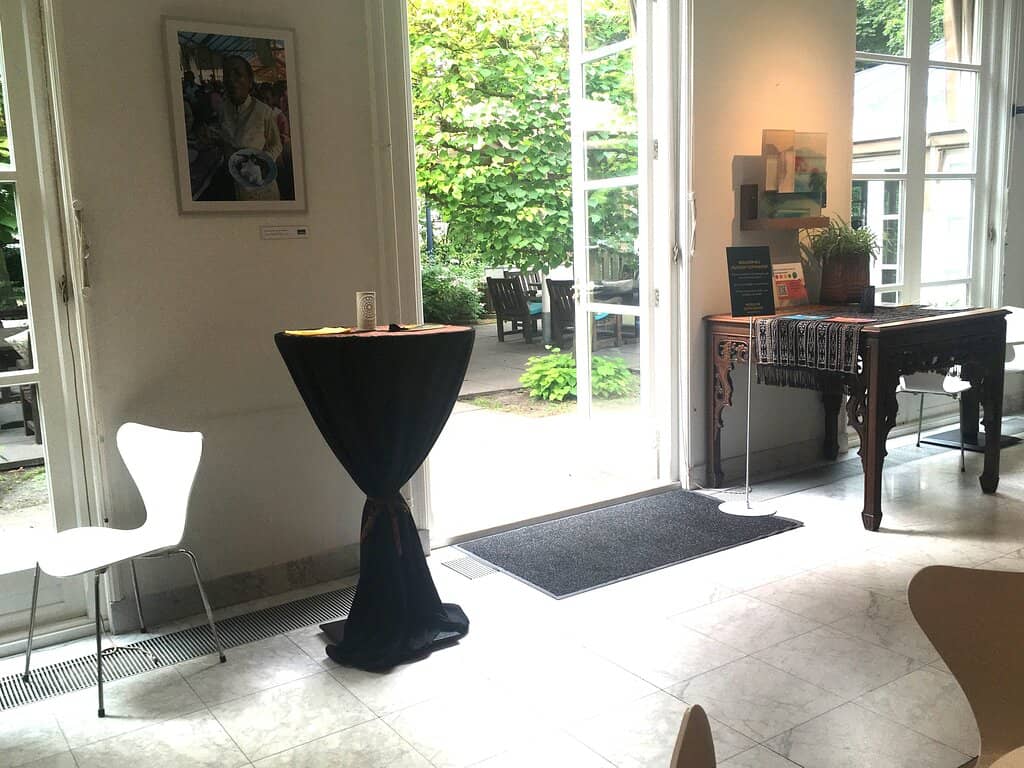
Decolonization Narratives
Explore the profound history of Indonesia's decolonization and its enduring influence.
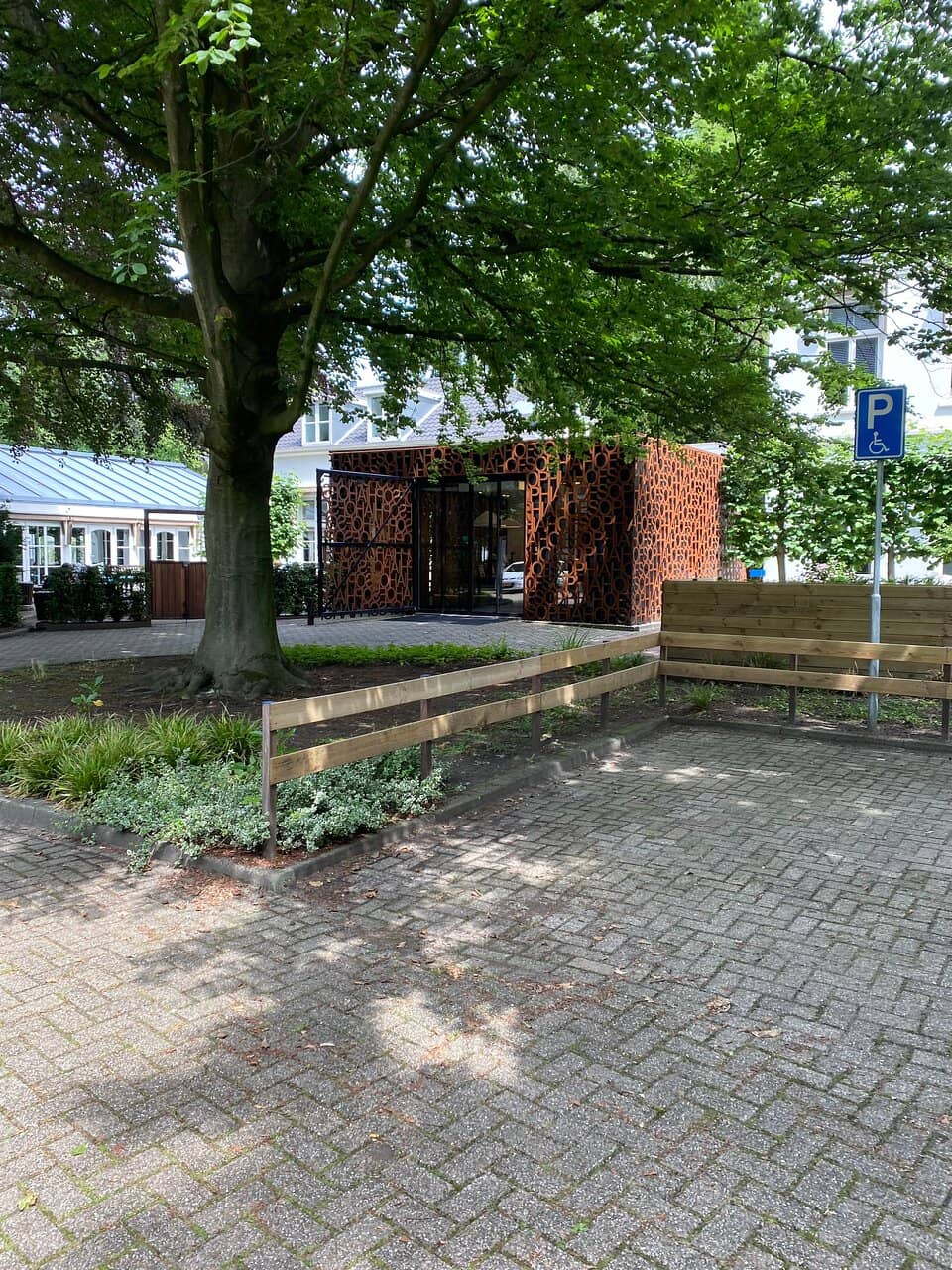
Dutch-Indonesian Heritage
Discover the rich cultural tapestry woven by the Dutch-Indonesian community.
Plans like a pro.
Thinks like you
Planning Your Visit
Embrace the Stories
Connect with History
Best Times
Insider Tips
from TikTok, Instagram & Reddit
🎧 Don't Skip the Audio Tour
Essential for understanding the personal stories and historical context. Available in Dutch & English.
🕰️ Allow Ample Time
There's a lot to absorb; plan for at least 1.5-2 hours to truly engage with the exhibits.
1 week in Den Haag, what to do?
Hello there, I'll be visiting Den Haag mid/end June for a week. What are some must do's apart from perhaps going to the beach, wandering around town confused and trying to use my uitstekend (or rather almost nonexistent) Dutch skills? I'm interested in books, history, art,…
The Hague in one day - what are some of the must visit places?
Hi! I'll be using the days off+the weekend to visit Utrecht+the Hague (I'll be the Hague only for 1 day, on Saturday), and I was wondering if you can suggest a few nice and fun things to try out or places to visit . Apparently, there are a lot of nice tourist places to check…
🤝 Connect with Archives
The knowledge center is excellent for researching family history and hard-to-find records.
🏛️ Explore the Villa
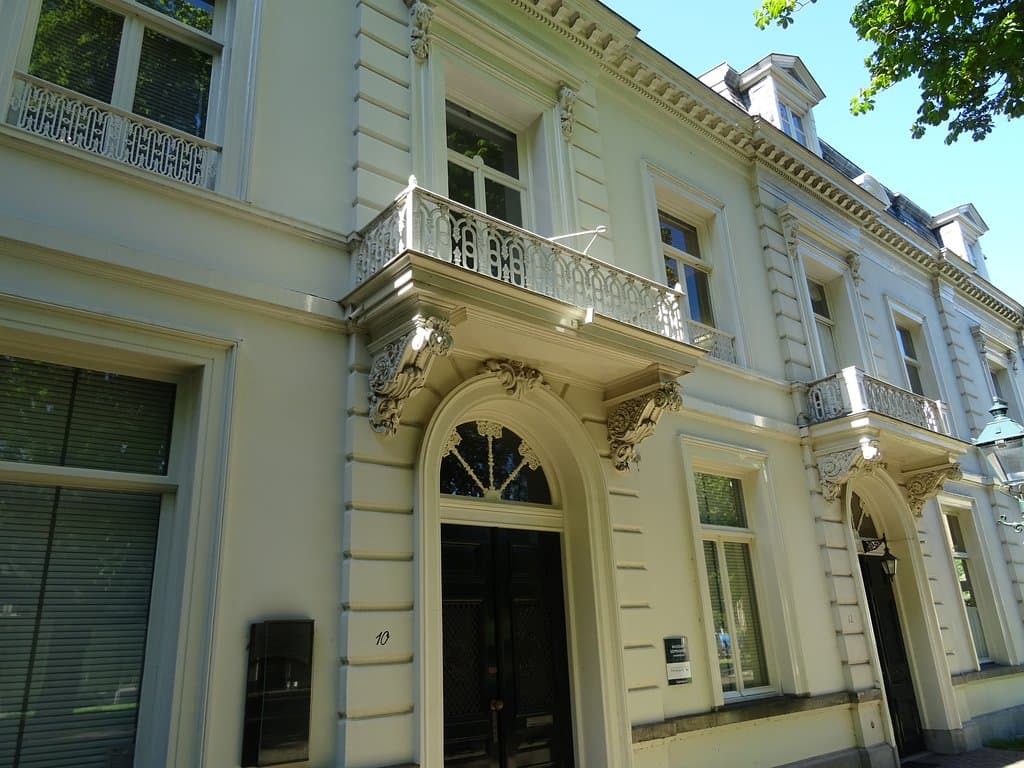
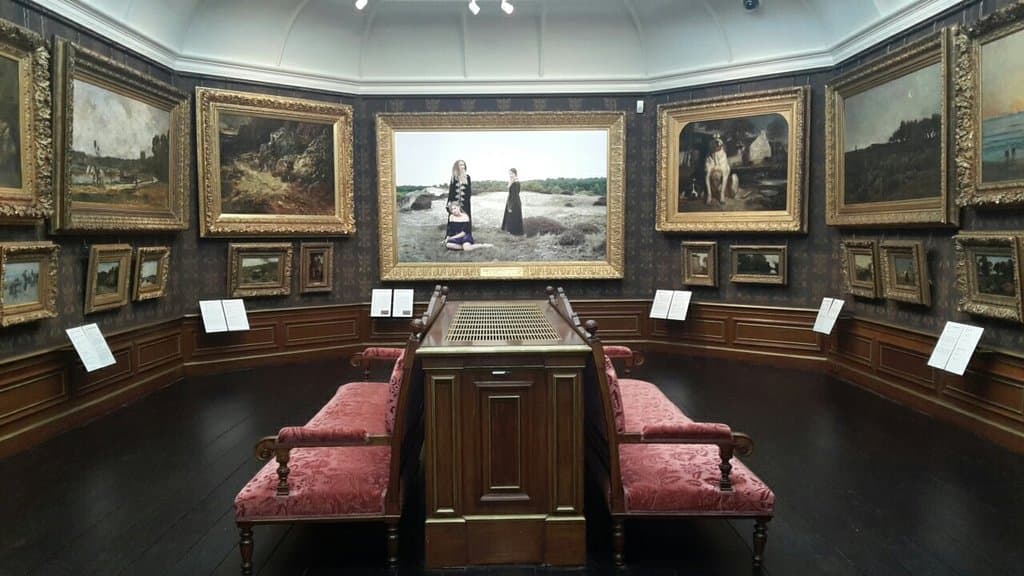
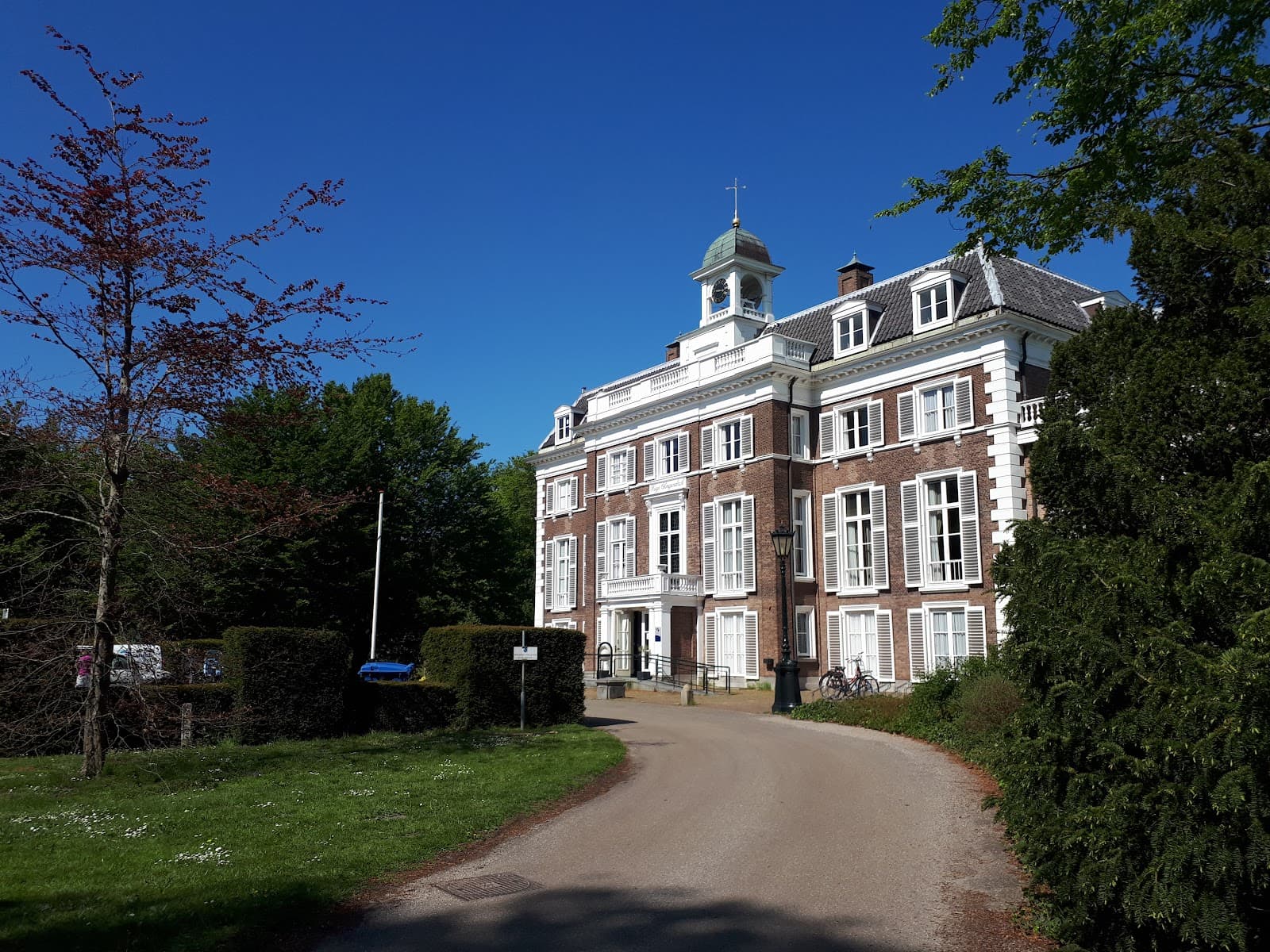
The museum is housed in a beautiful 1930s villa; enjoy the furnished rooms.
First Time in The Netherlands – Visiting The Hague
Hi everyone I’m visiting The Hague for the first time this August—also my first time in the Netherlands—and I’d love a bit of help planning the details. A few questions for fellow travelers or locals: 1. Best apps for train travel? I’ll be arriving in Amsterdam and heading to…
Tips
from all over the internet
🎧 Don't Skip the Audio Tour
Essential for understanding the personal stories and historical context. Available in Dutch & English.
🕰️ Allow Ample Time
There's a lot to absorb; plan for at least 1.5-2 hours to truly engage with the exhibits.
🤝 Connect with Archives
The knowledge center is excellent for researching family history and hard-to-find records.
🏛️ Explore the Villa
The museum is housed in a beautiful 1930s villa; enjoy the furnished rooms.
What Travellers Say
Reviews Summary
Visitors highly praise Museum Sophiahof Indisch for its deeply moving and essential portrayal of Indonesian migration to the Netherlands. The audio tour is consistently recommended as a vital tool for understanding the personal stories and historical context. While the content is rich and requires time to absorb, it's considered a crucial and well-presented piece of Dutch history.
"This little museum is all about the migration of people living in Indonesia to the Netherlands after World War 2.
It is almost mandatory to do the audio tour as the museum is about personal items and stories from Indonesians and their experience of WW2 and the migration to the Netherlands. It is available in Dutch and English.
The stories are diverse and gripping, but you really need to be in the mindset to listen. There is a lot to take in.
Highly recommended because this part of Dutch history isn't well known even thought it brought use the famous Indonesian "rijst tafel" dish."
Robin Irwin
"The museum showcases the history of Indonesia's decolonization and its influences, featuring rich oral history resources and strong connections with Dutch-Indonesian communities in the Netherlands. For those interested in this field, it is a place not to be missed."
C. A.
"A nice villa from 30th of 20th century. It has furnished rooms and a very good audioguide describe all the rooms. It is included in the price of design museum."
R. Ant
What People Like
What People Dislike
Frequently Asked Questions
🚇 🗺️ Getting There
Museum Sophiahof Indisch is accessible by public transport. Check local transit apps for the most up-to-date routes and schedules. Parking may be limited in the area, so public transport is often recommended.
Information regarding wheelchair accessibility can be found on the museum's official website or by contacting them directly. It's advisable to confirm accessibility details before your visit.
The museum is typically well-served by local bus and tram lines. Consult a journey planner for specific stops and routes closest to your starting point.
🎫 🎫 Tickets & Entry
Admission fees can vary. It's best to check the official Museum Sophiahof Indisch website for current pricing and any potential discounts. The audio guide is often included or available for a small additional fee.
While not always mandatory, booking tickets in advance is recommended, especially during peak seasons or for special events, to guarantee entry and potentially save time. Check their website for booking options.
Opening hours can change seasonally. Always verify the current operating hours on the museum's official website before planning your visit.
The audio guide is often included in the admission price or available for a nominal fee. It's highly recommended for a richer understanding of the exhibits.
In some cases, there might be combination tickets or partnerships with nearby cultural institutions. Inquire at the ticket counter or check the museum's website for any such offers.
🎫 🧭 Onsite Experience
The museum primarily focuses on the migration of Indonesians to the Netherlands after World War II, exploring their experiences, decolonization, and cultural influences.
To fully appreciate the exhibits and listen to the audio tour, plan for at least 1.5 to 2 hours. Some visitors may wish to spend longer, especially if utilizing the knowledge center.
While the audio tour is highly recommended and comprehensive, inquire at the museum if any live guided tours are offered, particularly for special exhibitions or groups.
Photography policies can vary. Generally, non-flash photography for personal use might be permitted, but it's essential to check the museum's specific guidelines upon arrival or on their website.
Many museums have gift shops offering books, souvenirs, and items related to their collections. Check the museum's facilities information for details on their gift shop.
🍽️ 🍽️ Food & Dining
Information on whether the museum has an on-site cafe or restaurant is usually available on their website. If not, there are likely eateries in the surrounding area.
Most museums have policies against consuming outside food and drinks within exhibition areas. Check the museum's rules for specific guidance.
Given the museum's focus, you might find excellent Indonesian restaurants nearby, offering authentic 'rijsttafel' and other traditional dishes.
📸 📸 Photography
The museum's setting in a 1930s villa offers charming architectural details. Focus on capturing the atmosphere of the furnished rooms and any visually striking exhibits, adhering to photography rules.
Flash photography is typically prohibited in museums to protect artifacts. Always check signage or ask staff if unsure about photography restrictions.
The personal items and artifacts displayed often carry deep emotional resonance. Capturing the essence of these stories, rather than just the objects, can lead to powerful photographs.

Social
from TikTok, Instagram & Reddit