
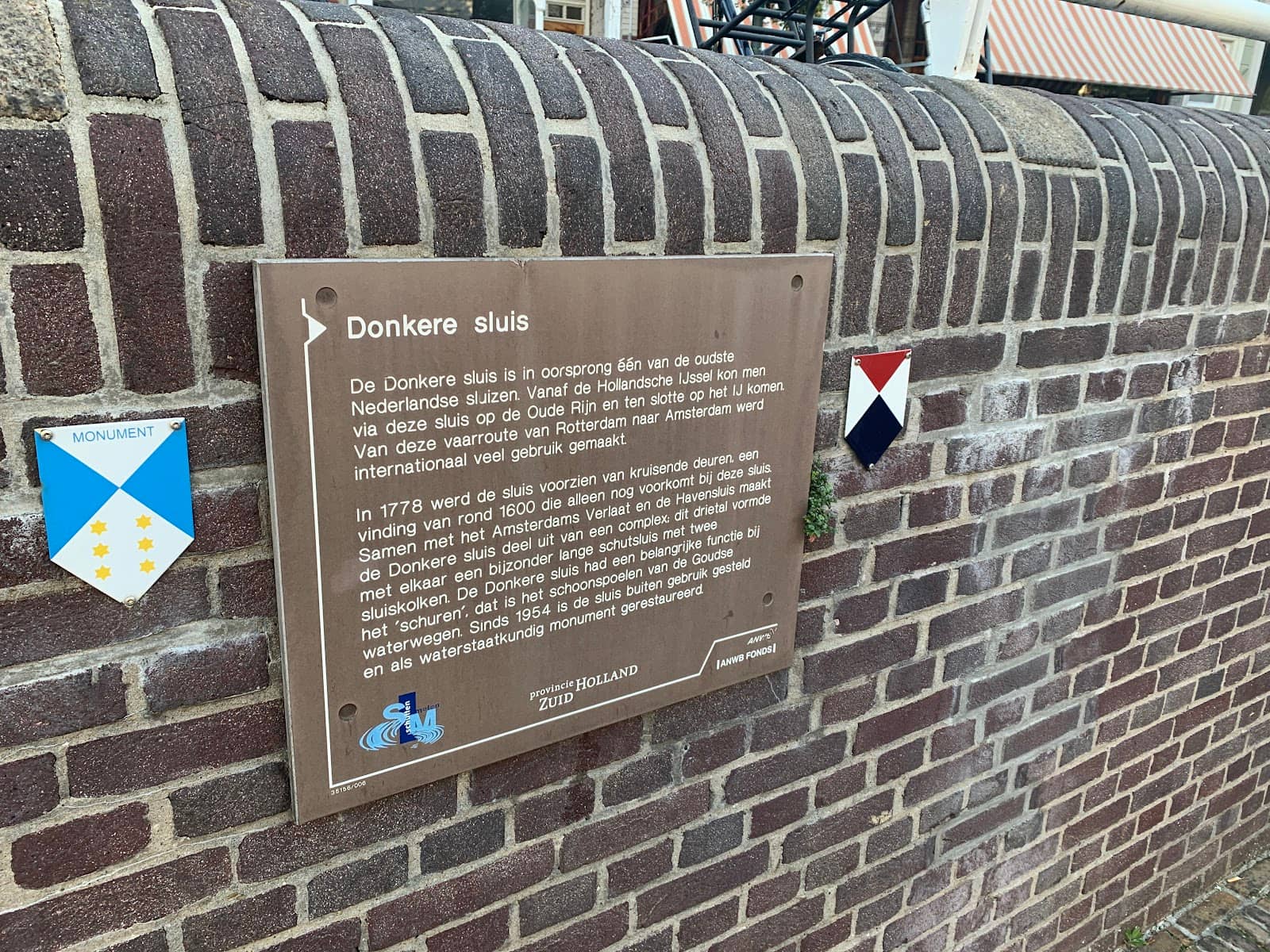
Donkere Sluis
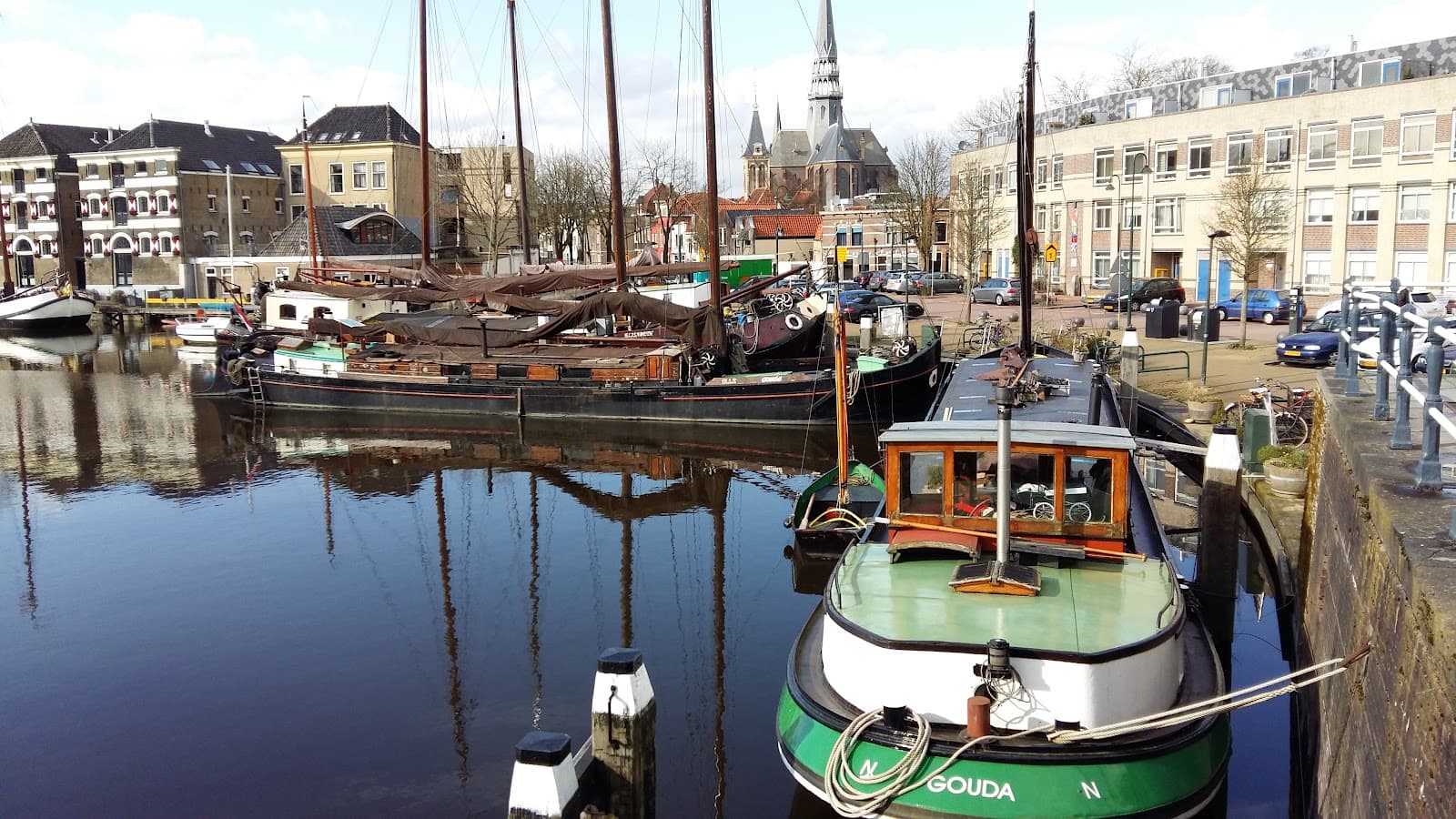
Discover the Donkere Sluis, a 13th-century marvel and the only operational triple ebb door lock of its kind in the Netherlands.
Highlights
Must-see attractions

Social
From TikTok & Reddit
Best Time
Pleasant weather for exploring
Donkere Sluis
Best Time
Pleasant weather for exploring
Highlights
Must-see attractions
Discover the Donkere Sluis, a 13th-century marvel and the only operational triple ebb door lock of its kind in the Netherlands.
"A very special lock with 3 sets of doors, a truly unusual and historical engineering feat."
🕰️ Check Operating Times
Confirm the lock's operational schedule, as it's a working historical site and not always open for viewing.
🚶♂️ Explore the Surroundings
Wander along the Gouwe river and discover other unique locks within Gouda's city limits.

Quick Facts
Rating
4 · 3 reviews
Highlights
Discover the most iconic attractions and experiences
The Three Sets of Ebb Doors
Donkere Sluis
Witness the unique ebb doors, a rare 13th-century design that managed water levels and scoured city canals. It's the only operational lock of its kind.
Gouda's Diverse Lock Landscape
Gouda City Limits
Explore Gouda's collection of historic locks, from single to triple doors, lifting, and roller types, showcasing centuries of water management innovation.
Plans like a pro.
Thinks like you
Planning Your Visit
A Unique Waterway Experience
Gouda's Lock Collection
Best Times
Insider Tips
from TikTok, Instagram & Reddit
🕰️ Check Operating Times
Confirm the lock's operational schedule, as it's a working historical site and not always open for viewing.
🚶♂️ Explore the Surroundings
Wander along the Gouwe river and discover other unique locks within Gouda's city limits.
📚 Learn the History
Research the lock's 13th-century origins and its role in Gouda's water management for a richer visit.
Tips
from all over the internet
🕰️ Check Operating Times
Confirm the lock's operational schedule, as it's a working historical site and not always open for viewing.
🚶♂️ Explore the Surroundings
Wander along the Gouwe river and discover other unique locks within Gouda's city limits.
📚 Learn the History
Research the lock's 13th-century origins and its role in Gouda's water management for a richer visit.
What Travellers Say
Reviews Summary
Visitors are captivated by the Donkere Sluis's unique historical significance and its rare triple ebb door system, a marvel of 13th-century engineering. Its status as the only operational lock of its kind in the Netherlands makes it a special point of interest. While its operational schedule can be unpredictable, its historical context and the broader collection of locks in Gouda offer a rich experience for those interested in hydraulic engineering.
"A very special lock. With 3 sets of doors. One set, the ebb doors, went in the direction of the water. Very unusual. However, this made it possible to manage the water level in the area behind it and to ‘scour’ (rinse) the city canals. In the (inner) harbour between the East and West harbour, the water was dumped down into the lower pool between the Hoge and Lage Gouwe at high tide. To flow via the route along the church, via a canopy under the double neighbourhood or via the culvert in front of the Amsterdamse Verlaat. The ebb doors were supported for the water inlet by the inner retaining doors (Gouwe side). The doors on the harbour side were retaining doors that served as a water barrier.
The name of the lock is unclear. Its origins date back to the thirteenth century. It is possible that the lock once had a roof.
There are only two of this type of lock left in the Netherlands. This is the only one still in operation.
Special! Gouda has every type of lock that exists within its city limits. Single doors (Achter de Kerk, Amsterdams laat, Havensluis), double doors (Stolwijkersluis), three double doors (Donker Sluis), lifting doors (Mallegatsluis), roller doors (Julianasluis), fan lock (Goejanverwelledijk) and double chamber lock (Reeuwijksverlaat). And another storm surge doors at the Mallegatsluis. Special, isn't it?"
Eric Blom
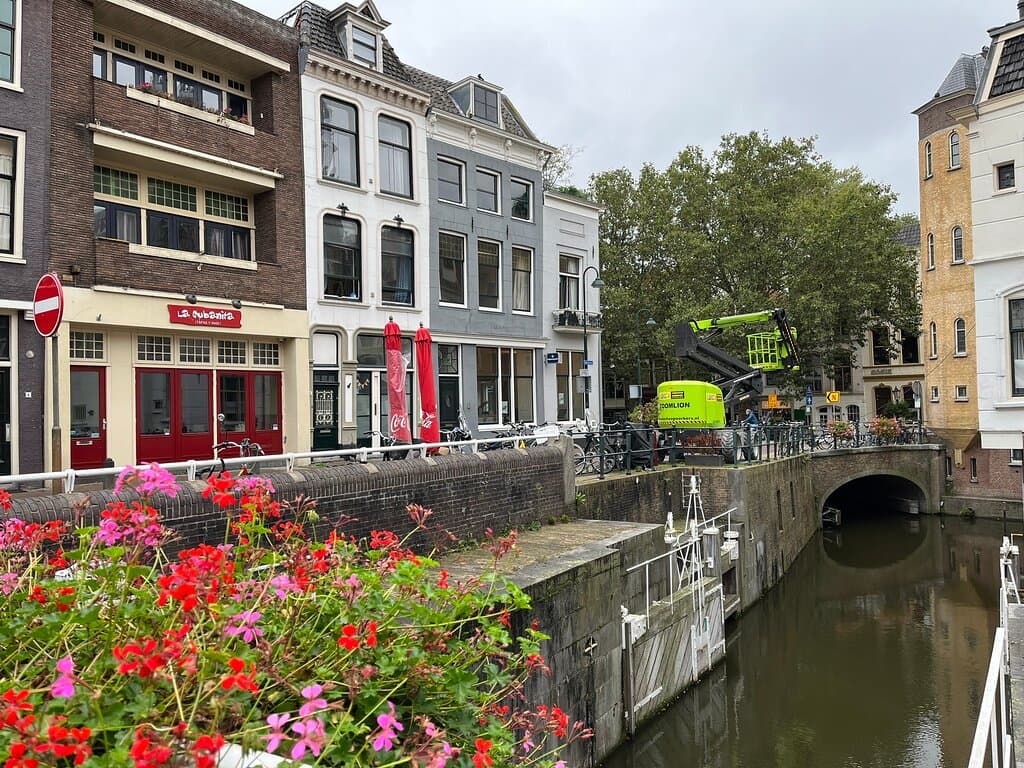
"De Donkere Sluis in Gouda is de oudste sluis van deze stad en ligt in een bocht van de Gouwe, die via De Haven uitwatert op de Hollandsche IJssel. De geschiedenis ervan gaat terug tot een ver verleden, in elk geval tot in de 13e eeuw. Men veronderstelt zelfs dat de sluis al in 1065, zo niet eerder bestond."
Robert Remers
""
Rinus Lasschuyt Fotografie
What People Like
What People Dislike
Frequently Asked Questions
🚇 🗺️ Getting There
Donkere Sluis is located in a bend of the Gouwe river within Gouda. It's easily accessible by foot or bicycle from the city center. Public transport options include local buses that stop near the Gouwe river, and the nearest train station is Gouda Centraal, from which it's a pleasant walk or short bus ride.
Parking in Gouda's city center can be challenging. It's recommended to use public parking garages like Q-Park Museumplein or Stationsplein and then walk or cycle to the lock. Cycling is often the most convenient way to navigate Gouda.
As a working lock, visiting by boat is possible if you are transiting through the Gouwe. However, casual mooring might be restricted. Check with local authorities or waterway management for specific boating regulations.
🎫 🎫 Tickets & Entry
No, viewing the Donkere Sluis from the outside is generally free. It's a historical landmark integrated into the city's waterways. Access to the lock mechanism itself is not permitted.
As a functional lock, its 'opening hours' are dictated by its operational needs. It's best to check local Gouda tourism websites or waterway information for any specific viewing times or if it's actively in use during your visit.
The Donkere Sluis is the only operational lock of its kind in the Netherlands. While it is functional, its operation depends on water management needs and may not be actively engaged during every visitor's trip.
🎫 🧭 Onsite Experience
The Donkere Sluis is renowned for its three sets of unusual ebb doors, a rare 13th-century design that was crucial for managing water levels and scouring city canals. It's the only lock of this specific type still in operation in the Netherlands.
Its origins date back to at least the 13th century, with some theories suggesting it existed even earlier, possibly around 1065. It played a vital role in Gouda's hydraulic engineering and water management systems.
Yes, Gouda is known as the 'city of locks' and features a remarkable variety, including single-door, double-door, lifting, and roller locks. The Donkere Sluis is part of this unique collection of hydraulic structures.
The lock is best viewed from the adjacent pathways and bridges. Take your time to observe the unique door mechanisms and imagine its historical function in managing the city's waterways.



Social
from TikTok, Instagram & Reddit