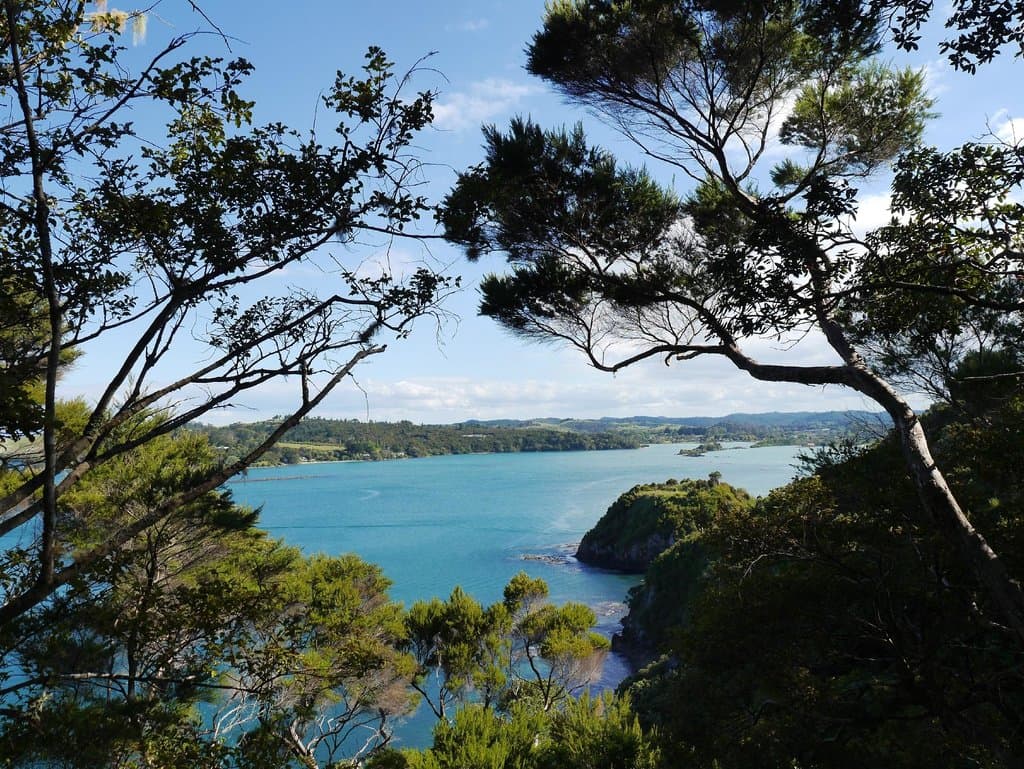
Ake Ake Historic Reserve
Step back in time at Ake Ake Historic Reserve, a vital cultural landscape preserving Maori heritage and ancient fortifications.

Highlights
Must-see attractions

Social
From TikTok & Reddit
Best Time
Fewer crowds, peaceful exploration
Ake Ake Historic Reserve
Best Time
Fewer crowds, peaceful exploration
Highlights
Must-see attractions
Step back in time at Ake Ake Historic Reserve, a vital cultural landscape preserving Maori heritage and ancient fortifications.
Wear Comfortable Shoes
The reserve has uneven terrain. Sturdy walking shoes are essential for exploring all areas comfortably. :athletic_shoe:
Respect the Sacred Sites
Urupā and other sacred areas require utmost respect. Follow signage and maintain a quiet demeanor. 🙏
Quick Facts
Highlights
Discover the most iconic attractions and experiences
The Great Meeting House
Central area
A magnificent structure, embodying traditional Maori architecture and cultural significance. A must-see for understanding the heart of the reserve.
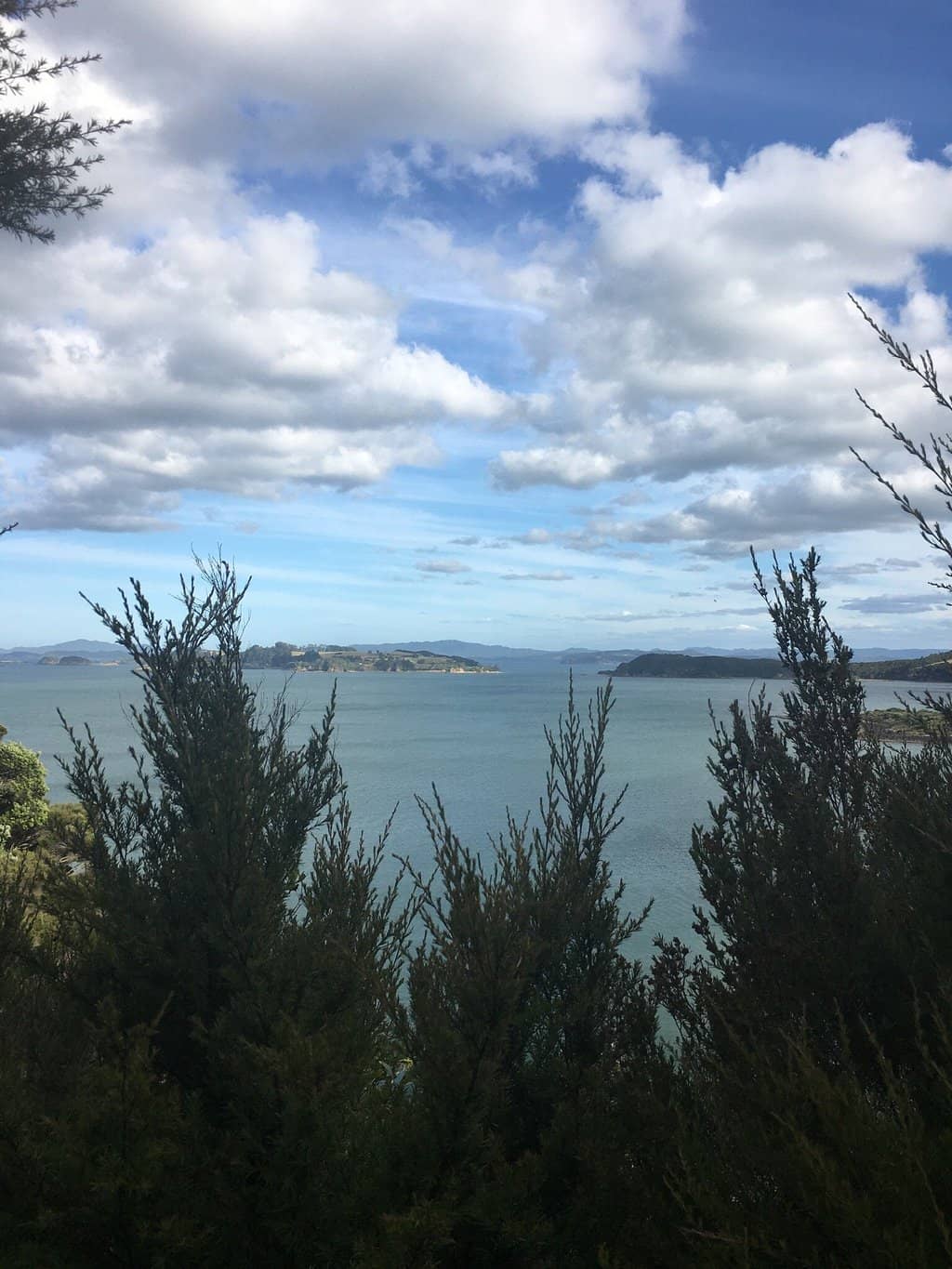
Ancient Pa Sites
Various elevated points
Explore the remnants of fortified villages, offering a glimpse into the strategic and daily lives of early inhabitants.
Sacred Urupā (Burial Grounds)
Designated areas
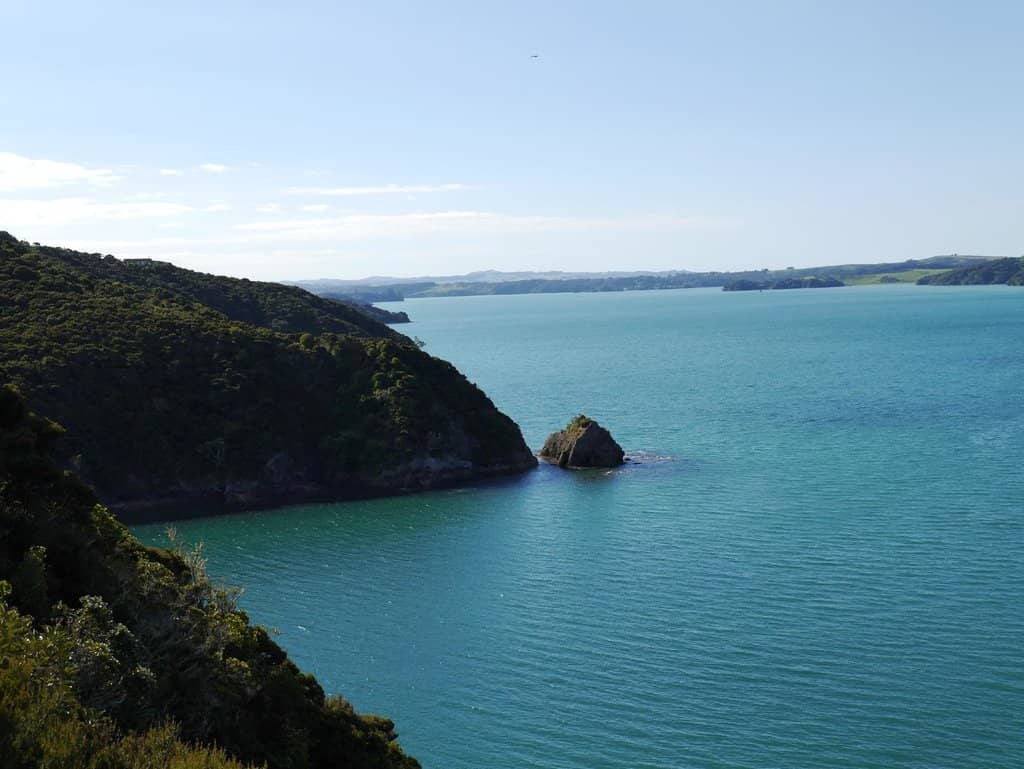
A place of deep respect and reflection, these grounds hold immense cultural and spiritual importance for the local iwi.
Plans like a pro.
Thinks like you
Planning Your Visit
Timing is Everything
Prepare for Exploration
Best Times
Insider Tips
from TikTok, Instagram & Reddit
Wear Comfortable Shoes
The reserve has uneven terrain. Sturdy walking shoes are essential for exploring all areas comfortably. :athletic_shoe:
Respect the Sacred Sites
Urupā and other sacred areas require utmost respect. Follow signage and maintain a quiet demeanor. 🙏
Check Opening Hours
Verify operating hours before your visit, as they can vary seasonally. :clockwithface:
Bring Water & Snacks
Limited facilities on-site. Pack essentials to stay hydrated and energized during your visit. :water_wave: :apple:
Tips
from all over the internet
Wear Comfortable Shoes
The reserve has uneven terrain. Sturdy walking shoes are essential for exploring all areas comfortably. :athletic_shoe:
Respect the Sacred Sites
Urupā and other sacred areas require utmost respect. Follow signage and maintain a quiet demeanor. 🙏
Check Opening Hours
Verify operating hours before your visit, as they can vary seasonally. :clockwithface:
Bring Water & Snacks
Limited facilities on-site. Pack essentials to stay hydrated and energized during your visit. :water_wave: :apple:
What Travellers Say
Reviews Summary
Visitors often praise Ake Ake Historic Reserve for its profound historical significance and the opportunity to connect with Maori culture. The well-preserved pa sites and the impressive Meeting House are frequently highlighted as major draws. Some visitors note that facilities are basic and recommend coming prepared.
What People Like
What People Dislike
Frequently Asked Questions
🚇 🗺️ Getting There
Ake Ake Historic Reserve is typically accessed by car. It's located [Insert general location/region here, e.g., inland from the coast, near a specific town]. Parking is usually available on-site. Check local transport options if you're not driving, though public transport might be limited.
Public transport options to Ake Ake Historic Reserve can be scarce. It's best to check with local bus companies or tourist information centers for the most up-to-date routes and schedules, as many visitors opt for private vehicles.
The reserve is best explored on foot. Well-marked paths guide you through the significant areas, but some sections may have uneven terrain, so comfortable footwear is recommended.
Information on guided tours can vary. It's advisable to check the official Ake Ake Historic Reserve website or contact local tourism operators in advance to inquire about availability and booking for guided experiences.
Travel time to Ake Ake Historic Reserve depends on your starting point. From [Nearest Major City 1], it's approximately [X] hours, and from [Nearest Major City 2], it's about [Y] hours. Always factor in potential traffic.
🎫 🎫 Tickets & Entry
Entry to Ake Ake Historic Reserve is often free, but it's crucial to verify this on their official website or local tourism pages. Some special events or guided tours might incur a fee.
Opening hours for Ake Ake Historic Reserve can change seasonally. It's best to check the official website for the most current times, as they are typically open during daylight hours.
Generally, Ake Ake Historic Reserve is accessible without an admission fee, preserving its cultural heritage for all. However, always confirm this information beforehand.
Ake Ake Historic Reserve is usually open on public holidays, but hours might be reduced. It's wise to confirm holiday operating times directly with the reserve management.
To fully appreciate Ake Ake Historic Reserve, allocate at least 2-3 hours. This allows time to explore the pa sites, meeting house, and understand the historical context.
🎫 🧭 Onsite Experience
Key attractions include the Great Meeting House, the ancient pa sites offering panoramic views, and the sacred urupā. Each provides a unique insight into Maori history and culture.
Basic facilities such as restrooms are usually available. Picnic areas might be designated, but it's advisable to check the reserve's amenities list beforehand.
Photography is generally permitted, but always be mindful and respectful, especially in sacred areas like the urupā. Avoid flash photography where it might be disruptive.
While primarily a historical site, you might encounter native New Zealand birds and insects. The focus is on the historical and cultural landscape rather than wildlife viewing.
Yes, Ake Ake Historic Reserve can be educational for children, offering a tangible connection to history. Ensure they understand the importance of respecting the cultural sites.
🍽️ 🍽️ Food & Dining
Typically, Ake Ake Historic Reserve does not have on-site dining facilities. Visitors are encouraged to bring their own food and drinks or dine in nearby towns.
The nearest dining options will be in the closest towns. Research local cafes and restaurants in [Nearest Town Name] for a variety of culinary experiences.
Picnicking is often allowed in designated areas. It's a great way to enjoy the surroundings, but remember to pack out all your rubbish to keep the reserve clean.
The region might offer local delicacies or traditional Maori cuisine if you dine in nearby towns. Ask locals for their favorite spots or recommendations.
For group visits, it's best to contact the reserve management or local catering services in advance to discuss possibilities for arranged meals or catering.
📸 📸 Photography
The Great Meeting House offers stunning architectural shots. Elevated pa sites provide panoramic views, especially during sunrise or sunset. Capture the textures of the earthworks and carvings.
Early morning and late afternoon offer the best light for photography, creating dramatic shadows and warm hues. Midday sun can be harsh, but still usable for detail shots.
Photography is generally allowed, but always be respectful of sacred sites like the urupā. Avoid intrusive photography and always ask permission if photographing people.
A wide-angle lens is great for landscapes and the Meeting House. A telephoto lens can be useful for capturing details from a distance. A tripod can help with low-light conditions.
Drone usage is typically restricted at historic and culturally sensitive sites. Always check the reserve's regulations and local aviation laws before considering drone photography.



Social
from TikTok, Instagram & Reddit