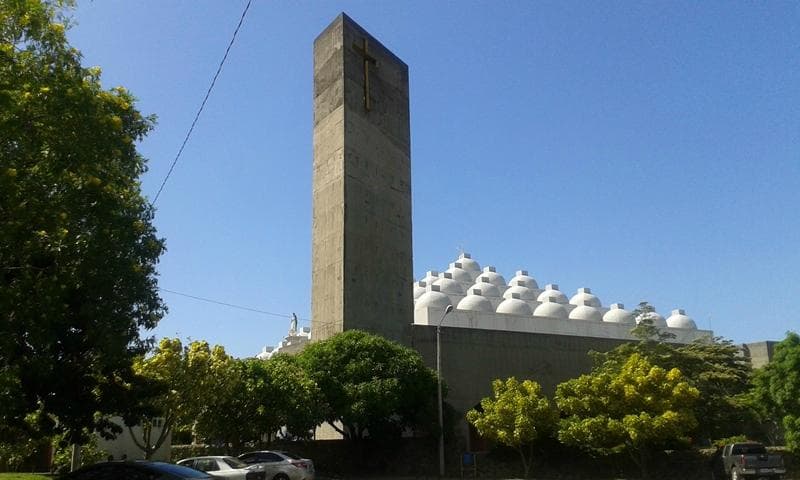
Metropolitan Cathedral of the Immaculate Conception
Managua's Metropolitan Cathedral, a modern marvel with 63 domes, stands as a symbol of resilience and hope.
Highlights
Must-see attractions

Social
From TikTok & Reddit
Best Time
Experience daily mass peacefully
Metropolitan Cathedral of the Immaculate Conception
Best Time
Experience daily mass peacefully
Highlights
Must-see attractions
Managua's Metropolitan Cathedral, a modern marvel with 63 domes, stands as a symbol of resilience and hope.
"A striking architectural marvel and a peaceful sanctuary, this cathedral embodies Managua's spirit."
Admire the Architecture
Take time to appreciate the unique 63-dome design and the architect's vision. :camerawithflash:
Visit the Sangre de Cristo
Don't miss the dedicated chapel for a moment of quiet reflection and spiritual connection. 🙏
Quick Facts
Hours
Rating
4.6 · 1,111 reviews
Type
Church
Highlights
Discover the most iconic attractions and experiences
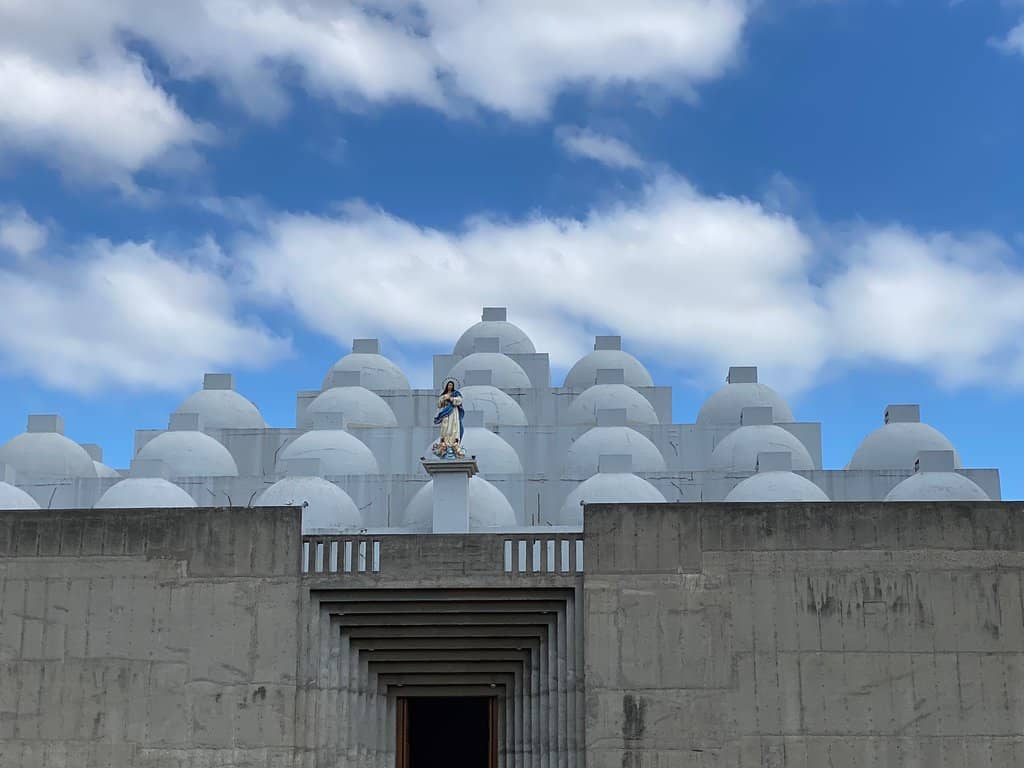
The 63 Domes
Exterior and Interior
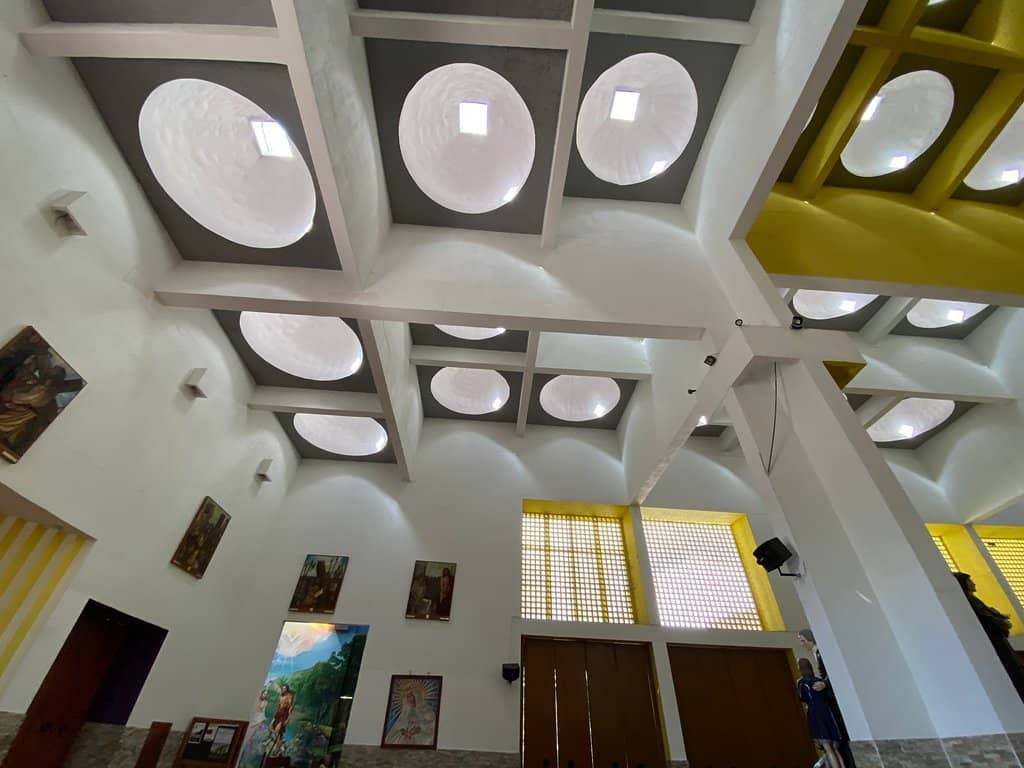
A striking architectural feature, these numerous domes create a unique silhouette and fill the interior with light.
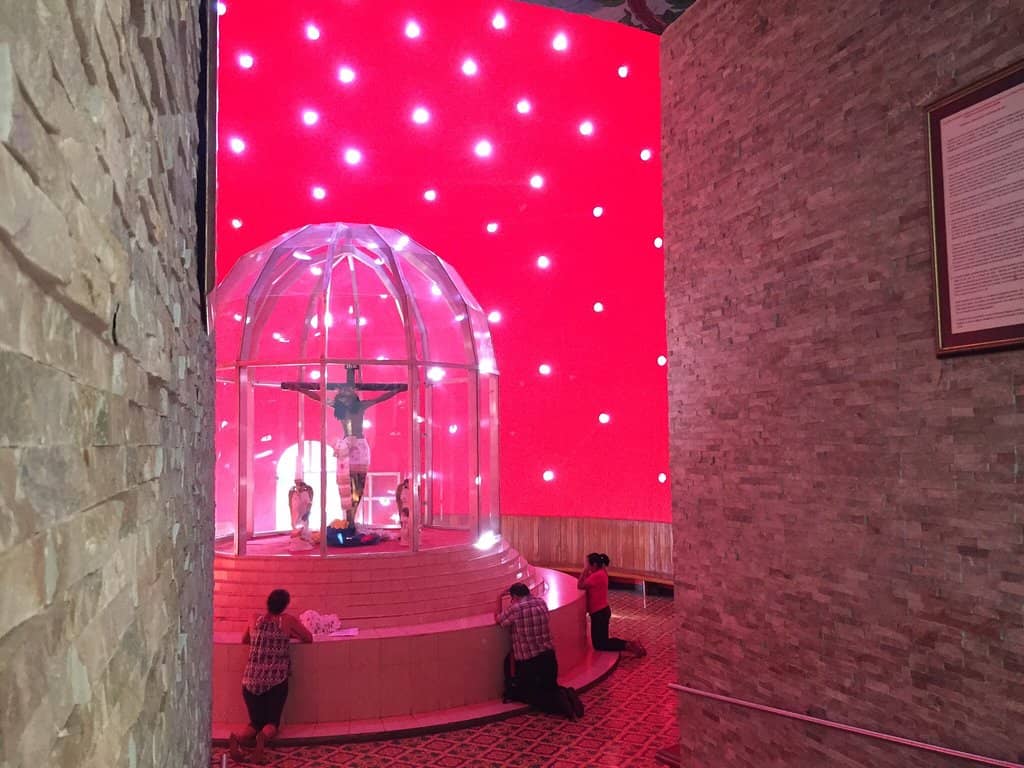
Sangre de Cristo Chapel
Interior
A dedicated space for the venerated image, its illumination and candlelight create a deeply spiritual atmosphere.
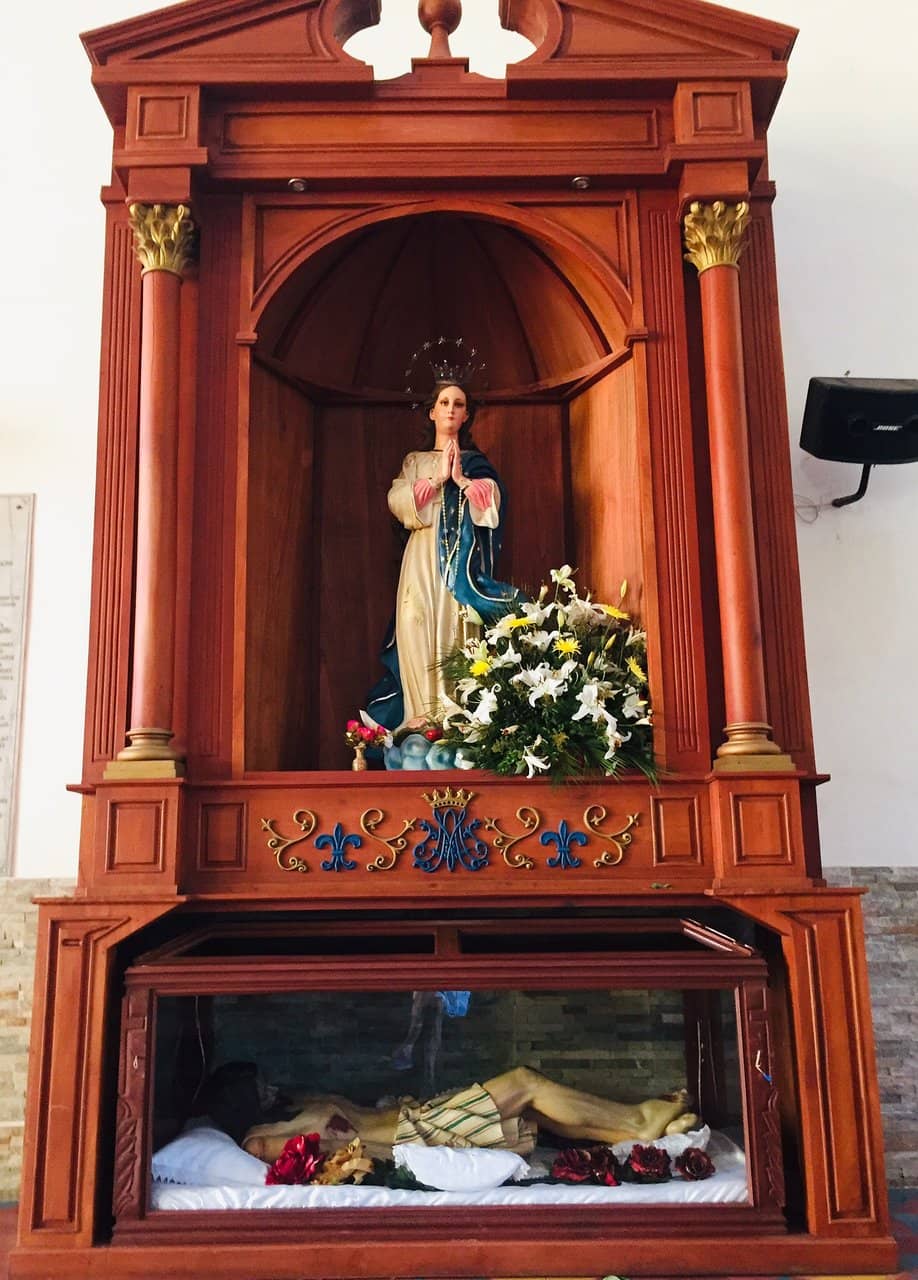
Participatory Design
Main Assembly Area
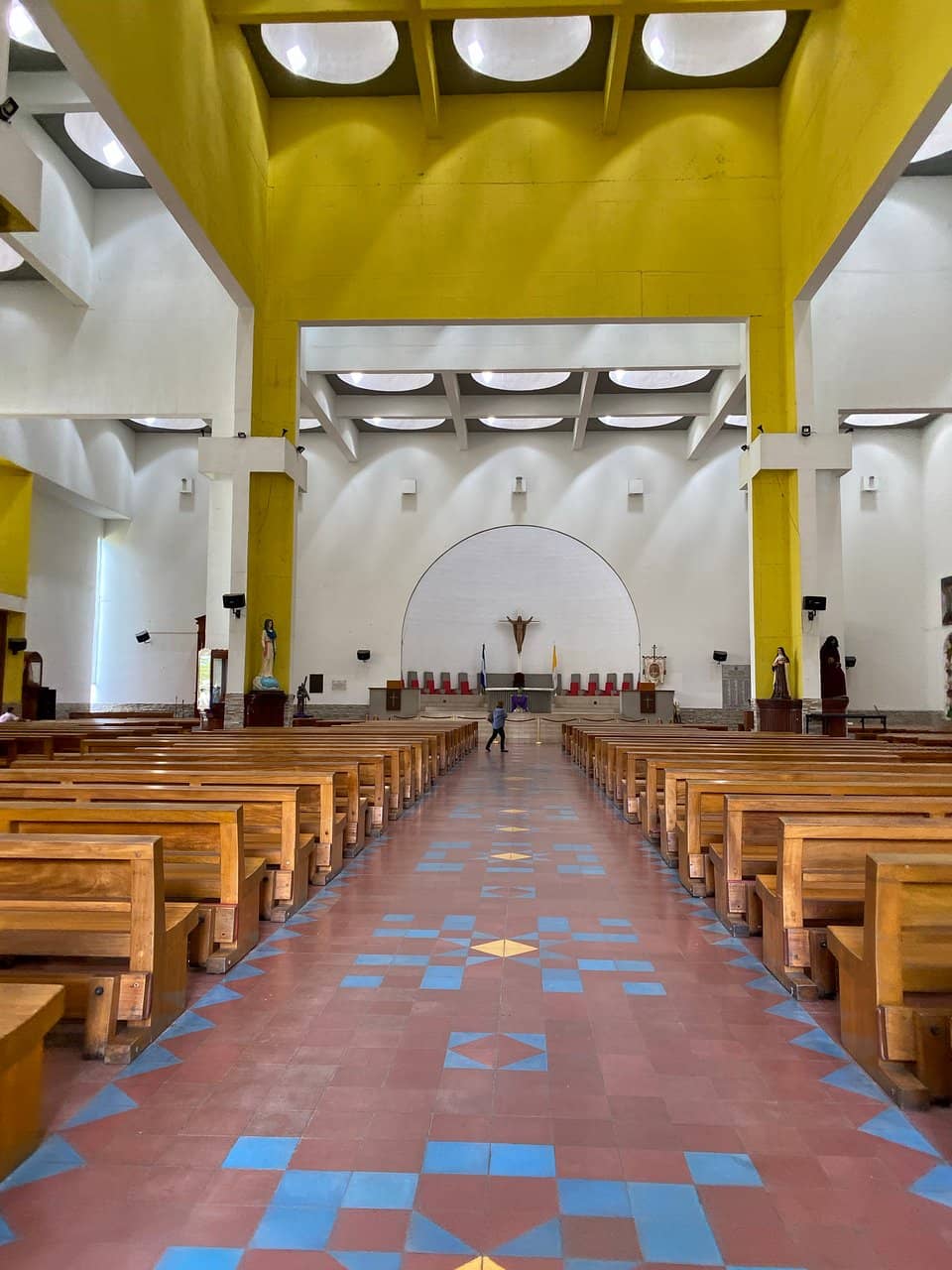
The altar and congregation are integrated, with the highest dome centered over the assembly, fostering a sense of community.
Plans like a pro.
Thinks like you
Planning Your Visit
Embrace the Domes
A Symbol of Resilience
Best Times
Insider Tips
from TikTok, Instagram & Reddit
Admire the Architecture
Take time to appreciate the unique 63-dome design and the architect's vision. :camerawithflash:
Visit the Sangre de Cristo
Don't miss the dedicated chapel for a moment of quiet reflection and spiritual connection. 🙏
Understand the History
Learn about its reconstruction after the 1972 earthquake to grasp its symbolic importance. 📚
Respectful Attire
Dress modestly when visiting this active place of worship. 👗
Tips
from all over the internet
Admire the Architecture
Take time to appreciate the unique 63-dome design and the architect's vision. :camerawithflash:
Visit the Sangre de Cristo
Don't miss the dedicated chapel for a moment of quiet reflection and spiritual connection. 🙏
Understand the History
Learn about its reconstruction after the 1972 earthquake to grasp its symbolic importance. 📚
Respectful Attire
Dress modestly when visiting this active place of worship. 👗
What Travellers Say
Reviews Summary
Visitors are consistently impressed by the Metropolitan Cathedral's striking and unique architectural design, particularly its 63 domes. Many find the interior to be a peaceful and spiritual sanctuary, with the Sangre de Cristo chapel being a highlight. While some find the modern style controversial, most appreciate its symbolism of resilience and hope for Managua.
"The Metropolitan Cathedral of the Immaculate Conception (Spanish: Catedral Metropolitana de la Purisima Concepcion), referred to as the New Cathedral (La Nueva Catedral), is located in Managua, Nicaragua. It was dedicated to the Immaculate Conception of Maria.
Construction began in 1991 in substitution of the Old Cathedral of Managua or Cathedral of Santiago. The old cathedral was damaged and thought to be unrestoreable after a 1972 earthquake that destroyed 90% of the city.
The cathedral was designed by architect Ricardo Legorreta. Construction to build the cathedral began around August 1991 and it was inaugurated on September 4, 1993. The cost of the newly built cathedral was estimated at $4.5 million dollars. The new cathedral has created much controversy, particularly about its architectural style and finance. Locals refer to it as La Chichona on account of the plethora of cupolas adorning it like so many "chiches" (Spanish: slang for breasts).
Concept
The design recognizes that the role of the contemporary Catholic community has passed from passive to participatory in relation to the ecclesiastical authorities. The architectural integration of the altar and the assembly, and their physical proximity, follow this concept. For this reason the highest dome is located at the center of the congregation, not above the altar. This provides solemnity without resorting to monumentalism and ostentation while creating a scale in which worshipers will feel peaceful when alone, in small groups, or as part of a large congregation. The 63 domes evoke this range of scales and provide light and ventilation.
Three kinds of activities take place in the cathedral: several times a year the cardinal celebrates mass from the exterior altar 100,000 that gather in the esplanade; periodic ceremonies take place in the cathedral: several times a year the cardinal celebrates mass from the exterior altar above the main door to congregations of about the main door in the esplanade; periodic ceremonies take place in this main space; and daily mass is celebrated in the chapel.
The venerated image of the Sangre de Cristo is located in a dedicated circular chapel. Its shape, illumination, candlelight, and color respond to Nicaraguan spiritual life. To provide protection against earthquakes, the walls are of reinforced concrete, chiseled by hand to represent the heroic strength of the people. The handmade cement tiles of the floor create a colored carpet of geometric forms. Colored screens emanate a special light throughout the interior, and the massive wood doors continue the imposing language of the exterior.
The cathedral's design and construction were driven by human and spiritual vales, with the goal of offering the Nicaraguan people a place of hope, love, and prayer."
Xavier Leroy
"I'm not Catholic but wanted to stop by and pray. Huge cathedral and many local people come by to attend Misa."
JB Park
"There was no explanation or estimation of the people that built this as far as their size. Because the doors are fifteen feet tall, so obviously it wasn't just little jesuit priest that built these doors"
Dane Warner
What People Like
What People Dislike
Frequently Asked Questions
🚇 🗺️ Getting There
The Metropolitan Cathedral is located in the heart of Managua. Taxis and ride-sharing services are readily available and are a convenient way to reach the cathedral from most parts of the city. Public buses also serve the area, offering a more budget-friendly option. 🚌 🚕
Limited parking may be available in the vicinity, but it can be challenging to find a spot, especially during peak hours or events. It's advisable to consider public transport or taxis to avoid parking hassles. 🚗
The cathedral's design aims for inclusivity, with ramps and accessible areas. However, it's always a good idea to contact the cathedral administration in advance for specific accessibility needs. ♿
🎫 🎫 Tickets & Entry
Entry to the Metropolitan Cathedral is generally free, as it is an active place of worship. Donations are always appreciated to help with the upkeep of the building. :moneywithwings:
The cathedral is typically open daily for visitors, with specific hours for daily mass and services. It's best to check the official schedule or inquire locally for the most up-to-date opening times. :clock1:
Yes, you are welcome to attend mass. Daily masses are held in the chapel, and larger ceremonies, including those led by the cardinal, take place periodically. ⛪
Visitors are expected to dress respectfully. Avoid overly revealing clothing. Modest attire is appreciated out of respect for the religious nature of the site. 👗
📸 📸 Photography
Photography is generally permitted inside the cathedral, but it's important to be respectful. Avoid using flash photography, especially during services, and be mindful of other visitors. :camerawithflash:
The exterior with its unique dome architecture and the interior, particularly the Sangre de Cristo chapel, offer excellent photographic opportunities. Capture the interplay of light from the domes. 🌅
🍽️ 🍽️ Food & Dining
Yes, the area around the cathedral has various dining options, from local eateries serving Nicaraguan cuisine to more international choices. Explore the surrounding streets for a bite to eat. 🍴
Social
from TikTok, Instagram & Reddit