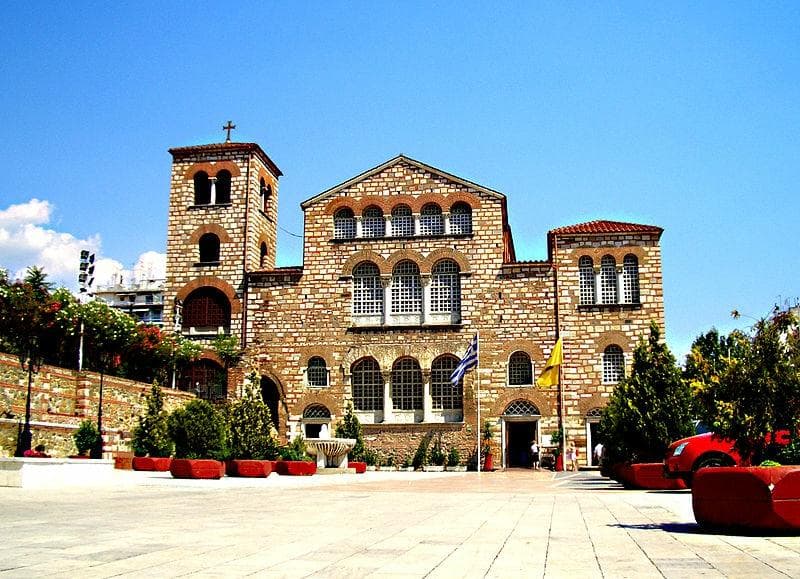
Church of Saint Demetrius
A historic 1830 basilica in Bitola, renowned for its stunning Debar School art, frescoes, and significant relics.
Highlights
Must-see attractions

Social
From TikTok & Reddit
Best Time
Fewer crowds, peaceful atmosphere
Church of Saint Demetrius
Best Time
Fewer crowds, peaceful atmosphere
Highlights
Must-see attractions
A historic 1830 basilica in Bitola, renowned for its stunning Debar School art, frescoes, and significant relics.
"Simply breathtaking and amazing, a must-visit for its art and history."
Dress Modestly
Cover shoulders and knees out of respect for this sacred Orthodox site. 🙏
Appreciate the Artistry
Take time to admire the detailed frescoes and icons by masters of the Debar School. 🎨
Quick Facts
Rating
4.9 · 238 reviews
Type
Church
Highlights
Discover the most iconic attractions and experiences
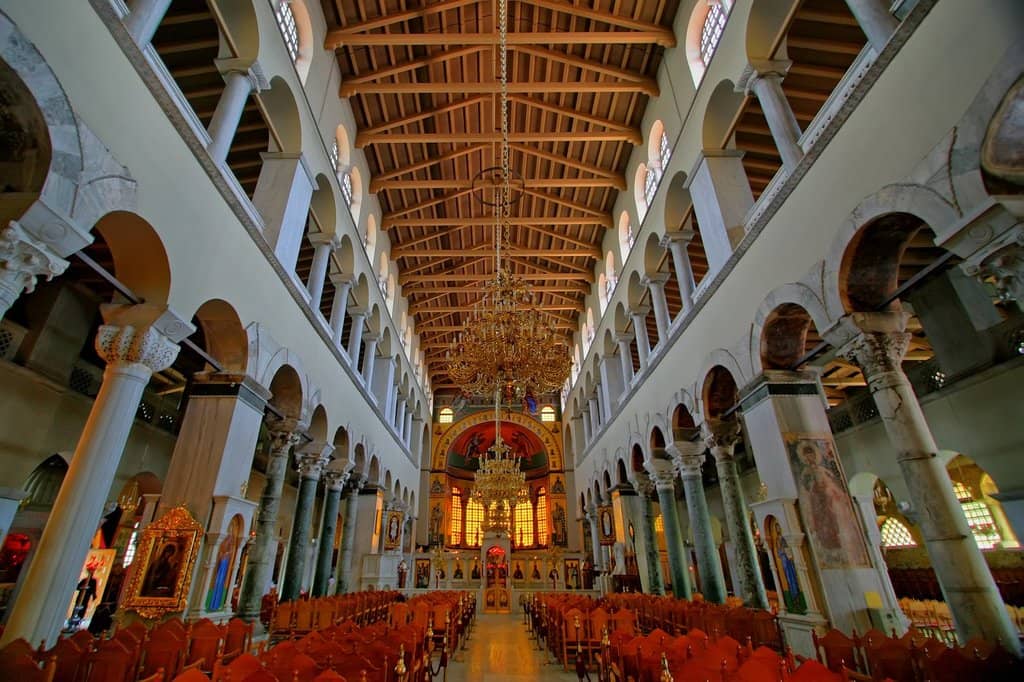
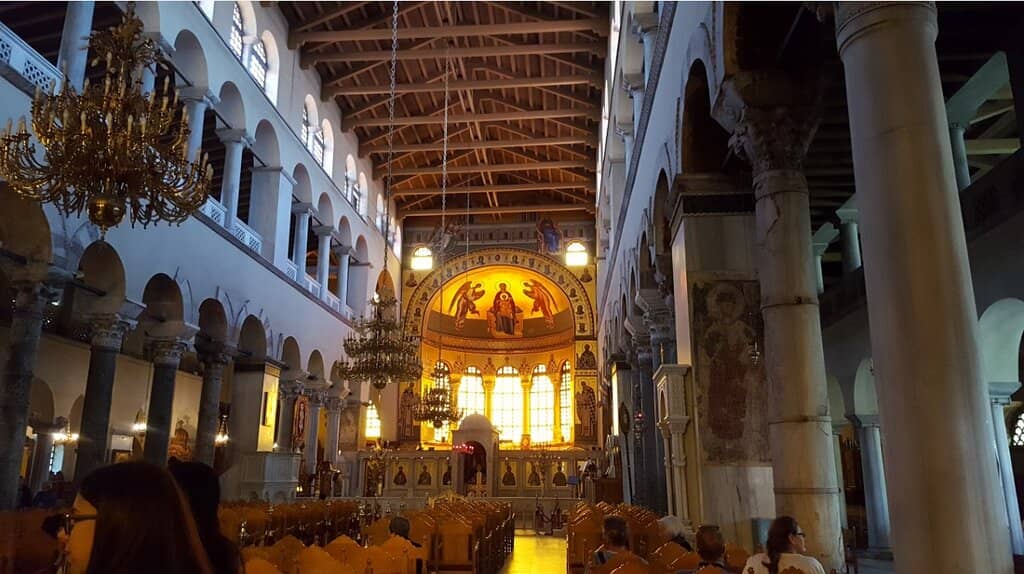
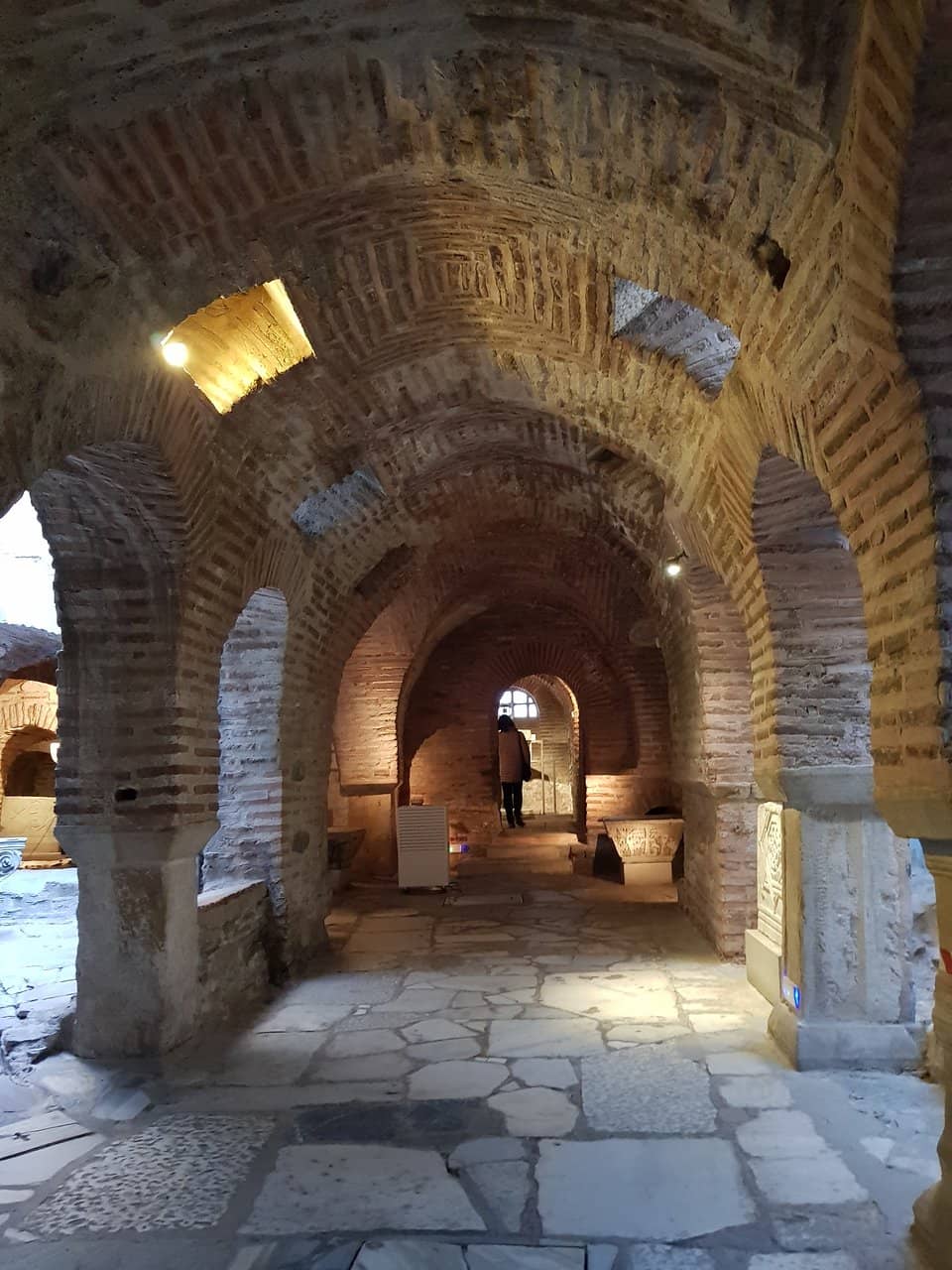
Stunning Frescoes and Iconography
Interior
Marvel at the breathtaking art, including frescoes and icons created by renowned artists from the Debar School.
Historic Bell Tower
Exterior
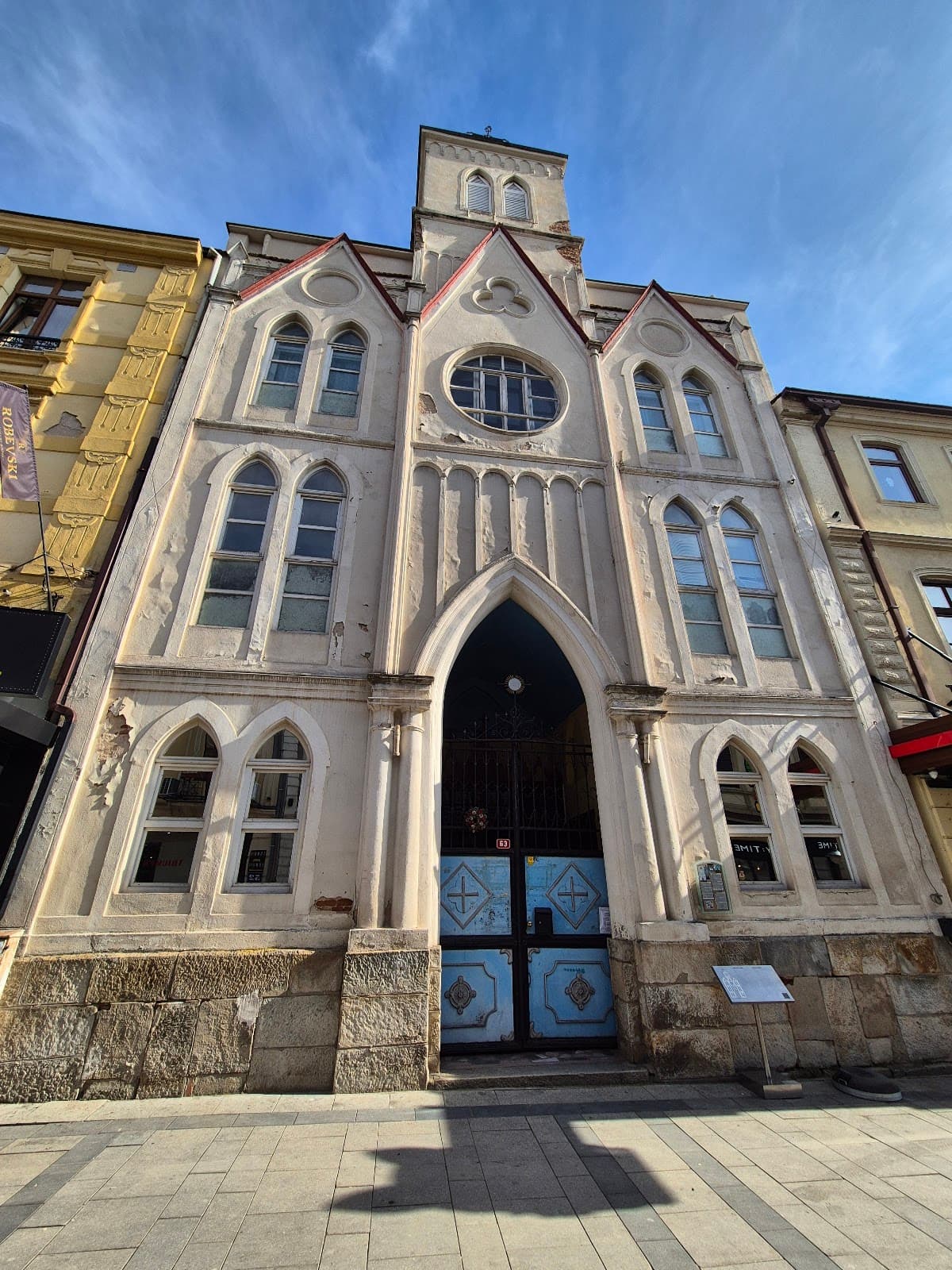
Admire the impressive bell tower, a later addition built in 1936, adding to the church's architectural grandeur.
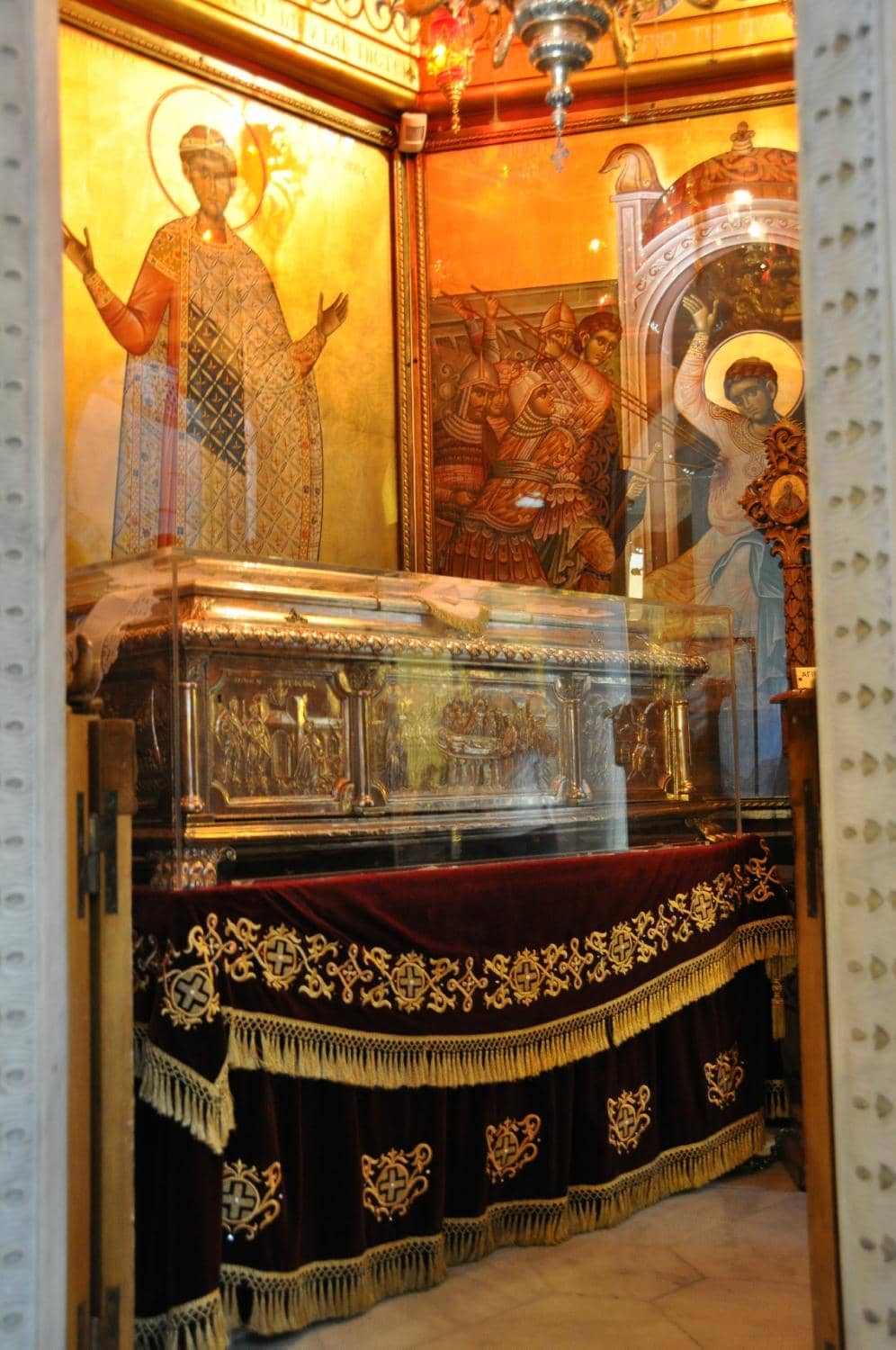
The Head of Saint Aghatanghel
Reliquary inside the church
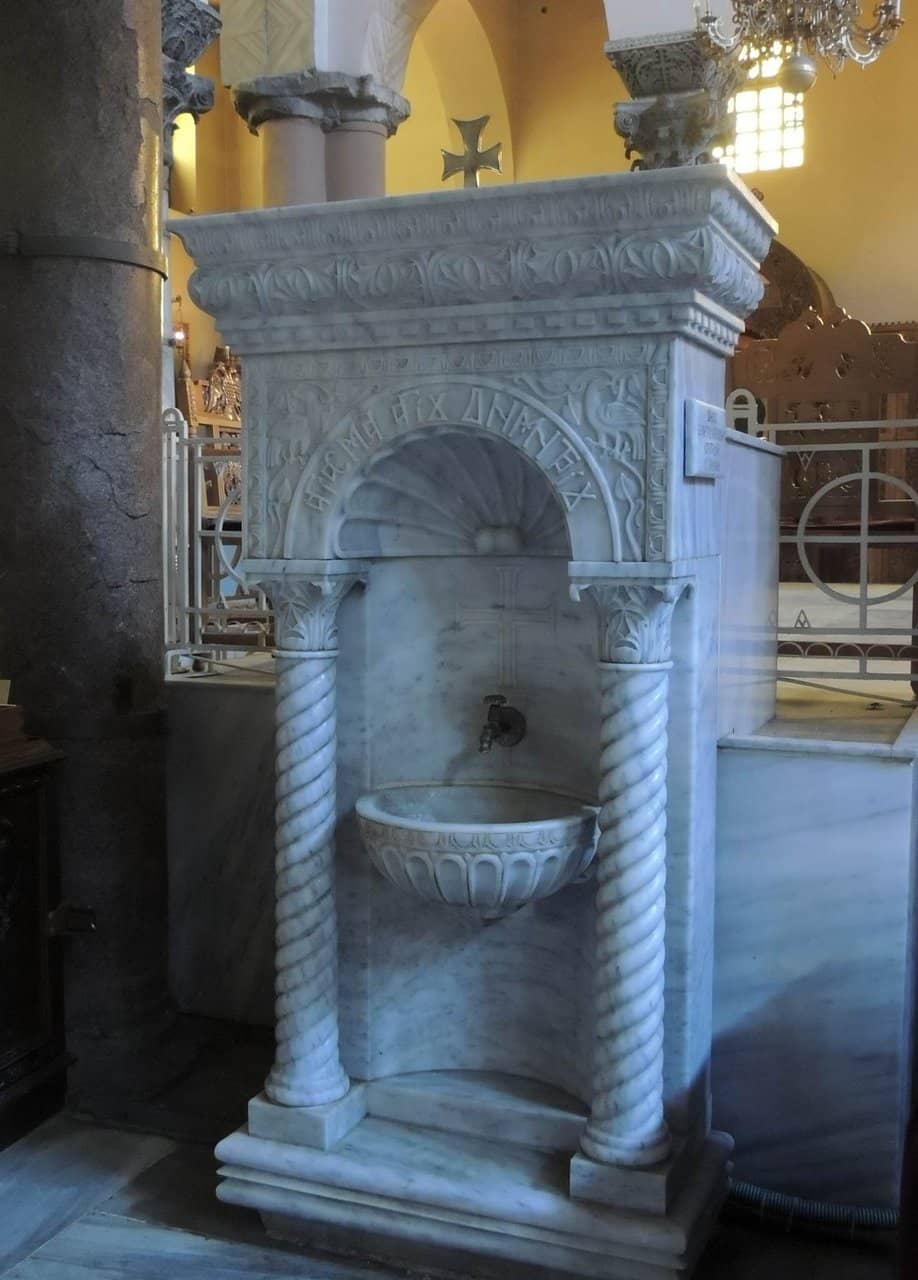
See the sacred relic of the holy martyr Aghatanghel, preserved in a metal box with an inscription in Greek.
Plans like a pro.
Thinks like you
Planning Your Visit
Respectful Attire is Key
Understand Its Historical Significance
Best Times
Insider Tips
from TikTok, Instagram & Reddit
Dress Modestly
Cover shoulders and knees out of respect for this sacred Orthodox site. 🙏
Appreciate the Artistry
Take time to admire the detailed frescoes and icons by masters of the Debar School. 🎨
Visit the Bell Tower
Don't miss the striking bell tower, a significant architectural feature added later. 🔔
Learn the History
Understand its construction under Ottoman rule for a richer experience. 📜
Tips
from all over the internet
Dress Modestly
Cover shoulders and knees out of respect for this sacred Orthodox site. 🙏
Appreciate the Artistry
Take time to admire the detailed frescoes and icons by masters of the Debar School. 🎨
Visit the Bell Tower
Don't miss the striking bell tower, a significant architectural feature added later. 🔔
Learn the History
Understand its construction under Ottoman rule for a richer experience. 📜
What Travellers Say
Reviews Summary
Visitors consistently praise the Church of Saint Demetrius for its breathtaking art, including stunning frescoes and intricate iconography from the Debar School. Its rich history, central location next to the Clock Tower, and the impressive bell tower are frequently highlighted as major draws. While generally well-maintained, some may find the historical context of its construction under Ottoman rule particularly fascinating.
"It's in my top 5 most beautiful churches in Macedonia, the art, the frescoes, the history behind it. Simply breathtaking and amazing"
Maya Travels
"Amazing old orthodox church in the center of Bitola town from 1830. This bell tower was built more than 100 years later in 1936. Worth it to visit."
DE Ackern
"AROMANIAN CHURCH OF ST DEMETRUS
Built in 1830 in the form of a basilica in three naves and dedicated to Saint Dumitru of Thessaloniki.
It was built within 4 months, on the site of an older chapel that burned down in 1726. The iconography and sculpture were made by the Renza, Miaci family, representatives of the Debar School of Art (18th-19th centuries). The foundation was built 1 meter below the ground, so that the church would not be higher than the existing mosque in the city, as required by the Ottoman rules. The bell tower built in 1936 is the work of the architect Aleksandru Deroko . It is not known who blew the gold iconostasis, but a good part of the icons were painted by the master Davida Selenica , they can be found at the museum in Skopje. The iconostasis dates from approximately 1730. Today in the church you can see the icons of Mihail Anagost and of his son Nicolae Mihajlov, since 1842 (see also previous art. ).
In the church there is also the head of the holy martyr Aghatanghel, in a metal box with an inscription in Greek that dates from February 27, 1827."
Joe Doe
What People Like
What People Dislike
Frequently Asked Questions
🚇 🗺️ Getting There
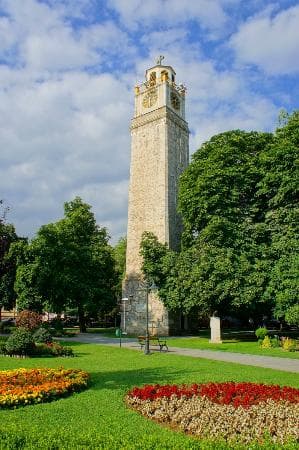
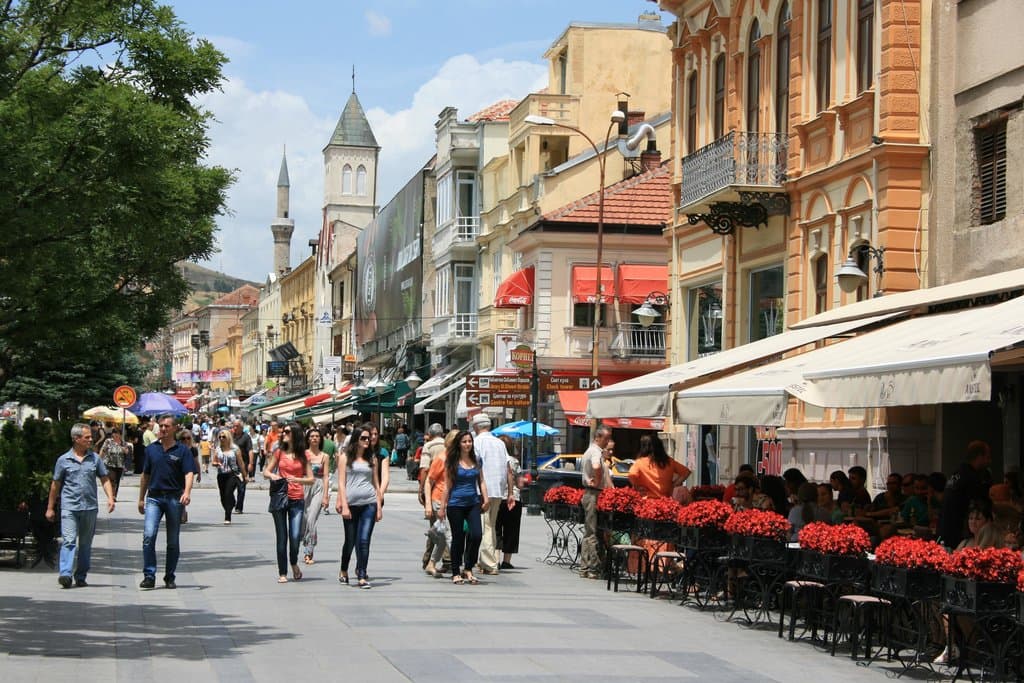
The Church of Saint Demetrius is centrally located in Bitola, making it easily accessible. It's situated near the Clock Tower, a prominent landmark. You can typically walk to it if you are in the city center. Public transport options might be available depending on your starting point within Bitola, but walking is often the most convenient way to reach this historic site.
Parking in the immediate vicinity of the church can be challenging due to its central location. It's advisable to look for public parking lots or street parking a few blocks away and then walk to the church. Consider using a navigation app to find available parking zones in the Bitola city center.
🎫 🎫 Tickets & Entry
Entry to the Church of Saint Demetrius is generally free, as it is an active place of worship. However, donations are often appreciated to help with the upkeep of the church and its precious artworks. Always check for any posted signs regarding entry fees or donation suggestions.
The opening hours for the Church of Saint Demetrius can vary, especially as it is a functioning church. It's best to visit during daylight hours, typically from morning until late afternoon. Some sources suggest it's open during regular church service times. It's advisable to confirm hours locally or check for any recent updates before your visit.
Photography inside the Church of Saint Demetrius is usually permitted, but it's important to be respectful. Avoid using flash photography, especially when near the icons and frescoes, as it can damage the delicate artwork over time. Be mindful of other visitors and any posted signs regarding photography rules.
🎫 🏛️ Onsite Experience
The Church of Saint Demetrius is built in the form of a basilica with three naves. Its construction in 1830 was influenced by Ottoman rules, requiring it to be built lower than the local mosque. The later addition of the bell tower in 1936 adds another distinct architectural element.
The iconography and sculpture were primarily made by the Renza and Miaci families, representatives of the esteemed Debar School of Art. Some icons were also painted by master Davida Selenica, with others attributed to Mihail Anagost and his son Nicolae Mihajlov. The iconostasis dates back to approximately 1730.
The Church of Saint Demetrius is located in the heart of Bitola, adjacent to the famous Clock Tower. Its construction was strategically placed somewhat hidden behind buildings to comply with Ottoman regulations of the time, adding a layer of historical intrigue to its presence in the city center.
Yes, the church houses the head of the holy martyr Aghatanghel in a metal box, inscribed in Greek and dated February 27, 1827. This relic adds to the spiritual and historical significance of the church.
Indeed, scenes from the films 'The Piecemaker' and 'Welcome to Sarajevo' were filmed at the Church of Saint Demetrius, highlighting its picturesque and historically resonant setting.
Social
from TikTok, Instagram & Reddit