
Miani Sahib Graveyard Lahore
Asia's largest graveyard, Miani Sahib in Lahore, is a historical archive holding centuries of stories within its vast expanse.
Highlights
Must-see attractions

Social
From TikTok & Reddit
Best Time
Cooler temperatures, peaceful atmosphere
Miani Sahib Graveyard Lahore
Best Time
Cooler temperatures, peaceful atmosphere
Highlights
Must-see attractions
Asia's largest graveyard, Miani Sahib in Lahore, is a historical archive holding centuries of stories within its vast expanse.
"A historical archive holding centuries of stories, Miani Sahib offers a profound glimpse into Lahore's past."

🚶♀️ Wear Comfortable Shoes
The graveyard is vast; comfortable footwear is essential for exploring its many sections.
👗 Dress Respectfully
As a place of remembrance, modest clothing is highly recommended for all visitors.

Quick Facts
Hours
Rating
4.4 · 235 reviews
Type
Cemetery
Highlights
Discover the most iconic attractions and experiences
Historical Tombstones
Throughout the graveyard
Explore a diverse range of tombstones, from Mughal to colonial eras, each telling a story of Lahore's rich past.
Ghazi Ilm Din Shaheed's Grave
Specific section of the graveyard
Visit the resting place of Ghazi Ilm Din Shaheed, a significant figure in Pakistan's history.

Dullah Bhatti's Grave
Specific section of the graveyard
Pay respects at the grave of Dullah Bhatti, the rebel zamindar of Pindi Bhattian.
Mausoleum of Gul Begum
Secluded plot
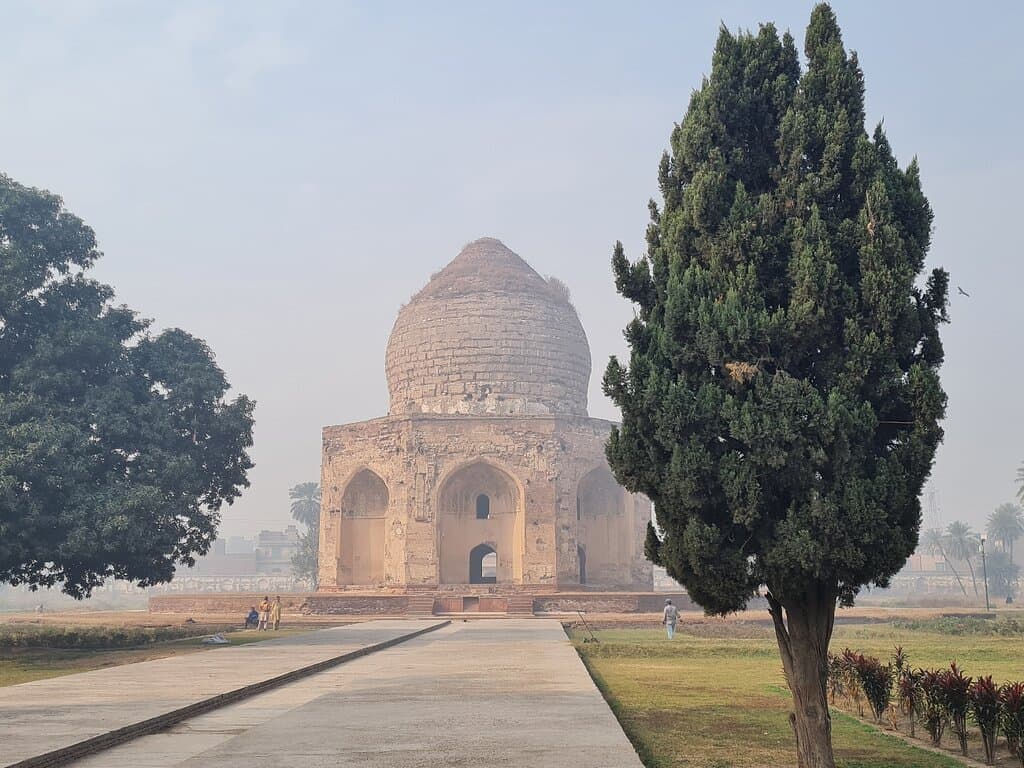
Discover the mausoleum of Gul Begum, a concubine of Sikh ruler Maharaja Ranjit Singh.
Plans like a pro.
Thinks like you
Planning Your Visit
Navigating Miani Sahib Graveyard
Understanding the Graveyard's Significance
Best Times
Insider Tips
from TikTok, Instagram & Reddit
🚶♀️ Wear Comfortable Shoes
The graveyard is vast; comfortable footwear is essential for exploring its many sections.
👗 Dress Respectfully
As a place of remembrance, modest clothing is highly recommended for all visitors.
💧 Stay Hydrated
Especially during warmer months, carry water to stay comfortable while walking.
📸 Be Mindful of Photography
While photos are generally allowed, be discreet and respectful of ongoing ceremonies or private moments.
Tips
from all over the internet
🚶♀️ Wear Comfortable Shoes
The graveyard is vast; comfortable footwear is essential for exploring its many sections.
👗 Dress Respectfully
As a place of remembrance, modest clothing is highly recommended for all visitors.
💧 Stay Hydrated
Especially during warmer months, carry water to stay comfortable while walking.
📸 Be Mindful of Photography
While photos are generally allowed, be discreet and respectful of ongoing ceremonies or private moments.
🗺️ Consider a Guide
For deeper historical insights, hiring a local guide can enhance your understanding.
What Travellers Say
Reviews Summary
Miani Sahib Graveyard is recognized as a historically significant and vast cemetery in Lahore, offering a serene yet profound experience. Visitors appreciate its historical depth, the diverse tombstone architecture, and the peaceful ambiance. However, some find the sheer size overwhelming, and concerns about maintenance and the practicalities of space management, like double-story graves, are noted.
"Today I went to see my brother in law grave in the largest graveyard of Asia located in Lahore. Mohammad Taib Malik"
hasan mashhood
"Miani Sahib Graveyard
In origins of Mughal era, making it one of the oldest graveyard in the region This Graveyard occupies around 1,206 kanals of land and has a capacity of approximately 300,000 graves"
Hamza Ch
"The largest graveyard of Asia located in Lahore. The big name and spiritual saint has been buried there."
Mazhar Bhatti
What People Like
What People Dislike
Frequently Asked Questions
🚇 🗺️ Getting There
Miani Sahib Graveyard is located near the Chauburji area in Lahore. You can reach it by taxi, ride-sharing services (like Uber or Careem), or local buses. It's advisable to use a GPS or map application for precise directions.
Yes, recent renovations have included upgraded facilities, such as proper parking areas, to accommodate visitors.
The graveyard is extensive, so comfortable walking shoes are a must. For longer distances, you might consider hiring a local to guide you or using a private vehicle if permitted.
While there are multiple access points, the main entrances are usually well-marked. It's best to ask your driver to take you to a central or commonly used entrance.
Yes, local bus routes often pass near the Chauburji area, which is close to the graveyard. However, checking current routes and schedules is recommended.
🎫 🎫 Tickets & Entry
Generally, there is no entrance fee to visit Miani Sahib Graveyard. It is a public space for remembrance and historical exploration.
The graveyard is typically open from dawn till dusk. However, it's advisable to visit during daylight hours for safety and better visibility.
No, advance booking or tickets are not required for general visits to Miani Sahib Graveyard.
Visitors are expected to dress modestly and behave respectfully. Photography is generally permitted, but be mindful of private ceremonies.
Visiting at night is generally not recommended due to safety concerns and lack of lighting. It's best to visit during daylight hours.
🎫 🧭 Onsite Experience
Take your time to wander through the different sections. Look for the graves of historical figures and appreciate the varied tombstone designs.
While official guided tours might not be common, you can often find local individuals offering their services as guides for a fee, providing historical context.
Notable figures include Ghazi Ilm Din Shaheed, Dullah Bhatti, and Gul Begum. The graveyard holds the resting places of many scholars, saints, and dignitaries from various eras. 
During daylight hours and with respectful conduct, Miani Sahib Graveyard is generally safe. It's advisable to visit with others and avoid secluded areas, especially after dark.
Recent reports indicate a shortage of burial space, leading to the construction of double-story graves. This reflects a contemporary issue within the historical graveyard.
📸 📸 Photography
Photography is generally allowed, but it's crucial to be respectful. Avoid taking intrusive photos of mourners or during ceremonies.
The historical tombstones, the mausoleum of Gul Begum, and the general serene landscape offer great photographic opportunities. Capture the architectural details and the atmosphere.
Be mindful of the solemn nature of the place. Avoid disruptive flash photography or posing for selfies in sensitive areas.
Drone usage is typically restricted in such sensitive and historical sites. It's best to check local regulations or avoid it altogether.
Focus on capturing the historical architecture, the textures of the tombstones, and the overall tranquil ambiance to convey the graveyard's essence.




Social
from TikTok, Instagram & Reddit