Coiba Island Coastal Trail
Coiba Island: A remote Pacific paradise, a UNESCO World Heritage site teeming with marine life and unique terrestrial species.

Highlights
Must-see attractions

Social
From TikTok & Reddit
Best Time
Dry season, calm seas
Coiba Island Coastal Trail
Best Time
Dry season, calm seas
Highlights
Must-see attractions
Coiba Island: A remote Pacific paradise, a UNESCO World Heritage site teeming with marine life and unique terrestrial species.
"Coiba is the underwater Jurassic Park, a truly wild and unforgettable natural wonder!"
Book Tours in Advance
Coiba is remote; book boat tours and accommodations ahead of time. 🎟️
Pack for Sun & Sea
Bring reef-safe sunscreen, hats, and swimwear. :sunwithface:
Quick Facts
Highlights
Discover the most iconic attractions and experiences
Underwater Jurassic Park
Coiba National Park Marine Area
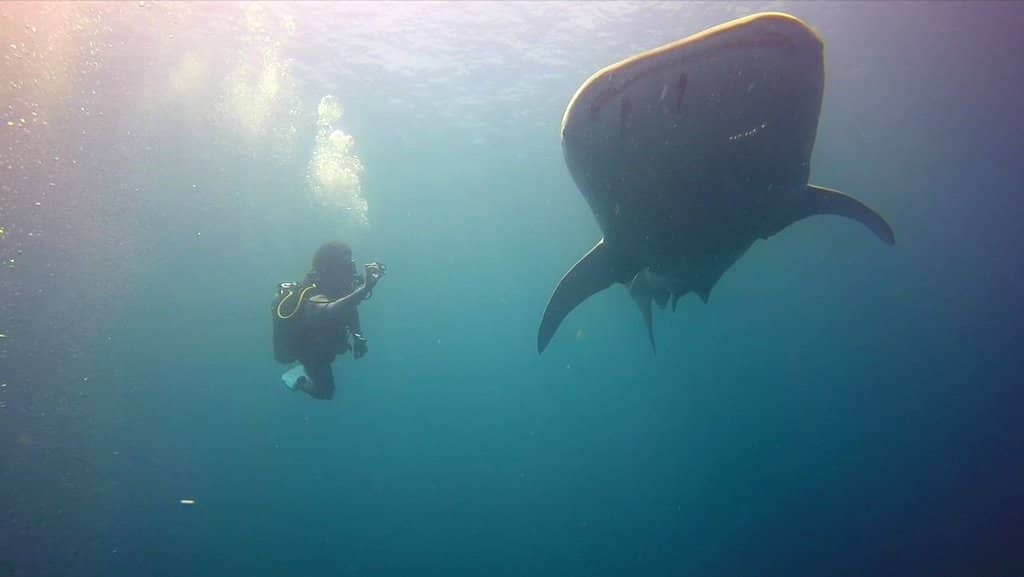
Dive or snorkel among whale sharks, manta rays, and vibrant coral reefs. It's an underwater wonderland!
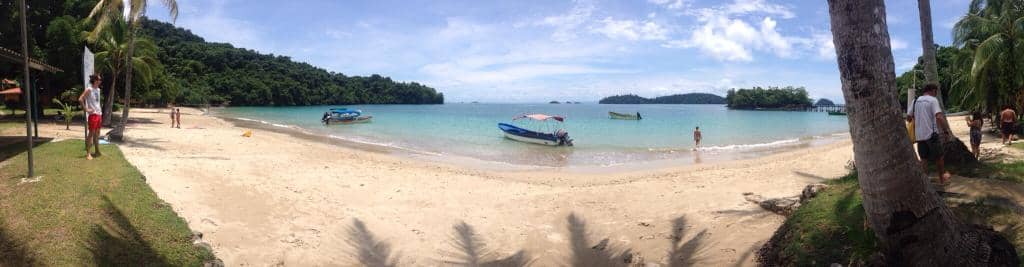
Pristine Beaches
Various islands within Coiba
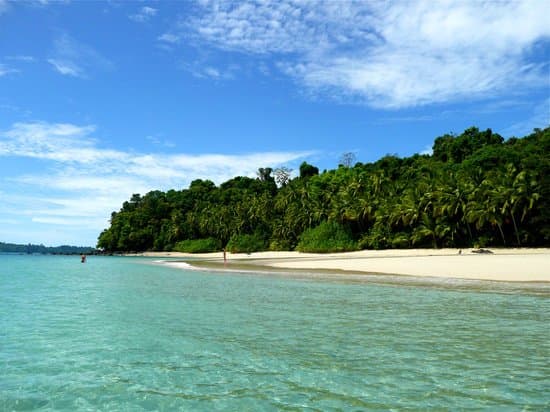
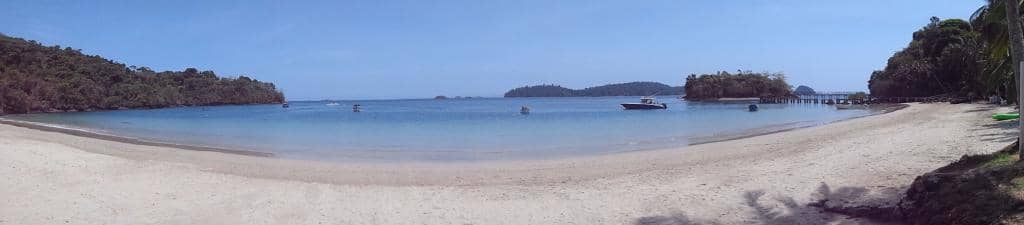
Discover untouched, white-sand beaches with crystal-clear waters. Perfect for relaxation and soaking up the sun.
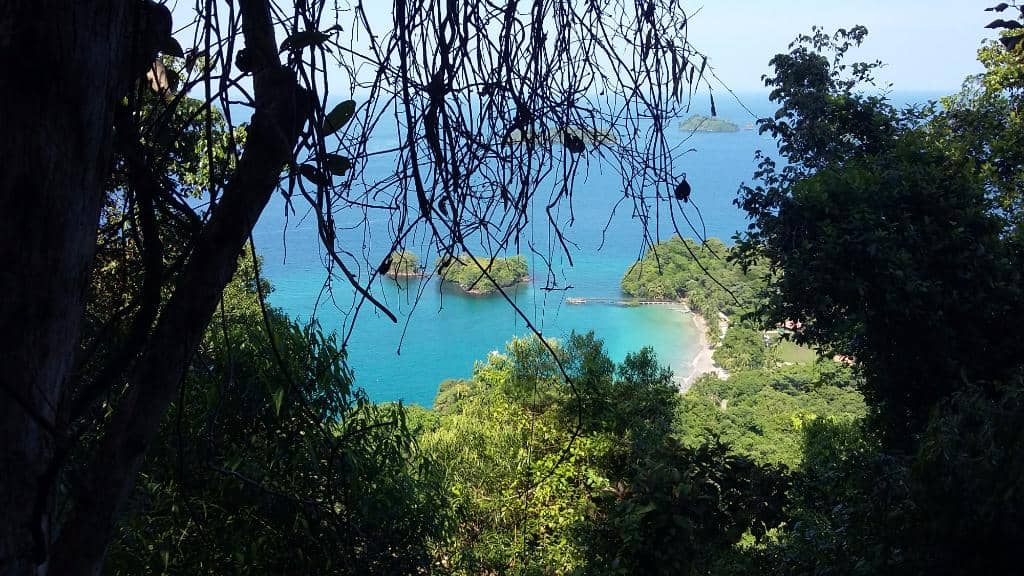
Endemic Wildlife Spotting
Coiba Island Terrestrial Areas
Hike through lush forests to spot unique species like the Coiba howler monkey and scarlet macaw.
Former Penal Colony History
Coiba Island
Explore the remnants of the infamous penal colony, adding a layer of intriguing history to the natural beauty.
Plans like a pro.
Thinks like you
Planning Your Visit
Plan Your Coiba Adventure
Respect the Pristine Environment
Best Times
Insider Tips
from TikTok, Instagram & Reddit
Book Tours in Advance
Coiba is remote; book boat tours and accommodations ahead of time. 🎟️
Pack for Sun & Sea
Bring reef-safe sunscreen, hats, and swimwear. :sunwithface:
Seasickness Preparedness
The 90-minute boat ride can be choppy. Bring medication if needed. 💊
Respect Wildlife
Observe animals from a distance and never feed them. 👀
Tips
from all over the internet
Book Tours in Advance
Coiba is remote; book boat tours and accommodations ahead of time. 🎟️
Pack for Sun & Sea
Bring reef-safe sunscreen, hats, and swimwear. :sunwithface:
Seasickness Preparedness
The 90-minute boat ride can be choppy. Bring medication if needed. 💊
Respect Wildlife
Observe animals from a distance and never feed them. 👀
Bring Cash
Many local operators and vendors prefer cash. :moneybag:
What Travellers Say
Reviews Summary
Coiba National Park is celebrated for its breathtaking marine biodiversity and pristine natural beauty, offering unparalleled snorkeling and diving experiences. Visitors rave about the healthy coral reefs, abundant fish, and the chance to see large marine animals. However, the journey can be challenging with rough seas, and some find the water clarity inconsistent.
"Coiba National Park is renowned for its exceptional biodiversity and pristine ecosystems, making it a haven for wildlife and a popular destination for nature enthusiasts. Its isolation, stemming from its history as a penal colony, has helped preserve its natural state, resulting in healthy coral reefs, abundant marine life, and unique terrestrial species.
Here's a more detailed look at why Coiba National Park is considered so special:
1. Exceptional Marine Biodiversity:
Rich Fish Life:
The park boasts a vast array of marine life, including 760 species of fish, 33 species of sharks, and 20 species of cetaceans (whales and dolphins).
Coral Reefs:
The coral reefs are remarkably healthy and serve as a refuge and source of replenishment for other islands during events like El Niño.
Large Pelagic Species:
The waters are known for attracting large pelagic species like whale sharks, manta rays, and humpback whales, especially during specific seasons.
Migration Corridor:
The park is an important seasonal habitat for migratory species within the Tropical Eastern Pacific Marine Corridor.
2. Unique Terrestrial Ecosystems:
Endemic Species:
Coiba Island is home to numerous endemic species of mammals, birds, and plants.
Last Refuge:
It serves as the last refuge for several threatened species that have disappeared from other parts of Panama, such as the crested eagle and the scarlet macaw.
Tropical Moist Forest:
Coiba Island is one of the last remaining relics of tropical moist forest in Pacific Central America.
Unlogged Forests:
A significant portion of the island's forests has never been logged, contributing to its pristine condition.
3. Conservation Importance:
Ecological Link:
The park acts as a crucial ecological link to the Tropical Eastern Pacific, making it a valuable area for scientific research.
Whole Ecosystem Protection:
Its large size allows for the protection of a complete and healthy ecosystem, unlike many smaller protected areas.
High Level of Protection:
It's a World Heritage Site and a Special Zone of Marine Protection, highlighting its significance for global conservation.
4. Pristine and Remote:
Little Human Impact: Coiba Island has experienced relatively little human impact for centuries, further contributing to its exceptional state of preservation.
Protected Marine Area: The marine life within the park is protected from industrial fishing.
Remote Location: Its remote location and lack of accessibility for many years have helped maintain its natural state."
Brayden O'Neill
"Beautiful! Snorkeling was fantastic and the beaches were flawless.
However, don't recommend if less than perfect weather conditions, ride to island 90 min in very choppy water."
Christine Meier
"Truly an honour to know and share this place. Further protection of heavily visited areas and putting limits in place will soon be necessary."
Michael McKenzie
What People Like
What People Dislike
Frequently Asked Questions
🚇 🗺️ Getting There
Most visitors travel from Santa Catalina, Veraguas. Boat tours to Coiba National Park typically depart from here and take about 90 minutes. Booking a tour in advance is essential, as there's no public transport. +1
You can reach Santa Catalina by bus or private shuttle from major cities like Panama City or Santiago. The journey can be long, so consider an overnight stay in Santiago if needed.
No, there are no public ferries to Coiba Island. Access is exclusively through organized boat tours and excursions.
Pack light clothing, swimwear, a hat, sunglasses, reef-safe sunscreen, and a waterproof bag for your electronics. Motion sickness medication is highly recommended due to potentially rough seas.
There are no airports on Coiba Island. All access is by sea.
🎫 🎫 Tickets & Entry
Yes, there is an entrance fee for Coiba National Park. This fee is usually included in tour packages, but confirm with your tour operator.
Tour prices vary depending on the duration and activities (snorkeling, diving, island hopping). Expect to pay anywhere from $100-$200+ for a day trip.
Yes, tours range from day trips focused on snorkeling and beach visits to multi-day diving expeditions. Some tours also include visits to the former penal colony. +1
No, independent travel to Coiba is not feasible. All visitors must arrive via an authorized tour operator.
Coiba National Park is generally accessible during daylight hours for tours. Specific park opening and closing times are managed by tour operators and park authorities.
🎫 🐠 Onsite Experience
Isla Rancheria is frequently cited as a top snorkeling spot with abundant colorful fish and marine life. +1 The park's healthy reefs offer fantastic visibility.
Coiba is famous for its diverse marine life, including sharks (reef sharks, hammerheads), sea turtles, rays, dolphins, and a huge variety of fish. Whale sharks and humpback whales are seasonal visitors. +1
Yes, there are trails on Coiba Island, offering opportunities to see endemic terrestrial species like monkeys and birds. +1
Absolutely! Coiba is considered one of the best diving destinations in Panama, with healthy coral reefs and abundant large marine life. +1
Coiba Island was a notorious penal colony until 2004. Visitors can explore some of the old prison structures, adding a unique historical dimension to the trip.
📸 📸 Photography
Capture stunning underwater shots of marine life, pristine beaches, lush rainforests, and the historic penal colony ruins. +1
A waterproof camera or a waterproof case for your phone is highly recommended for snorkeling and boat trips to protect your gear from water and spray.
Early mornings and late afternoons offer softer light for landscape photography. Underwater photography is best when the sun is high for optimal visibility.
Drone usage may be restricted within national parks. It's best to check with park authorities or your tour operator before flying a drone.
Isla Rancheria's vibrant reefs, the secluded beaches, and the imposing structures of the old prison are all highly photogenic.
Social
from TikTok, Instagram & Reddit