
Bajo Mono Valley
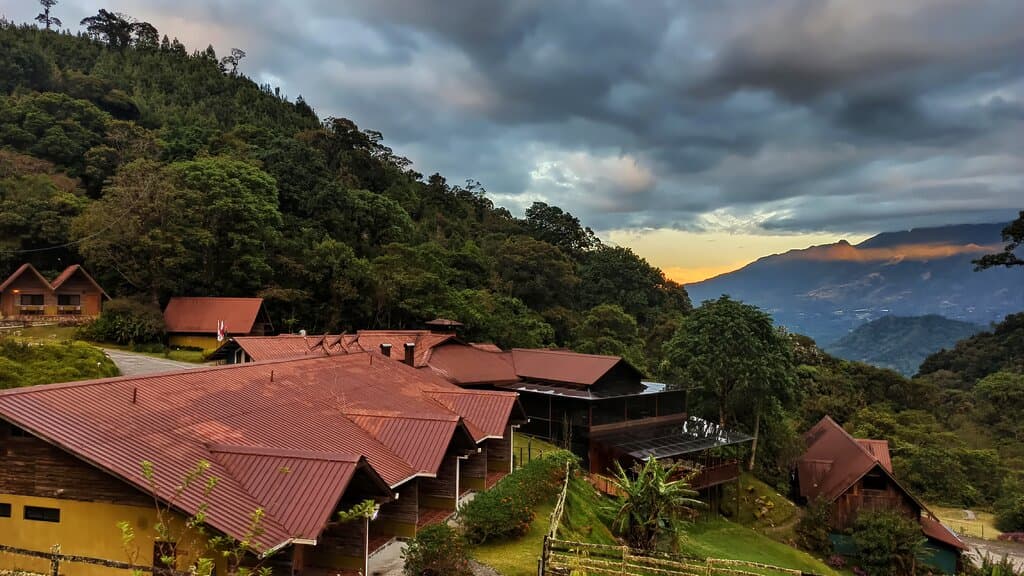
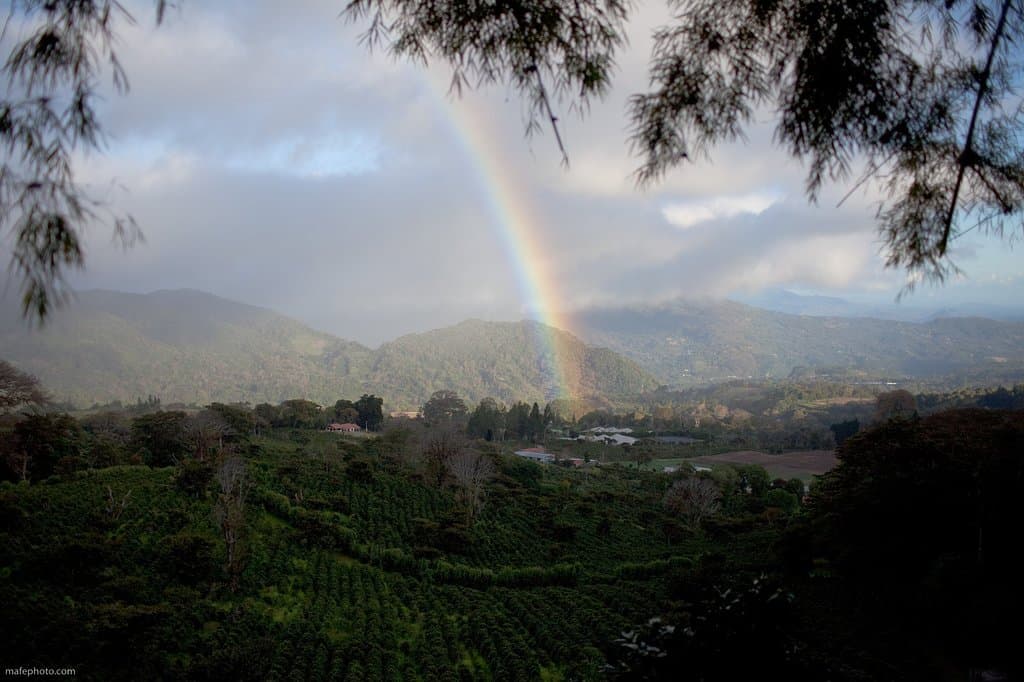
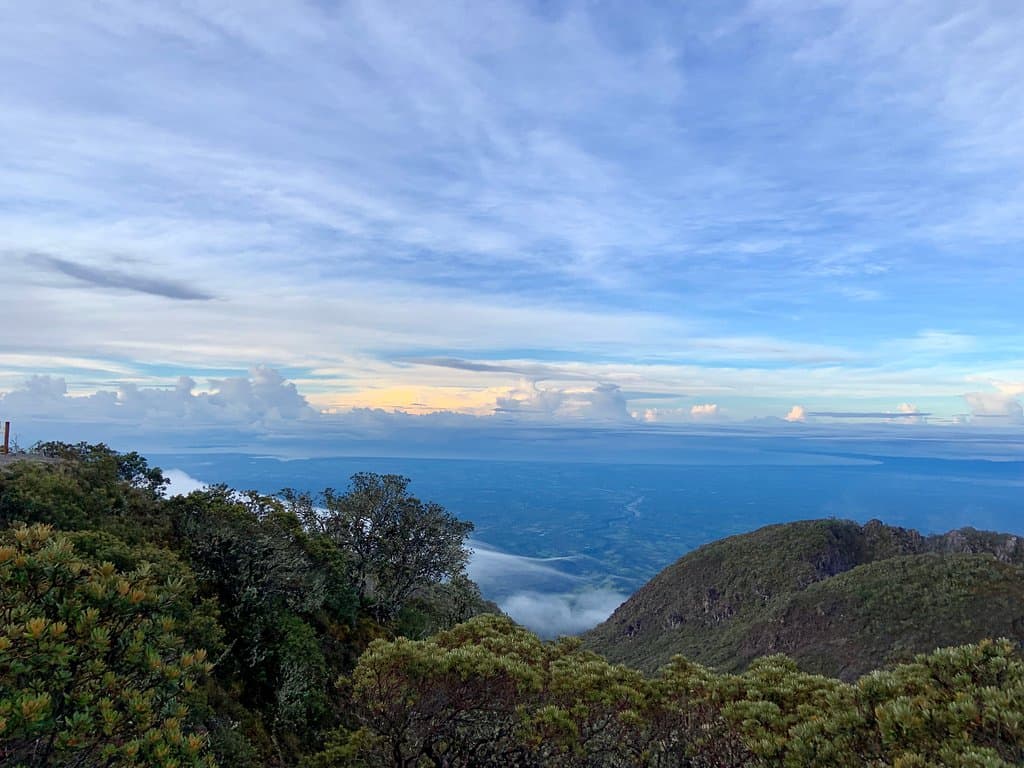
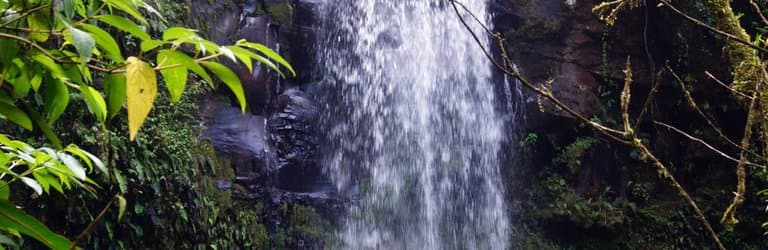
Discover the mystical Bajo Mono Valley, a high-altitude cloud forest teeming with rare birds, lush flora, and cascading waterfalls. An adventurer's pa...
Highlights
Must-see attractions

Social
From TikTok & Reddit
Best Time
Clearer skies, better visibility
Bajo Mono Valley
Best Time
Clearer skies, better visibility
Highlights
Must-see attractions
Discover the mystical Bajo Mono Valley, a high-altitude cloud forest teeming with rare birds, lush flora, and cascading waterfalls. An adventurer's paradise.

Pack for Rain ☔
Cloud forest means frequent mist and rain. Waterproof jacket, pants, and sturdy, waterproof boots are essential.
Bring Cash 💰
Many local establishments and small lodges are cash-only. ATMs are scarce in the valley.

Quick Facts
Highlights
Discover the most iconic attractions and experiences
Cloud Forest Trails
Various trailheads throughout the valley
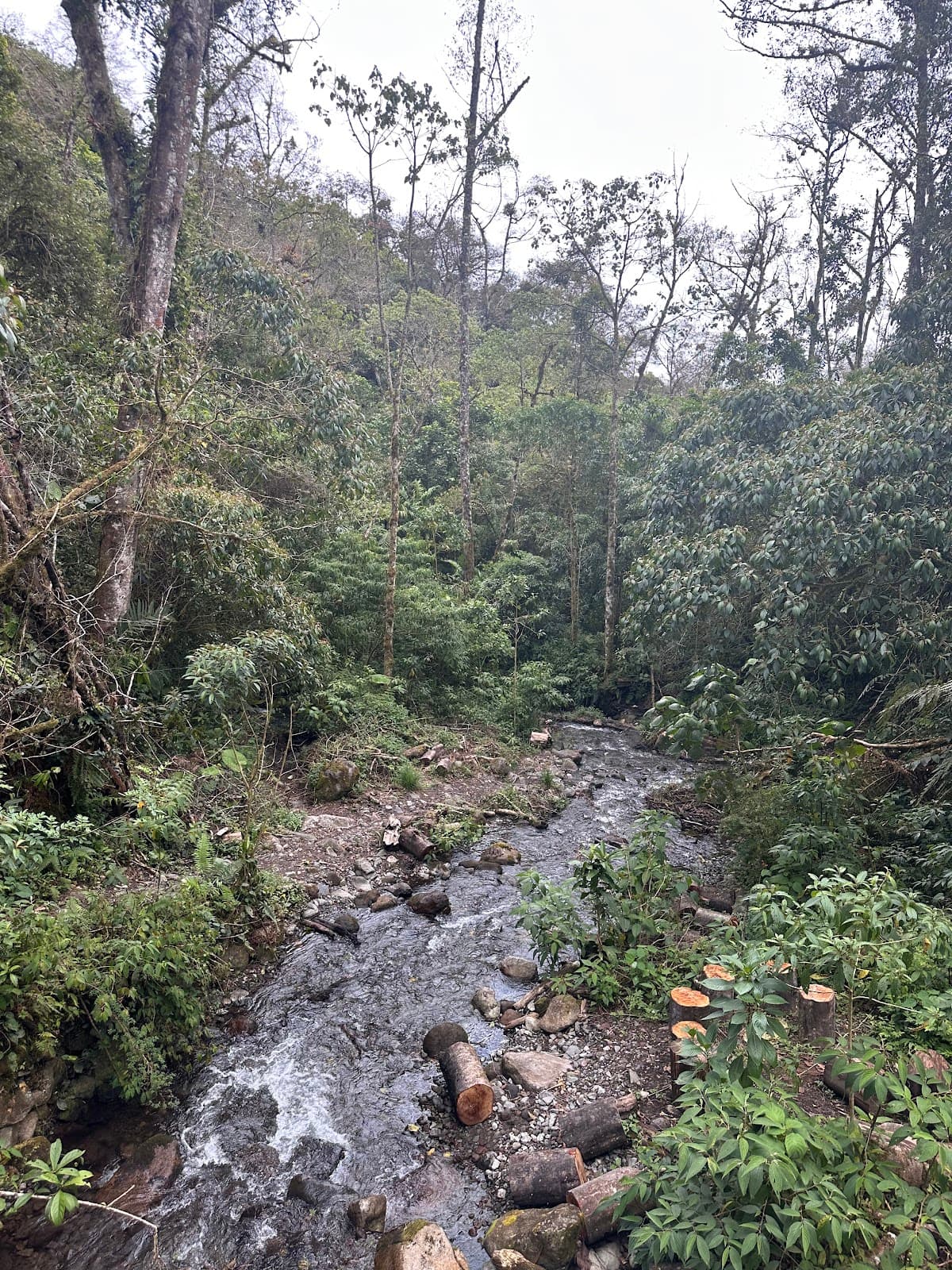
Wander through lush, misty forests teeming with unique flora and fauna. Listen to the symphony of nature.
Waterfalls Galore
Numerous cascades
Discover hidden waterfalls, from gentle streams to powerful cascades, often shrouded in mist.

Birdwatching Paradise
Canopy and forest floor
Spot endemic birds like the Resplendent Quetzal and a myriad of other colorful avian species.
Plans like a pro.
Thinks like you
Planning Your Visit
Embrace the Cloud Forest
Plan for Limited Services
Best Times
Insider Tips
from TikTok, Instagram & Reddit
Pack for Rain ☔
Cloud forest means frequent mist and rain. Waterproof jacket, pants, and sturdy, waterproof boots are essential.
Bring Cash 💰
Many local establishments and small lodges are cash-only. ATMs are scarce in the valley.
Altitude Awareness ⛰️
The valley is at high altitude. Take it easy on arrival, stay hydrated, and avoid strenuous activity initially.
Hire a Local Guide 🚶
Guides enhance wildlife spotting and trail navigation, offering invaluable local knowledge.
Tips
from all over the internet
Pack for Rain ☔
Cloud forest means frequent mist and rain. Waterproof jacket, pants, and sturdy, waterproof boots are essential.
Bring Cash 💰
Many local establishments and small lodges are cash-only. ATMs are scarce in the valley.
Altitude Awareness ⛰️
The valley is at high altitude. Take it easy on arrival, stay hydrated, and avoid strenuous activity initially.
Hire a Local Guide 🚶
Guides enhance wildlife spotting and trail navigation, offering invaluable local knowledge.
What Travellers Say
Reviews Summary
Visitors rave about the breathtaking natural beauty and the immersive cloud forest experience. The abundance of wildlife, stunning waterfalls, and the chance to see rare birds like the Quetzal are major highlights. However, some find the limited services, rough roads, and unpredictable weather challenging.
What People Like
What People Dislike
Frequently Asked Questions
🚇 🗺️ Getting There
The most common way to reach Bajo Mono Valley is by driving from Boquete. The roads can be rough and unpaved in sections, so a 4x4 vehicle is highly recommended. Public transport is limited, but you might find shared taxis or buses heading towards the general area, though they may not go all the way into the valley itself. It's advisable to arrange transport in advance or consider hiring a local driver.
Public transport directly into Bajo Mono Valley is very limited. While buses and colectivos (shared taxis) run between larger towns like Boquete, reaching the valley floor often requires a private taxi, a rental car (preferably 4x4), or joining a guided tour that includes transportation.
A 4x4 vehicle is strongly recommended for navigating the unpaved and often muddy roads within Bajo Mono Valley. Standard cars may struggle, especially during the rainy season, and could get stuck.
Bajo Mono Valley is located a short drive from Boquete, typically around 30-45 minutes depending on road conditions and your specific destination within the valley. The scenic drive itself offers beautiful views.
Yes, many tour operators in Boquete offer guided tours to Bajo Mono Valley. These tours often include transportation, a local guide, and sometimes packed lunches, making it a convenient option for exploring the area.
🎫 🎫 Tickets & Entry
There isn't a single entrance ticket for the entire Bajo Mono Valley. However, individual attractions like private reserves, some trails, or specific waterfalls might have small entrance fees. It's best to check with your accommodation or guide about any specific fees for the areas you plan to visit.
Bajo Mono Valley is a natural area and doesn't have set opening hours like a park. You can visit at any time, but it's best to plan your visit during daylight hours for safety and better visibility, especially for hiking and wildlife viewing.
While not a formal 'conservation fee' for the entire valley, some private landowners or reserves within the valley may charge a small fee for access to their trails or specific natural features to help with maintenance and conservation efforts.
You can visit Bajo Mono Valley without a guide, but hiring one is highly recommended. Guides are invaluable for spotting wildlife, navigating trails safely, and understanding the local ecosystem. Many trails are not well-marked.
Some of the more accessible or developed waterfalls might have a small entrance fee charged by the local community or private owners. However, many smaller, less-visited cascades are freely accessible.
🎫 🧭 Onsite Experience
The best trails depend on your fitness and interests. Popular options include trails leading to waterfalls like the 'Cascada El Silencio' or routes through private reserves known for birdwatching. Always check trail conditions and consider hiring a guide for more challenging routes.
Bajo Mono Valley is a biodiversity hotspot. You can spot various bird species, including the Resplendent Quetzal, toucans, and hummingbirds. Keep an eye out for monkeys, sloths, and diverse insect and amphibian life. A good pair of binoculars is a must!
Yes, Bajo Mono Valley can be suitable for families, especially those who enjoy nature. Opt for shorter, well-maintained trails and consider hiring a guide who can engage children with stories about the local flora and fauna. Be prepared for the weather and altitude.
Wear layers of quick-drying clothing. Include a waterproof and windproof jacket, long pants to protect against insects and scratches, and sturdy, waterproof hiking boots with good grip. A hat and sunglasses are also useful.
Facilities are very limited. Some private reserves or lodges might have restrooms. It's best to use facilities before you enter the valley or at your accommodation. Pack out everything you pack in.
🍽️ 🍽️ Food & Dining
Dining options are scarce. Your best bet is to eat at your lodge if it offers meals, or at small, local 'sodas' (eateries) if you find them. Many visitors opt to pack their own lunches and snacks for day trips into the valley.
There are very few formal restaurants in Bajo Mono Valley. The available options are typically simple, family-run 'sodas' that serve local Panamanian cuisine. It's wise to confirm their operating hours and availability.
Convenience stores or small shops are rare. It's highly recommended to purchase all your food, snacks, and drinks before arriving in the valley, especially if you plan on hiking or spending a full day exploring.
If you find a local 'soda,' you can expect traditional Panamanian dishes like 'casado' (rice, beans, plantains, and a choice of meat or fish), soups, and fresh juices. The focus is on simple, hearty, home-style cooking.
Absolutely. Bringing your own food, including sandwiches, snacks, and plenty of water, is highly recommended. This gives you flexibility, ensures you have sustenance during hikes, and saves you from potential disappointment if local options are closed or unavailable.
📸 📸 Photography
Anywhere with mist! The cloud forest itself, with its moss-draped trees and filtered light, is incredibly photogenic. Waterfalls, unique flora, and opportunities for bird photography are also prime subjects. Look for dramatic landscapes and intimate forest scenes.
A wide-angle lens is great for capturing the expansive forest and misty landscapes. A telephoto lens is essential for birdwatching and wildlife photography. A sturdy tripod can help with low-light conditions. Most importantly, protect your gear from moisture with waterproof bags or covers.
The mist can be challenging but also creates stunning photographic opportunities. You'll need to manage lens condensation and potentially use a faster shutter speed or higher ISO for moving subjects like birds. Embrace the atmospheric conditions!
Generally, there are no specific restrictions on photography in the natural areas of Bajo Mono Valley. However, if you visit private reserves or lodges, it's always polite to ask about their specific policies, especially regarding commercial photography.
Early mornings often offer the best light before the clouds fully set in, and you might catch some wildlife activity. However, the diffused light and atmospheric mist during midday can also create magical, moody shots. Experiment with different times.

Social
from TikTok, Instagram & Reddit