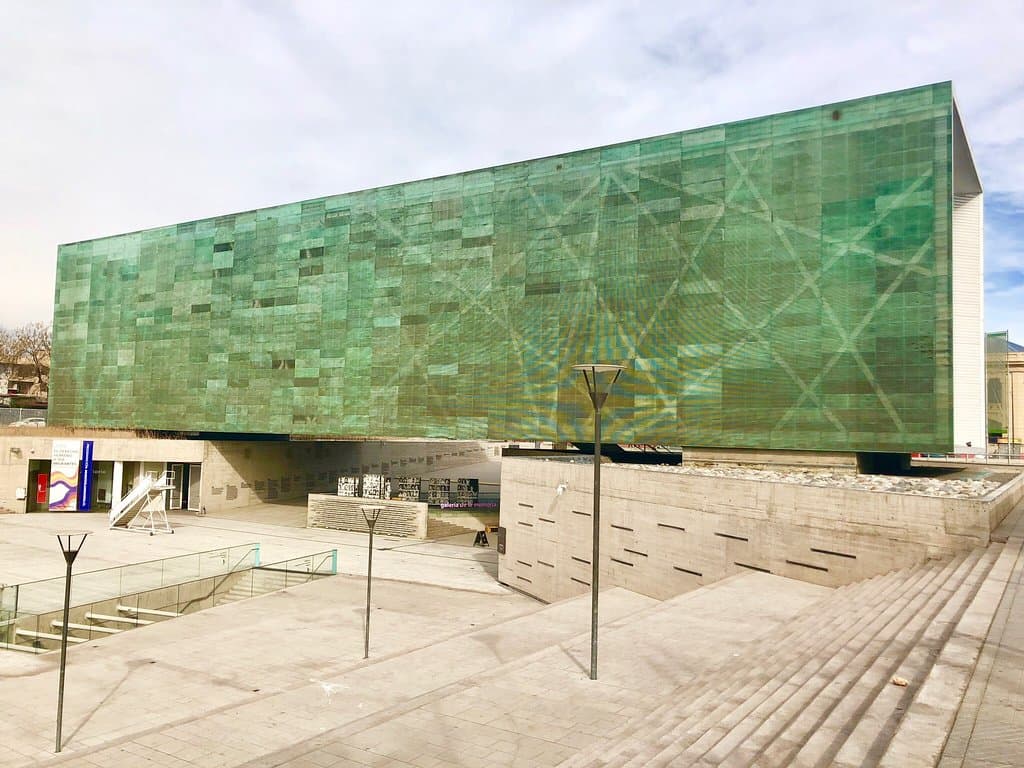
Museo de las Memorias Dictadura y Derechos Humanos
A poignant museum in a former repression center, detailing Paraguay's dictatorial past and human rights abuses.
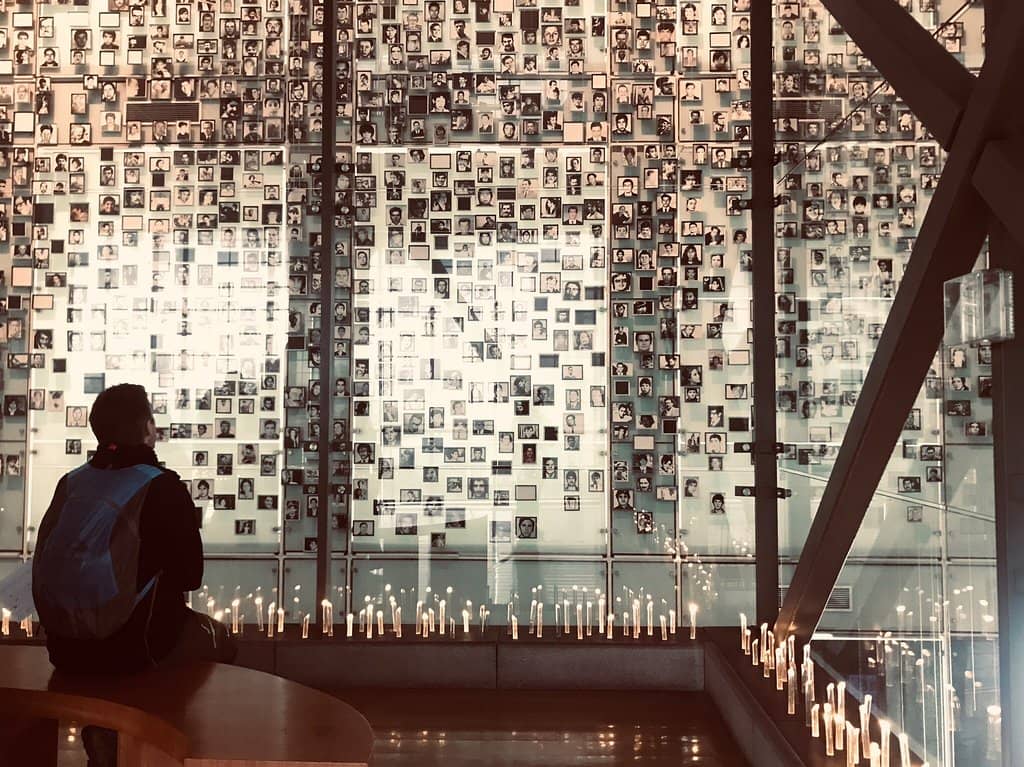
Highlights
Must-see attractions

Social
From TikTok & Reddit
Best Time
Fewer crowds, more reflection
Museo de las Memorias Dictadura y Derechos Humanos
Best Time
Fewer crowds, more reflection
Highlights
Must-see attractions
A poignant museum in a former repression center, detailing Paraguay's dictatorial past and human rights abuses.
"This is by far the best museum I visited in Asunción. Highly recommended!!"
Confirm Opening Hours
Call or email ahead to ensure the museum is open, as schedules can be inconsistent. ☎️
Bring Your ID
A copy of your passport or ID may be required for entry. :id:
Quick Facts
Highlights
Discover the most iconic attractions and experiences
Original Prison Cells
Inside the museum
Step into the chilling reality of former prison cells where political prisoners were held and tortured.
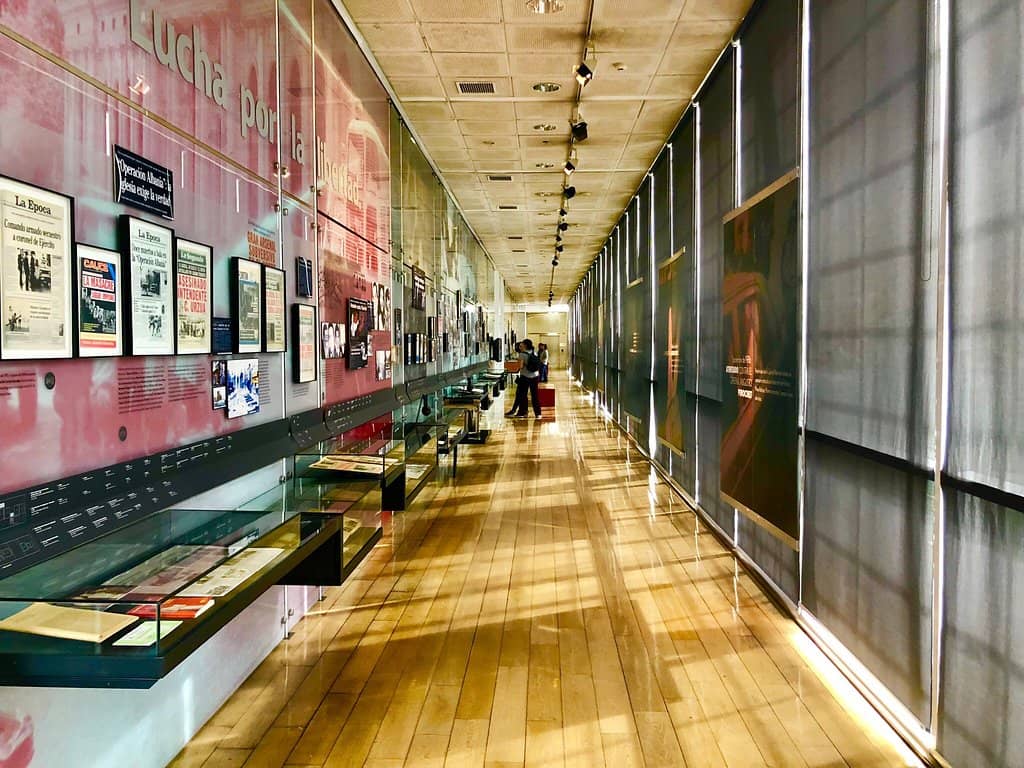
Archive Photos & Documents
Exhibition halls
See powerful historical evidence, including photographs and documents from the dictatorship era.
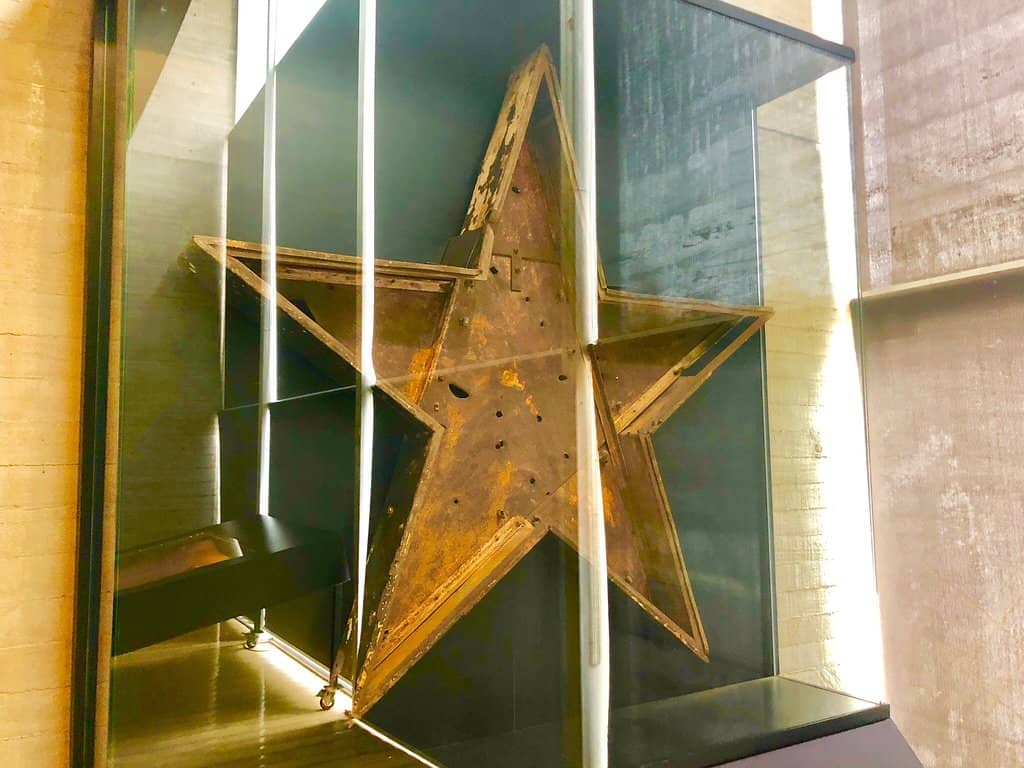
Torture Equipment Exhibits
Exhibition halls
Understand the brutal methods used with displays of actual torture instruments.
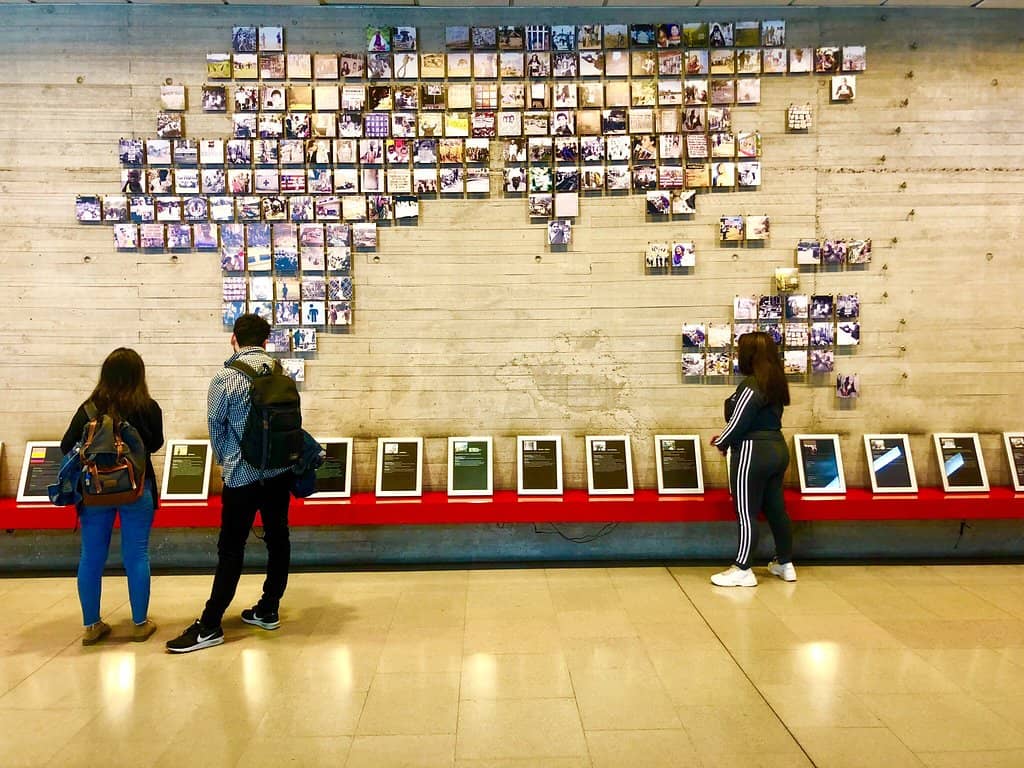
Information on Victims
Exhibition halls
Learn the stories of those who were tortured, killed, or disappeared during this dark period.
Plans like a pro.
Thinks like you
Planning Your Visit
Timing is Crucial
Language Barrier & Emotional Impact
Best Times
Insider Tips
from TikTok, Instagram & Reddit
Confirm Opening Hours
Call or email ahead to ensure the museum is open, as schedules can be inconsistent. ☎️
Bring Your ID
A copy of your passport or ID may be required for entry. :id:
Spanish Language Only
All exhibit information is in Spanish. Consider a translation app if needed. :speech_balloon: +1
Prepare for Emotion
The exhibits are moving and detail sensitive historical events. :sob:
Tips
from all over the internet
Confirm Opening Hours
Call or email ahead to ensure the museum is open, as schedules can be inconsistent. ☎️
Bring Your ID
A copy of your passport or ID may be required for entry. :id:
Spanish Language Only
All exhibit information is in Spanish. Consider a translation app if needed. :speech_balloon: +1
Prepare for Emotion
The exhibits are moving and detail sensitive historical events. :sob:
Free Entry & Donations
Admission is free, but donations are appreciated to support the museum. :moneybag:
What Travellers Say
Reviews Summary
Visitors find the Museo de las Memorias Dictadura y Derechos Humanos to be a very interesting and emotionally moving experience, offering a crucial look into the country's dictatorial past. The exhibits, including original prison cells and historical documents, are highly informative, though all information is exclusively in Spanish. While some appreciate the free entry and the opportunity to learn, others have encountered issues with inconsistent opening hours.
"Very interesting museum about the dictatorship and it's human rights' abuses, including archive photos and documents, torture equipment, information about those tortured, killed and "disappeared", in a house where political prisoners were imprisoned and tortured. You can see the cells. The museum is free to enter and is open even on a Monday when others in Asuncion are closed. I was asked to show ID on arrival, a copy of my passport sufficed. All the written information is in Spanish only. Has toilets. On a Monday morning between 9 and 10am, I was the only visitor."
Lyndsey
"Very well-done and emotionally moving exhibits. All information is only available in Spanish. Exhibit info comprehensively shares the story of the repression and punishment during the dictatorship. As a foreigner, I learned a lot and am grateful for the moving experience of my visit and all that I learned. This is by far the best museum I visited in Asunción. Reading all the info available, my visit lasted about 1 hour. Highly recommended!!"
Melissa Houston
"Interesting former interrogation site from the most recent dictatorship era. Exhibits describe the secret police, use of integration sites and detention centers, and a bit about the opposition in exile. There are some recreated integration cells at the end. Spanish only. Free."
Josiah Wadsack
What People Like
What People Dislike
Frequently Asked Questions
🚇 🗺️ Getting There
The museum is located in Asunción, Paraguay. While specific public transport details are scarce, it's often described as being in a central area. Taxis or ride-sharing services are reliable options.
Information on dedicated parking is limited. If driving, look for street parking or nearby public parking lots.
From downtown Asunción, a short taxi or ride-share will efficiently bring you to the museum. Walking might be an option depending on your starting point.
One reviewer mentioned the old red police car parked outside as a visual cue for the entrance.
While not explicitly detailed in visitor accounts, it's advisable to check local bus routes or inquire upon arrival for the most up-to-date public transport information.
🎫 🎫 Tickets & Entry
Admission to the museum is free. However, visitors are encouraged to leave a donation to support its important work. +1
Advance booking is generally not required as entry is free. However, it's always a good idea to confirm opening hours.
Opening hours can be inconsistent. It's highly recommended to call or email the museum to confirm their schedule before your visit, as some visitors have found it closed during stated hours.
No specific age restrictions are mentioned, but the content is sensitive and deals with mature historical themes.
Visitors have reported being asked to show ID, with a copy of a passport sufficing.
🎫 🏛️ Onsite Experience
The museum features exhibits on the dictatorship era, including archive photos, documents, torture equipment, and information about victims. You can also see original prison cells. +1
No, all written information and exhibit details are exclusively in Spanish. +1
A visit typically lasts about one hour, allowing time to read through the exhibits and absorb the information.
While there are no explicit age restrictions, the museum deals with sensitive and disturbing topics related to human rights abuses and torture, which may not be suitable for younger children.
Yes, the museum has restrooms available for visitors.
📸 📸 Photography
Photography policies can vary. It's best to look for signage within the museum or ask staff if photography is permitted, especially in sensitive areas. +1
Given the sensitive nature of the exhibits, it's possible that photography may be restricted in certain areas, particularly those displaying personal artifacts or depicting graphic content.
While the focus is on historical learning, the exterior architecture and any designated exhibit areas might offer photo opportunities.
A smartphone is usually sufficient for capturing memories. If you plan on taking extensive photos, check if professional camera equipment is allowed.
Flash photography is often prohibited in museums to protect artifacts and avoid disturbing other visitors. It's a good practice to assume flash is not allowed unless otherwise stated.
Social
from TikTok, Instagram & Reddit