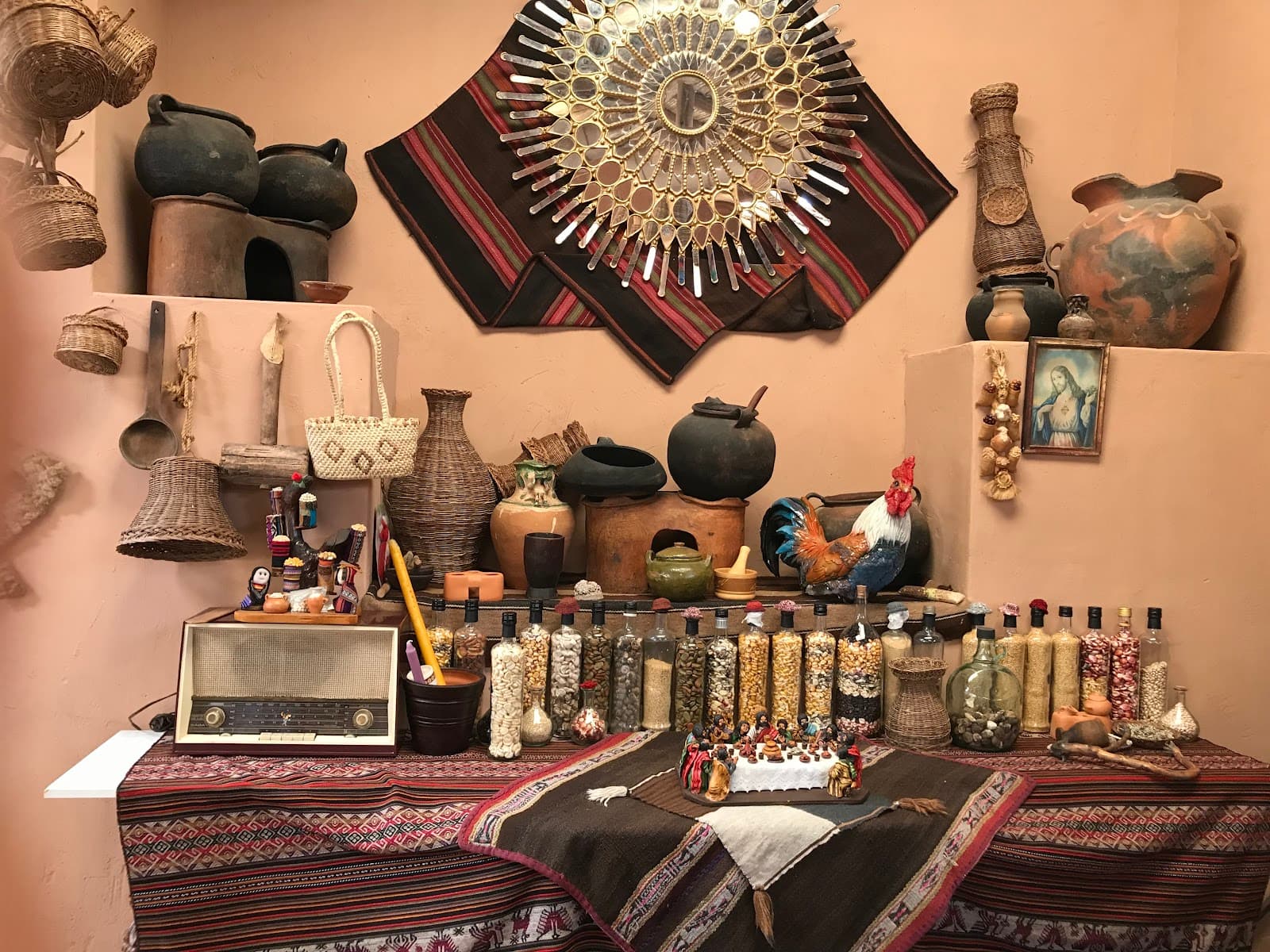
Chinchero Textile Center
Chinchero is a vibrant Andean village renowned for its living textile traditions, where ancient weaving and natural dyeing techniques are preserved an...
Highlights
Must-see attractions

Social
From TikTok & Reddit
Best Time
More intimate demonstrations
Chinchero Textile Center
Best Time
More intimate demonstrations
Highlights
Must-see attractions
Chinchero is a vibrant Andean village renowned for its living textile traditions, where ancient weaving and natural dyeing techniques are preserved and celebrated.
"Witness the magic of natural dyeing and intricate weaving techniques passed down through generations."
🤝 Engage with Artisans
Chat with the weavers; they love sharing their craft and stories. Many centers offer interactive experiences.
💰 Support Local Artisans
Purchasing directly from the centers ensures artisans benefit directly from your visit.

Highlights
Discover the most iconic attractions and experiences
Live Textile Demonstrations
Textile Centers (e.g., Centro Textil Parwa, Centro de Textiles Tradicionales del Cusco)
Witness the magic of natural dyeing and intricate weaving techniques passed down through generations. See how vibrant colors are extracted from plants and minerals.
 +8
+8Artisanal Shopping
Textile Centers and Chinchero Market
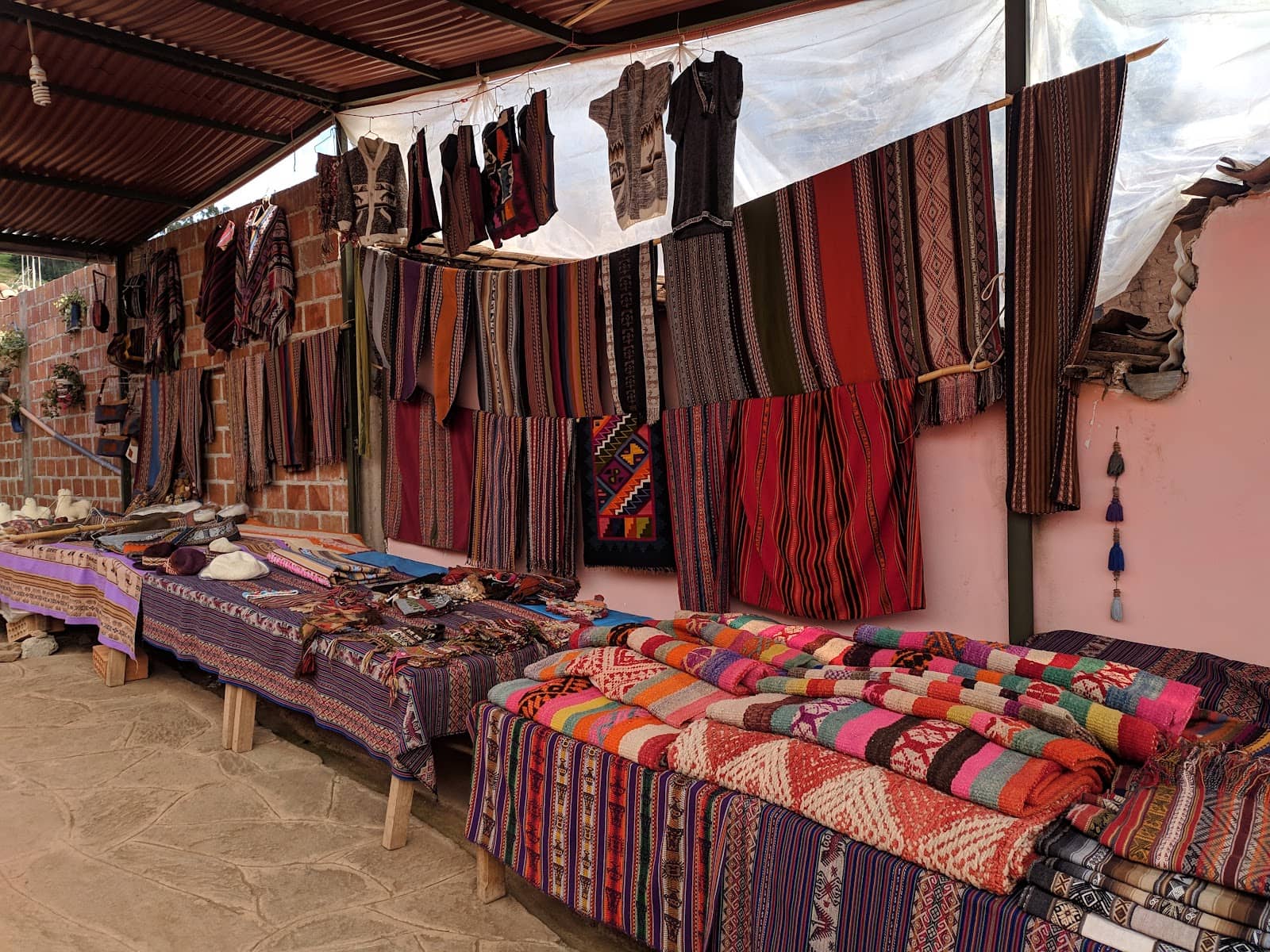
Acquire unique, handcrafted textiles directly from the artisans. From intricate scarves to cozy alpaca sweaters, find authentic souvenirs that tell a story.
Natural Dyeing Process
Textile Centers
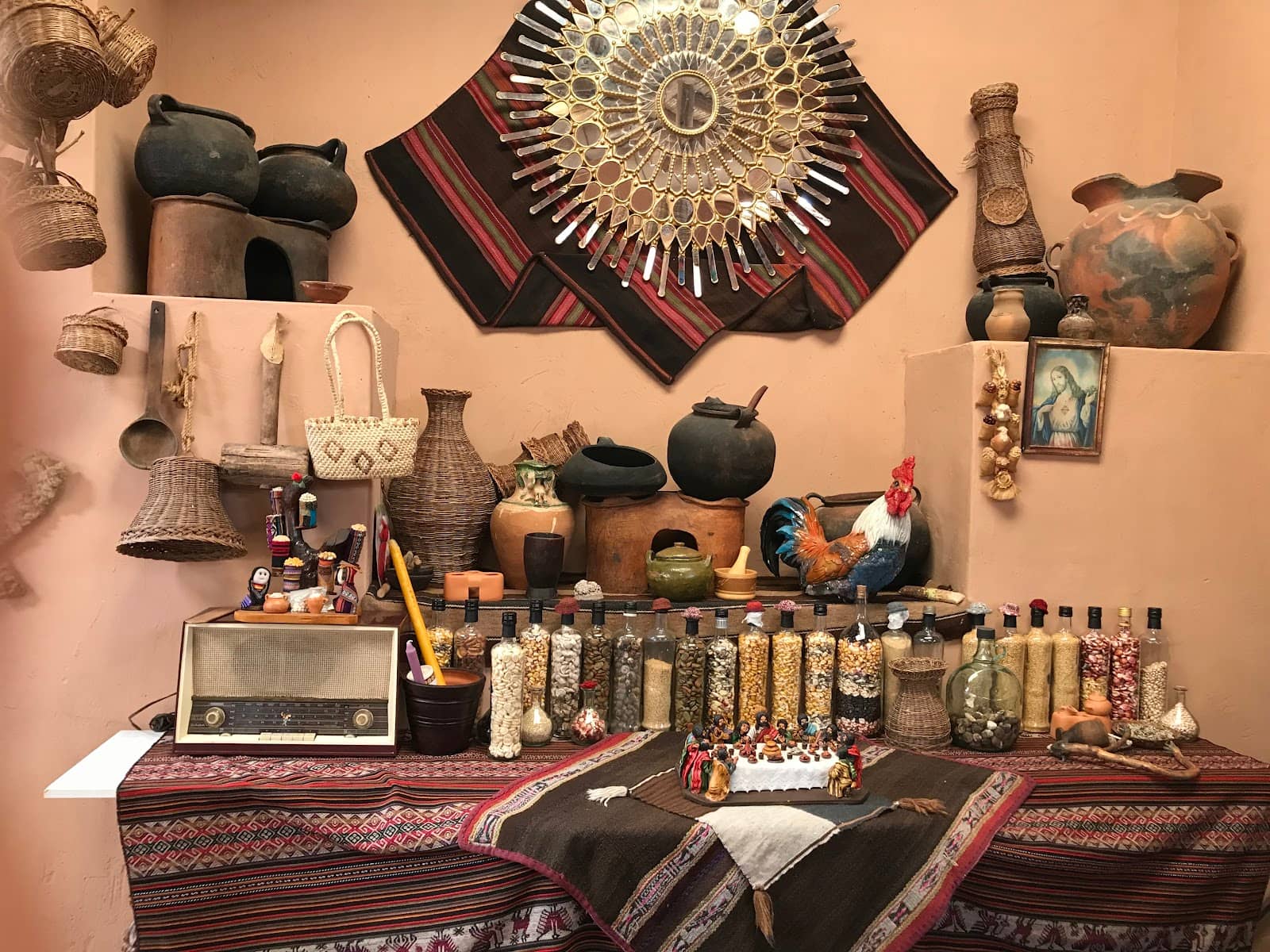
Discover how local plants, roots, and minerals are transformed into a stunning palette of natural dyes. Learn about the sustainable practices behind each hue.
+2Plans like a pro.
Thinks like you
Planning Your Visit
Embrace the Art of Andean Textiles
Timing is Key for Authentic Encounters
Best Times
Insider Tips
from TikTok, Instagram & Reddit
🤝 Engage with Artisans
Chat with the weavers; they love sharing their craft and stories. Many centers offer interactive experiences. +1
💰 Support Local Artisans
Purchasing directly from the centers ensures artisans benefit directly from your visit.
🌿 Learn About Natural Dyes
Ask about the plants and minerals used for dyeing; it's a fascinating part of the process.
📸 Respect Photography
Always ask permission before taking close-up photos of artisans or their work.
Tips
from all over the internet
🤝 Engage with Artisans
Chat with the weavers; they love sharing their craft and stories. Many centers offer interactive experiences. +1
💰 Support Local Artisans
Purchasing directly from the centers ensures artisans benefit directly from your visit.
🌿 Learn About Natural Dyes
Ask about the plants and minerals used for dyeing; it's a fascinating part of the process.
📸 Respect Photography
Always ask permission before taking close-up photos of artisans or their work.
🥾 Comfortable Footwear
You'll be walking around, so wear comfortable shoes, especially if visiting the market.
What Travellers Say
Reviews Summary
Visitors consistently praise the Chinchero Textile Center for its authentic demonstrations of traditional weaving and natural dyeing techniques. The opportunity to interact with and purchase directly from local artisans is a significant highlight, offering a genuine cultural exchange. While some find the market crowded, the overall experience is highly valued for its educational and artisanal richness.
"We saw an interactive presentation of coloring, weaving & making designs on the loom. People in our group participated in trying on clothes, spinning threads, coloring threads. Beautiful crafts to purchase."
Santiago Marrero
"Excellent demonstration on weaving and very friendly hostesses!"
Amy Emerson
"Amazing experience! The ladies provided us with a demonstration on their textile practices and we were able to even purchase some of the items they made themselves! Excellent!"
Kirstyn Morin
What People Like
What People Dislike
Frequently Asked Questions
🚇 🗺️ Getting There
You can reach Chinchero from Cusco by taxi, private tour, or shared minivan (colectivo). Taxis and private tours offer the most flexibility, while colectivos are a budget-friendly option. Many tours to the Sacred Valley include a stop in Chinchero.
Yes, Chinchero is often visited as part of a Sacred Valley tour, typically before or after visiting sites like Moray and Maras. It's a convenient stop on the route.
If you're not on a guided tour, hiring a private taxi for the day is a popular and efficient way to visit Chinchero, Moray, and Maras. Colectivos are also available but require more transfers.
Yes, colectivos (shared minivans) run from Cusco to Chinchero. They are a more economical option but may involve waiting for them to fill up.
The journey from Cusco to Chinchero typically takes about 45 minutes to an hour by car, depending on traffic and road conditions.
🎫 🎫 Tickets & Entry
Entry to most textile centers is often free, with the expectation that you will support the artisans by purchasing their crafts. Some may have a small donation requested. +1
Textile centers generally operate during daylight hours, often from around 8 AM to 5 PM. It's best to check with specific centers if you have a particular time in mind.
The Chinchero Market itself does not typically have an entrance fee. You pay for any goods you wish to purchase.
While there isn't a single 'Chinchero pass,' many Sacred Valley tours bundle visits to Chinchero, Moray, and other sites, which can be more cost-effective than visiting each separately.
You can visit independently, and the artisans themselves often provide demonstrations. However, a guide can offer deeper historical and cultural context. +1
🎫 🛍️ Shopping & Crafts
You can find a wide variety of handmade textiles, including alpaca wool sweaters, scarves, ponchos, blankets, bags, and decorative items, all featuring traditional Andean designs.
Prices are generally fixed as they reflect the artisan's work and the quality of materials. However, a polite inquiry might be met with a small discount, especially if buying multiple items.
Chinchero textiles are unique due to their use of natural dyes, ancestral weaving techniques, and symbolic patterns that represent Andean cosmology and daily life.
Yes, many textile centers are community-run, allowing you to buy directly from the women who create these beautiful pieces. +1
The alpaca wool is generally of very high quality, known for its softness, warmth, and durability. You'll find both baby alpaca and standard alpaca wool products. +1
🎫 🎨 Textile Process
Natural dyes are extracted from various plants, roots, flowers, and even insects like cochineal. These are boiled and processed to create vibrant colors for the wool.
The process involves shearing the wool, cleaning and spinning it into yarn, dyeing the yarn with natural colors, and finally weaving it on a backstrap loom to create intricate designs.
A backstrap loom is a traditional weaving tool where one end is attached to a fixed object and the other to the weaver's waist, allowing for tension control and intricate patterns. +1
Some textile centers offer hands-on experiences where you can try spinning yarn, dyeing small samples, or even weaving a few threads on a loom.
Cochineal, a small insect found on prickly pear cacti, is used to produce a range of vibrant red and pink dyes for textiles.
📸 📸 Photography
Photography is generally allowed, but it's always polite to ask permission before taking close-up shots of artisans or their work. Some centers might have specific rules.
Morning light is often ideal for photography, offering soft illumination. The vibrant colors of the textiles and the surrounding Andean landscape are beautiful at any time.
The demonstrations themselves, the colorful market stalls, the traditional clothing of the women, and the stunning Andean scenery provide excellent photo opportunities. +2
A versatile lens like a 24-70mm is useful for capturing both the details of the textiles and wider shots of the demonstrations and landscape. A macro lens can be great for intricate patterns.
Drone usage is generally restricted in archaeological sites and populated areas. It's advisable to check local regulations before flying a drone.
For Different Travelers
Tailored advice for your travel style
👨👩👧 Families with Kids
💰 Budget Travelers
📸 Photography Enthusiasts
+1 The best light is often in the morning. Remember to always ask for permission before photographing individuals, especially close-ups of artisans at work. Deep Dives
In-depth insights and expert knowledge
The Art of Natural Dyeing
+1 The process involves boiling these natural materials to extract their pigments, which are then used to dye the spun alpaca and sheep wool. This sustainable practice not only results in unique, earthy tones but also connects the textiles directly to the natural environment of the Andes. Understanding the dyeing process offers a deeper appreciation for the textiles. Each color often carries symbolic meaning within Andean culture, representing elements of nature, spirituality, or social status. When you see a vibrant red or a deep indigo, you're looking at a piece of history and tradition brought to life through the careful application of natural elements.
Weaving Traditions: From Wool to Masterpiece
Weavers, predominantly women, sit on the floor, with one end of the loom secured to a post or their waist, and the other to a strap around their back. This allows them to adjust the tension by leaning forward or backward, crucial for creating precise patterns.
Designs are often passed down through generations, with each motif holding cultural significance. From geometric patterns to representations of animals and natural elements, the woven fabrics tell stories of the Andean world. +1 Visiting a textile center provides a chance to witness this entire process, from raw wool to finished product, and to appreciate the skill and dedication involved. The Chinchero Market Experience
It's a vibrant hub where locals and visitors converge, creating a lively atmosphere filled with color, sound, and the aroma of local foods. Beyond textiles, the market is a fantastic place to observe daily life in Chinchero and interact with the local community. You might find traditional clothing, pottery, and other artisanal goods. It's also an opportunity to sample local delicacies, though be mindful of hygiene.
Social
from TikTok, Instagram & Reddit