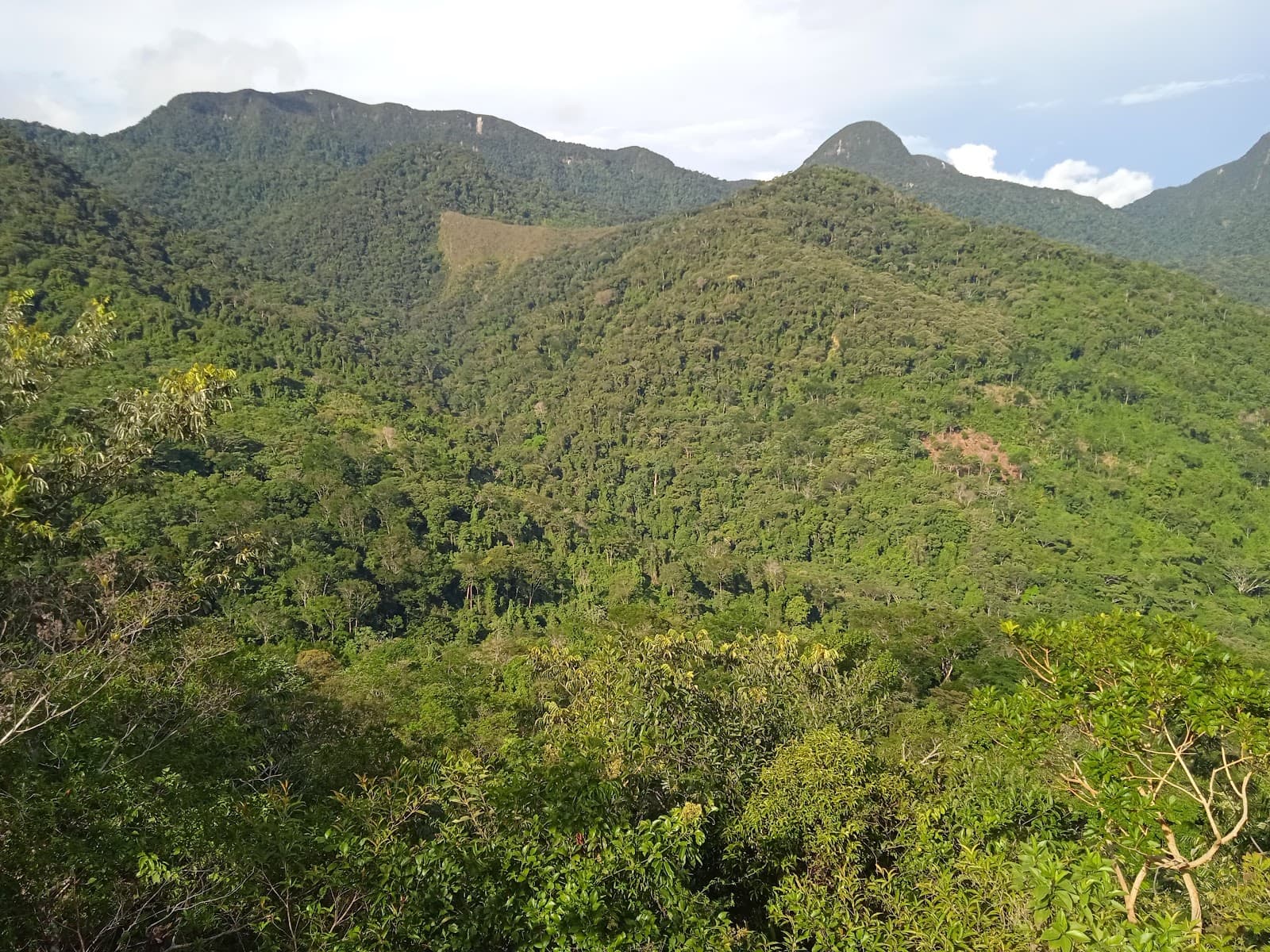
Cordillera Escalera Conservation Area
Discover the Amazon's vibrant heart at Cordillera Escalera, a lush rainforest sanctuary famed for its stunning waterfall and rich biodiversity.
Highlights
Must-see attractions

Social
From TikTok & Reddit
Best Time
Fewer rain showers
Cordillera Escalera Conservation Area
Best Time
Fewer rain showers
Highlights
Must-see attractions
Discover the Amazon's vibrant heart at Cordillera Escalera, a lush rainforest sanctuary famed for its stunning waterfall and rich biodiversity.

💧 Stay Hydrated
Carry plenty of water. The jungle heat and humidity can be intense. Refill whenever possible.
🥾 Wear Sturdy Footwear
Trails can be muddy and uneven. Good grip is essential for a safe and enjoyable hike.

Quick Facts
Type
Wildlife Refuge
Address
Highlights
Discover the most iconic attractions and experiences
Cascada de la Escalera
Main waterfall trail
A stunning multi-tiered waterfall offering refreshing dips and breathtaking photo opportunities.
Biodiversity Hotspot
Throughout the reserve
Spot diverse wildlife, from colorful birds to elusive monkeys, in this rich Amazonian ecosystem.

Jungle Trails
Various marked paths
Trek through lush rainforest, discovering hidden flora and enjoying the sounds of nature.
Plans like a pro.
Thinks like you
Planning Your Visit
Prepare for the Elements
Logistics & Local Guides
Best Times
Insider Tips
from TikTok, Instagram & Reddit
💧 Stay Hydrated
Carry plenty of water. The jungle heat and humidity can be intense. Refill whenever possible.
🥾 Wear Sturdy Footwear
Trails can be muddy and uneven. Good grip is essential for a safe and enjoyable hike.
🦟 Bring Insect Repellent
Mosquitoes and other biting insects are prevalent. Protect yourself to avoid discomfort.
📸 Hire a Local Guide
Enhance your experience with local knowledge of flora, fauna, and safe navigation.
Tips
from all over the internet
💧 Stay Hydrated
Carry plenty of water. The jungle heat and humidity can be intense. Refill whenever possible.
🥾 Wear Sturdy Footwear
Trails can be muddy and uneven. Good grip is essential for a safe and enjoyable hike.
🦟 Bring Insect Repellent
Mosquitoes and other biting insects are prevalent. Protect yourself to avoid discomfort.
📸 Hire a Local Guide
Enhance your experience with local knowledge of flora, fauna, and safe navigation.
What Travellers Say
Reviews Summary
Visitors consistently praise the stunning natural beauty of the Cordillera Escalera, particularly the impressive waterfall and the lush rainforest. The opportunity to immerse oneself in the Amazonian ecosystem and spot diverse wildlife is a major highlight. However, some find the trails challenging and recommend hiring a guide for a richer, safer experience.
What People Like
What People Dislike
Frequently Asked Questions
🚇 🗺️ Getting There
The most common way to reach Cordillera Escalera Conservation Area from Tarapoto is by taxi or mototaxi, which typically takes about 30-45 minutes. Some visitors opt for organized tours that include transportation. Ensure your driver knows the specific entrance you wish to access.
Public transportation directly to the conservation area is limited. It's generally more convenient to arrange private transport or join a tour group for easier access and flexibility.
From the entrance, there are well-marked trails leading to the main waterfall. The hike is moderately challenging and takes approximately 1-2 hours depending on your pace.
Yes, there are several access points and designated entrances. It's advisable to confirm the specific entrance with your guide or tour operator beforehand.
Yes, you can drive your own vehicle to certain access points, but be prepared for unpaved roads in some sections. Parking availability can vary.
🎫 🎫 Tickets & Entry
Entrance fees can vary, but typically range from S/. 10-20 for Peruvians and S/. 20-40 for foreigners. It's best to check the latest official pricing upon arrival or through local tour operators.
The conservation area is generally open from early morning until late afternoon, typically from around 8 AM to 5 PM. However, hours can be subject to change, so it's wise to confirm locally.
Booking tickets in advance is usually not necessary, especially if you are visiting independently. However, if you are part of a guided tour, your tour operator will handle all bookings.
Discounts may be available for students, children, and Peruvian nationals. Always inquire about potential discounts at the entrance or with your tour provider.
It's highly recommended to carry cash (Peruvian Soles) as many smaller attractions and entrance points may not accept credit card payments. ATMs are available in Tarapoto.
🎫 🧭 Onsite Experience
The trails range from relatively flat and well-maintained paths to steeper, more challenging routes. Many are natural dirt paths, and some can become muddy after rain.
While many trails are popular, it's generally recommended to hike with a guide or at least inform someone of your plans. The jungle can be disorienting, and guides ensure safety and enhance wildlife spotting.
You have a good chance of spotting various bird species, monkeys, insects, and possibly reptiles. The biodiversity is rich, but sightings depend on luck and time of day.
Basic facilities like restrooms might be available at the main entrance or popular spots. Rest areas are usually natural clearings along the trails.
Bring plenty of water, snacks, insect repellent, sunscreen, a hat, a rain jacket, sturdy hiking shoes, and a camera. A small backpack is ideal for carrying essentials.
🍽️ 🍽️ Food & Dining
There are typically no restaurants or food stalls within the conservation area itself. It's best to eat before you go or pack your own snacks and meals.
The nearest town with a good selection of restaurants and local eateries is Tarapoto. Some small local establishments might be found on the outskirts of Tarapoto closer to the reserve.
Yes, visitors are encouraged to bring their own food and drinks. Please ensure you pack out all your trash to help preserve the natural environment.
In Tarapoto, try regional Amazonian dishes like 'Juane' (rice and chicken wrapped in bijao leaves), 'Tacacho con Cecina' (fried plantain with dried pork), and fresh tropical fruit juices.
While traditional Amazonian cuisine can be meat-heavy, many restaurants in Tarapoto are increasingly offering vegetarian and vegan options. It's always good to ask or specify your dietary needs.
📸 📸 Photography
The main waterfall, scenic viewpoints along the trails, and opportunities for wildlife photography are prime spots. Look for unique flora and the interplay of light through the canopy.
The dense canopy can create low-light conditions, so a camera with good low-light performance or a tripod can be helpful. Capturing wildlife requires patience and a telephoto lens.
Drone usage is often restricted in protected natural areas to avoid disturbing wildlife and for safety reasons. It's best to check local regulations or inquire at the entrance.
A versatile zoom lens, a wide-angle lens for landscapes, and a telephoto lens for wildlife are recommended. A waterproof camera or protective casing is also a good idea due to humidity and potential rain.
While dedicated photography tours might be rare, many general nature guides can help you find the best photographic opportunities and advise on lighting and composition.

Social
from TikTok, Instagram & Reddit