Manu National Park Peru
A UNESCO World Heritage Site, Manu National Park is a vast Amazonian wilderness teeming with unparalleled biodiversity and pristine rainforest ecosyst...
Highlights
Must-see attractions

Social
From TikTok & Reddit
Best Time
Easier travel, clearer skies
Manu National Park Peru
Best Time
Easier travel, clearer skies
Highlights
Must-see attractions
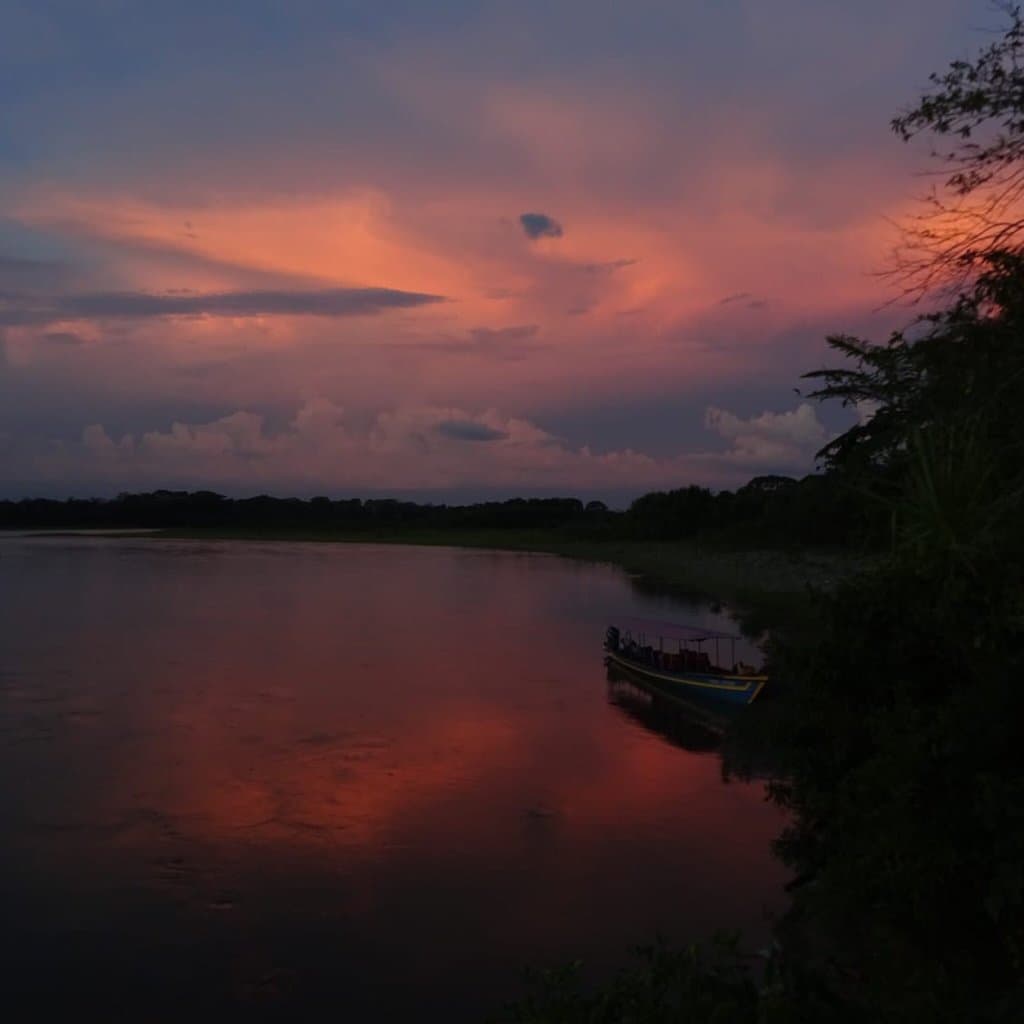
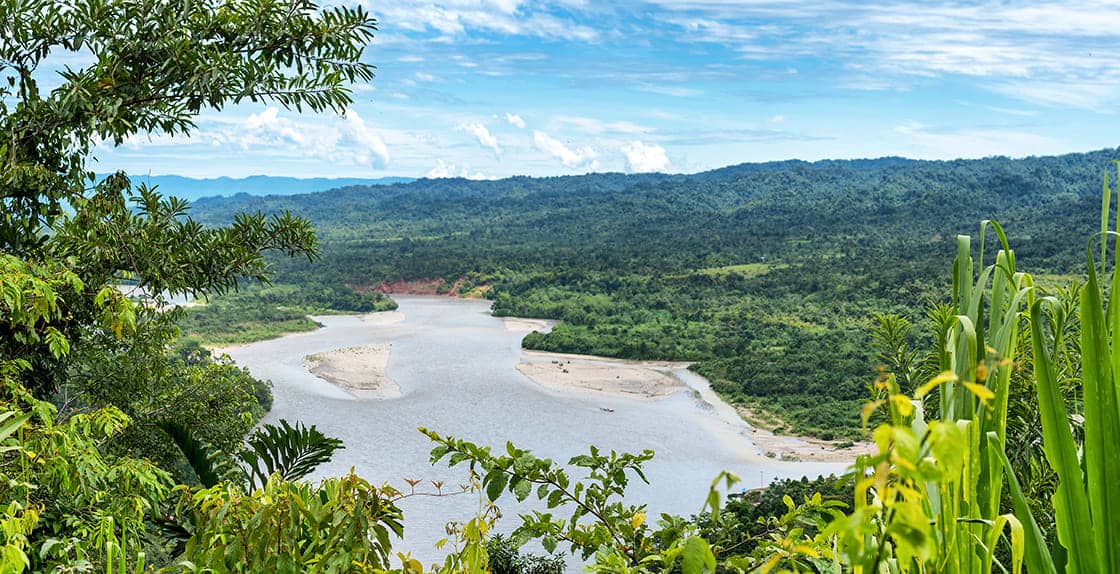
A UNESCO World Heritage Site, Manu National Park is a vast Amazonian wilderness teeming with unparalleled biodiversity and pristine rainforest ecosystems.
"An incredible remote place with some of the most amazing rainforest we've ever seen."
Pack for All Conditions
Bring lightweight, quick-drying clothes, rain gear, insect repellent, and sturdy walking shoes. :athletic_shoe:
Longer Stays for Wildlife
To maximize wildlife sightings, aim for at least a 1-2 week trip. Patience is key! :camerawithflash:
Highlights
Discover the most iconic attractions and experiences
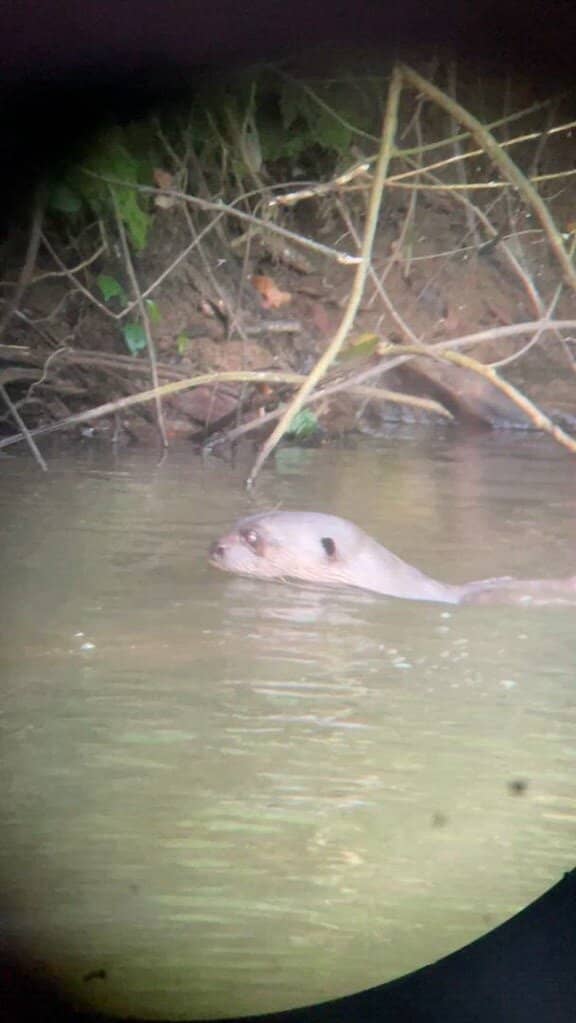
Amazon Rainforest Immersion
Experience the heart of the Amazon, a UNESCO World Heritage Site teeming with unparalleled biodiversity. Witness lush jungle landscapes and diverse ecosystems.
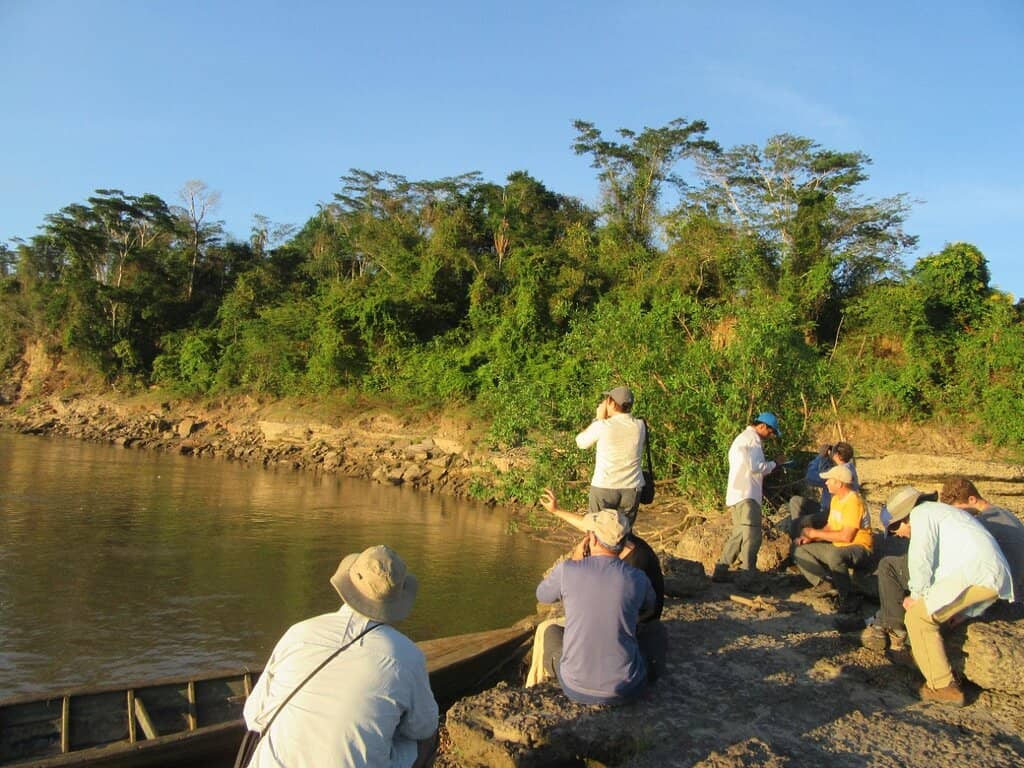
Incredible Birdwatching Opportunities
Spot a dazzling array of colorful birds, from macaws to toucans. This region is a paradise for bird photographers and enthusiasts alike.
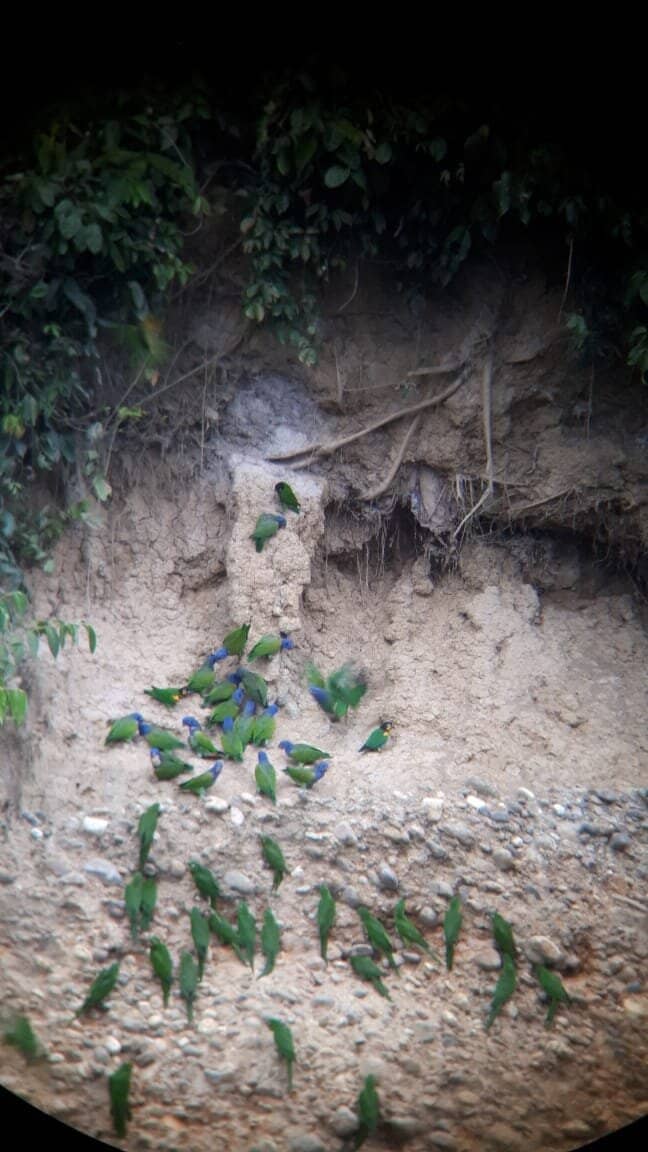
Diverse Wildlife Encounters
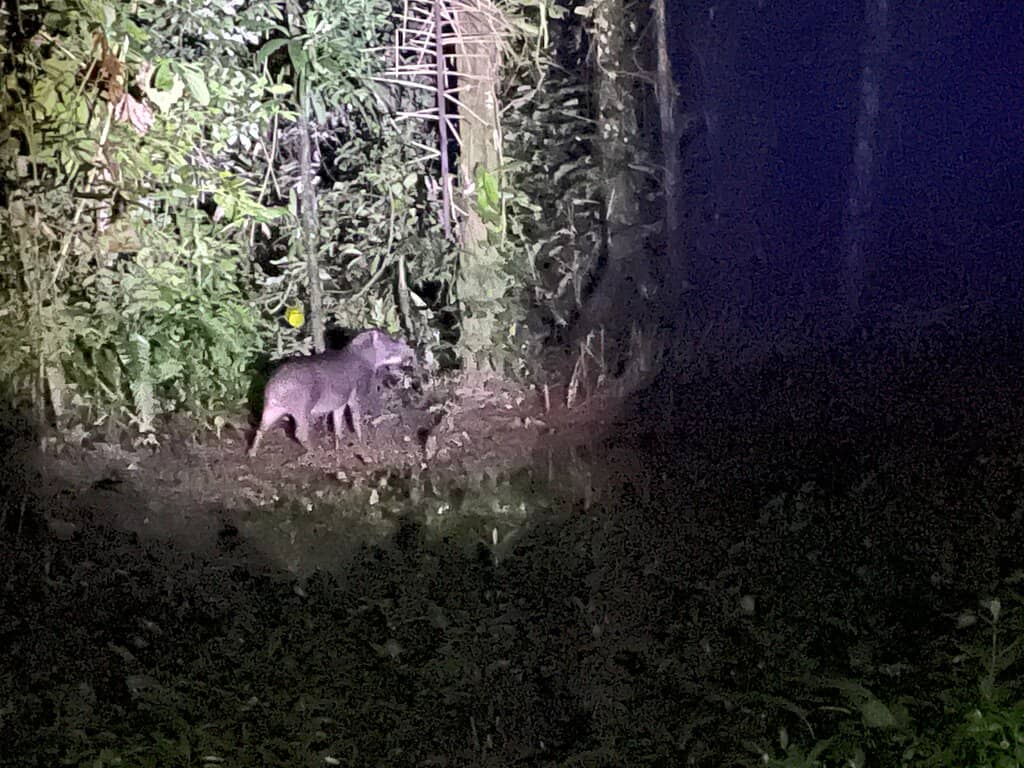
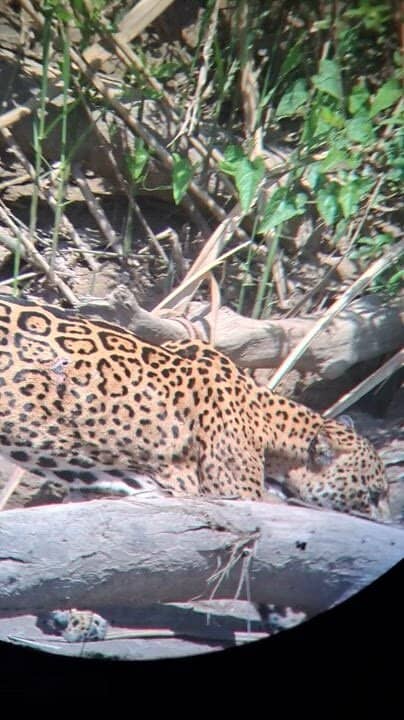
Keep an eye out for monkeys, caimans, and other fascinating Amazonian creatures. Longer stays increase your chances of spotting elusive wildlife.
Plans like a pro.
Thinks like you
Planning Your Visit
Prepare for a Long Journey
Safety First in the Wild
Best Times
Insider Tips
from TikTok, Instagram & Reddit
Pack for All Conditions
Bring lightweight, quick-drying clothes, rain gear, insect repellent, and sturdy walking shoes. :athletic_shoe:
Longer Stays for Wildlife
To maximize wildlife sightings, aim for at least a 1-2 week trip. Patience is key! :camerawithflash:
Book with a Reputable Guide
Essential for safety and a richer experience. Guides provide invaluable knowledge and ensure responsible tourism. :world_map:
Embrace the Journey
The 8-10 hour drive from Cusco is part of the adventure. Enjoy the changing landscapes! :bus:
Tips
from all over the internet
Pack for All Conditions
Bring lightweight, quick-drying clothes, rain gear, insect repellent, and sturdy walking shoes. :athletic_shoe:
Longer Stays for Wildlife
To maximize wildlife sightings, aim for at least a 1-2 week trip. Patience is key! :camerawithflash:
Book with a Reputable Guide
Essential for safety and a richer experience. Guides provide invaluable knowledge and ensure responsible tourism. :world_map:
Embrace the Journey
The 8-10 hour drive from Cusco is part of the adventure. Enjoy the changing landscapes! :bus:
Respect Local Communities
Manu is home to indigenous peoples. Be mindful and respectful of their culture and way of life. :peopleholdinghands:
What Travellers Say
Reviews Summary
Visitors consistently praise Manu National Park for its unparalleled biodiversity and the raw beauty of the Amazon rainforest. The opportunity to witness diverse wildlife and experience a remote ecosystem is a major draw. However, the long and challenging journey, coupled with the critical need for safety awareness due to the wild environment, are significant considerations for potential visitors.
"Be aware getting out of the vehicle that is taking you through the park is dangerous. My friend got out of the tour vehicle bird watching, stepped back and fell down a cliff off the side of the road. She died. I don’t think people should be allowed to exit without safety precautions. I lost a very dear friend."
San miller
"An incredible remote place, river level was very low when we visited. The rainforest here is some of the most amazing we’ve ever seen. Nice lodges too"
NewestToad
"Went on a 4d/3n tour in Manu National Park it felt fairly authentic and you got to spend a lot of time in the jungle. The food at the lodges were great and well crafted with little resources. The guides were very knowledgeable and accommodating to specific wants. The activities are good, you can hike up a mountain for a couple hours to see monkeys or take a motor canoe to a good hiking spot with balsam rafts and get lucky and see a white cayman. Overall I was happy with my time in Manu but be aware it is a 10+ hour bus ride from Cusco."
Ghislain Dionne
What People Like
What People Dislike
Frequently Asked Questions
🚇 🗺️ Getting There
The most common way to reach Manu National Park is by a long road trip from Cusco, typically taking 8-10 hours. This journey takes you through diverse ecological zones, from the Andes down into the Amazon basin. Many tours include transportation as part of their package. :bus:
While there are no direct commercial flights into Manu National Park itself, some remote lodges may offer charter flights or boat access from nearby airstrips. However, the overland journey is the standard and most immersive way to arrive. :airplane:
The roads leading to Manu National Park are largely unpaved, consisting of gravel and dirt. As you descend from higher altitudes, the terrain becomes more rugged. This adventurous drive is part of the experience, offering stunning views. :mountain_road:
Reaching the deeper jungle areas of Manu can take several days, often involving a combination of road travel and river boat journeys. Tours are typically structured to allow for this gradual immersion into the rainforest. :river:
Public transport directly to Manu National Park is very limited. Most visitors opt for organized tours that include transportation from Cusco, as this is the most practical and safest way to access the park. :ticket:
🎫 🎫 Tickets & Entry
Yes, entry into Manu National Park requires permits, which are typically arranged by tour operators. It's essential to book your trip through a reputable agency that handles all necessary documentation. :passport:
Manu National Park is generally accessible year-round, but specific lodge operating hours and tour schedules vary. It's best to check with your chosen tour provider for exact timings and access details. :clock1:
The cost of visiting Manu National Park varies significantly depending on the tour length, accommodation, and activities. Expect prices to range from several hundred to over a thousand US dollars for multi-day expeditions. :moneybag:
While independent travel is technically possible, it is strongly discouraged due to the park's remoteness and the need for expert guidance for safety and navigation. Organized tours are highly recommended. :walking:
Yes, Manu National Park is divided into three main zones: the Cultural Zone (accessible to tourists), the Reserved Zone (limited access for research), and the Intangible Zone (no human access). Most tourist activities occur in the Cultural Zone. :map:
🎫 🧭 Onsite Experience
Manu is renowned for its incredible biodiversity. You can spot a vast array of wildlife including monkeys, macaws, toucans, caimans, capybaras, and potentially even jaguars. Birdwatching is exceptional here. :parrot: :monkey: 
Activities include jungle trekking, boat trips on the Manu River, birdwatching, wildlife spotting, visiting clay licks, and learning about the local flora and fauna from knowledgeable guides. :kayak: :hiking_boot:
Accommodation typically consists of jungle lodges, ranging from rustic to more comfortable. These lodges are often built with local materials and offer basic amenities, immersing you in the rainforest environment. :bed:
While generally safe with a guide, visitors must be extremely cautious. Tragically, accidents have occurred due to lack of safety precautions. Always follow your guide's instructions and avoid exiting vehicles without supervision. :warning:
The best way to see wildlife is by taking guided boat trips along the river and participating in jungle hikes. Early mornings and late afternoons are often the most active times for animals. Patience and a good guide are crucial. :binoculars:
📸 📸 Photography
Manu offers incredible photography opportunities, from vibrant birdlife and diverse wildlife to stunning rainforest landscapes and foggy mornings. Bring a good zoom lens for wildlife and a wide-angle for scenery. :camera:
A DSLR or mirrorless camera with telephoto lenses (300mm+) is ideal for wildlife. A wide-angle lens is great for landscapes. Consider a sturdy tripod and plenty of extra batteries and memory cards. :memory_card:
Drone usage regulations can be strict in national parks. It's essential to check current park policies and obtain any necessary permits before flying a drone. Some areas may prohibit them to protect wildlife. :drone:
The rainforest canopy creates a dim environment, so good low-light performance from your camera is beneficial. Early mornings and late afternoons offer softer, more dramatic light. Be prepared for humidity affecting your gear. :sunbehindcloud:
Iconic shots include colorful macaws at clay licks, monkeys in the trees, river scenes with dense jungle, and panoramic views from canopy towers or viewpoints. Foggy mornings can also create dramatic atmospheric shots. :rainbow:
For Different Travelers
Tailored advice for your travel style
👨👩👧 Families with Kids
Key recommendations for families:
* Choose tours specifically designed for families, with shorter hikes and more accessible activities.
* Pack plenty of child-friendly insect repellent and sun protection.
* Engage children with nature guides who can make learning about the rainforest fun and interactive.
* Be prepared for the long travel time; break up journeys where possible.
📸 Wildlife Photographers
+1Photography tips for Manu:
* Invest in a good telephoto lens (300mm or longer) for capturing distant wildlife.
* Bring a wide-angle lens for stunning rainforest landscapes and canopy shots.
* Protect your gear from humidity and rain with waterproof bags and silica gel packs.
* Be patient; wildlife sightings often require waiting for the right moment. Early mornings and late afternoons are prime times.
🌿 Eco-Tourists & Nature Lovers
Eco-tourism focus:
* Seek out tour operators committed to sustainable practices and supporting local communities.
* Learn about the park's conservation efforts and the challenges it faces.
* Minimize your environmental impact by properly disposing of waste and respecting wildlife habitats.
* Consider longer stays to truly appreciate the intricate web of life in the rainforest.
Deep Dives
In-depth insights and expert knowledge
Understanding Manu's Biodiversity
The park's protected status is crucial for the survival of numerous species, including endangered ones like the jaguar and giant otter. The complete animal food-chain is present here, meaning you can observe interactions from the smallest insects to apex predators, a rarity in many other ecosystems.
For visitors, this translates into an unparalleled opportunity for wildlife observation. Whether you're a keen birder spotting vibrant macaws at a clay lick or a nature enthusiast hoping to glimpse a troop of monkeys swinging through the canopy, Manu offers a profound connection with the natural world.
+1The Journey: An Adventure in Itself
This overland travel is primarily on unpaved, winding roads, which can be bumpy and challenging but also incredibly scenic. As you descend, you'll witness a remarkable transformation in vegetation and climate, offering a preview of the biodiversity that awaits. Many tours incorporate stops to appreciate these changing environments and spot initial wildlife.
For those venturing deeper into the park, river travel via motor canoe becomes essential. This mode of transport allows access to more remote areas and offers a unique perspective of the rainforest from the water. The journey itself is an integral part of the Manu experience, preparing you for the wild beauty that lies ahead.
Safety and Responsible Tourism
Never exit vehicles without explicit permission and supervision, especially when birdwatching or observing wildlife near roadsides. The terrain can be unpredictable, and a moment of inattention can have severe consequences. Guides are trained to navigate these risks and ensure the safety of their groups.
Responsible tourism also extends to respecting the park's delicate ecosystem and the indigenous communities that inhabit its buffer zones. By choosing reputable tour operators and following park regulations, visitors can help preserve Manu's natural and cultural heritage for future generations.
+1
Social
from TikTok, Instagram & Reddit