Nazca Planetarium
Unravel the mysteries of the Nazca Lines with passionate guides, unique projections, and insights into Maria Reiche's legacy.
Highlights
Must-see attractions

Social
From TikTok & Reddit
Best Time
Perfect for night bus travelers
Nazca Planetarium
Best Time
Perfect for night bus travelers
Highlights
Must-see attractions
Unravel the mysteries of the Nazca Lines with passionate guides, unique projections, and insights into Maria Reiche's legacy.
"Absolute hidden gem! Highly recommend for much-needed information on Nazca lines and Maria Reiche."
🎯 Buy tickets at hotel desk
Head to the front desk of the adjacent hotel to purchase tickets and be collected for your session.
🗣️ Language sessions available
Sessions are offered in English, Spanish, and French; check times in advance.
Quick Facts
Hours
Rating
4.6 · 190 reviews
Type
Museum
Address
Highlights
Discover the most iconic attractions and experiences
Maria Reiche's Legacy
Learn about the pioneering German mathematician and archaeologist who dedicated her life to studying and preserving the Nazca Lines.
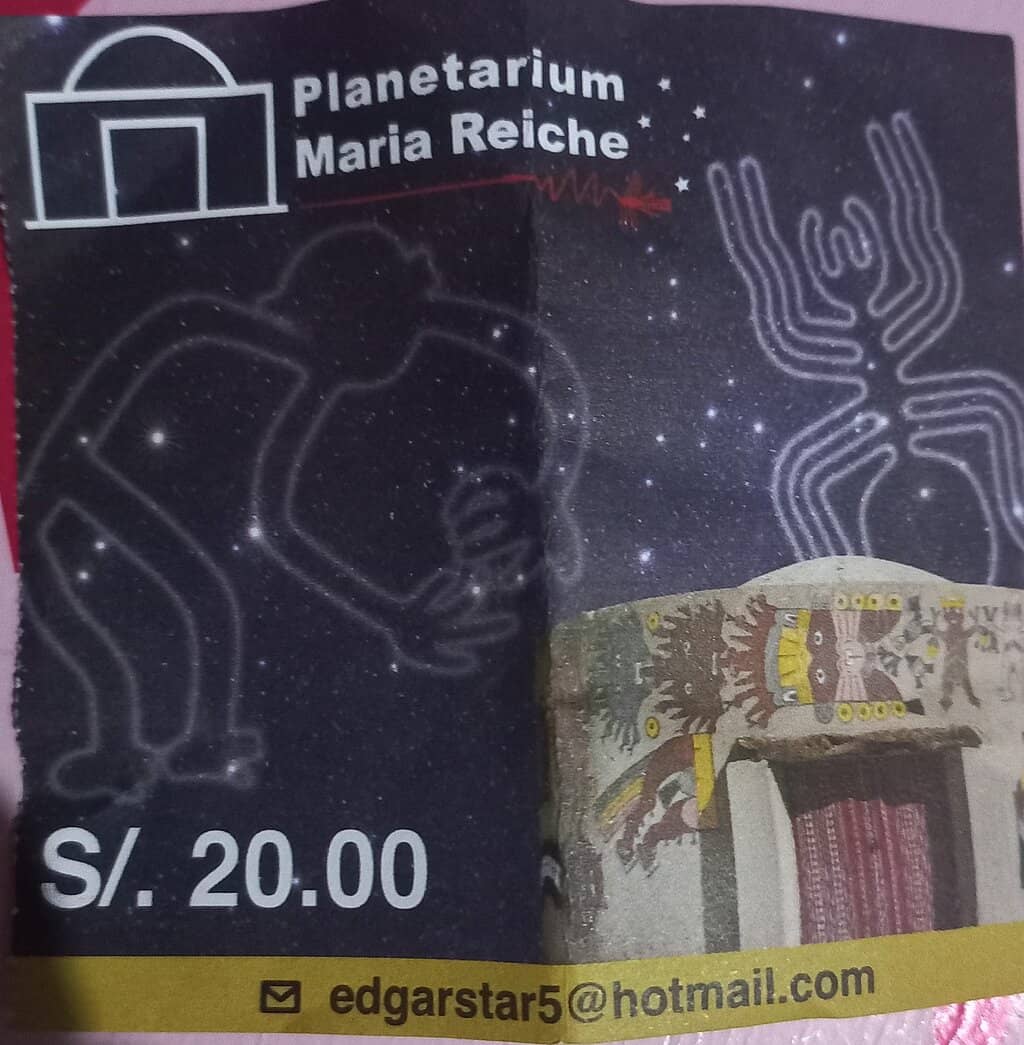
Manual Star & Line Projections
Experience a unique, old-fashioned projector showcasing constellations and the Nazca Lines, guided by a passionate presenter.
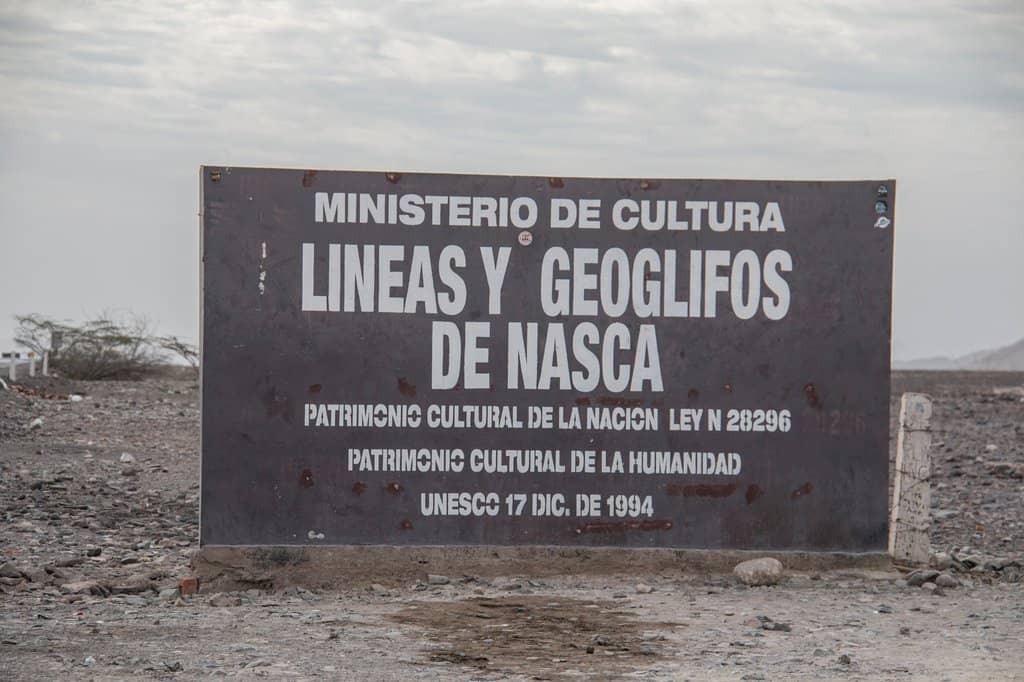
Ancient Hydraulic Systems
Discover the ingenious underground aqueducts and tunnels that still supply water in the arid Nazca desert.
Telescopic Views
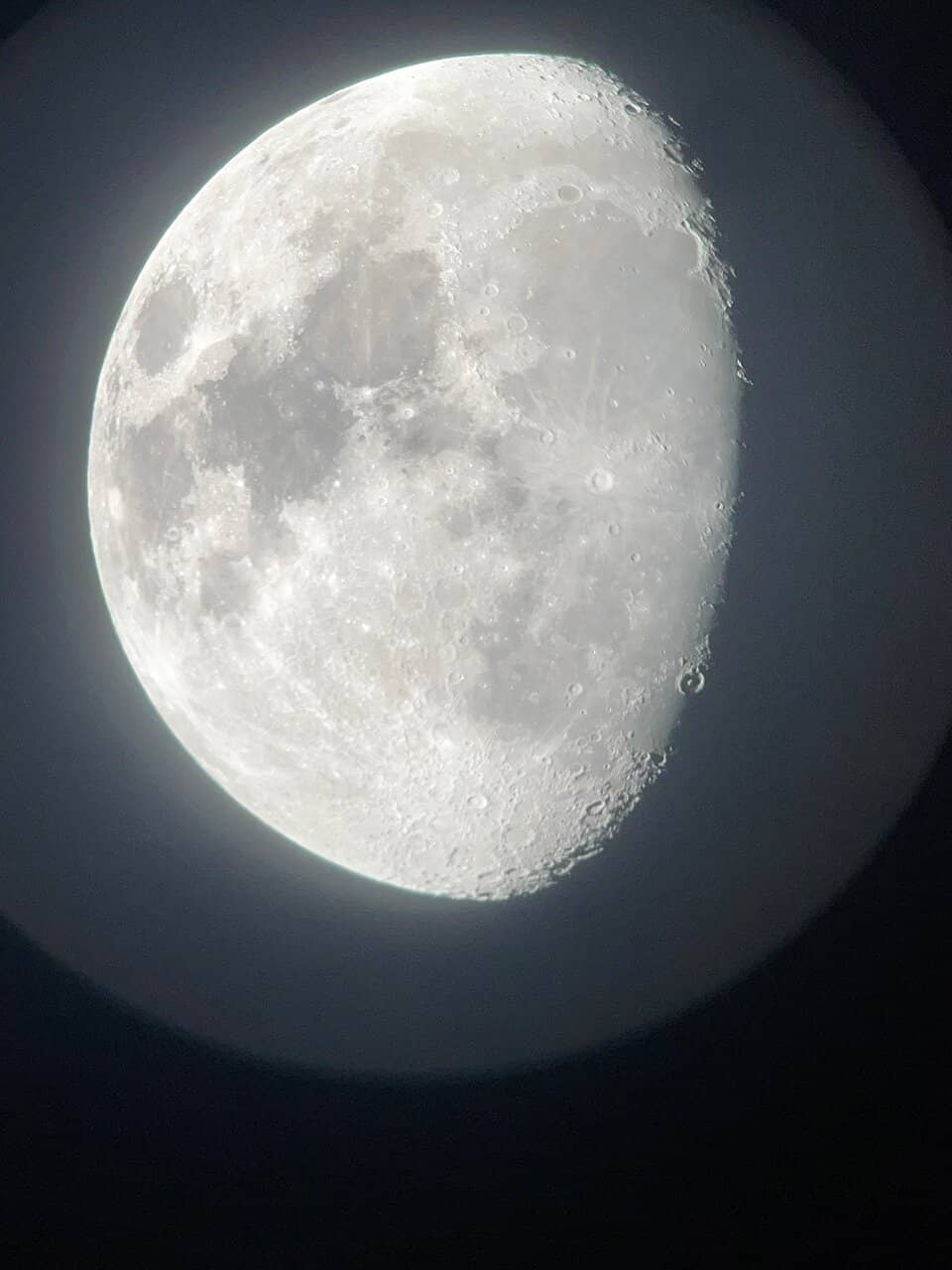
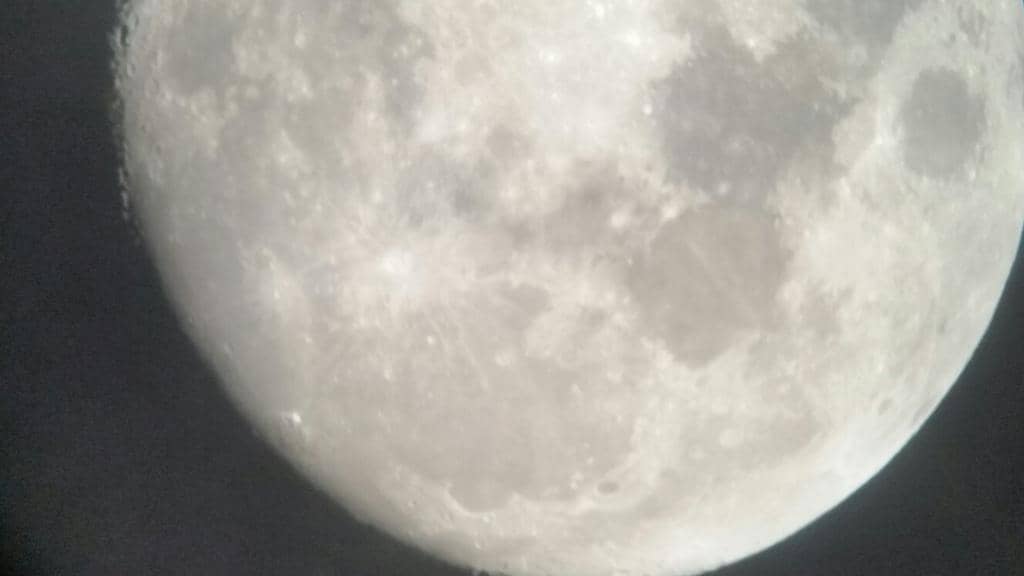
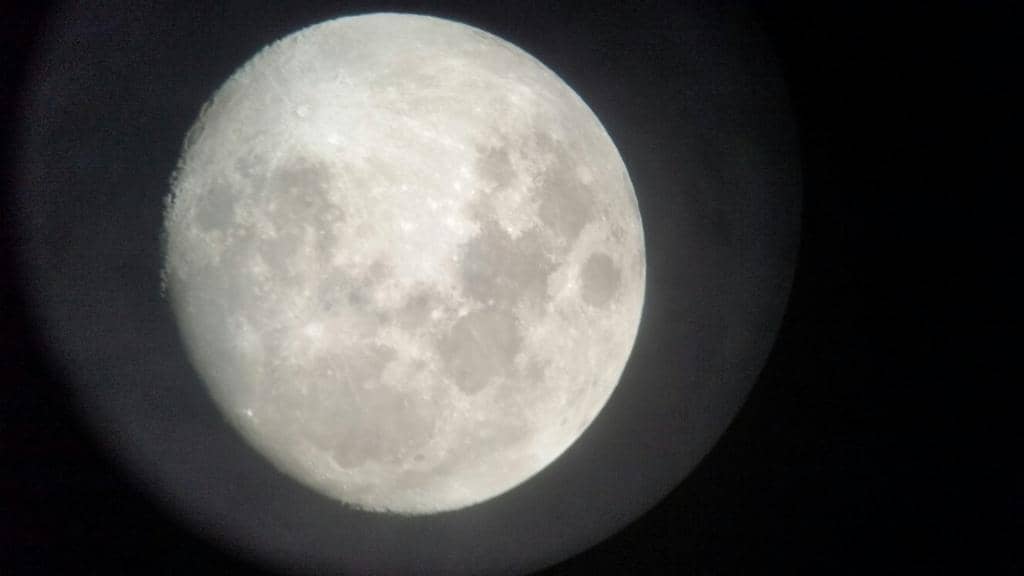
Gaze at celestial wonders like the moon and Jupiter through a telescope, weather permitting.
Plans like a pro.
Thinks like you
Planning Your Visit
Understand the Nazca Lines' Context
Book Your Visit in Advance
Best Times
Insider Tips
from TikTok, Instagram & Reddit
🎯 Buy tickets at hotel desk
Head to the front desk of the adjacent hotel to purchase tickets and be collected for your session.
🗣️ Language sessions available
Sessions are offered in English, Spanish, and French; check times in advance.
⏳ Short & informative
The experience lasts about 40 minutes, packed with fascinating insights.
💰 Affordable experience
Tickets are 25 sols, and children enter for free.
Tips
from all over the internet
🎯 Buy tickets at hotel desk
Head to the front desk of the adjacent hotel to purchase tickets and be collected for your session.
🗣️ Language sessions available
Sessions are offered in English, Spanish, and French; check times in advance.
⏳ Short & informative
The experience lasts about 40 minutes, packed with fascinating insights.
💰 Affordable experience
Tickets are 25 sols, and children enter for free.
🌟 Passionate guides
Presenters are deeply knowledgeable and passionate, often having met Maria Reiche herself.
What Travellers Say
Reviews Summary
Visitors consistently praise the Nazca Planetarium as an 'absolute hidden gem' and a 'wonderful experience' that significantly enhances understanding of the Nazca Lines. The passionate guides, particularly their personal connection to Maria Reiche, and the unique manual projections are frequently highlighted as major draws. While the experience is short and affordable, some wish for more modern facilities, though plans for upgrades are underway.
"For me it was the perfect way to wrap up the whole experience of the Nasca lines and the civilization that created them. Edgardo is very knowledgeable, patient and keeps the fire of his passion burning about Maria Reiche (which he meet)
A must vist, before you go to see the Nasca lines."
Miriam Cutajar Fiorini
"Great informative and entertaining evening. The guide Mauricio explains the constellations and the history of the Nazca Lines and Maria Reich."
Gordon Webster
"Quick Info:
Wonderful experience! Absolute hidden gem! I would highly recommend going to get the much needed information on Nazca lines and Maria Reiche with excellent short films, manual star and Nazca lines projections, as well as a passionate presenter.
- 25 sols per person
- Children enter free
- About 40 min
- English, Spanish, French possible at different times
Long info:
We went to the planetarium because it was close to our bus and it ended up being our favorite experience in Nazca. The planetarium provided all the information that we didn't get on the flight we did over the lines (on the flight all they do is tell you where to look).
We were shown an information film on the Nazca lines (about 40 min) which explains the theories behind these phenomenal geoglyphs. Overlaying the film projection the presenter manually projects either star constellations or the Nazca lines from an old fashioned projector. We loved this! The guide then used a laser pointer to point out relevant constellations.
After this, the presenter showed us another short video on Maria Reiche, which he himself personally made. We could tell he was very passionate about her which made the presentation even more interesting. (He also knew her personally). Most people including us had never heard of her before, but she was one of the most important scientists researching the Nazca lines.
Lastly the presentation set up his telescope so we could look at the moon and Jupiter with it's moons. Absolutely beautiful!
Would absolutely recommend it if you are spending the night of taking the night bus!
(We were told that they plan to modernize the planetarium very soon and make it even better)."
Stefanie G
What People Like
What People Dislike
Frequently Asked Questions
🚇 🗺️ Getting There
The Nazca Planetarium is conveniently located near the bus terminal. You'll need to go to the front desk of the hotel next to it to purchase your tickets, and the staff will come to get you from the lobby.
While the planetarium itself might not be immediately obvious, look for the hotel next door. The entrance and ticket purchase point are at the hotel's front desk.
Yes, it's an ideal stop if you're spending the night or taking a night bus, offering valuable context before or after seeing the Nazca Lines.
Most travelers arrive in Nazca by bus from Lima or other major Peruvian cities. The planetarium's proximity to the bus terminal makes it a convenient stop.
If you've taken a flight over the Nazca Lines, you'll likely return to the town. Taxis are readily available in Nazca to take you to the planetarium.
🎫 🎫 Tickets & Entry
The admission fee is 25 Peruvian Soles per person. Children can enter for free, making it a great value for families.
While not always mandatory, booking in advance is recommended, especially if you require a specific language session (English, Spanish, French). Check their schedule.
The planetarium typically offers evening sessions, which are ideal for those traveling on night buses. It's best to confirm the exact times upon arrival or by contacting them.
Yes, the Nazca Planetarium offers sessions in English, Spanish, and French. You'll need to inquire about the schedule for your preferred language.
Yes, children are admitted free of charge, making it an accessible and educational experience for families.
🎫 🌟 Onsite Experience
You'll experience informative films about the Nazca Lines and Maria Reiche, manual projections of stars and geoglyphs, and a passionate presentation, often concluding with telescope viewing.
The entire experience is approximately 40 minutes long, providing a concise yet comprehensive overview of the Nazca civilization and its mysteries.
Maria Reiche was a German mathematician and archaeologist who dedicated over 40 years to studying, measuring, and preserving the Nazca Lines. She lived in Nazca and is considered the 'Lady of the Lines.'
The planetarium explores various theories, including astronomical calendars, ritualistic pathways, and water-related significance, offering a balanced perspective.
Absolutely! Many visitors find the planetarium provides crucial context and deeper understanding that aerial tours alone don't offer. It complements the visual experience.
🎫 💧 Engineering & History
The Nazca people engineered sophisticated underground aqueducts, known as 'puquios,' with tunnels and ventilation shafts that still function today, providing water in the desert. +1
These impressive water systems were built using a combination of stone and earth, with a clever design that allowed for continuous water flow and maintenance through vertical shafts.
The Nazca Lines are believed to have served multiple purposes, including astronomical observation, religious ceremonies, and possibly as pathways related to water sources and agricultural cycles.
Theories range from astronomical calendars and celestial alignments to shamanic rituals and water-finding mechanisms. The planetarium delves into these fascinating possibilities.
Evidence suggests they had a strong understanding of celestial movements, with many geoglyphs aligning with solstices, equinoxes, and constellations.



Social
from TikTok, Instagram & Reddit