
Ocongalla Aqueduct
Ancient Nazca aqueducts still irrigating crops, a marvel of desert engineering with unique spiral access shafts.
Highlights
Must-see attractions

Social
From TikTok & Reddit
Best Time
See active irrigation
Ocongalla Aqueduct
Best Time
See active irrigation
Highlights
Must-see attractions
Ancient Nazca aqueducts still irrigating crops, a marvel of desert engineering with unique spiral access shafts.
"An engineering work that can not be repeated today. Accessible and easy to maintain today."

Free Entry! 🎉
Admission to the Ocongalla Aqueduct is free, making it an accessible historical site.
Combine with Tours 🚗
Many visitors recommend visiting as part of a larger Nazca tour for a richer experience.
Highlights
Discover the most iconic attractions and experiences
Spiral Access Shafts
Various points along the aqueduct
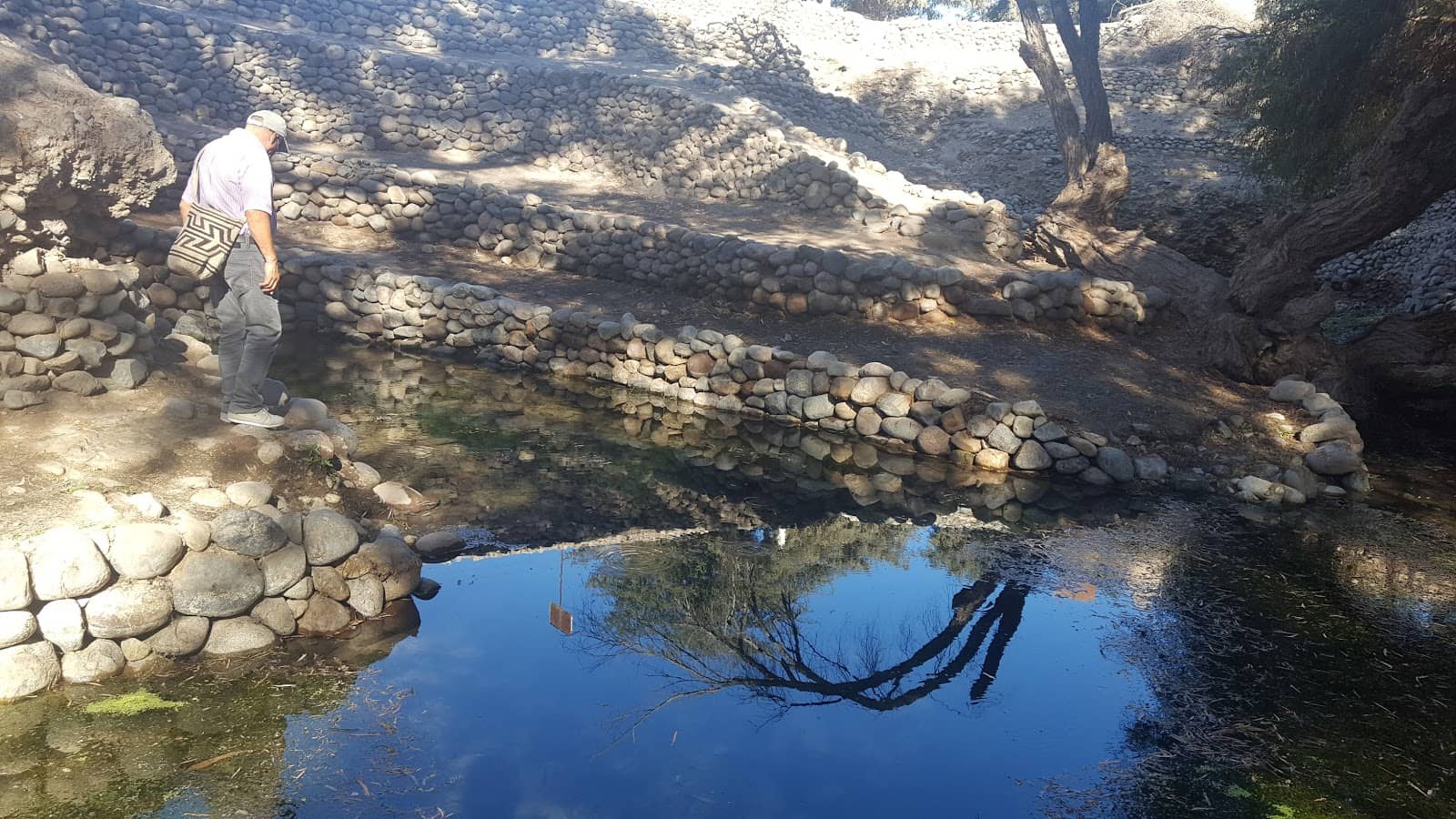
Intriguing spiral-shaped wells descending into the earth, vital for ventilation and maintenance.
Functional Ancient Engineering
Main aqueduct channels
Witness over 1,500-year-old channels still irrigating crops, a testament to Nazca ingenuity.

Desert Landscape Views
Above the aqueduct
Enjoy panoramic views of the arid Nazca desert surrounding this remarkable water system.
Plans like a pro.
Thinks like you
Planning Your Visit
Timing is Everything
Beyond the Aqueduct
Best Times
Insider Tips
from TikTok, Instagram & Reddit
Free Entry! 🎉
Admission to the Ocongalla Aqueduct is free, making it an accessible historical site.
Combine with Tours 🚗
Many visitors recommend visiting as part of a larger Nazca tour for a richer experience.
Bring Water & Sun Protection ☀️
The desert sun is intense; stay hydrated and protected while exploring.
Guides Enhance Visit 🗣️
Local guides offer valuable insights into the construction and cultural significance.
Tips
from all over the internet
Free Entry! 🎉
Admission to the Ocongalla Aqueduct is free, making it an accessible historical site.
Combine with Tours 🚗
Many visitors recommend visiting as part of a larger Nazca tour for a richer experience.
Bring Water & Sun Protection ☀️
The desert sun is intense; stay hydrated and protected while exploring.
Guides Enhance Visit 🗣️
Local guides offer valuable insights into the construction and cultural significance.
What Travellers Say
Reviews Summary
The Ocongalla Aqueduct is praised as a remarkable feat of ancient Nazca engineering, with visitors appreciating the still-functional irrigation system and unique spiral access shafts. While some find it 'ok' on its own, many recommend it as part of a broader Nazca tour for its historical significance and the novelty of seeing water in the desert.
"The Cantalloc Aqueducts, located just a few kilometers west of Nazca in the Ica region of southern Peru, are a remarkable testament to the ingenuity of the ancient Nazca civilization.
Dating back approximately 1,500 years, these aqueducts, also known as puquios, were constructed to address the persistent droughts and arid conditions of the Nazca desert. The Nazca people engineered a network of 46 underground aqueducts, of which about 32 remain functional today, still providing essential irrigation to local farmlands.
The spiral-shaped access shafts, which descend up to 12 meters into the earth are especially fascinating. These spirals are not only visually striking but also serve practical purposes, they allow for ventilation, facilitate maintenance, and make it possible to clean the tunnels.
The main channels, built with stone and reinforced with water-resistant wood from the native huarango tree, efficiently transport water from natural springs and underground aquifers to the surface, ensuring a year-round water supply for agriculture.
Visitors to the site, can walk along the aqueducts, peer into the spiraling wells, and appreciate the panoramic desert landscape that surrounds the area.
The aqueducts are still used by local farmers to irrigate crops such as maize, cotton, beans, and potatoes, demonstrating the enduring legacy of Nazca engineering.
Informative signs and the presence of local guides enrich the experience, offering insights into the construction methods and the cultural significance of water management in this challenging environment.
The Cantalloc Aqueducts are easily accessible from Nazca, with the site being only about a 15-minute drive from the city center. The journey itself is straightforward, whether by taxi, tour, or even on foot for those staying nearby.
The peaceful atmosphere and the opportunity to witness a living piece of ancient technology make the Cantalloc Aqueducts a must-see for anyone interested in archaeology, history, or the marvels of pre-Columbian engineering. This site offers not only a glimpse into the past but also a chance to reflect on the resourcefulness and resilience of the Nazca culture."
A J Bashha
"Free for visiting
If you have a lot of time to explore here , do it .
If you don't go , you won't miss anything too 😉
You can chill there and there is a nice view from here and you can see the beautiful landscape but the place itself is ok"
Temsiri Tem.
"The first stop on a tour of the desert. Amazing to see flowing water and fish in the desert. Well worth a visit."
Gordon Webster
What People Like
What People Dislike
Frequently Asked Questions
🚇 🗺️ Getting There
The Ocongalla Aqueduct is about a 15-minute drive west of Nazca. You can easily reach it by taxi, organized tour, or even on foot if you're staying nearby.
Yes, the aqueducts are well-marked and accessible from Nazca. Many tours include it as a stop.
Taxis are readily available in Nazca for short trips. For exploring multiple sites like the aqueducts and the Nazca Lines, booking a tour is often the most convenient option.
🎫 🎫 Tickets & Entry
No, entry to the Ocongalla Aqueduct is free. You can explore the site without purchasing a ticket.
As an active irrigation system, the aqueducts are accessible during daylight hours. There are no official opening or closing times.
The Cantalloc Aqueducts, also known as Ocongalla Aqueduct, are free to visit.
🎫 🧭 Onsite Experience
You can see the ancient Nazca puquios (aqueducts), including spiral access shafts and main channels that are still used for irrigation today. Informative signs also provide details.
If you have ample time, you can spend a good while exploring. However, if you're short on time, a brief visit might suffice as some find the site 'ok' on its own.
Basic facilities might be limited. It's advisable to use restrooms before you go and carry your own water and snacks.
Yes, some visitors have reported seeing fish in the flowing water of the aqueducts, which is a pleasant surprise in the desert.
The terrain around the aqueducts is generally flat and suitable for walking. Wear comfortable shoes as you'll be walking on desert ground.
📸 📸 Photography
Capture the unique spiral access shafts, the ancient stone channels, and the vast desert landscape. The contrast of water in the arid environment is striking.
Drone regulations can vary. It's best to check local rules and respect the site's historical significance before flying a drone.
Early morning or late afternoon light can create beautiful shadows and highlight the textures of the ancient stonework and the desert.
For Different Travelers
Tailored advice for your travel style
👨👩👧 Families with Kids
Keep in mind that it's an outdoor site with limited shade and facilities. Ensure children have adequate sun protection and plenty of water. The free entry is a bonus for budget-conscious families. Consider a guided tour that can make the historical aspects more engaging for younger visitors.
💰 Budget Travelers
To save money on transportation, consider joining a group tour that includes the aqueducts, as this can be more economical than hiring a private taxi. Alternatively, if you're comfortable with walking and have the time, it's a relatively short distance from Nazca. Pack your own snacks and water to avoid purchasing them at inflated tourist prices.
Deep Dives
In-depth insights and expert knowledge
The Ingenuity of Nazca Water Management
The most visually striking features are the spiral-shaped access shafts. These descend up to 12 meters into the earth, serving multiple crucial purposes: they provide ventilation for the underground channels, allow for easier maintenance and cleaning, and make it possible to monitor the water flow. The main channels themselves were meticulously constructed using stone and reinforced with the water-resistant wood from the native huarango tree, demonstrating a sophisticated approach to material selection and construction.
Visiting the Ocongalla Aqueduct offers a tangible connection to this ancient ingenuity. You can walk alongside the channels, peer into the fascinating spiral wells, and appreciate the sheer resourcefulness of the Nazca people. The site is a testament to their ability to thrive in a challenging environment, a legacy that continues to benefit local farmers today.
Visiting the Cantalloc Aqueducts: What to Expect
Many travelers find the aqueducts to be a peaceful respite from the desert heat and a fascinating glimpse into ancient technology. While some reviews suggest it might not be a 'must-see' if you're pressed for time, others highlight its engineering marvel and the unique experience of seeing water flowing in the desert.
Remember that this is an outdoor site in a desert environment. Sun protection, including a hat, sunscreen, and plenty of water, is essential. Comfortable walking shoes are also recommended as you'll be walking on uneven desert terrain. The free entry makes it an accessible addition to any Nazca itinerary.



Social
from TikTok, Instagram & Reddit