Quebrada Ishinca Peru
A breathtaking high-altitude valley in Peru's Cordillera Blanca, offering challenging treks, iconic peak ascents, and stunning glacial landscapes.
Highlights
Must-see attractions

Social
From TikTok & Reddit
Best Time
Dry season, clear skies
Quebrada Ishinca Peru
Best Time
Dry season, clear skies
Highlights
Must-see attractions
A breathtaking high-altitude valley in Peru's Cordillera Blanca, offering challenging treks, iconic peak ascents, and stunning glacial landscapes.
"A dream place, pure nature for trekking or camping, only the impact of climate change shows us how quickly the glaciers are retreating."
Book Guided Expeditions
For climbing Nevado Ishinca or Urus, consider booking with a reputable guide company for safety and logistics.
Pack for All Weather
Even in the dry season, mountain weather is unpredictable. Layers are key for warmth and protection. ☁️
Quick Facts
Rating
5 · 2 reviews
Type
Homestay
Address
Highlights
Discover the most iconic attractions and experiences
Nevado Ishinca Summit
Quebrada Ishinca
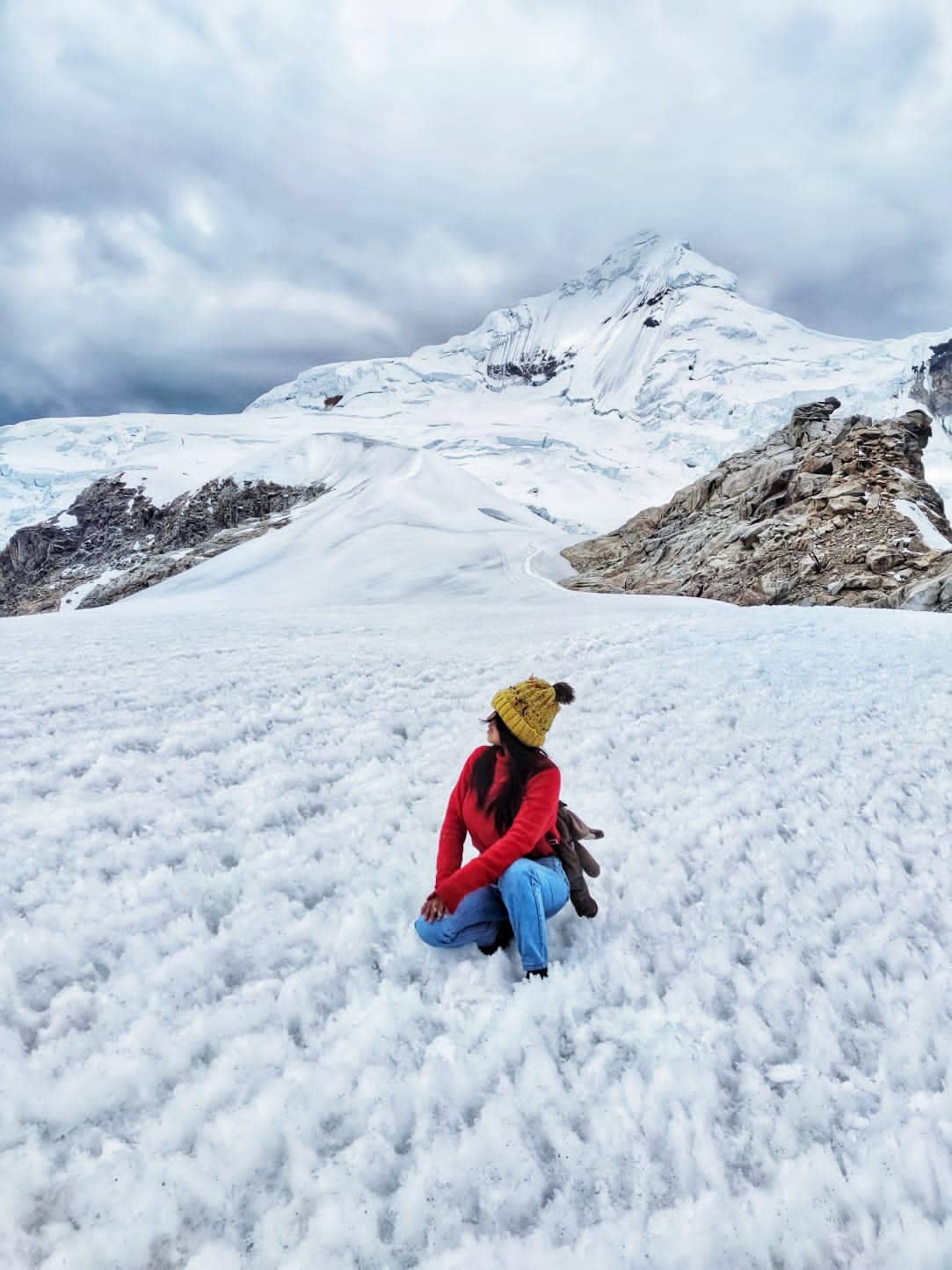
Conquer the 5,530m peak for breathtaking panoramic views of the Cordillera Blanca. A challenging but rewarding climb.
Laguna Milluacocha
Near Pashpa
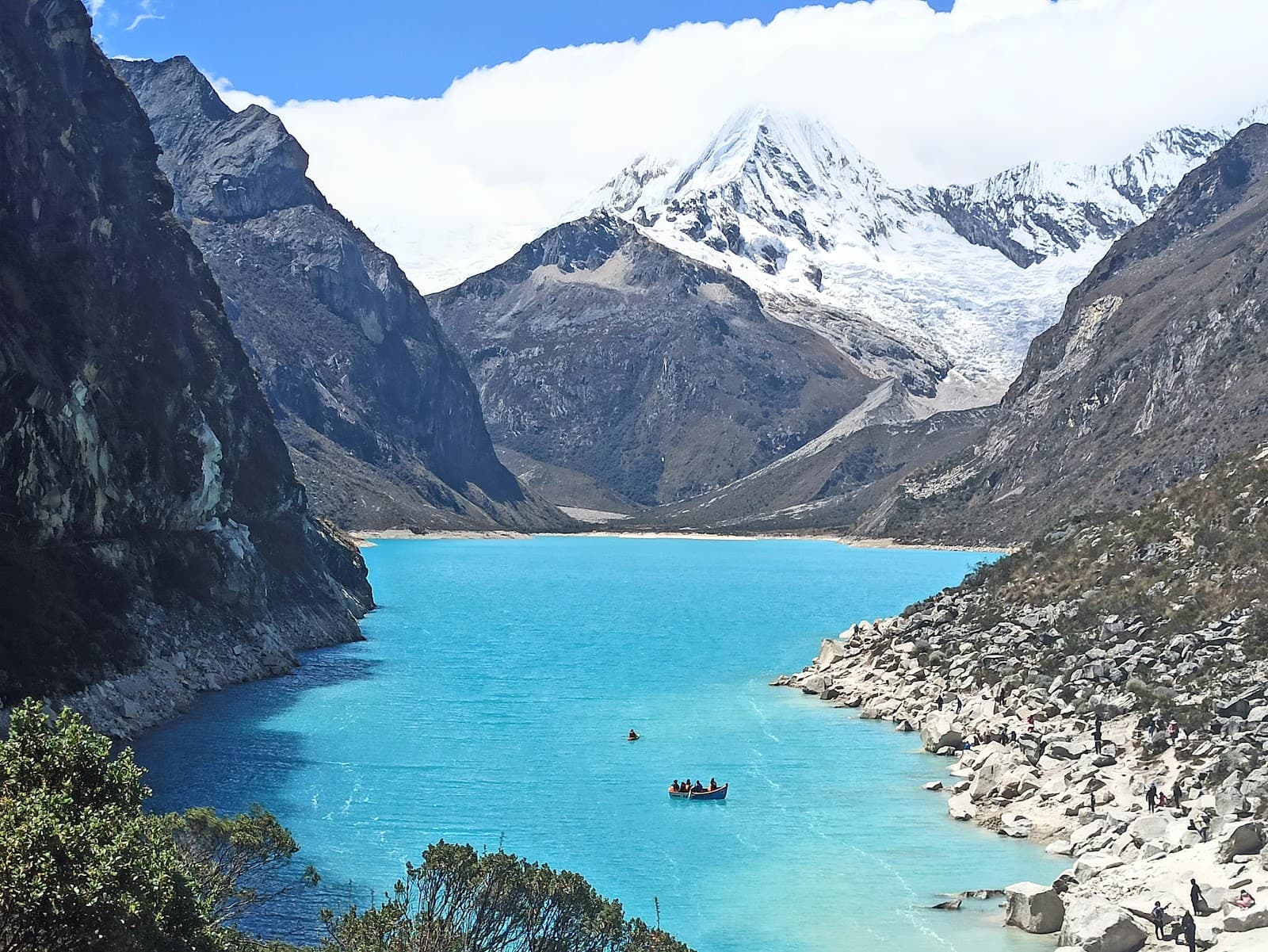
A serene mountain lake, often guarded by a friendly duck. Perfect for a peaceful stop on your trek.
Urus Peak Ascent
Quebrada Ishinca
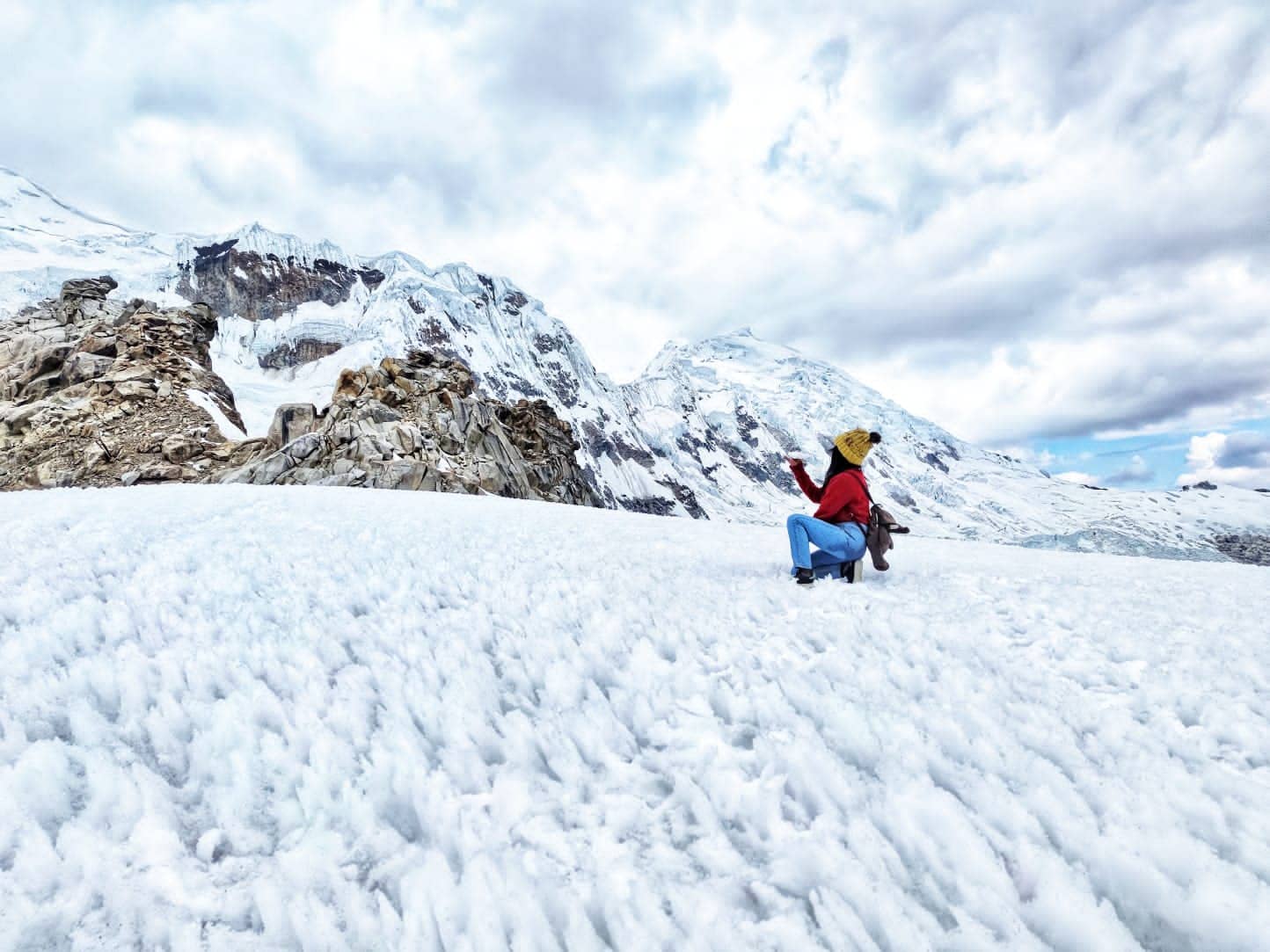
A more accessible 5,475m peak, ideal for acclimatization and gaining high-altitude experience.
Plans like a pro.
Thinks like you
Planning Your Visit
Best Time for Clear Skies
Acclimatization is Key
Best Times
Insider Tips
from TikTok, Instagram & Reddit
Book Guided Expeditions
For climbing Nevado Ishinca or Urus, consider booking with a reputable guide company for safety and logistics. 
Pack for All Weather
Even in the dry season, mountain weather is unpredictable. Layers are key for warmth and protection. ☁️
Stay Hydrated & Eat Well
Crucial for acclimatization. Carry plenty of water and high-energy snacks. :water_wave: :apple:
Leave No Trace
Respect the pristine environment. Pack out everything you pack in to preserve its beauty. :evergreen_tree:
Tips
from all over the internet
Book Guided Expeditions
For climbing Nevado Ishinca or Urus, consider booking with a reputable guide company for safety and logistics.
Pack for All Weather
Even in the dry season, mountain weather is unpredictable. Layers are key for warmth and protection. ☁️
Stay Hydrated & Eat Well
Crucial for acclimatization. Carry plenty of water and high-energy snacks. :water_wave: :apple:
Leave No Trace
Respect the pristine environment. Pack out everything you pack in to preserve its beauty. :evergreen_tree:
Camp Base Comfort
Campgrounds offer stunning views. Ensure you have good quality camping gear for comfort.
What Travellers Say
Reviews Summary
Quebrada Ishinca is lauded as a dream destination for nature lovers, offering incredible trekking and camping amidst the stunning Cordillera Blanca. However, visitors are increasingly noting the visible impact of climate change, with glaciers rapidly retreating, adding a poignant layer to the experience.
"A dream place, pure nature for trekking or camping, only the impact of climate change shows us how quickly the glaciers are retreating."
Miguel ALVA HUAYANEY
""
edher loli sanchez
What People Like
What People Dislike
Frequently Asked Questions
🚇 🗺️ Getting There
The most common way to reach Quebrada Ishinca is by hiring a taxi or a shared van from Huaraz to the village of Pashpa. From Pashpa, it's a trek of several hours to the Ishinca base camp. Many trekking and climbing expeditions arrange transportation as part of their package.
No, you cannot drive directly into Quebrada Ishinca. The access point is typically Pashpa, and from there, it's a hiking trail. The journey involves a combination of vehicle transport and trekking.
The drive from Huaraz to Pashpa takes about 1.5 to 2 hours. The trek from Pashpa to Ishinca base camp can take anywhere from 4 to 6 hours, depending on your pace and acclimatization.
While direct public transport to Pashpa might be limited, you can find local buses or colectivos (shared vans) from Huaraz heading towards Caraz or Carhuaz that might stop near the turn-off for Pashpa. It's often more convenient to arrange private transport.
A standard taxi or van is usually sufficient to reach Pashpa. The roads can be unpaved and bumpy, but generally manageable for most vehicles.
🎫 🎫 Tickets & Entry
Yes, you will need to pay an entrance fee to enter the Huascarán National Park, which encompasses Quebrada Ishinca. This fee is typically paid in Huaraz or at park ranger stations.
Entrance fees can vary, but it's advisable to check the current rates with the park authorities in Huaraz. Fees are usually for a multi-day period.
Currently, purchasing park entrance tickets online for Huascarán National Park is not widely available. It's best to purchase them in person in Huaraz before your trek.
For climbing Nevado Ishinca or Urus, you generally do not need separate climbing permits beyond the national park entrance fee, especially if you are part of an organized expedition. However, it's always good to confirm with local guides or authorities.
Huascarán National Park is generally accessible during daylight hours. However, for trekking and camping, you can enter and exit at any time, provided you have your valid entrance ticket.
🎫 ⛰️ Onsite Experience
The primary trekking route leads to Ishinca base camp, from where you can attempt ascents of Nevado Ishinca and Urus. There are also beautiful glacial lakes like Laguna Milluacocha to visit.
The trek to base camp is moderately challenging and suitable for those with some hiking experience. Climbing the peaks requires mountaineering skills and acclimatization.
You might spot Andean condors, various bird species, and if you're lucky, viscachas. Keep an eye out for the 'guardian duck' at Laguna Milluacocha!
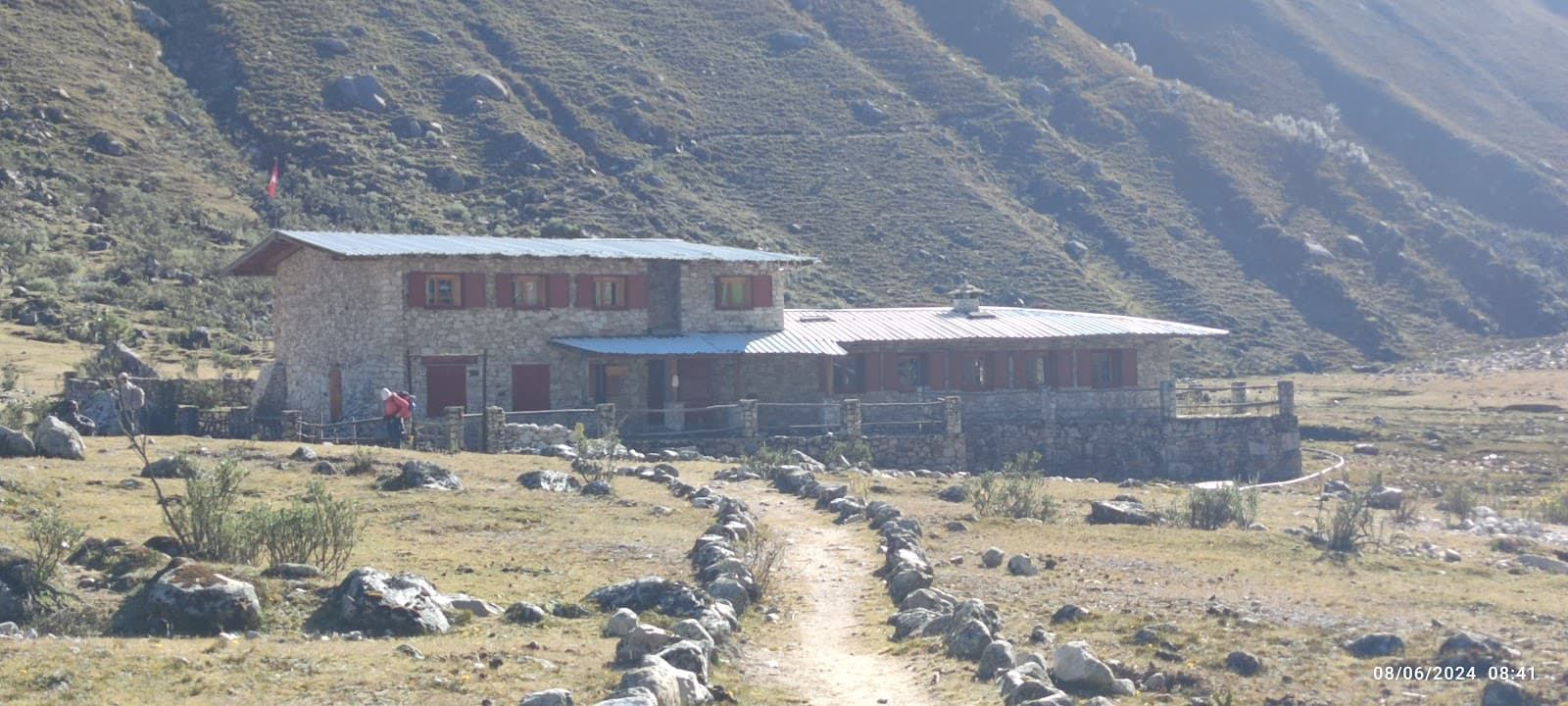
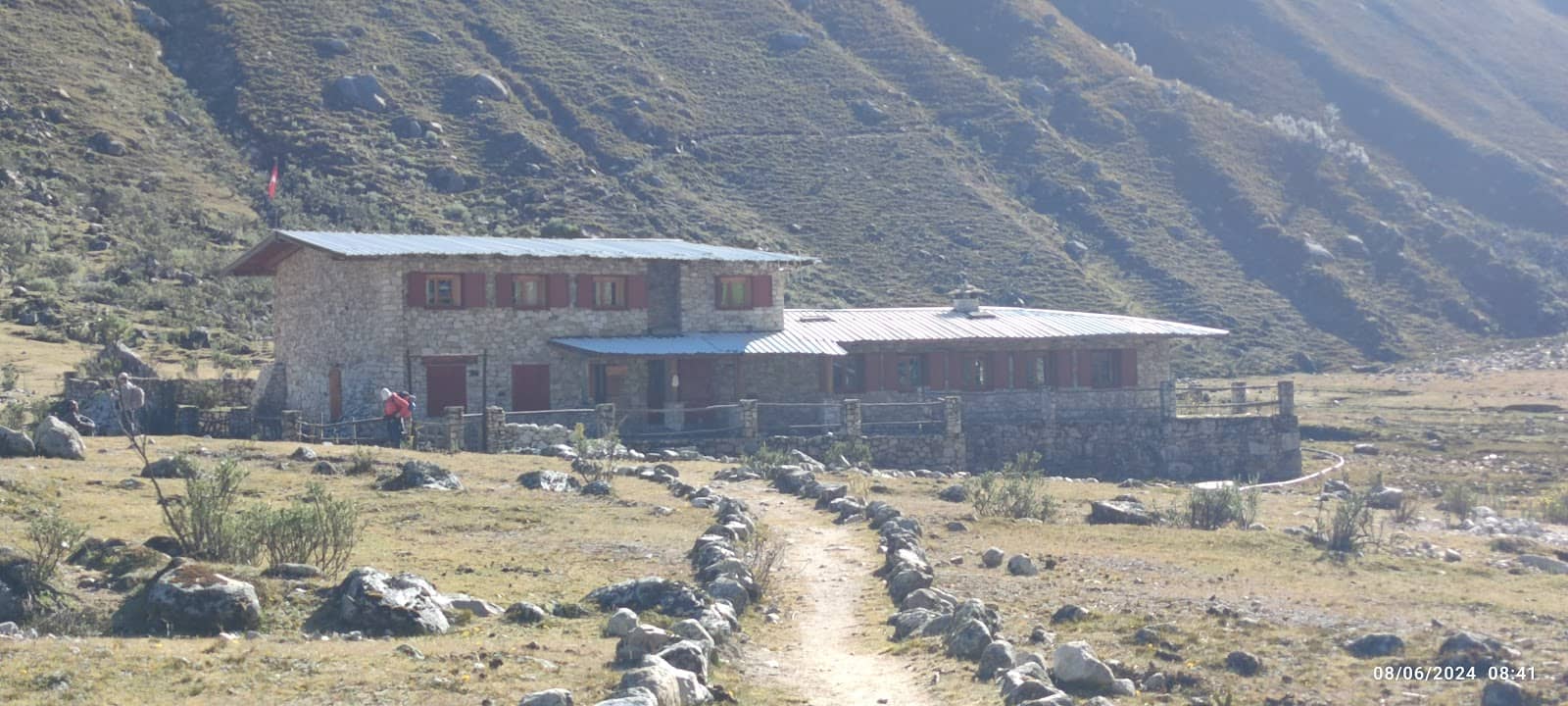
Yes, there is a refuge at Ishinca base camp, offering basic accommodation. Many trekkers also opt to camp in tents, which provides more flexibility and immersion in nature.
Sadly, like many glacial areas, the glaciers in Quebrada Ishinca are visibly retreating due to climate change, a poignant reminder of environmental shifts.
📸 📸 Photography
Capture stunning shots of snow-capped peaks like Nevado Ishinca and Urus, serene glacial lakes such as Laguna Milluacocha, and the dramatic Cordillera Blanca landscapes. Sunrise and sunset offer magical light.
A wide-angle lens is great for landscapes, while a telephoto lens can capture distant peaks and wildlife. A sturdy tripod is useful for low-light conditions. Don't forget extra batteries, as cold can drain them quickly. :camerawithflash:
Early mornings offer soft, golden light and often clearer skies. Late afternoons provide dramatic shadows and warm hues. Midday can be harsh but offers good visibility of the glaciers.
The trek to base camp itself offers numerous viewpoints. The summit of Nevado Ishinca provides an unparalleled panoramic vista. Laguna Milluacocha is also a picturesque spot.
Include a person or a tent in your frame to give a sense of scale. Shooting from a lower angle can also emphasize the grandeur of the peaks.
Social
from TikTok, Instagram & Reddit